
Chronic pain can often feel like a relentless cycle that you find yourself trapped in. It begins with the initial experience of pain, which can be overwhelming and disorienting. As you navigate through your daily life, the pain becomes a constant companion, leading you to obsess over its presence.
This obsession can manifest in various ways, from constantly checking in with your body to monitoring every twinge and ache. You may find yourself preoccupied with thoughts about the pain, wondering when it will subside or if it will worsen. This cycle can create a feedback loop where the more you focus on the pain, the more intense it seems to become.
As you become increasingly fixated on your discomfort, it can lead to heightened anxiety and stress. You might start to avoid activities that you once enjoyed, fearing that they will exacerbate your pain. This avoidance can further entrench you in the cycle, as the lack of engagement in fulfilling activities can lead to feelings of isolation and despair.
Understanding this cycle is crucial because it highlights how your mental state can influence your physical experience of pain. Recognizing that obsessing over chronic pain can perpetuate the very suffering you wish to alleviate is the first step toward breaking free from this cycle.
Key Takeaways
- Obsessing over chronic pain can create a cycle of increased pain perception and distress.
- Obsessing over chronic pain can lead to anxiety, depression, and decreased quality of life.
- Seeking professional help and support is crucial in managing chronic pain and breaking the cycle of obsession.
- Developing coping strategies and techniques can help individuals regain control over their thoughts and emotions.
- Engaging in relaxation and mindfulness practices can help reduce stress and improve overall well-being.
Recognizing the Impact of Obsessing on Mental Health
The obsession with chronic pain does not only affect your physical well-being; it also takes a significant toll on your mental health. When you find yourself consumed by thoughts of pain, it can lead to feelings of hopelessness and frustration. You may feel as though you are losing control over your life, which can contribute to anxiety and depression.
The constant worry about your condition can create a sense of impending doom, making it difficult to focus on anything else. This mental burden can be exhausting, leaving you feeling drained and overwhelmed. Moreover, the impact of obsessing over pain can extend to your relationships and social interactions.
Friends and family may not fully understand what you are going through, leading to feelings of isolation. You might withdraw from social situations, fearing that others will judge you or that you won’t be able to keep up with their activities. This withdrawal can create a vicious cycle where your mental health deteriorates further due to lack of social support, making it even harder to cope with your chronic pain.
Acknowledging these effects is essential for taking proactive steps toward improving both your mental and physical health.
Seeking Professional Help and Support
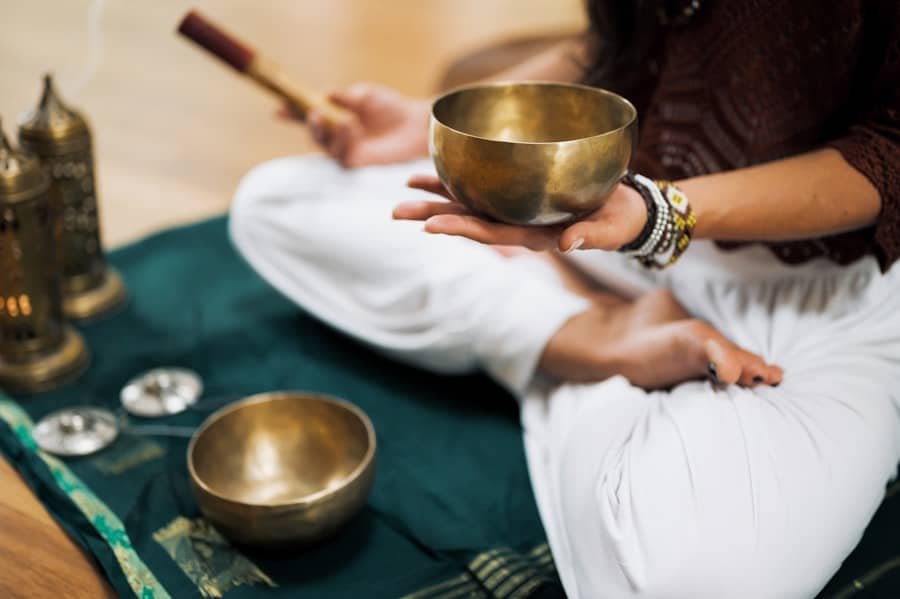
When dealing with chronic pain and its associated mental health challenges, seeking professional help is a vital step. A healthcare provider can offer guidance tailored to your specific situation, helping you understand the underlying causes of your pain and providing treatment options that may alleviate it. This could include physical therapy, medication management, or alternative therapies such as acupuncture or chiropractic care.
By consulting with professionals who specialize in pain management, you can gain insights into effective strategies for coping with your condition. In addition to medical professionals, consider reaching out to mental health specialists who can help you navigate the emotional aspects of living with chronic pain. Therapists or counselors trained in cognitive-behavioral therapy (CBT) can assist you in addressing negative thought patterns and developing healthier coping mechanisms.
Support groups can also be invaluable, as they provide a space where you can connect with others who share similar experiences. Engaging with a community that understands your struggles can foster a sense of belonging and reduce feelings of isolation.
Developing Coping Strategies and Techniques
Developing effective coping strategies is essential for managing chronic pain and breaking the cycle of obsession. One approach is to establish a daily routine that incorporates activities that promote physical and emotional well-being. This could include gentle exercises like stretching or yoga, which not only help maintain mobility but also release endorphins that can improve your mood.
Setting realistic goals for each day can provide a sense of accomplishment and help shift your focus away from pain. Another technique involves keeping a pain journal where you document your experiences with pain, including triggers, intensity levels, and emotional responses. This practice can help you identify patterns and gain insights into what exacerbates or alleviates your discomfort.
By tracking your pain, you may discover effective strategies that work for you, empowering you to take control of your situation rather than feeling at its mercy. Additionally, incorporating relaxation techniques such as deep breathing exercises or progressive muscle relaxation can help reduce stress and promote a sense of calm.
Engaging in Relaxation and Mindfulness Practices
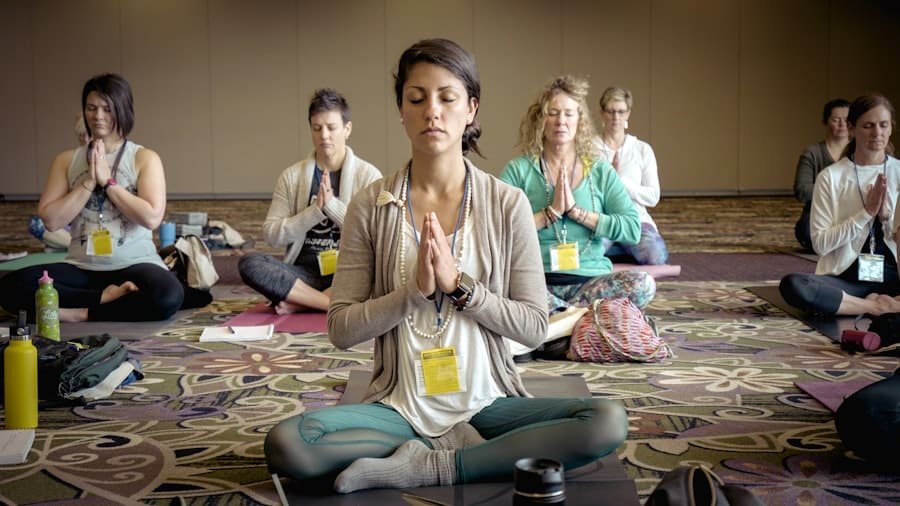
Incorporating relaxation and mindfulness practices into your daily routine can significantly enhance your ability to cope with chronic pain. Mindfulness involves being present in the moment without judgment, allowing you to observe your thoughts and feelings without becoming overwhelmed by them. Techniques such as meditation or guided imagery can help create a mental space where you can detach from the constant focus on pain.
By practicing mindfulness regularly, you may find that your perception of pain changes, allowing you to experience it with less emotional distress. Relaxation techniques such as deep breathing exercises or progressive muscle relaxation can also be beneficial in managing both physical and emotional symptoms associated with chronic pain. These practices help activate the body’s relaxation response, reducing tension and promoting a sense of well-being.
You might consider setting aside time each day for these practices, creating a sanctuary where you can retreat from the stresses of daily life. Over time, these techniques can become powerful tools in your arsenal for managing chronic pain.
Finding Distractions and Hobbies to Shift Focus
Finding distractions and engaging in hobbies can be an effective way to shift your focus away from chronic pain. When you immerse yourself in activities that bring you joy or fulfillment, it becomes easier to momentarily forget about your discomfort. Consider exploring new interests or revisiting old hobbies that you may have set aside due to your condition.
Whether it’s painting, gardening, reading, or playing an instrument, engaging in creative pursuits can provide a sense of accomplishment and joy. Additionally, social activities can serve as valuable distractions from chronic pain. Connecting with friends or family members for a game night or movie marathon can help lift your spirits and provide a welcome break from focusing on your condition.
Even simple activities like going for a walk in nature or visiting a local museum can offer new experiences that enrich your life while diverting attention from pain. By actively seeking out distractions, you empower yourself to reclaim moments of joy amidst the challenges of living with chronic pain.
Addressing Negative Thought Patterns and Beliefs
Chronic pain often comes hand-in-hand with negative thought patterns and beliefs that can exacerbate your suffering. You may find yourself thinking things like “I’ll never feel better” or “This pain will control my life.” These thoughts not only contribute to feelings of hopelessness but also reinforce the cycle of obsession over pain. It’s essential to recognize these negative beliefs as they arise and challenge them with more balanced perspectives.
Cognitive-behavioral techniques can be particularly helpful in addressing these thought patterns. For instance, when you catch yourself thinking negatively about your situation, try reframing those thoughts into more positive or realistic statements. Instead of saying “I’m always in pain,” consider acknowledging that while pain is present, there are still moments of relief or joy throughout your day.
By consciously shifting your mindset, you create space for hope and resilience to flourish.
Building a Supportive and Understanding Network
Building a supportive network is crucial for navigating the challenges of chronic pain effectively. Surrounding yourself with understanding individuals who empathize with your struggles can make a significant difference in how you cope with your condition. This network may include friends, family members, support groups, or online communities where people share similar experiences.
Engaging with others who understand what you’re going through fosters a sense of belonging and reduces feelings of isolation. Open communication is key when building this network. Share your experiences with those close to you so they can better understand what you’re facing.
Encourage them to ask questions and express their support in ways that resonate with you. Additionally, consider participating in local support groups where individuals gather to share their journeys with chronic pain. These connections not only provide emotional support but also offer practical advice and coping strategies that have worked for others in similar situations.
In conclusion, navigating the complexities of chronic pain requires a multifaceted approach that addresses both physical and mental health aspects. By understanding the cycle of obsession over pain, recognizing its impact on mental well-being, seeking professional help, developing coping strategies, engaging in mindfulness practices, finding distractions, addressing negative thought patterns, and building a supportive network, you empower yourself to take control of your experience with chronic pain. Remember that while the journey may be challenging, there are paths toward healing and resilience waiting for you to explore.
FAQs
What is chronic pain?
Chronic pain is defined as pain that persists for a period of 3 months or longer. It can be caused by a variety of factors, including injury, illness, or underlying health conditions.
What are the effects of obsessing over chronic pain?
Obsessing over chronic pain can lead to increased stress, anxiety, and depression. It can also negatively impact a person’s quality of life, relationships, and overall well-being.
How can I stop obsessing over chronic pain?
There are several strategies that can help individuals stop obsessing over chronic pain, including mindfulness and relaxation techniques, cognitive behavioral therapy, physical activity, and seeking support from healthcare professionals.
What role does medication play in managing chronic pain?
Medication can be a part of a comprehensive treatment plan for chronic pain, but it should be used in conjunction with other strategies such as physical therapy, exercise, and psychological interventions. It’s important to work with a healthcare provider to find the most effective and safe treatment approach.
Are there alternative therapies for managing chronic pain?
Yes, there are alternative therapies such as acupuncture, massage, yoga, and meditation that have been shown to help manage chronic pain for some individuals. It’s important to discuss these options with a healthcare provider to determine the best approach for each individual.