
Have you ever experienced a constant ringing or buzzing sound in your ears? If so, you may have tinnitus. But how can healthcare professionals determine if you have this condition? In this article, we will explore the various methods and techniques healthcare professionals use to diagnose tinnitus. From conducting thorough medical history assessments to performing physical examinations and hearing tests, these professionals have an array of tools at their disposal to accurately diagnose this frustrating condition. So, if you’re curious about how tinnitus is diagnosed, read on to discover the process!
Initial Consultation
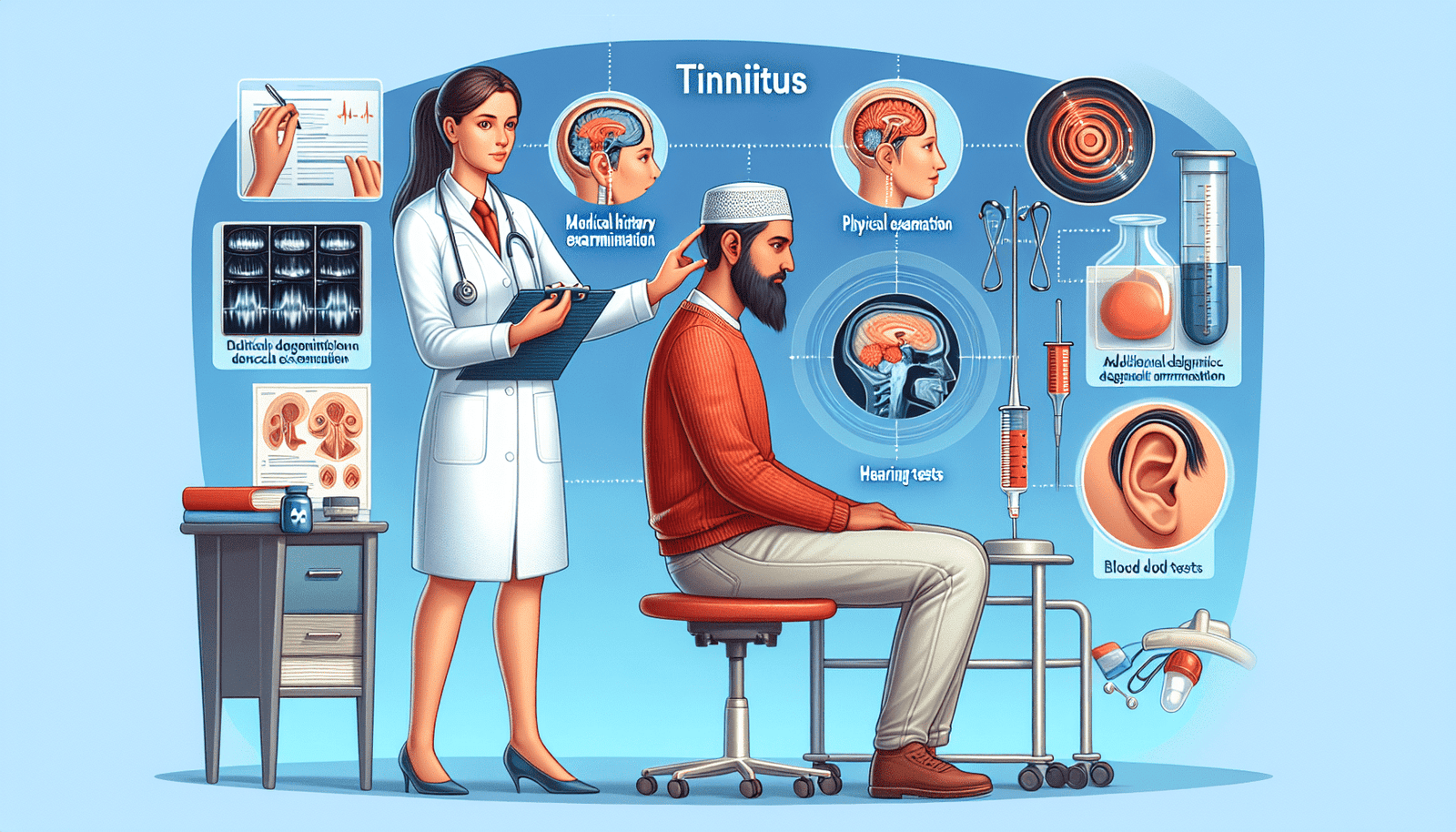
During your initial consultation, a healthcare professional will gather information about your medical history and conduct a physical examination. This is an important step in diagnosing tinnitus as it helps the healthcare professional understand any underlying conditions or factors that may contribute to your symptoms.
Medical History
To better understand your tinnitus, the healthcare professional will ask you about your medical history. They will inquire about any previous ear or hearing issues, any medications you are currently taking, and any exposure to loud noises or trauma to the head or neck. Additionally, they may ask about any other medical conditions you have, as certain conditions such as high blood pressure or anxiety can be associated with tinnitus.
Physical Examination
After gathering your medical history, the healthcare professional will conduct a physical examination. This examination may involve checking your ears for any visible abnormalities or signs of infection. They may also examine your neck and jaw as tension or muscle problems in these areas can sometimes contribute to tinnitus. By conducting a physical examination, the healthcare professional can rule out any obvious causes of your tinnitus and determine if further diagnostic tests are necessary.
Hearing Tests
To further evaluate your tinnitus and assess your hearing function, healthcare professionals may perform a series of hearing tests. These tests can provide valuable information about the nature and severity of your tinnitus and help determine the best course of treatment.
Pure-tone Audiometry
Pure-tone audiometry is a common hearing test used to measure your ability to hear different frequencies or pitches of sound. During this test, you will wear headphones and listen to a series of tones at different volumes. The healthcare professional will ask you to indicate when you can hear the tone by raising your hand or pressing a button. By testing your hearing threshold at various frequencies, the healthcare professional can determine if there is any hearing loss contributing to your tinnitus.
Speech Audiometry
Speech audiometry measures your ability to hear and understand speech. During this test, you will listen to a series of words or sentences at different volumes and repeat them back. The healthcare professional will assess your ability to correctly repeat the words or sentences, which provides insights into your overall auditory processing abilities and identifies any specific difficulties you may have understanding speech.
Tympanometry
Tympanometry is a test that evaluates the movement of your eardrum in response to changes in air pressure. This test helps determine if there are any abnormalities in the middle ear that may contribute to your tinnitus. During the test, a small probe is gently placed into your ear canal, and air pressure is changed while a tone is played. By measuring how your eardrum responds to these pressure changes, the healthcare professional can assess the health of your middle ear.
Otoacoustic Emissions (OAE)
Otoacoustic emissions are sounds produced by the inner ear in response to sounds. During this test, a small probe with a microphone is placed in your ear while sounds are played. The microphone records the otoacoustic emissions produced by your inner ear, which can help determine if there are any abnormalities in the functioning of your inner ear.
Electrocochleography (ECochG)
Electrocochleography measures the electrical activity generated by the inner ear in response to sounds. This test helps in determining if there are any abnormalities or increased neural activity in the inner ear that may be contributing to your tinnitus. It involves placing electrodes near your ear and recording the electrical responses of your inner ear while sounds of varying frequencies and intensities are presented.
Auditory Brainstem Response (ABR)
Auditory Brainstem Response is a test that measures the electrical activity produced by the auditory nerve and brainstem in response to sounds. During this test, electrodes are placed on your scalp and earlobes. Sounds of varying intensities are played, and the electrical responses of your auditory system are recorded. ABR can help identify if there are any issues in the auditory pathway from the ear to the brain that may be related to your tinnitus.
Imaging Tests
In some cases, healthcare professionals may recommend imaging tests to further investigate the cause of your tinnitus and rule out any underlying conditions. These tests can provide detailed images of your head and neck, helping to identify any structural abnormalities or lesions that may be contributing to your symptoms.
Magnetic Resonance Imaging (MRI)
Magnetic Resonance Imaging uses powerful magnets and radio waves to create detailed images of the inside of your head and neck. This imaging test can detect any abnormalities or tumors near the auditory pathway that may be causing your tinnitus. MRI is particularly useful in evaluating the health of the brain and detecting conditions such as acoustic neuromas or multiple sclerosis that can lead to tinnitus.
Computed Tomography (CT) Scan
A Computed Tomography scan uses a series of X-ray images taken from different angles to create cross-sectional images of your head and neck. This imaging test can provide detailed information about the bones and soft tissues in the area, helping to identify any abnormalities or structural problems that may be related to your tinnitus. CT scans are particularly useful in detecting abnormalities in the temporal bone, such as fractures or tumors, which can contribute to tinnitus.
Blood Tests
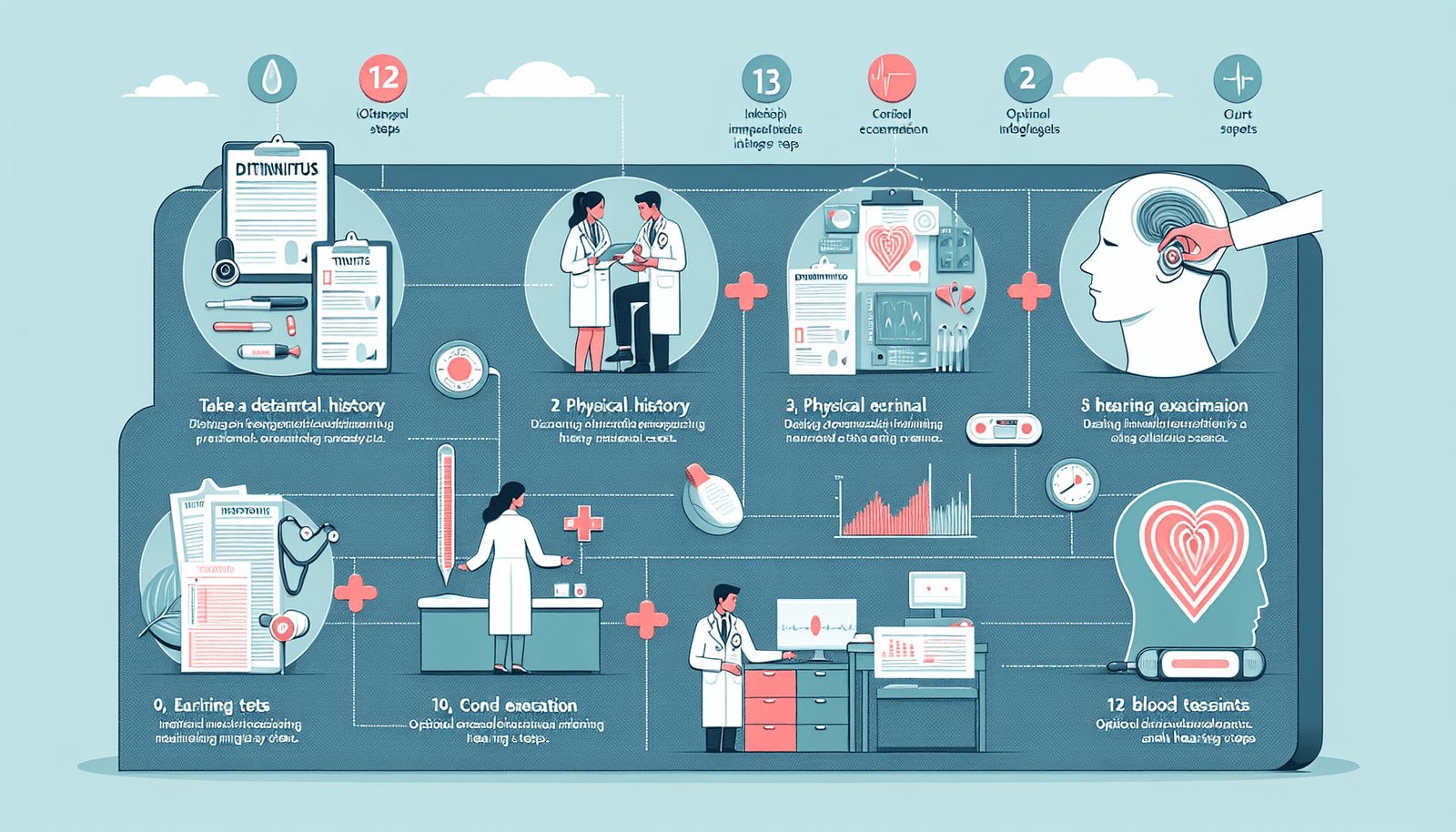
Blood tests are frequently conducted alongside other diagnostic procedures to assess general health and identify any medical conditions that may be associated with your tinnitus. These tests help healthcare professionals determine if there are any underlying factors contributing to your symptoms.
Full Blood Count
A full blood count measures the levels of different types of blood cells in your body. This test can detect conditions such as anemia or infections that may potentially contribute to tinnitus. By evaluating your blood cell counts, healthcare professionals can gain valuable insights into your overall health.
Thyroid Function Tests
Thyroid function tests measure the levels of thyroid hormones in your body. Imbalances in thyroid hormone levels can cause a variety of symptoms, including tinnitus. By assessing your thyroid function, healthcare professionals can identify any thyroid-related issues that may be contributing to your tinnitus.
Blood Glucose Test
A blood glucose test measures the levels of sugar (glucose) in your blood. High blood sugar levels can lead to various health complications, including tinnitus. By evaluating your blood glucose levels, healthcare professionals can determine if there are any glucose-related factors that may be contributing to your tinnitus.
Lipid Profile
A lipid profile test measures the levels of cholesterol and fats in your blood. High levels of cholesterol and fats can lead to various health conditions, including cardiovascular diseases that may be associated with tinnitus. By evaluating your lipid profile, healthcare professionals can assess your cardiovascular health and identify any lipid-related factors that may contribute to your tinnitus.
Specialist Referral
As tinnitus can have various underlying causes, healthcare professionals may refer you to different specialists who can provide further evaluation and treatment options based on their expertise.
Ear, Nose, and Throat (ENT) Specialist
An Ear, Nose, and Throat specialist, also known as an otolaryngologist, specializes in diagnosing and treating conditions related to the ear, nose, and throat. They can perform detailed examinations of your ears, conduct additional hearing tests, and provide further recommendations or treatments specific to your tinnitus. ENT specialists play a crucial role in identifying any anatomical or physiological factors contributing to your symptoms.
Audiologist
An audiologist is a healthcare professional specializing in evaluating and treating hearing disorders. They play a vital role in diagnosing and managing tinnitus by conducting various hearing tests, counseling patients on coping strategies, and recommending appropriate hearing aids or sound therapy options. Audiologists work closely with other healthcare professionals to provide a comprehensive approach to tinnitus management.
Neurologist
In cases where tinnitus may be related to conditions affecting the nervous system, a referral to a neurologist may be necessary. Neurologists specialize in the diagnosis and treatment of disorders that affect the brain and nervous system. They can evaluate the findings from imaging tests or other diagnostic procedures, assess neurological symptoms, and provide a specialized perspective on the possible causes and treatment options for your tinnitus.
Psychological Evaluation
Tinnitus can have a significant impact on emotional well-being and overall quality of life. Therefore, healthcare professionals may recommend a psychological evaluation to assess the psychological and emotional impact of tinnitus. This evaluation helps determine if additional mental health support or counseling is necessary.
Questionnaires and Interviews
Questionnaires and interviews are commonly used in psychological evaluations for tinnitus. They allow healthcare professionals to gather information about the emotional distress, anxiety, depression, or sleep disturbances you may be experiencing due to your tinnitus. These assessments provide a holistic understanding of the impact tinnitus has on your mental well-being and aid in developing an appropriate treatment plan.
Psychiatric Assessment
In some cases, a psychiatric assessment may be necessary if there are concerns about any underlying mental health conditions contributing to your tinnitus. A psychiatrist specializes in diagnosing and treating mental illnesses and disorders. They can evaluate your symptoms, assess any potential psychiatric conditions, and work with you to develop a personalized treatment approach that may include therapy or medication if necessary.
Other Diagnostic Methods
In certain situations, healthcare professionals may suggest additional diagnostic methods to further assess the physiological aspects of your tinnitus.
Electromyography (EMG)
Electromyography measures the electrical activity of the muscles and nerves in your face and neck. This test helps identify any muscle tension or abnormalities in the muscles and nerves that may contribute to your tinnitus. By evaluating the muscle and nerve responses during different movements, healthcare professionals can provide insights into potential muscular or neurological factors influencing your tinnitus.
Vestibular Testing
Vestibular testing assesses the functioning of your balance system, which includes the inner ear and related structures. These tests can help determine if any vestibular disorders or dysfunctions are present and contributing to your tinnitus. By evaluating your balance and eye movements in response to stimuli, healthcare professionals can gain a better understanding of the possible interactions between your vestibular system and tinnitus.
Evoked Response Audiometry
Evoked response audiometry measures the electrical responses of your brain or auditory system to certain stimuli, such as clicks or tones. This test helps identify specific neuronal responses associated with your hearing and can provide valuable information about the functioning of your auditory system. Evoked response audiometry can help healthcare professionals determine if there are any abnormalities or dysfunctions in the auditory pathway that may be related to your tinnitus.
Subjective Tinnitus Assessment
Subjective tinnitus refers to tinnitus that is only heard by the person experiencing it and cannot be heard by others. To evaluate subjective tinnitus, healthcare professionals may use various assessments and tests.
Tinnitus Questionnaires
Tinnitus questionnaires are self-administered surveys that assess the impact and characteristics of your tinnitus. They typically include questions related to the loudness, pitch, and quality of the tinnitus sound, as well as the level of distress or interference it causes in your daily life. These questionnaires provide healthcare professionals with valuable information about the subjective experience of tinnitus and help guide treatment decisions.
Pitch and Loudness Matching
Pitch and loudness matching tests are used to determine the frequency or pitch and intensity of your tinnitus. During these tests, you will be asked to listen to different sounds and adjust them until they match the pitch and loudness of your tinnitus. These tests provide objective measurements of your tinnitus characteristics, helping healthcare professionals understand the nature and severity of your symptoms.
Residual Inhibition Testing
Residual inhibition testing involves playing sounds at specific frequencies to induce temporary suppression or reduction in your tinnitus. This test helps determine if specific sounds or frequencies can provide relief from your tinnitus or reduce its intensity. By evaluating the duration and effectiveness of residual inhibition, healthcare professionals can gain insights into potential treatment options for managing your tinnitus.
Objective Tinnitus Assessment
Objective tinnitus refers to tinnitus that can be heard by others, such as abnormal sounds generated by the body. To evaluate objective tinnitus, healthcare professionals may use specialized tests.
Tinnitus Matching
Tinnitus matching tests involve playing different sounds and frequencies to determine if there is a specific external source that matches your tinnitus. By identifying the exact sound or frequency that corresponds to your objective tinnitus, healthcare professionals can gain insights into the underlying cause of your symptoms and guide appropriate treatment strategies.
Electrocochleography (ECochG)
Electrocochleography, as mentioned earlier, is also used for objective tinnitus assessment. By measuring the electrical signals generated by the inner ear in response to sounds, electrocochleography can help identify abnormal electrical activity or increased neural responses associated with objective tinnitus.
Auditory Brainstem Response (ABR)
Auditory Brainstem Response, as mentioned earlier, is another test used for objective tinnitus assessment. By measuring the electrical responses of the auditory nerve and brainstem to sounds, ABR can help determine if there are any abnormalities or dysfunctions in the auditory pathway associated with objective tinnitus.
Follow-Up Assessments
After the initial evaluation and diagnosis, healthcare professionals may recommend follow-up assessments to monitor the progress of your tinnitus and assess the effectiveness of any treatments or interventions.
Tinnitus Severity Index (TSI)
The Tinnitus Severity Index is a self-report questionnaire that measures the severity of your tinnitus symptoms. It assesses the impact of tinnitus on different aspects of your life, such as sleep, concentration, and emotional well-being. The TSI is commonly used to track changes in tinnitus severity over time and evaluate the effectiveness of treatment interventions.
Tinnitus Handicap Inventory (THI)
The Tinnitus Handicap Inventory is a validated questionnaire that assesses the functional and emotional impact of tinnitus on your daily life. It measures the degree of handicap associated with tinnitus and helps healthcare professionals understand the specific challenges you may face due to your symptoms. The THI is often used to evaluate treatment outcomes and guide further management strategies.
Treatment Response Evaluation
Follow-up assessments may also involve evaluating your response to treatment interventions. This can include assessing changes in tinnitus loudness, pitch, or quality, as well as improvements in psychological well-being and quality of life. By monitoring treatment responses, healthcare professionals can make necessary adjustments to your treatment plan and ensure the most effective management of your tinnitus.
In conclusion, diagnosing tinnitus involves a comprehensive approach that includes gathering medical history, conducting various hearing and diagnostic tests, and assessing the impact of tinnitus on both physical and psychological well-being. By utilizing a combination of these diagnostic methods, healthcare professionals can accurately diagnose tinnitus and develop personalized treatment plans to help manage symptoms and improve overall quality of life. Remember, always consult with a healthcare professional for a proper diagnosis and appropriate treatment for your tinnitus.