
Feeling a little off down there? Don’t worry, it happens to the best of us. But figuring out whether your discomfort is due to a yeast infection or a bacterial infection can sometimes be a challenge. With similar symptoms and overlapping causes, it’s easy to confuse the two. But fear not, because we’re here to help you navigate the differences, the signs you should be on the lookout for, and give you some tips on when it’s time to seek medical assistance. So, let’s dive right in and get you on the path to feeling better in no time!
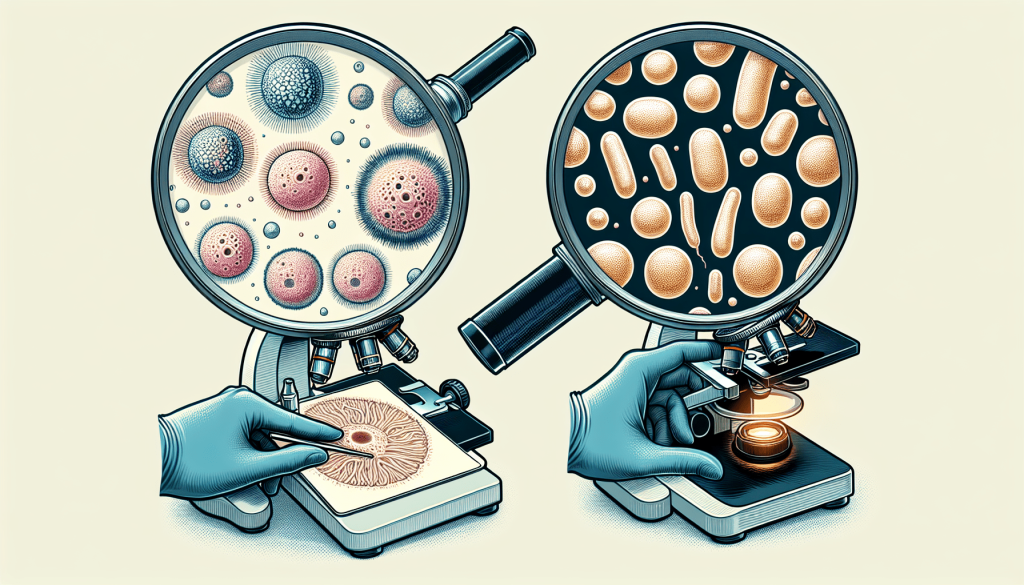
Causes of Yeast Infection and Bacterial Infection
Yeast infections and bacterial infections are two common vaginal infections that can cause discomfort and irritation. Understanding the causes of these infections can help you identify the underlying factors and take appropriate measures to prevent and treat them.
Yeast Infection Causes
Yeast infections, also known as vaginal candidiasis, are caused by an overgrowth of a type of fungus called Candida. While Candida is normally present in the vagina in small amounts, certain factors can disrupt the delicate balance and lead to an overgrowth. Common causes of yeast infections include:
- Antibiotic Use: Taking antibiotics can kill off both harmful and beneficial bacteria in the body, disrupting the natural balance in the vagina and allowing Candida to grow.
- Pregnancy: Hormonal changes during pregnancy can alter the vaginal environment, making it more conducive to yeast overgrowth.
- Diabetes: Poorly controlled diabetes can increase the risk of yeast infections as high blood sugar levels provide a favorable environment for yeast to multiply.
- Weak Immune System: Individuals with weakened immune systems, such as those with HIV/AIDS or undergoing chemotherapy, are more susceptible to yeast infections.
- Hormonal Changes: Fluctuations in hormone levels, such as those occurring during the menstrual cycle or menopause, can create an environment that promotes yeast growth.
Bacterial Infection Causes
Bacterial infections, commonly referred to as bacterial vaginosis (BV), occur when there is an imbalance in the vaginal bacteria. In a healthy vagina, beneficial bacteria called lactobacilli keep harmful bacteria in check. However, when the balance is disrupted, harmful bacteria can multiply and cause an infection. The causes of bacterial infections include:
- Multiple Sexual Partners: Engaging in sexual activity with multiple partners can disrupt the vaginal bacterial balance and increase the risk of bacterial infections.
- Douching: Douching, or rinsing the vagina with water or other solutions, can disturb the natural pH and bacterial balance, making the vagina more susceptible to infection.
- Intrauterine Device (IUD) Use: Some studies suggest that women who use intrauterine devices for contraception may have an increased risk of bacterial infections.
- Smoking: Smoking has been linked to an increased risk of bacterial vaginosis, although the exact mechanism is not fully understood.
Symptoms of Yeast Infection
Yeast infections can cause a variety of symptoms that can range from mild to severe. It is important to note that not all individuals will experience every symptom, and the severity can vary from person to person. Common symptoms of yeast infections include:
Vaginal Itching and Irritation
One of the most common symptoms of a yeast infection is vaginal itching and irritation. You may experience intense itching in and around the vagina, which can be persistent and bothersome.
Burning During Urination
Yeast infections can cause a burning sensation during urination. This discomfort is often described as a stinging or burning feeling and can be quite uncomfortable.
Thick, White Vaginal Discharge
Another characteristic symptom of a yeast infection is the presence of a thick, white discharge that resembles cottage cheese. This discharge may have a slight odor, but it is typically odorless or has a mild yeasty smell.
Pain During Sexual Intercourse
Yeast infections can make sexual intercourse painful or uncomfortable. The inflammation and irritation caused by the infection can result in pain, soreness, or a burning sensation during intercourse.
Symptoms of Bacterial Infection
Bacterial infections often have distinct symptoms that can help differentiate them from yeast infections. It is essential to be aware of these symptoms to seek appropriate treatment. Common symptoms of bacterial infections include:
Vaginal Itching and Irritation
Similar to yeast infections, bacterial infections can cause vaginal itching and irritation. The itching may be accompanied by redness and inflammation in the vulva and vaginal area.
Abnormal Vaginal Discharge
One of the key signs of a bacterial infection is a change in vaginal discharge. Instead of the usual clear or white discharge, bacterial infections often cause a thin, grayish-white, or yellowish discharge with a strong, fishy odor.
Fishy Odor
A distinctive symptom of bacterial infections is a fishy odor that becomes more pronounced after sexual intercourse or when the discharge mixes with urine. This odor is due to the overgrowth of certain bacteria in the vagina.
Burning During Urination
Similar to yeast infections, bacterial infections can also cause a burning sensation during urination. This discomfort can range from mild to severe and may be accompanied by increased frequency or urgency to urinate.
Risk Factors for Yeast Infection
While yeast infections can affect anyone, certain risk factors increase the likelihood of developing an infection. Understanding these risk factors can help you take proactive steps to prevent yeast infections. Common risk factors for yeast infections include:
Antibiotic Use
Taking antibiotics can disrupt the natural balance of bacteria in the body, including the vaginal flora. This disruption can allow yeast to overgrow and lead to an infection. If you need to take antibiotics, talk to your doctor about measures to prevent yeast infections.
Pregnancy
Pregnancy causes hormonal changes that can make the vaginal environment more susceptible to yeast overgrowth. Additionally, pregnant women with gestational diabetes may have higher sugar levels in their vaginal secretions, further increasing the risk of yeast infections.
Diabetes
Poorly controlled diabetes can lead to elevated blood sugar levels, creating a favorable environment for yeast growth. Individuals with diabetes should strive to control their blood sugar levels to lower the risk of yeast infections.
Weak Immune System
Certain medical conditions and medications can weaken the immune system, making individuals more susceptible to yeast infections. Conditions such as HIV/AIDS and undergoing chemotherapy can increase the risk. Taking steps to boost your immune system, such as following a healthy diet and lifestyle, can be beneficial.
Hormonal Changes
Fluctuations in hormone levels, such as those occurring during the menstrual cycle, can affect the vaginal environment. As estrogen levels change, the composition of the vaginal flora can also be altered, increasing the risk of yeast infections. Hormonal changes associated with menopause can also contribute to a higher risk.
Risk Factors for Bacterial Infection
Bacterial infections have their own set of risk factors that can increase the likelihood of developing an infection. By understanding these risk factors, you can take preventive measures to reduce your risk. Common risk factors for bacterial infections include:
Multiple Sexual Partners
Engaging in sexual activity with multiple partners can disrupt the balance of vaginal bacteria and increase the risk of bacterial infections. It is important to practice safe sex and consider using barrier methods, such as condoms, to reduce the risk of infections.
Douching
Douching, though commonly practiced by some individuals, can disturb the natural pH balance of the vagina and alter the normal bacterial flora. Avoiding douching is essential to maintain a healthy vaginal environment.
Intrauterine Device (IUD) Use
Some studies suggest that women who use intrauterine devices for contraception may have a slightly higher risk of bacterial infections. It is important to discuss the potential risks and benefits of any contraceptive method with your healthcare provider.
Smoking
Smoking has been linked to an increased risk of bacterial vaginosis. The exact mechanism behind this association is not fully understood, but it is believed that smoking may alter the vaginal microflora and weaken the immune response, making the vagina more susceptible to infections.
Diagnosing Yeast Infection
To accurately diagnose a yeast infection, healthcare providers use various methods to assess the symptoms and confirm the presence of a yeast overgrowth. Common methods for diagnosing yeast infections include:
Physical Examination
During a physical examination, your healthcare provider will inspect the vaginal area for any signs of inflammation, redness, or irritation. They may also ask about your medical history and any symptoms you are experiencing.
Vaginal pH Test
A vaginal pH test may be performed to measure the acidity of the vaginal environment. Yeast infections typically cause a decrease in pH, resulting in a more acidic environment.
Microscopic Examination
A microscopic examination involves collecting a small sample of vaginal discharge and examining it under a microscope. The presence of yeast cells, known as pseudohyphae, confirms the diagnosis of a yeast infection.
Cultures and Swabs
In some cases, a sample of vaginal discharge may be sent to a laboratory for a culture or swab test. This allows for further analysis to identify the specific type of yeast present and determine the most effective treatment.
Diagnosing Bacterial Infection
Accurate diagnosis of a bacterial infection is crucial to ensure appropriate treatment. Healthcare providers use different methods to diagnose bacterial infections. Common methods for diagnosing bacterial infections include:
Physical Examination
During a physical examination, your healthcare provider will assess the vaginal area for any signs of redness, inflammation, or discharge. They may also ask about your medical history and any symptoms you are experiencing.
Wet Mount Preparation Test
The wet mount preparation test involves examining a sample of vaginal discharge under a microscope. This test helps identify the presence of clue cells, which are cells covered with bacteria and are characteristic of bacterial infections.
Whiff Test
The whiff test is performed by adding a solution of potassium hydroxide (KOH) to a sample of vaginal discharge. If a strong fishy odor is released, it indicates the presence of bacterial vaginosis.
Cultures and Swabs
In some cases, a sample of vaginal discharge may be sent to a laboratory for a culture or swab test. This allows for further analysis to identify the specific bacteria causing the infection and determine the most appropriate treatment.
Treatment Options for Yeast Infection
Treating a yeast infection typically involves addressing the underlying fungal overgrowth and providing relief from the associated symptoms. Treatment options for yeast infections include:
Over-the-counter Antifungal Creams
Mild yeast infections can often be effectively treated with over-the-counter antifungal creams or suppositories. These medications contain antifungal agents, such as miconazole or clotrimazole, which help eliminate the excess yeast and provide relief from symptoms.
Prescription Medications
For more severe or recurrent yeast infections, your healthcare provider may prescribe stronger antifungal medications, such as fluconazole. These prescription medications can be taken orally or applied topically, depending on the severity of the infection.
Home Remedies
Home remedies may provide temporary relief from yeast infection symptoms. Some natural remedies include using plain yogurt, applying tea tree oil, or taking garlic supplements. However, it is important to note that these remedies may not be as effective as prescription medications and may not eliminate the underlying cause of the infection.
Avoiding Irritants
To prevent further irritation and promote healing, it is important to avoid irritants such as scented soaps, bubble baths, and douches. These products can disrupt the natural balance of the vagina and contribute to the development of yeast infections.
Treatment Options for Bacterial Infection
Treating bacterial infections involves restoring the normal vaginal bacterial balance and alleviating symptoms. Treatment options for bacterial infections include:
Prescription Antibiotics
Bacterial infections are typically treated with prescription antibiotics, such as metronidazole or clindamycin. These medications help eliminate the harmful bacteria responsible for the infection and restore the healthy vaginal flora.
Avoiding Irritants
Like yeast infections, avoiding irritants such as scented soaps, bubble baths, and douches is essential to promote healing and prevent further disruption of the vaginal bacterial balance.
Maintaining Vaginal Hygiene
Practicing good vaginal hygiene can help prevent bacterial infections. This includes gently washing the vulva with mild soap and warm water, wiping from front to back after using the restroom, and avoiding the use of harsh chemicals or scented products in the vaginal area.
Preventing Yeast and Bacterial Infections
While both yeast and bacterial infections can be treated, it is often preferable to prevent them from occurring in the first place. Taking proactive steps to maintain a healthy vaginal environment can significantly reduce the risk of infections. Common preventive measures include:
Wearing Breathable Underwear
Opt for breathable cotton underwear to help keep the vaginal area dry and airy. This can help prevent excess moisture buildup, which can create an environment conducive to yeast and bacterial overgrowth.
Avoiding Douching
Douching disrupts the natural balance of the vagina and can increase the risk of infections. It is best to avoid douching altogether and allow the body’s natural cleaning mechanisms to function properly.
Changing Wet Clothing
Sitting in wet or damp clothing, such as bathing suits or sweaty workout gear, can create an environment for yeast and bacteria to thrive. Change out of wet clothing as soon as possible to keep the vaginal area dry.
Probiotics
Consuming probiotic-rich foods or taking probiotic supplements can help promote a healthy vaginal flora. Probiotics contain beneficial bacteria that can help maintain the natural balance in the vagina, reducing the risk of infections.
By being aware of the causes, symptoms, risk factors, and treatment options for yeast and bacterial infections, you can take active steps to prevent and address these common vaginal health concerns. It is important to consult with a healthcare provider for an accurate diagnosis and personalized treatment plan if you suspect you may have an infection. Remember, maintaining good vaginal hygiene, practicing safe sex, and following a healthy lifestyle can go a long way in maintaining optimal vaginal health.