
How To Engage Dementia Patients In Meaningful Activities
Caring for someone with dementia can sometimes feel like a daunting task, but there are countless ways to create meaningful connections and engage your loved one in activities that stimulate their mind and soul. Dementia is not just a disease; it is a journey that the person you love is navigating, and as their caregiver, you have the power to bring joy into their lives, even in small doses. This article delves into creative strategies and activities that foster engagement, encourage a sense of purpose, and ultimately enrich lives.
Understanding Dementia
Before diving into activities, it’s essential to grasp what dementia really means and how it affects individuals. You may have noticed changes in your loved one’s memory, mood, or behavior, and understanding these changes can help you tailor activities that resonate with them. Dementia is not a single condition; it encompasses a range of symptoms associated with a decline in cognitive function. Alzheimer’s disease is the most common form, but there are many others, each with varying effects on mental processes, including thinking, memory, and communication skills.
As dementia progresses, your loved one may experience confusion, agitation, or withdrawal. However, it’s important to remember that underneath these symptoms lies a person who still craves connection, joy, and meaningful interaction. Recognizing their unique preferences and past experiences can significantly enhance your approach to engaging them.
The Importance of Meaningful Engagement
Engaging dementia patients in meaningful activities is not just about passing the time; it’s about nurturing their spirit and preserving their identity. You might have heard that boredom can lead to frustration and agitation. Providing stimulating activities can help diminish these feelings and pave the way for moments of happiness and calm. Meaningful engagement also promotes social interaction, supports cognitive function, and lends a sense of accomplishment to your loved one’s day, igniting a spark of joy in their life.
Engagement doesn’t have to be complex; it can be as simple as sharing a moment of connection through a story or participating in a familiar routine. Striving for activities that resonate with your loved one’s interests can help you both discover new dimensions of your relationship and embrace the present moment together.

Tailoring Activities to Individual Interests
Each person with dementia is unique; they have their own history, preferences, and abilities. Tailoring activities to reflect their interests is one of the most effective ways to engage them. You know your loved one better than anyone, so take a moment to reflect on their hobbies, passions, and past professions. Did they used to enjoy gardening or painting? Were they a music lover? These intrinsic elements can guide you toward activities that will resonate with them.
For instance, if you remember that they loved gardening, spending time nurturing plants together can provide comfort and create a soothing environment. If they were passionate about music, introducing familiar tunes can spark joyful memories and even encourage them to sing or move. Adapt activities based on their current capabilities and seek to foster a sense of accomplishment and connection.
Creating a Structured Routine
Consistency is incredibly beneficial for someone with dementia. Creating a structured routine gives your loved one a sense of security and helps minimize anxiety. When they know what to expect, they are more likely to engage positively with various activities. A routine can include daily tasks such as meal times, exercise, and leisure, interspersed with fun activities that align with their interests.
When establishing a routine, consider their most active times of the day. Some individuals may engage more effectively in the morning, while others may feel more alert in the afternoon. By coordinating tasks accordingly, you can ensure they are participating in meaningful activities during their most receptive moments. Routines also create opportunities for bonding; you might find that your shared moments of connection become deeply meaningful for both of you.

Incorporating Sensory Activities
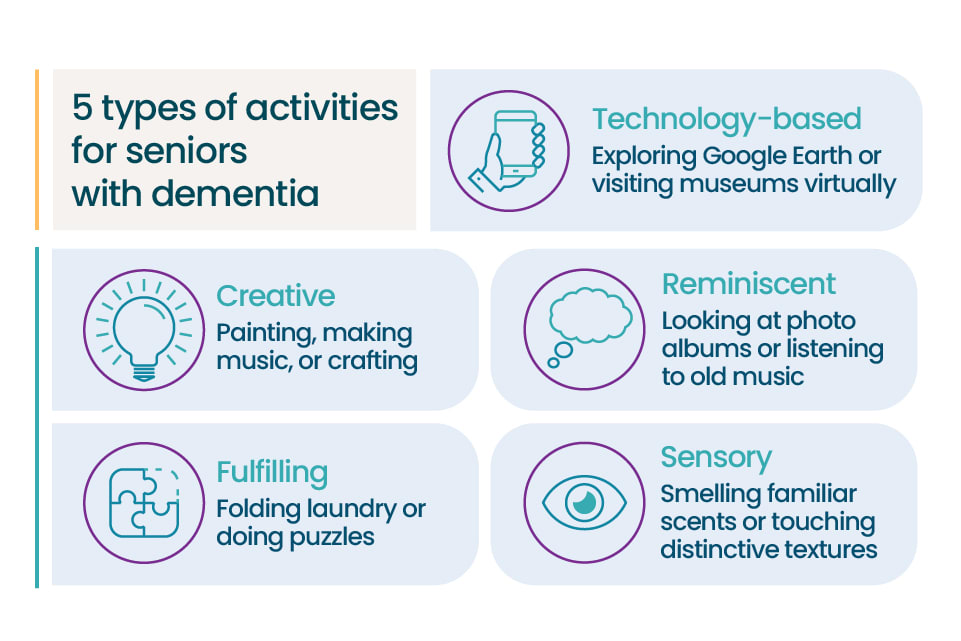
Dementia can significantly affect one’s sense of perception, but sensory activities can transcend cognitive limitations. Engaging your loved one through their senses can evoke memories, emotions, and even spark joy. These activities could include simple things like listening to their favorite music, cooking together, or going for a gentle stroll in nature.
Even activities like sorting through photographs or sensory boxes filled with various textures can be beneficial. Finding items that are safe and resonate with their past will not only spark engagement but may also revive enjoyable memories, linking the past with the present. Remember that these sensory experiences can create profound moments of connection, bridging the gap between you and your loved one.
Art and Creativity
Artistic activities can be a powerful way to engage someone with dementia. Creativity may offer your loved one a chance to express themselves in unique ways, even if verbal communication has become challenging. Depending on their abilities, you could explore drawing, painting, or even crafting together.
You may be surprised at the joy that arises from simply handing them some colored pencils or clay. Setting up an art corner where materials are readily accessible encourages spontaneous creativity. Celebrate their creations without judgment; the aim here is to enjoy the process and make them feel appreciated.

Reminiscing and Storytelling
Reminiscing is a fantastic way to connect with your loved one while engaging their memory and imagination. Many individuals with dementia can recall vivid memories from their past, so encouraging storytelling can spark joyful moments. Gather old photographs, keepsakes, and mementos, and create a dedicated time for them to share their stories.
You might set up a cozy corner with their favorite chair and perhaps a cup of tea or soft music in the background. Ask open-ended questions about their childhood, travels, or relationships. This not only boosts their self-esteem as they share their history but also gives you valuable insights into who they are, enriching your bond.
Music and Movement
Music is a universal language that transcends barriers, making it an ideal avenue for engaging someone with dementia. Whether through playing their favorite songs or inviting them to dance, music can revive memories and evoke emotions in powerful ways. Sourcing a playlist of significant songs from their past can create moments of joy and even spark intergenerational dialogue.
Encouraging movement in tandem can amplify the experience. Simple movements like swaying, clapping, or gentle dancing provide physical benefits while instilling a sense of liveliness. If mobility is challenging, you might adapt dance movements to their range of motion. The most important part is to enjoy the rhythm and encourage joy through movement.

Engaging in Nature
Time spent outdoors has been shown to reduce anxiety and improve mood, making it vital to incorporate nature-focused activities in your routine. Consider taking your loved one for walks in the park, tending to plants, or even just sitting outside to soak in the fresh air.
While on these outings, engage them by pointing out various sights, sounds, and smells. Collecting leaves, flowers, or stones can bring a sense of ownership and accomplishment. Nature isn’t just a backdrop; it’s a sensory-rich environment that can foster peace, remind them of life’s beauty, and spark conversations.
Simple Daily Activities
Don’t underestimate the power of simple daily routines, as they can be a goldmine for engagement. Involving your loved one in cooking, household chores, or even personal grooming can provide a sense of purpose and accomplishment. Consider asking for their help with meal preparation, allowing them to help wash vegetables or set the table. These everyday tasks can become opportunities for connection and collaboration.
Adapt the task to fit their current capabilities, ensuring it’s manageable while maintaining an element of fun. Creating a sense of partnership in these activities can foster pride in their contributions and enhance feelings of self-worth.
Engaging with Technology
In today’s digital age, technology can provide engaging opportunities for individuals with dementia too. Consider introducing devices such as tablets that can facilitate connection through video calls with family members or allow them to access memory-stimulating games.
There are numerous applications designed specifically for cognitive engagement tailored to their abilities. From puzzles to virtual museum tours, technology can provide enrichment in a compelling and enjoyable format. Remember to simplify the technology to ensure they feel comfortable using it, offering guidance and support along the way.
Connecting with Other Caregivers
Connecting with other caregivers can make a significant difference in your caregiving journey. Sharing your experiences and challenges with others who understand can open up pathways to discover new approaches and activities to engage your loved one. Many local and online support groups provide resources, insights, and companionship on this journey.
By attending meetings or online forums, you’ll find that sharing stories might provide you with new ideas for activities that have successfully engaged other dementia patients. Additionally, the experience can lift your spirits, reminding you that you are not alone in this challenge.
Always Remember to Be Patient
Patience is key when engaging someone with dementia. You may find that they have good days and bad days. The importance of going at their pace cannot be overstated; it’s crucial to recognize when they may not feel up for an activity. Being empathetic and maintaining a supportive attitude reinforces your bond, enabling them to remain open to participation at other times.
Consider that actions may be more important than words. Sometimes, simply being present beside them—whether they are watching a show, engaging in art, or enjoying an outdoor stroll—can speak volumes. Moments of silence shared with understanding can be just as meaningful as verbal communication.
The Power of Affirmation and Encouragement
Throughout all activities, be sure to offer affirmation and encouragement. Your loving words can genuinely uplift your loved one’s spirit and inspire them to continue engaging with different pursuits. Celebrate successes, no matter how small, and approach every interaction with positivity and appreciation.
Use affirmations freely, acknowledging their efforts and stimulating their self-esteem. This affirmation fosters a supportive environment, enhancing their willingness to engage and creating enriching moments for both of you.
Conclusion
Engaging dementia patients in meaningful activities is a rewarding journey that requires creativity, empathy, and compassion. Remember to tailor activities to resonate with your loved one’s unique interests and preferences, fostering a sense of purpose and joy. From art and reminiscing to nature and cooking, the possibilities for engagement can be diverse and fulfilling.
Throughout your caregiving experience, it’s essential to remain patient and affirming, creating an environment rich in love and connection. Remember, your efforts can make a profound impact on your loved one’s quality of life, enriching both their path and your experience together.
If you found this article helpful, please give it a clap, leave a comment with your thoughts or experiences, and consider subscribing to my Medium newsletter for more updates on caregiving topics. Your support helps create a community of encouragement where we can assist one another on this heartfelt journey.