
Hey, tired of dealing with those pesky zits? We’ve all been there. Don’t worry, because in this article, we’re going to share some tried and true methods to help you say goodbye to those unwelcome visitors on your face. From simple skincare routines to effective home remedies, we’ve got you covered. So, put on your friendly face and get ready to bid farewell to those stubborn zits for good. Zits, also known as acne, can be quite frustrating and can affect people of all ages. Whether you’re dealing with occasional breakouts or chronic acne, understanding the underlying causes can help in finding effective solutions. In this article, we will explore the various factors that contribute to the formation of zits and provide practical tips to prevent and treat them.
Causes of Zits
Hormonal Changes
Hormonal changes are one of the primary causes of zits, especially during puberty. Fluctuations in hormone levels, such as an increase in androgens (male hormones), can trigger the overproduction of sebum. This excess oil combines with dead skin cells and clogs pores, leading to the formation of zits.
Excess Sebum Production
Sebum is an oily substance produced by the sebaceous glands in the skin. While sebum is essential for maintaining skin moisture, excessive production can contribute to zits. Factors like hormonal imbalances, stress, and genetics can all play a role in stimulating the sebaceous glands to produce more sebum, increasing the likelihood of zit formation.
Bacteria and Inflammation
Bacteria also plays a significant role in the development of zits. Propionibacterium acnes, a type of bacteria that naturally resides on the skin, can multiply in the clogged pores and cause inflammation. This inflammatory response leads to the redness, swelling, and pain associated with zits.
Lifestyle Changes
Maintain a Healthy Diet
Maintaining a healthy diet can greatly impact the condition of your skin. Foods high in processed sugars and unhealthy fats can worsen zits by increasing inflammation. Instead, focus on consuming a balanced diet rich in fruits, vegetables, whole grains, and lean proteins. These nutrient-dense foods provide essential vitamins and minerals that promote healthy skin.
Regular Exercise
Regular exercise not only contributes to overall well-being but can also benefit your skin. When you engage in physical activity, blood circulation improves, which helps deliver oxygen and nutrients to your skin cells. Additionally, exercise helps manage stress levels, reducing the likelihood of hormonal imbalances that can contribute to zits.
Adequate Sleep
Getting enough sleep is vital for maintaining healthy skin. During sleep, your body goes into repair and regeneration mode, allowing your skin to heal and renew itself. Lack of sleep can disrupt this process and lead to increased inflammation and zit formation. Aim for 7-9 hours of quality sleep each night to support optimal skin health.
Skincare Routine
Proper Cleansing
An effective skincare routine starts with proper cleansing. Use a gentle cleanser formulated for your skin type to remove dirt, excess oil, and makeup. Avoid harsh soaps or cleansers that can strip the skin of its natural moisture, as this can potentially trigger more oil production.
Exfoliation
Regular exfoliation can help prevent clogged pores by removing dead skin cells and promoting cell turnover. However, it’s important not to overdo it, as excessive exfoliation can irritate the skin and cause more zits. Opt for gentle exfoliants and limit exfoliating to 1-2 times a week.
Moisturizing
Contrary to popular belief, even oily skin needs moisturization. Using a lightweight, oil-free moisturizer helps maintain the skin’s hydration balance and prevents the sebaceous glands from producing excess oil. Look for non-comedogenic moisturizers that won’t clog pores.
Avoiding Trigger Factors
Reduce Stress Levels
Stress has a direct impact on hormone levels, making it an important trigger factor for zit formation. Finding healthy ways to manage stress, such as practicing mindfulness, engaging in hobbies, or seeking support from loved ones, can help minimize breakouts.
Keep Hands Away from Face
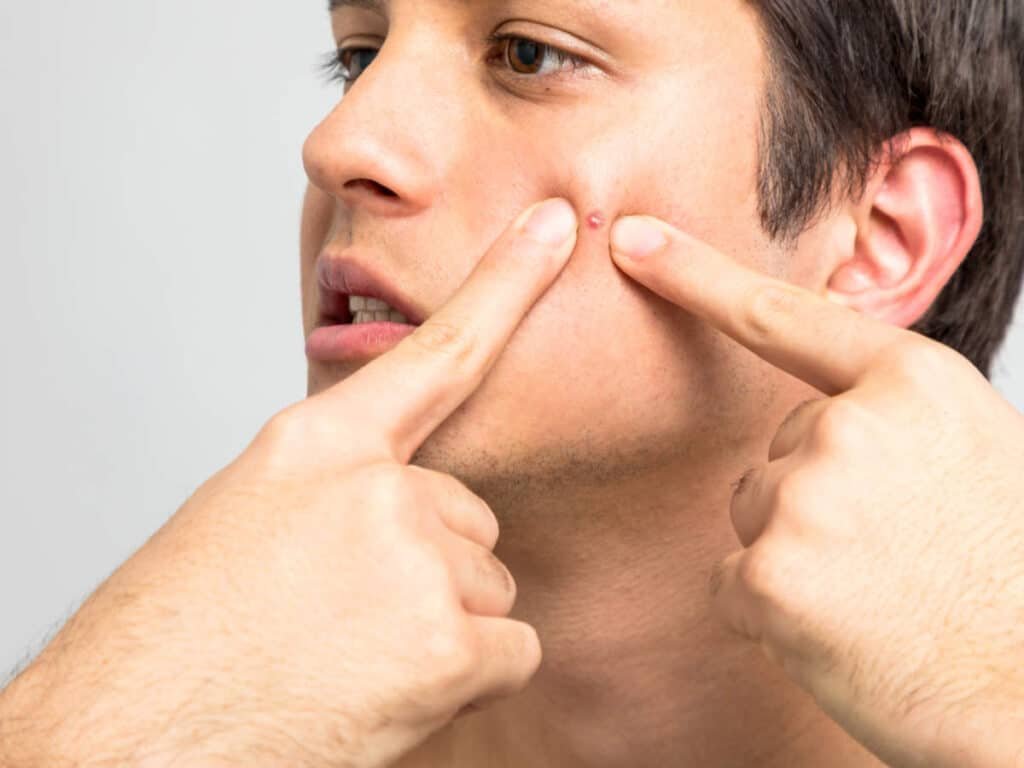
Our hands come into contact with countless bacteria throughout the day. Touching your face frequently can transfer dirt and bacteria onto the skin, potentially leading to inflammation and zits. Be conscious of this habit and try to keep your hands away from your face as much as possible.
Avoid Using Harsh or Heavy Makeup
Certain makeup products can contribute to clogged pores and zits. Opt for non-comedogenic, oil-free cosmetics, as these are specifically formulated not to clog pores. Additionally, removing makeup thoroughly before bedtime is crucial to allow your skin to breathe and regenerate overnight.

Natural Remedies
Tea Tree Oil
Tea tree oil has natural antibacterial properties and can help combat the bacteria responsible for zits. Dilute a few drops of tea tree oil with a carrier oil, such as jojoba oil, and apply it to affected areas with a clean cotton swab. Avoid using tea tree oil directly on the skin as it can cause irritation.
Aloe Vera
Aloe vera has soothing and anti-inflammatory properties that can help reduce redness and inflammation associated with zits. Extract the gel from an aloe vera leaf and apply it directly to your skin. Leave it on for about 15-20 minutes before rinsing it off with water.
Honey
Honey is known for its antimicrobial properties and can be an effective remedy for zits. Apply raw honey directly to the affected areas and leave it on for 10-15 minutes before rinsing it off. The sticky nature of honey also helps remove impurities and exfoliate the skin gently.
Over-the-counter Treatment Options
Benzoyl Peroxide
Benzoyl peroxide is a common ingredient found in many over-the-counter zit treatments. It works by reducing acne-causing bacteria and helping to unclog pores. Start with a lower concentration (2.5% or 5%) to minimize skin irritation and gradually increase if needed.
Salicylic Acid
Salicylic acid is a beta-hydroxy acid that helps exfoliate the skin and unclog pores. It is effective in treating mild to moderate zits and can be found in various cleansers, toners, and spot treatments. If you have sensitive skin, start with a lower concentration (0.5% or 1%) to avoid excessive drying or irritation.
Sulfur
Sulfur is another over-the-counter option for zit treatment. It has antibacterial properties and helps remove excess oil, dead skin cells, and unclog pores. Look for products containing sulfur and follow the instructions for application.
Prescription Medications and Treatments
Topical Retinoids
Topical retinoids are prescription medications derived from vitamin A. They help unclog pores, reduce inflammation, and promote cell turnover. Adapalene, tretinoin, and tazarotene are commonly prescribed retinoids for zit treatment. Follow your dermatologist’s instructions for proper usage, as these medications can cause some initial skin irritation.
Oral Antibiotics
In cases of moderate to severe acne, oral antibiotics may be prescribed to control inflammation and bacterial growth. Antibiotics like doxycycline, minocycline, and tetracycline are commonly used for this purpose. It’s important to take the prescribed dosage as directed and complete the entire course of antibiotics to ensure effectiveness.
Isotretinoin
Isotretinoin, also known as Accutane, is a powerful medication used to treat severe, cystic acne. It reduces oil production, prevents clogged pores, and targets the root causes of zits. Due to its potential side effects, isotretinoin is only prescribed under close medical supervision.
Professional Treatments
Chemical Peels
Chemical peels involve the application of a chemical solution to the skin, which causes the top layer to peel off, revealing smoother skin underneath. This exfoliating process helps remove dead skin cells, unclog pores, and reduce zits. Chemical peels are typically done by professionals and may require multiple sessions for optimal results.
Microdermabrasion
Microdermabrasion is a non-invasive procedure that involves the use of a handheld device to exfoliate the top layer of the skin. It helps remove dead skin cells and improve the overall texture of the skin. However, it may not be suitable for severe or cystic acne and is best performed by a trained esthetician or dermatologist.
Laser Therapy
Laser therapy is a treatment option for more severe cases of zits that do not respond adequately to other treatments. It works by targeting and destroying acne-causing bacteria, reducing inflammation, and promoting collagen production for improved skin texture. Laser therapy should always be done by a qualified dermatologist.
Preventing Scarring
Avoid Popping or Squeezing Zits
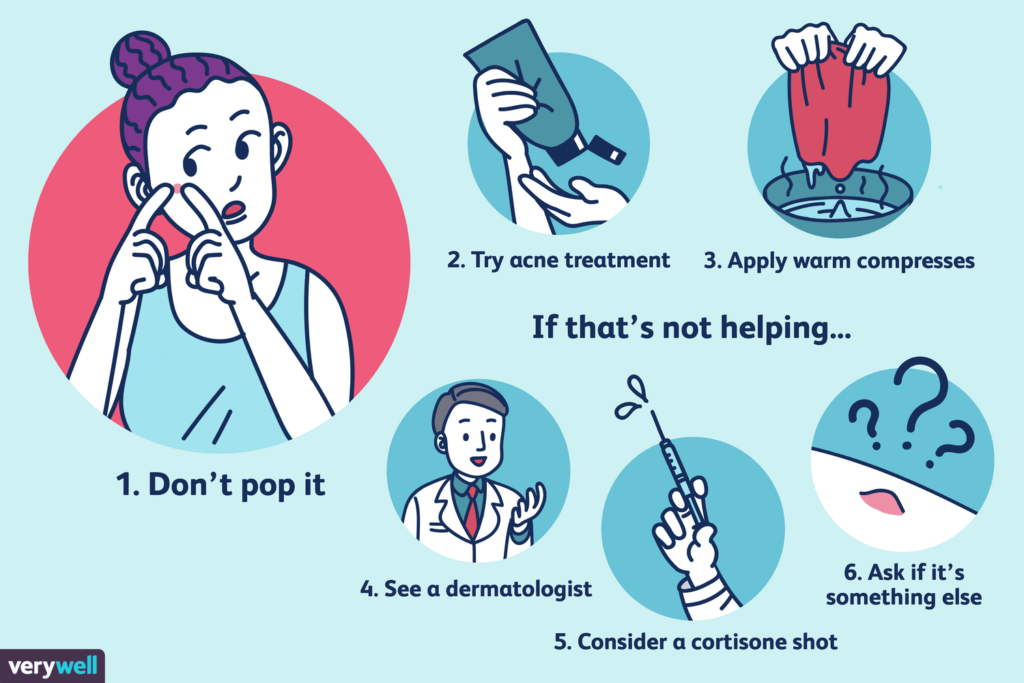
While it may be tempting to pop or squeeze a zit, doing so can increase the risk of scarring and further inflammation. Popping zits can push bacteria deeper into the skin and cause the infection to spread. Instead, allow zits to heal naturally or seek professional extraction if necessary.
Proper Wound Care
If a zit does burst or open, proper wound care is essential to prevent scarring. Cleanse the area gently with a mild cleanser, apply a topical antibiotic ointment, and cover with a clean bandage if needed. Avoid picking at scabs or scarring can occur.
Treating Acne Early
Early intervention is key in preventing severe zit formation and subsequent scarring. Start treating acne as soon as it appears to prevent it from worsening. Follow a consistent skincare routine and seek professional advice if needed.
When to See a Dermatologist
Chronic or Severe Acne
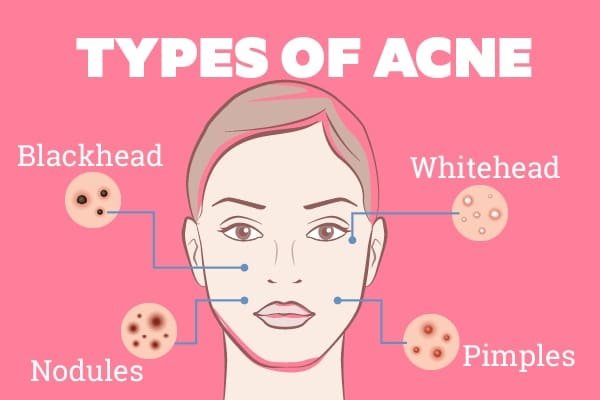
If you have chronic or severe acne that doesn’t respond to over-the-counter treatments, it is advisable to consult a dermatologist. They can evaluate your specific skin condition and recommend appropriate prescription medications or treatments.
Presence of Painful Cysts
If you have painful cysts or deep, inflamed zits that are causing discomfort, it’s best to seek medical attention. Dermatologists can provide specialized treatments to alleviate pain and promote healing.
Failure of Over-the-counter Treatments
If you have tried various over-the-counter zit treatments without seeing any improvement, it may be time to consult a dermatologist. They can assess your specific needs and recommend tailored treatment options to address your skin concerns effectively.
In conclusion, understanding the various causes of zits and implementing appropriate preventive measures and treatments is crucial for achieving clear and healthy skin. By adopting a healthy lifestyle, following a consistent skincare routine, and seeking professional advice when needed, you can effectively manage and reduce the occurrence of zits. Remember, each person’s skin is unique, so it may take time and patience to find the right combination of strategies that work best for you.