If you find yourself in a situation where you need to lower your blood sugar levels quickly but don’t want to rely on insulin, we’ve got you covered. In this article, we will explore effective ways to lower your blood sugar immediately without the use of insulin. Whether you’re looking for natural remedies or lifestyle changes, we’ve gathered valuable information to help you take control of your blood sugar levels and get back on track to optimal health. Say goodbye to insulin dependency and hello to healthier blood sugar levels in no time.
Understanding Blood Sugar
Understanding blood sugar levels is essential for maintaining overall health and well-being. Blood sugar, also known as blood glucose, refers to the amount of sugar present in your bloodstream. It is a crucial source of energy that fuels the cells in your body. However, it is important to maintain stable and normal blood sugar levels for optimal health.
Normal Blood Sugar Levels
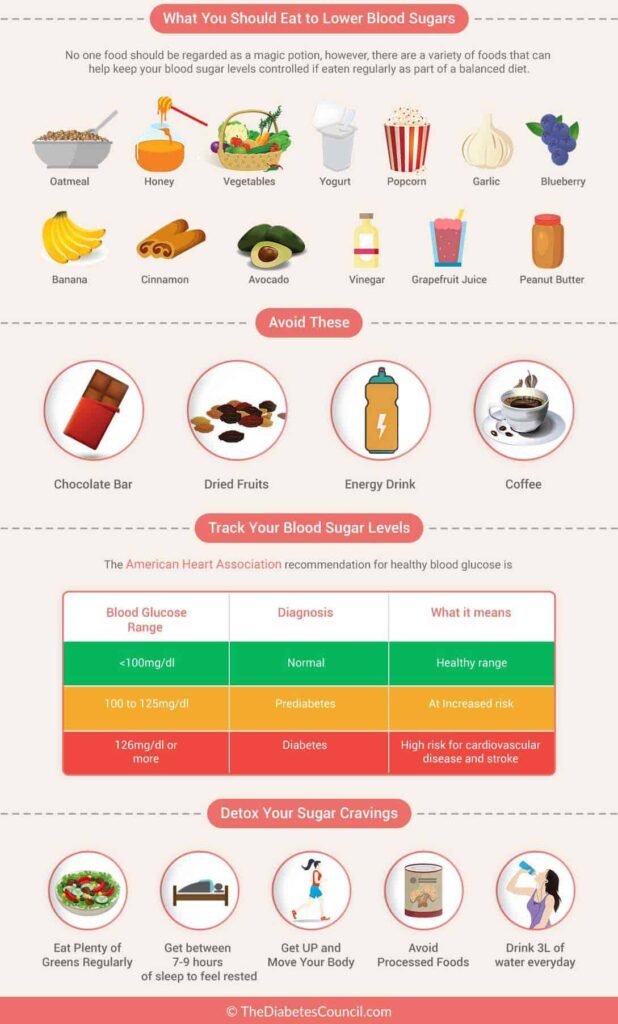
Normal blood sugar levels typically range between 70 and 140 mg/dL. However, it is important to note that these levels may vary depending on factors such as age, overall health, and the timing of the blood sugar test. It is recommended to consult with your healthcare professional to determine your specific target range for blood sugar levels.
Causes and Symptoms of High Blood Sugar
High blood sugar, also known as hyperglycemia, occurs when the body is unable to properly regulate blood glucose levels. This can happen due to various reasons, including lack of insulin production or the body’s resistance to insulin. Some common causes of high blood sugar include poor dietary choices, lack of physical activity, stress, and certain medical conditions.
Symptoms of high blood sugar may include increased thirst, frequent urination, fatigue, blurred vision, and slow wound healing. If left unmanaged, high blood sugar can have serious consequences for your health, such as an increased risk of diabetes complications, heart disease, and kidney problems.
The Dangers of High Blood Sugar
Consistently high blood sugar levels can lead to a variety of health complications. Over time, it can damage blood vessels, nerves, and organs throughout the body. Chronic high blood sugar is particularly dangerous for individuals with diabetes, as it increases the risk of diabetic ketoacidosis, a potentially life-threatening condition. It is crucial to take proactive measures to lower your blood sugar and maintain it within a normal range.
Non-Insulin Methods to Lower Blood Sugar
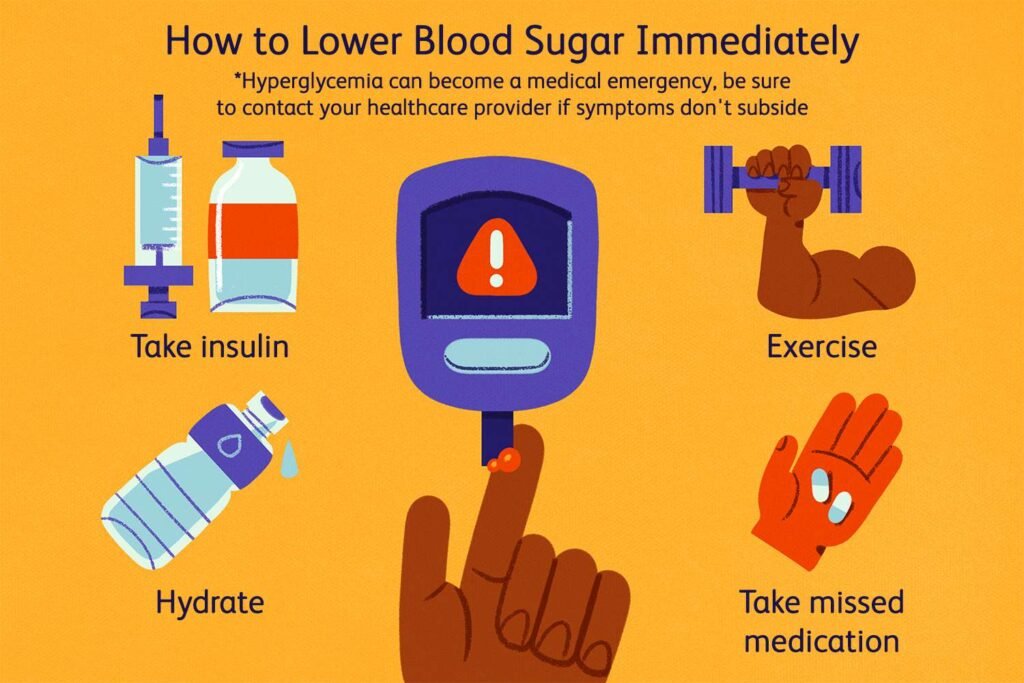
Fortunately, there are several non-insulin methods available to help lower blood sugar levels. By making certain lifestyle changes and incorporating natural supplements, you can effectively manage your blood sugar levels and promote overall wellness. Let’s explore some of these methods in detail:
Dietary Changes
One of the most powerful ways to lower blood sugar levels is by making healthy dietary changes. Here are some strategies you can employ to regulate your blood sugar:
Reduce Carbohydrate Intake
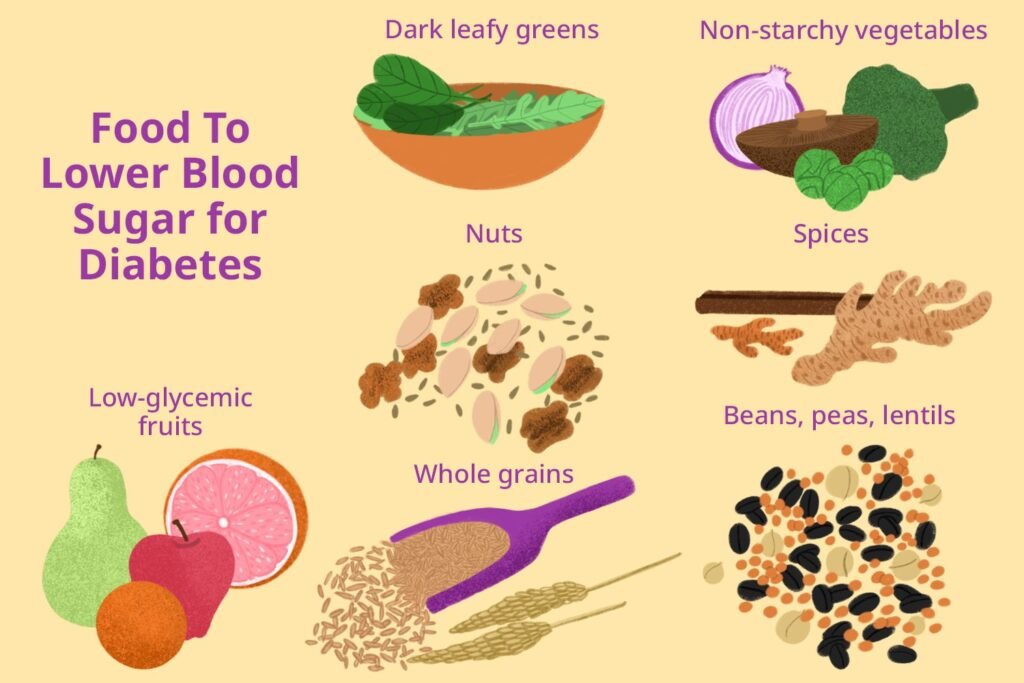
Carbohydrates have a direct impact on blood sugar levels, so it is important to manage their consumption. It is advisable to reduce the intake of refined carbohydrates such as white bread, sugary snacks, and processed foods. Instead, opt for complex carbohydrates found in whole grains, fruits, and vegetables.
Increase Fiber Consumption
Fiber-rich foods not only promote digestive health but also help regulate blood sugar levels. Incorporate high-fiber foods like legumes, whole grains, and vegetables into your meals. These foods slow down the absorption of glucose, preventing sudden spikes in blood sugar.
Choose Low Glycemic Index Foods
The glycemic index (GI) measures how quickly foods raise blood sugar levels. Choosing low GI foods can help keep blood sugar stable. Good choices include most fruits, non-starchy vegetables, and whole grains.
Include Protein and Healthy Fats
Including lean proteins and healthy fats in your meals can help slow down the digestion and absorption of carbohydrates, thus preventing blood sugar spikes. Foods such as fish, poultry, nuts, seeds, and avocados are excellent sources of protein and healthy fats.
Physical Activity
Regular physical activity is not only beneficial for overall health but also plays a significant role in managing blood sugar levels. Here are some key ways in which physical activity can help:
Aerobic Exercise
Engaging in aerobic activities such as brisk walking, jogging, swimming, or cycling can effectively lower blood sugar levels. It promotes insulin sensitivity, allowing your body to utilize glucose more efficiently.
Strength Training
Incorporating strength training exercises into your routine helps build muscle mass, which enhances insulin sensitivity and promotes better blood sugar control.
Interval Training
Interval training involves alternating between high-intensity exercises and short periods of rest. This form of exercise has been shown to improve glucose metabolism and reduce blood sugar levels.
Simple Exercises for Immediate Impact
Even incorporating short bursts of physical activity into your day can lead to immediate blood sugar benefits. Taking short walks after meals or using the stairs instead of the elevator can make a notable difference.
Stress Management
Chronic stress can lead to elevated blood sugar levels. Implementing effective stress management techniques can help regulate blood sugar. Consider the following strategies:
Practice Relaxation Techniques
Engaging in relaxation techniques such as deep breathing exercises, meditation, or yoga can help alleviate stress and promote better blood sugar control.
Engage in Stress-Reducing Activities
Finding activities that help you unwind and reduce stress can have a positive impact on your blood sugar levels. This can range from pursuing hobbies, spending time in nature, or engaging in creative activities.
Get Adequate Sleep
Adequate sleep is essential for maintaining overall health, including blood sugar control. Lack of sleep can disrupt hormone regulation and lead to insulin resistance. Aim for 7-9 hours of quality sleep each night.
Seek Support
Don’t hesitate to reach out to friends, family, or healthcare professionals for support. Sharing your concerns and seeking guidance can help alleviate stress and manage blood sugar effectively.
Hydration
Proper hydration is crucial for maintaining optimum blood sugar levels. Consider the following tips to ensure you stay hydrated:
Drink Sufficient Water
Water is the best choice for hydration and helps regulate blood sugar levels. Aim to drink at least 8 glasses of water per day, or more if needed.
Avoid Sugary Beverages
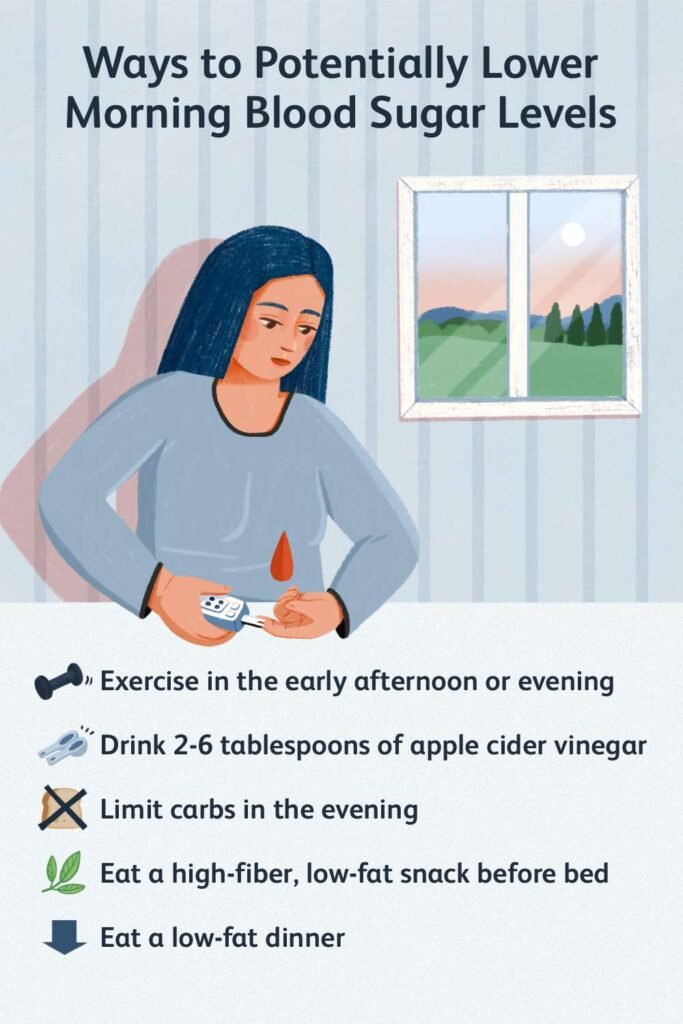
High-sugar beverages such as soda, fruit juices, and energy drinks can cause blood sugar spikes. Opt for unsweetened beverages or flavored water instead.
Include Herbal Teas
Certain herbal teas like green tea, chamomile tea, and cinnamon tea have shown potential in assisting with blood sugar management. Enjoy these beverages as a healthy alternative.
Beneficial Hydrating Foods
In addition to fluids, certain hydrating foods can help regulate blood sugar levels. Include foods like cucumbers, celery, watermelon, and tomatoes in your diet for their hydrating properties.
Natural Supplements
Certain natural supplements have shown promise in helping to lower blood sugar levels. While they are not a substitute for a healthy lifestyle, they may complement other strategies. Here are some examples:
Cinnamon
Cinnamon has been found to improve insulin sensitivity, which can aid in maintaining stable blood sugar levels. Consider incorporating it into your meals or consuming it as a supplement.
Chromium
Chromium is a mineral that plays a role in carbohydrate and lipid metabolism. Supplementing with chromium may help improve blood sugar control.
Alpha-Lipoic Acid
Alpha-lipoic acid, a powerful antioxidant, has been shown to enhance insulin sensitivity and reduce blood sugar levels. It is available in supplement form.
Berberine
Berberine, a compound derived from some plants, has been used in traditional medicine to help manage blood sugar levels. It may help improve blood sugar control by affecting various metabolic factors.
Ginseng
Certain types of ginseng, particularly American ginseng and Korean ginseng, have shown potential in improving blood sugar control. Consult with a healthcare professional before incorporating ginseng into your routine.
Fenugreek
Fenugreek seeds have been used for centuries as a natural remedy for blood sugar control. They may help improve insulin sensitivity and lower blood sugar levels.
Magnesium
Magnesium is a mineral that plays a crucial role in glucose metabolism. Ensuring adequate magnesium intake may help regulate blood sugar levels.
Vitamin D
Vitamin D deficiency has been associated with higher blood sugar levels. Optimizing vitamin D levels, either through sunlight exposure or supplementation, may aid in blood sugar control.
Lifestyle Changes for Long-Term Blood Sugar Control
While immediate steps can help lower blood sugar, it is important to adopt a holistic approach for long-term blood sugar control. Consistency and persistence are key. Consider the following lifestyle changes:
Developing a Well-Balanced Meal Plan
Working with a healthcare professional or registered dietitian can help you create a personalized meal plan that promotes stable blood sugar levels. Focus on incorporating a variety of nutrients and maintaining portion control.
Maintaining a Regular Exercise Routine
Make physical activity a consistent part of your routine. Aim for at least 150 minutes of moderate-intensity aerobic exercise and two or more days of strength training per week.
Managing Stress
Implement stress management techniques such as mindfulness, relaxation exercises, and prioritizing self-care. Find what works best for you and make it a priority.
Getting Sufficient Sleep
Strive for quality sleep by maintaining a consistent sleep schedule, creating a relaxing bedtime routine, and ensuring a comfortable sleep environment.
Avoiding Smoking and Alcohol
Smoking and excessive alcohol consumption can further complicate blood sugar control. Quitting smoking and limiting alcohol intake or avoiding it altogether can have significant health benefits.
Regular Monitoring and Tracking
Monitor your blood sugar levels regularly to track your progress and make necessary adjustments to your lifestyle and treatment plan. This can be done with the help of a glucose meter and by keeping a blood sugar log.
When to Consult a Healthcare Professional
While these non-insulin methods can help lower blood sugar, there are certain situations where it is crucial to seek medical advice. Consult a healthcare professional under the following circumstances:
Persistent High Blood Sugar Levels
If your blood sugar levels remain consistently high despite implementing lifestyle changes, it is important to consult with a healthcare professional. They can evaluate your situation and make appropriate recommendations.
Side Effects of Medications
If you are experiencing adverse effects from any medications you are taking for blood sugar control, it is vital to seek medical guidance for potential adjustments or alternatives.
Concerns About Existing Conditions
If you have any pre-existing medical conditions that may affect blood sugar control, such as kidney disease or heart disease, consult with your healthcare professional to ensure your treatment plan aligns with your specific needs.
Pregnancy or Planning to Become Pregnant
Blood sugar control is particularly important during pregnancy. If you are pregnant or planning to become pregnant, it is crucial to consult with a healthcare professional to develop a safe and effective management plan.
Uncontrolled Symptoms
If you experience uncontrolled symptoms such as extreme thirst, frequent urination, unexplained weight loss, or persistent fatigue, consult with a healthcare professional immediately.
Conclusion
Taking control of your blood sugar levels is essential for overall health and well-being. By adopting a holistic approach that incorporates dietary changes, physical activity, stress management, hydration, natural supplements, and essential lifestyle modifications, you can effectively lower and maintain normal blood sugar levels. It is important to consult with a healthcare professional to develop a personalized plan and monitor your progress regularly. Remember, small steps taken consistently can lead to significant improvements in your blood sugar control and overall quality of life.