
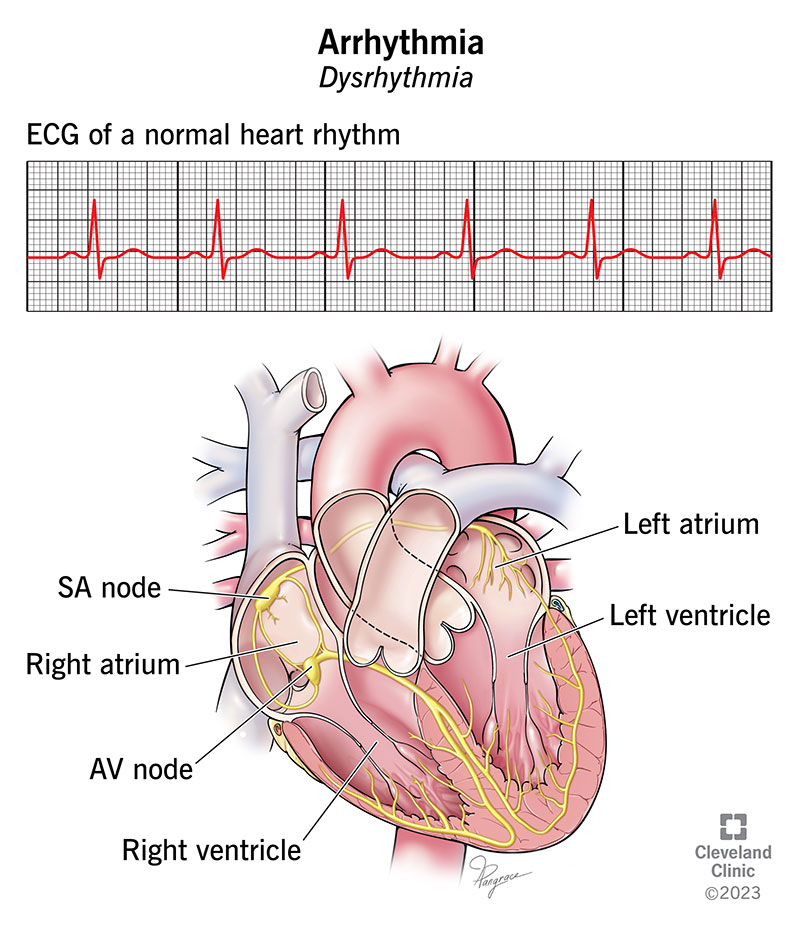
If you want to keep your heart ticking in perfect rhythm, then it’s time to learn how to prevent arrhythmia. Arrhythmia refers to irregular heartbeats that can disrupt your cardiovascular health. Fortunately, there are simple steps you can take to maintain a steady heartbeat and reduce the risk of developing this condition. By making small lifestyle changes and adopting healthy habits, you can protect your heart and enjoy a life filled with vitality. Let’s explore some effective strategies that will help you prevent arrhythmia and keep your heart dancing with joy.

Maintain a Healthy Lifestyle
Living a healthy lifestyle is crucial for maintaining overall well-being and reducing the risk of various health conditions, including arrhythmia. By making mindful choices in your daily habits and routines, you can significantly improve your heart health and prevent the occurrence of irregular heart rhythms.
Eat a Balanced Diet
Proper nutrition plays a vital role in maintaining a healthy heart. Opting for a balanced diet that includes a variety of fruits, vegetables, whole grains, lean proteins, and healthy fats can help promote cardiovascular health and reduce the chances of developing arrhythmia. Incorporating foods rich in omega-3 fatty acids, such as fish, nuts, and seeds, can also provide additional heart-protective benefits.
Exercise Regularly
Engaging in regular physical activity is not only beneficial for maintaining a healthy weight but also for promoting heart health. Incorporating exercise into your daily routine can help improve cardiovascular fitness, strengthen your heart muscle, and enhance blood flow. Aim for at least 150 minutes of moderate-intensity exercise or 75 minutes of vigorous-intensity exercise each week to keep your heart healthy and reduce the risk of arrhythmia.
Manage Stress
Chronic stress can have a negative impact on your heart health and increase the likelihood of experiencing irregular heart rhythms. Finding effective ways to manage stress is essential for maintaining a healthy heart. Engaging in relaxation techniques, such as deep breathing exercises, yoga, or meditation, can help reduce stress levels and promote a calm state of mind. Additionally, participating in stress-relieving activities, such as hobbies, spending time in nature, or listening to soothing music, can also contribute to a healthier heart.
Avoid Smoking and Excessive Alcohol Consumption
Smoking and excessive alcohol consumption are detrimental to your heart health and can significantly increase the risk of arrhythmia. The chemicals present in tobacco smoke can damage the heart and blood vessels, leading to irregular heart rhythms. Similarly, excessive alcohol intake can disrupt the normal electrical signals within the heart, triggering arrhythmia. By avoiding smoking and limiting alcohol consumption, you can minimize the risk of developing irregular heart rhythms and promote cardiovascular health.
Manage Underlying Health Conditions
Certain underlying health conditions can contribute to the development of arrhythmia. Taking proactive measures to manage these conditions can significantly reduce the risk of experiencing irregular heart rhythms.
Control High Blood Pressure
High blood pressure, or hypertension, is a major risk factor for various cardiovascular diseases, including arrhythmia. Managing high blood pressure through lifestyle modifications and, if necessary, medication can help prevent the occurrence of irregular heart rhythms. Regularly monitoring your blood pressure, following a low-sodium diet, engaging in regular exercise, and taking prescribed medications as directed by your healthcare provider can effectively control high blood pressure and reduce the risk of arrhythmia.
Keep Cholesterol Levels in Check
Elevated levels of cholesterol in the blood can contribute to the buildup of plaque in the arteries, increasing the risk of cardiovascular diseases, including arrhythmia. Regular monitoring of cholesterol levels and making lifestyle changes, such as following a heart-healthy diet low in saturated and trans fats, can help maintain optimal cholesterol levels. If lifestyle modifications are not sufficient, your healthcare provider may prescribe cholesterol-lowering medications to manage your cholesterol levels and reduce the risk of arrhythmia.
Manage Diabetes
Diabetes is closely linked to an increased risk of cardiovascular diseases, including arrhythmia. Proper management of diabetes through blood sugar control, regular exercise, and adherence to a healthy diet can help prevent complications and reduce the risk of developing irregular heart rhythms. Regular monitoring of blood sugar levels, taking prescribed medications or insulin, and maintaining a healthy lifestyle are key components in managing diabetes and promoting heart health.
Treat Thyroid Disorders
Thyroid disorders, such as hyperthyroidism or hypothyroidism, can disrupt the normal functioning of the heart, leading to arrhythmia. If you have been diagnosed with a thyroid disorder, it is essential to work closely with your healthcare provider to ensure proper treatment and management. Adhering to prescribed medications and routine thyroid screenings can help maintain thyroid hormone levels within the normal range, reducing the risk of arrhythmia.
Limit Caffeine and Stimulant Intake
Caffeine and other stimulants have a stimulating effect on the nervous system, which can potentially trigger or worsen arrhythmia in susceptible individuals. By reducing your intake of caffeine and other stimulant-containing substances, you can minimize the risk of irregular heart rhythms.
Reduce Coffee and Tea Consumption
Coffee and tea are popular beverages that contain caffeine. While moderate consumption of caffeine is generally safe for most individuals, excessive intake can increase the likelihood of experiencing heart palpitations or irregular heart rhythms. It is advisable to limit your coffee and tea consumption and opt for decaffeinated versions or herbal teas to reduce the risk of caffeine-induced arrhythmia.
Avoid Energy Drinks and Excessive Stimulants
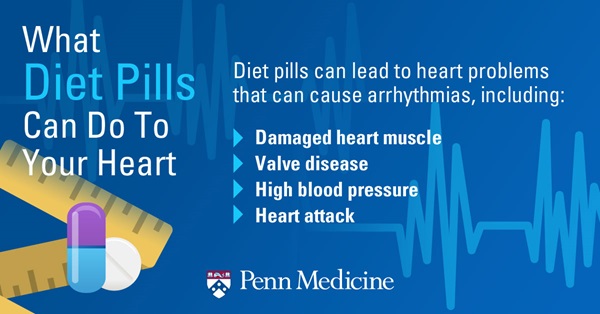
Energy drinks often contain high levels of caffeine and other stimulants, making them potentially harmful to individuals with arrhythmia or those at risk of developing it. These drinks can elevate heart rate and blood pressure, increasing the risk of irregular heart rhythms. It is best to avoid energy drinks altogether and limit the consumption of other stimulant-containing substances, such as certain weight-loss supplements or medications, to maintain a healthy heart rhythm.
Stay Hydrated
Proper hydration is essential for maintaining optimal heart health and preventing the onset of arrhythmia. By drinking sufficient water and limiting caffeinated beverages, you can support a healthy heart rhythm and overall cardiovascular function.
Drink Sufficient Water
Staying well hydrated ensures that your heart can efficiently pump blood throughout your body. It is recommended to drink an adequate amount of water daily, typically about eight cups or 64 ounces. However, individual requirements may vary based on factors such as age, activity level, and overall health. Monitoring your urine color can be a useful indicator of hydration status – pale yellow urine generally suggests good hydration.
Limit Caffeinated Beverages
While a moderate amount of caffeine is generally considered safe for most people, excessive consumption can potentially trigger or exacerbate arrhythmia. Caffeine acts as a stimulant that can increase heart rate and blood pressure, potentially leading to irregular heart rhythms. If you have arrhythmia or are at risk of developing it, it is wise to limit your intake of caffeinated beverages, such as coffee, tea, energy drinks, and sodas, to maintain a healthy heart rhythm.

Maintain a Healthy Weight
Maintaining a healthy weight is essential for overall cardiovascular health and minimizing the risk of arrhythmia. By adopting healthy eating habits, monitoring caloric intake, and engaging in regular physical activity, you can achieve and maintain a healthy weight, thereby promoting a normal heart rhythm.
Eat a Balanced Diet
Maintaining a healthy weight starts with consuming a balanced diet. Focus on incorporating a variety of nutrient-dense foods, including fruits, vegetables, whole grains, lean proteins, and healthy fats. Avoiding processed foods, sugary beverages, and unhealthy fats can help prevent weight gain and reduce the risk of developing arrhythmia. Consulting with a registered dietitian can provide personalized recommendations to support your weight management goals.
Monitor Caloric Intake
To achieve and maintain a healthy weight, it is important to monitor your caloric intake. Consuming more calories than your body needs can lead to weight gain, increasing the risk of various health conditions, including arrhythmia. Calculating your daily energy requirements based on factors such as age, gender, height, weight, and activity level can help you determine the appropriate amount of calories to consume. Keeping a food diary or using a smartphone app to track your food intake can also be helpful in managing your caloric intake.
Engage in Physical Activity
Regular physical activity is a cornerstone of maintaining a healthy weight and promoting cardiovascular health. Engaging in exercises that you enjoy, such as brisk walking, swimming, cycling, or dancing, can help you burn calories, improve cardiovascular fitness, and support a normal heart rhythm. Aim for at least 150 minutes of moderate-intensity aerobic activity or 75 minutes of vigorous-intensity aerobic activity each week, coupled with strength training exercises twice a week, to effectively manage your weight and promote heart health.
Monitor Electrolyte Levels
Maintaining proper electrolyte balance is crucial for the normal functioning of the heart. Imbalances in electrolyte levels, such as potassium, sodium, calcium, and magnesium, can contribute to the development of arrhythmia. By ensuring sufficient intake of potassium, moderating sodium consumption, and monitoring calcium and magnesium levels, you can help prevent electrolyte imbalances and support a healthy heart rhythm.
Ensure Sufficient Potassium Intake
Potassium is a vital electrolyte that helps regulate the electrical signals in the heart, maintaining a steady heart rhythm. Including potassium-rich foods in your diet, such as bananas, oranges, spinach, sweet potatoes, and avocados, can help ensure sufficient potassium intake. However, it is essential to consult with your healthcare provider regarding the appropriate amount of potassium for your specific needs, as excessive potassium intake can be harmful.
Moderate Sodium Consumption
Excessive sodium intake can disrupt the balance of electrolytes in your body, potentially contributing to the development of arrhythmia. To maintain a healthy heart rhythm, it is advisable to limit your sodium consumption. This includes reducing the amount of salt added to your meals and avoiding processed and packaged foods, which are often high in sodium. Opting for fresh, whole foods and incorporating herbs and spices to enhance flavors can support a low-sodium diet and promote a normal heart rhythm.
Monitor Calcium and Magnesium Levels
Calcium and magnesium are essential minerals for maintaining proper heart function. Imbalances in these minerals can increase the risk of irregular heart rhythms. Consuming foods rich in calcium, such as dairy products, leafy green vegetables, and fortified cereals, can help support healthy calcium levels. Additionally, including magnesium-rich foods in your diet, such as nuts, seeds, legumes, and whole grains, can help maintain optimal magnesium levels. Regular monitoring of calcium and magnesium levels, especially if you have a history of arrhythmia, can alert you and your healthcare provider to any imbalances that may require intervention.
Avoid Excessive Alcohol Consumption
While moderate alcohol consumption may have some potential health benefits, excessive intake can have detrimental effects on the heart, including an increased risk of arrhythmia. By limiting alcohol intake and being aware of your drinking patterns, you can protect your heart health and reduce the likelihood of experiencing irregular heart rhythms.
Limit Alcohol Intake
Excessive alcohol consumption can disrupt the normal electrical signals in the heart, increasing the risk of arrhythmia. To maintain a healthy heart rhythm, it is advisable to limit alcohol intake to moderate levels. The Centers for Disease Control and Prevention (CDC) defines moderate alcohol consumption as up to one drink per day for women and up to two drinks per day for men. However, it is important to note that individuals with certain health conditions or who are taking specific medications may need to completely abstain from alcohol. It is always best to consult with your healthcare provider regarding alcohol guidelines that are appropriate for your individual health circumstances.
Be Aware of Your Drinking Patterns
Being mindful of your drinking patterns is crucial for maintaining a healthy heart rhythm. Binge drinking or heavy alcohol consumption can have a significant impact on heart health and increase the likelihood of arrhythmia. Understanding the recommended limits for moderate alcohol consumption and regularly evaluating your drinking habits can help you make informed decisions and prioritize your heart’s well-being. If you have concerns about your alcohol intake or suspect you may have a drinking problem, seeking support from healthcare professionals or support groups can provide valuable assistance.
Get Adequate Sleep
Adequate sleep is essential for the overall functioning of your body, including heart health. Poor sleep quality and insufficient sleep duration have been associated with an increased risk of cardiovascular diseases, including arrhythmia. By establishing a consistent sleep schedule and creating a relaxing sleep environment, you can promote restful sleep and reduce the likelihood of irregular heart rhythms.
Establish a Consistent Sleep Schedule
Maintaining a regular sleep schedule helps regulate your body’s internal clock and promotes healthy sleep patterns. Aim to go to bed and wake up at the same time every day, even on weekends. This consistency can help optimize the quality and duration of your sleep. Creating a bedtime routine, such as practicing relaxation techniques, reading a book, or taking a warm bath, can signal to your body that it is time to wind down and prepare for restful sleep.
Create a Relaxing Sleep Environment
Creating a sleep-friendly environment can contribute to better sleep quality and a lower risk of arrhythmia. Ensure your bedroom is cool, quiet, and dark to facilitate optimal sleep conditions. Use blackout curtains or an eye mask to block out excess light, utilize earplugs or a white noise machine to minimize noise disturbances, and invest in a comfortable mattress and pillows to support proper body alignment. Limit the use of electronic devices in the bedroom, as the blue light emitted by smartphones, tablets, and computers can negatively impact sleep quality. Creating a relaxing bedtime routine and maintaining a sleep-conducive environment can help you achieve the recommended seven to nine hours of sleep per night, thus promoting a healthy heart rhythm.
Manage Stress Levels
Excessive or chronic stress can have a profound impact on your heart health and increase the risk of arrhythmia. By incorporating relaxation techniques, engaging in stress-relieving activities, and seeking support from friends and family, you can effectively manage stress and promote a healthier heart.
Practice Relaxation Techniques
Relaxation techniques can help counteract the negative effects of stress on the heart and promote a state of calmness. Deep breathing exercises, progressive muscle relaxation, guided imagery, and mindfulness meditation are examples of relaxation techniques that can elicit a relaxation response and reduce stress. Incorporating these practices into your daily routine, even for a few minutes, can have a cumulative positive effect on your heart health and overall well-being.
Engage in Stress-Relieving Activities
Engaging in activities that help you reduce stress can significantly contribute to a healthier heart rhythm. Find hobbies or activities that bring you joy and help you unwind. This may include taking walks in nature, practicing yoga or tai chi, journaling, painting, or listening to soothing music. By prioritizing activities that promote relaxation and provide an outlet for stress, you can effectively manage stress levels and decrease the likelihood of experiencing arrhythmia.
Seek Support from Friends and Family
Social support is vital for managing stress and promoting heart health. Sharing your feelings and concerns with trusted friends and family members can provide emotional support and help alleviate stress. Engaging in meaningful conversations, seeking advice, or simply spending quality time with loved ones can create a sense of belonging and reduce stress levels. If necessary, consider seeking professional support from therapists or counselors who specialize in stress management and can provide guidance and coping strategies.
Stay Active and Exercise Regularly
Regular physical activity is essential for maintaining a healthy heart and reducing the risk of arrhythmia. By selecting physical activities you enjoy, starting slowly, gradually increasing intensity, and consulting with a doctor before initiating a new exercise routine, you can safely incorporate exercise into your lifestyle and promote optimal heart health.
Choose Physical Activities You Enjoy
Exercise should not feel like a chore but rather an enjoyable and fulfilling activity. Selecting physical activities that you genuinely enjoy increases the likelihood of consistent participation and long-term adherence. Whether it’s dancing, biking, swimming, playing a sport, or attending fitness classes, finding activities that you find fun and engaging will make exercise a regular part of your routine.
Start Slowly and Gradually Increase Intensity
For individuals who are new to exercise or have been sedentary for a while, it is important to start slowly and gradually increase the intensity of your workouts. Beginning with low-impact exercises, such as walking or gentle yoga, allows your body to gradually adjust and adapt. Over time, you can progressively challenge yourself by incorporating more vigorous activities or increasing the duration and intensity of your workouts. This gradual approach prevents injury and ensures a sustainable fitness routine.
Consult a Doctor Before Initiating a New Exercise Routine
Before embarking on a new exercise routine, especially if you have a history of heart conditions or arrhythmia, it is crucial to consult with your healthcare provider. They can evaluate your overall health status, assess any potential risks or limitations, and provide personalized exercise recommendations. Your healthcare provider may suggest specific exercises or modifications to ensure your safety and optimize the benefits of physical activity. By working together with your healthcare team, you can incorporate exercise into your life in a way that supports a healthy heart rhythm.
By following these comprehensive guidelines for maintaining a healthy lifestyle, managing underlying health conditions, limiting caffeine and stimulant intake, staying hydrated, maintaining a healthy weight, monitoring electrolyte levels, avoiding excessive alcohol consumption, getting adequate sleep, managing stress levels, and staying active and exercising regularly, you can significantly reduce your risk of arrhythmia and promote optimal heart health. Remember, prevention is always better than cure, and making these lifestyle choices can help you enjoy a healthier and more vibrant life.
