In this article, you will discover key strategies and practical tips on how to prevent avoidant personality disorders. Understand the potential causes and early signs of this disorder, and learn effective ways to build confidence, improve social skills, and develop healthy relationships. By implementing these proactive measures, you can take control of your life and nurture a sense of self-worth and belonging. Embrace the power within you to overcome avoidant tendencies and flourish in your personal and professional endeavors.
Understanding Avoidant Personality Disorders
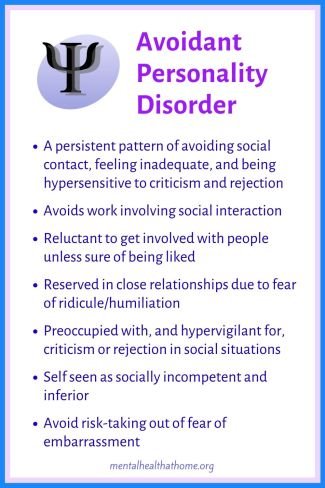
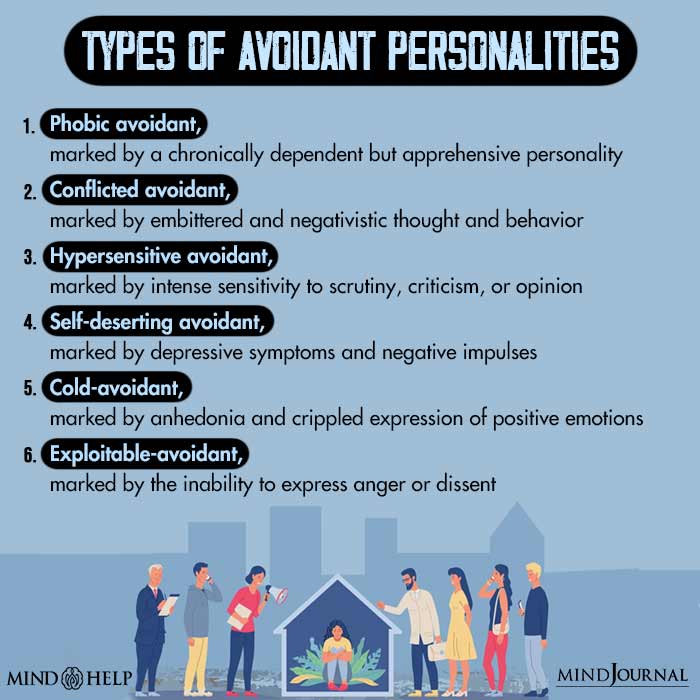
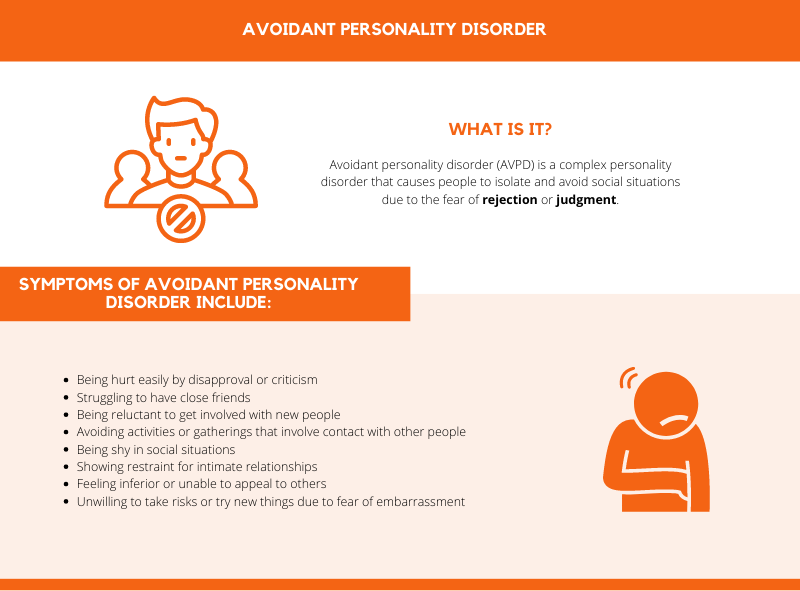
Avoidant Personality Disorder (AVPD) is a mental health condition that affects a person’s ability to form and maintain healthy relationships. It is marked by a pervasive pattern of social inhibition, feelings of inadequacy, and hypersensitivity to rejection. Understanding the causes and symptoms of AVPD is crucial in order to provide appropriate support and treatment for individuals suffering from this disorder.
Causes of Avoidant Personality Disorders
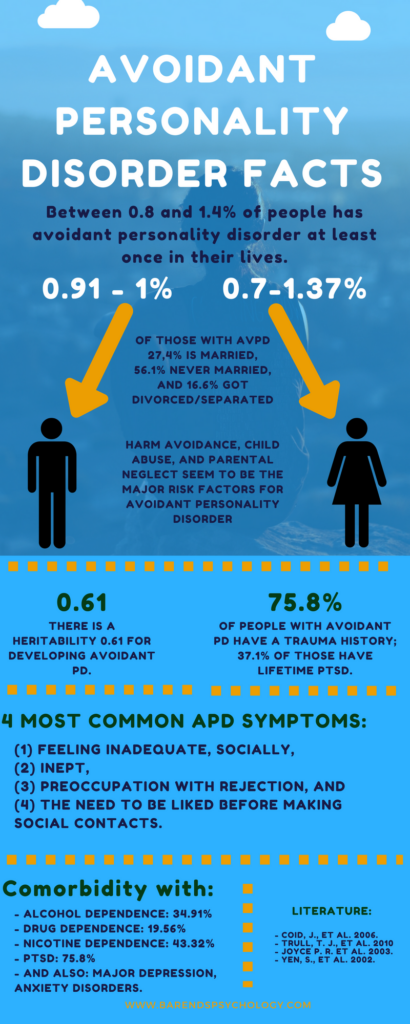
The exact cause of AVPD is unknown, but research suggests that both genetic and environmental factors play a role. People with a family history of anxiety or personality disorders are more likely to develop AVPD. Additionally, negative experiences such as childhood trauma, rejection, or bullying can contribute to the development of this disorder. It is important to remember that AVPD is not caused by personal weakness or character flaws, but rather by a combination of various factors.
Symptoms of Avoidant Personality Disorders
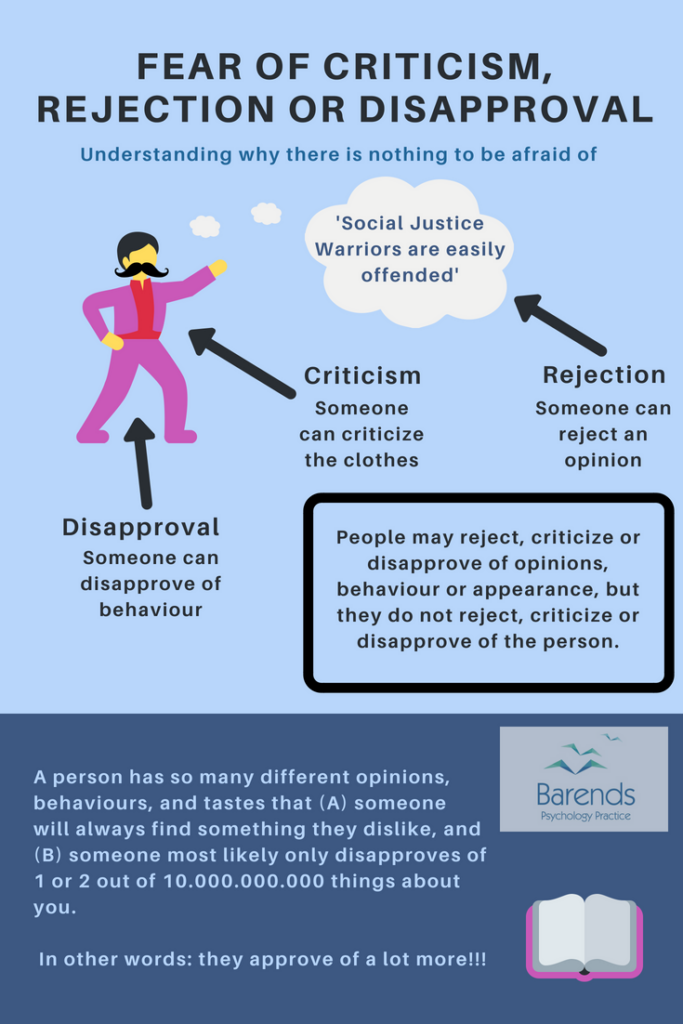
Identifying the symptoms of AVPD is essential for early intervention and treatment. Common symptoms include extreme shyness, fear of criticism or rejection, avoidance of social situations, reluctance to engage with others, low self-esteem, and difficulty establishing intimate relationships. People with AVPD often have a strong desire for companionship and connection, but their fear of rejection and criticism can prevent them from pursuing meaningful relationships.
Building Healthy Self-Esteem
Building healthy self-esteem is a crucial aspect of managing and overcoming AVPD. By recognizing your self-worth and challenging negative thoughts, you can develop a more positive self-image and improve your overall well-being.
Recognizing Your Self-Worth
It’s important to remember that everyone has inherent value and deserves to be treated with respect and kindness. Take time to reflect on your positive qualities and accomplishments, and remind yourself that you are deserving of love and acceptance. Surround yourself with supportive and positive influences that reinforce your self-worth.
Challenging Negative Thoughts
AVPD often leads to self-critical thoughts and beliefs. Challenge these negative thoughts by questioning their validity and replacing them with more positive and realistic self-talk. Practice self-compassion by treating yourself with kindness and understanding, just as you would a close friend.
Practicing Self-Compassion
Developing self-compassion involves treating yourself with kindness and understanding, even in difficult situations. Acknowledge and validate your emotions, and remind yourself that it is okay to make mistakes or face challenges. Cultivate self-compassion through acts of self-care and self-acceptance.
Setting Realistic Goals
Setting realistic goals can help you build confidence and a sense of achievement. Break down larger tasks into smaller, manageable steps, and celebrate each milestone along the way. By setting achievable goals, you can gradually overcome avoidance and develop a healthier sense of self.
Developing Social Skills
Improving social skills is essential for individuals with AVPD, as it can alleviate feelings of isolation and enhance their ability to build meaningful connections with others.
Practicing Active Listening
Active listening involves fully engaging in a conversation and genuinely paying attention to the speaker. Maintain eye contact, nod to show understanding, and ask relevant follow-up questions. By practicing active listening, you can demonstrate your interest in others and foster deeper connections.
Improving Nonverbal Communication
Nonverbal communication plays a significant role in social interactions. Pay attention to your body language, facial expressions, and tone of voice. Practice positive and open gestures, such as smiling and maintaining an open posture, to make others feel more comfortable and approachable. Nonverbal cues can enhance effective communication and reduce misunderstandings.
Assertiveness Training
Developing assertiveness skills can help individuals with AVPD express their needs and boundaries in a clear and respectful manner. Practice assertive communication by using “I” statements and expressing your thoughts and feelings directly. Learning to assert yourself can empower you to establish healthier relationships built on mutual respect.
Joining Supportive Groups
Seeking support from others who understand and empathize with your experiences can be incredibly beneficial. Joining support groups or community organizations focused on mental health can provide a safe and non-judgmental space to share your thoughts and feelings. Engaging with individuals who have similar struggles can foster connections and a sense of belonging.
Managing Anxiety
Anxiety is often a significant factor in AVPD, and learning effective strategies to manage anxiety can significantly improve well-being and quality of life.
Identifying Anxiety Triggers
Understanding what triggers your anxiety can help you develop strategies to manage it effectively. Keep a journal to track situations, thoughts, or events that cause feelings of anxiety. By identifying patterns and triggers, you can develop coping mechanisms to prevent or minimize anxiety symptoms.
Learning Stress Management Techniques
Stress management techniques, such as deep breathing exercises, mindfulness meditation, and progressive muscle relaxation, can help individuals with AVPD reduce anxiety and promote relaxation. Experiment with different techniques to find what works best for you. Regular practice can help you develop a sense of calm and emotional balance.
Relaxation Exercises
Engaging in regular relaxation exercises can help reduce anxiety symptoms. Practice deep breathing exercises, visualizations, or engage in activities such as yoga or tai chi. These exercises can help calm the mind and body, reducing stress and anxiety.
Deep Breathing Techniques
Deep breathing techniques can be a simple yet effective way to manage anxiety in the moment. Practice deep belly breathing, inhaling deeply through your nose and exhaling slowly through your mouth. Deep breathing exercises help activate the body’s relaxation response, reducing feelings of anxiety and promoting a sense of calm.
Seeking Professional Help
If you are struggling with AVPD, seeking professional help is vital. A qualified therapist can provide the support and guidance needed to effectively manage and overcome this disorder.
Finding a Qualified Therapist
When seeking a therapist, look for someone who specializes in treating personality disorders, anxiety, or related mental health concerns. It’s essential to find a therapist you feel comfortable with and who understands your unique needs. Consider factors such as their experience, credentials, and approach to therapy.
Exploring Different Therapy Approaches
Various therapy approaches have been found effective in treating AVPD. Cognitive-Behavioral Therapy (CBT) can help individuals challenge negative thought patterns and develop healthier coping mechanisms. Psychodynamic therapy may explore underlying emotional issues and past experiences that contribute to AVPD. Discuss with your therapist the best approach for your specific needs.
Individual vs. Group Therapy
Both individual and group therapy can be beneficial for individuals with AVPD. Individual therapy provides a safe space to explore personal challenges and experiences, while group therapy offers the opportunity to practice social skills and receive support from peers facing similar struggles. Talk to your therapist to determine which format suits your needs better.
Medication Options
In some cases, medication may be prescribed to help manage symptoms of AVPD, particularly if there are co-occurring conditions such as anxiety or depression. Antidepressants or anti-anxiety medications may be prescribed under the supervision of a psychiatrist. It’s important to note that medication should always be used in conjunction with therapy and under the guidance of a healthcare professional.
Maintaining Healthy Relationships
Building and maintaining healthy relationships is crucial for overall well-being and happiness. The following strategies can help individuals with AVPD foster strong and supportive connections with others.
Open Communication
Effective communication is the foundation of healthy relationships. Practice open and honest communication by expressing your thoughts, feelings, and needs in a respectful manner. Be willing to listen actively and be open to constructive feedback.
Setting Boundaries
Setting and maintaining boundaries is essential in any relationship. Understand your personal limits and communicate them clearly to others. Healthy boundaries help protect your emotional well-being and ensure that your needs are respected.
Addressing Conflict Assertively
Conflict is a natural part of any relationship, but it’s how we handle it that matters. Practice assertiveness when addressing conflicts or disagreements. Assertive communication involves expressing your thoughts and feelings constructively while respecting the rights and opinions of others. Seek compromise and work towards solutions together.
Building Trust
Trust is the foundation of any healthy relationship. Act with integrity and be reliable. Keep your commitments and be consistent in your actions. By building trust, you create a solid foundation for meaningful and lasting connections.
Creating a Supportive Environment
Creating a supportive environment involves surrounding yourself with positive people, avoiding toxic relationships, evaluating your social network, and seeking genuine connections.
Surrounding Yourself with Positive People
Positive influences can significantly impact your mental health and well-being. Surround yourself with people who uplift you, support you, and inspire you to be the best version of yourself. Positive relationships can provide a sense of belonging and encourage personal growth.
Avoiding Toxic Relationships
Toxic relationships can be detrimental to your mental health and self-esteem. Identify relationships that drain your energy, cause excessive negativity, or undermine your self-worth. It may be necessary to distance yourself or establish boundaries with individuals who perpetuate toxic dynamics.
Evaluating Your Social Network
Take time to evaluate your social network and reflect on the quality of your relationships. Consider the individuals who genuinely support and value you, and those who do not. Surround yourself with people who contribute positively to your life and well-being.
Seeking Genuine Connections
Seek out individuals with whom you can form genuine connections. Engage in activities or join groups that align with your interests and values. By seeking out like-minded individuals, you increase the likelihood of forming authentic and fulfilling relationships.
Developing Coping Mechanisms
Developing healthy coping mechanisms can help individuals with AVPD manage stress, regulate emotions, and improve overall well-being.
Engaging in Relaxing Activities
Engaging in activities that promote relaxation and enjoyment can help reduce stress and improve mood. Find activities that you find calming or pleasurable, such as reading, painting, or spending time in nature. Prioritize self-care and make time for activities that bring you joy.
Practicing Mindfulness Meditation
Mindfulness meditation involves focusing on the present moment with non-judgmental awareness. Regular practice can help reduce anxiety, increase self-acceptance, and improve overall mental well-being. Explore different mindfulness techniques, such as guided meditations or mindful breathing exercises, to find what works best for you.
Journaling
Journaling can be a valuable tool for self-reflection and emotional regulation. Write down your thoughts, feelings, and experiences on a regular basis. This practice can help you process emotions, gain self-insight, and alleviate stress.
Seeking Creative Outlets
Engaging in creative activities can provide an outlet for self-expression and emotional release. Explore activities such as writing, painting, playing a musical instrument, or dancing. These creative outlets can serve as a form of therapy and allow you to channel your emotions in a healthy and constructive way.
Taking Care of Your Physical Health
Taking care of your physical health is essential for overall well-being and can have a positive impact on your mental health as well.
Getting Adequate Sleep
Adequate sleep is crucial for maintaining good mental health. Aim for 7-9 hours of quality sleep each night. Establish a bedtime routine, create a relaxing sleep environment, and prioritize sleep hygiene practices.
Maintaining a Balanced Diet
Eating a balanced diet can support your physical and mental well-being. Include a variety of nutrient-rich foods, such as fruits, vegetables, whole grains, lean proteins, and healthy fats. Stay hydrated and limit the consumption of caffeine, alcohol, and processed foods.
Regular Exercise
Regular exercise has numerous mental health benefits. Engaging in physical activity releases endorphins, reduces stress, and improves mood. Find activities you enjoy, such as walking, jogging, dancing, or yoga, and make exercise a regular part of your routine.
Avoiding Substance Abuse
Substance abuse can exacerbate symptoms of AVPD and negatively impact mental health. Avoiding drugs and excessive alcohol consumption is crucial for managing and overcoming this disorder. Seek healthier coping mechanisms and support from professionals if substance abuse becomes a concern.
Educating Yourself and Others
Educating yourself and others about AVPD can help reduce stigma, foster understanding, and create a more supportive environment for individuals living with this disorder.
Understanding Avoidant Personality Disorders
Take the time to educate yourself about AVPD. Learn about its causes, symptoms, and treatment options. Understanding AVPD can help reduce misconceptions and promote empathy towards individuals living with this disorder.
Reducing Stigma and Misconceptions
AVPD, like many mental health conditions, can be stigmatized and misunderstood. Educate others about AVPD to reduce stigma and promote empathy and understanding. Share accurate information and challenge stereotypes or misconceptions when they arise.
Supporting Advocacy Movements
Support advocacy movements and organizations dedicated to raising awareness about AVPD and advocating for improved mental health resources and support. By lending your voice and support, you contribute to a more compassionate and inclusive society for individuals living with AVPD.
In conclusion, understanding and managing avoidant personality disorders requires a comprehensive approach. By developing healthy self-esteem, enhancing social skills, managing anxiety, seeking professional help, maintaining healthy relationships, creating a supportive environment, developing coping mechanisms, taking care of physical health, and educating yourself and others, you can navigate the challenges associated with AVPD and work towards a healthier and more fulfilling life. Remember, you are not alone, and with the right support and strategies, you can overcome the obstacles presented by AVPD and build meaningful connections with others.