
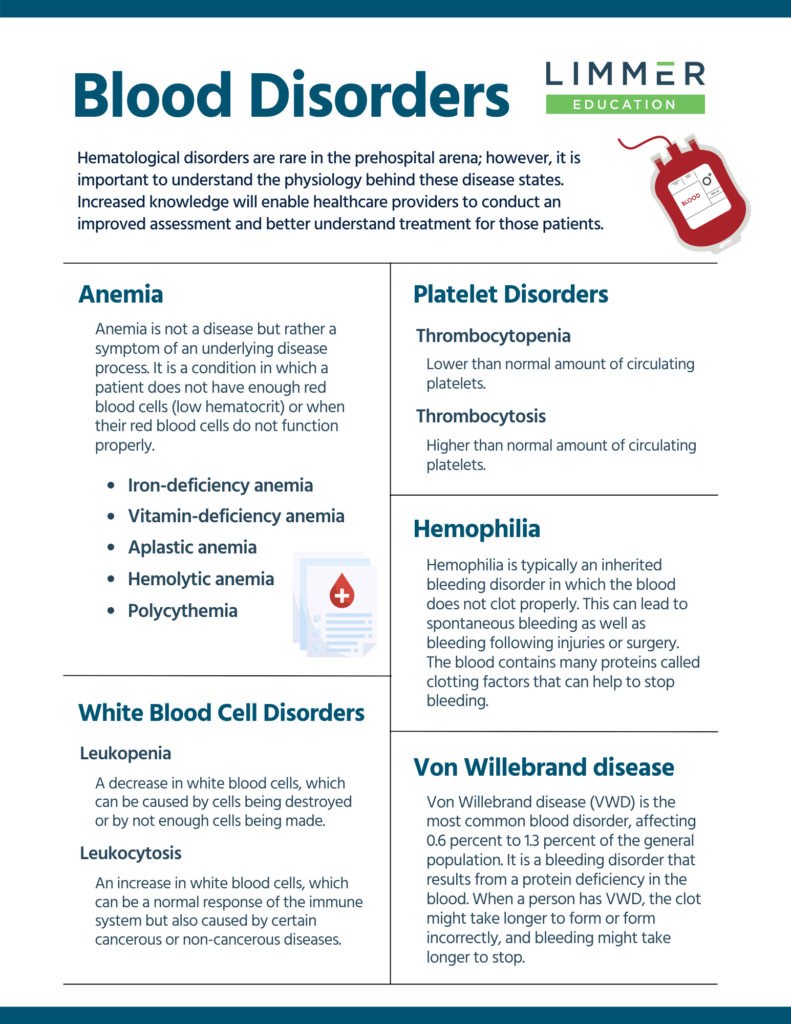
In this article, you will discover valuable tips and techniques on how to prevent blood disorders and maintain good overall health. By implementing simple lifestyle changes and adopting healthy habits, you can effectively safeguard yourself against various blood-related conditions. From embracing a balanced diet to incorporating regular exercise into your routine, these preventive measures will empower you to take charge of your well-being and promote optimal blood health. So, let’s explore these strategies and unlock the path to a healthier, more vibrant life.
Maintain a Healthy Diet
Eat a Balanced and Nutritious Diet
Maintaining a healthy diet is essential to prevent blood disorders and promote overall well-being. By consuming a balanced and nutritious diet, you provide your body with the necessary vitamins, minerals, and nutrients it needs to function optimally. Include a variety of fruits, vegetables, whole grains, lean proteins, and healthy fats in your meals to ensure you are getting a wide range of essential nutrients.
Avoid Excess Sugar and Processed Foods
Excess sugar and processed foods can have detrimental effects on your overall health, including an increased risk of blood disorders. These types of foods often lack vital nutrients and are high in calories, unhealthy fats, and additives. Instead, opt for natural sugars found in fruits and limit your intake of processed foods. This will help to maintain stable blood sugar levels and avoid unnecessary health complications.
Include Iron-Rich Foods
Iron deficiency is a common cause of blood disorders, such as anemia. To prevent this, it is important to include iron-rich foods in your diet, such as lean meats, seafood, leafy green vegetables, beans, and fortified cereals. Iron is necessary for the production of hemoglobin, the protein responsible for carrying oxygen in your blood. By ensuring an adequate intake of iron, you can promote healthy red blood cell production and prevent blood disorders.
Consume Foods High in Vitamin C and E
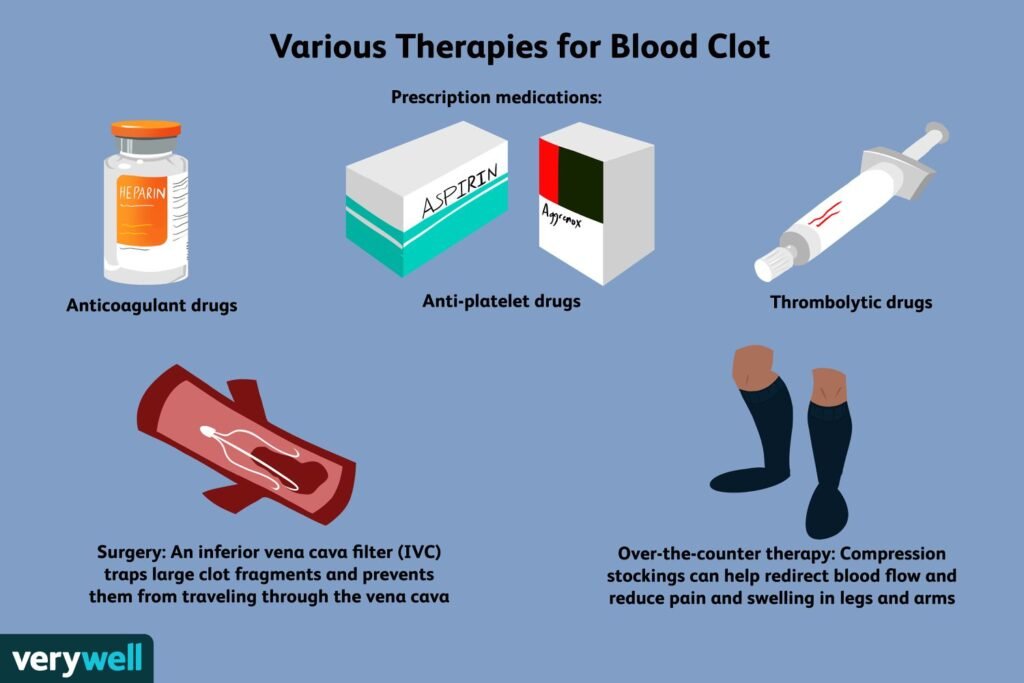
Vitamins C and E are essential for maintaining a healthy cardiovascular system and preventing blood disorders. Vitamin C is a powerful antioxidant that helps protect your blood cells from damage. Citrus fruits, strawberries, bell peppers, and broccoli are excellent sources of vitamin C. Vitamin E, on the other hand, helps prevent blood clotting and promotes healthy blood flow. Nuts, seeds, spinach, and avocados are all rich in vitamin E and should be incorporated into your diet.
Incorporate Omega-3 Fatty Acids
Omega-3 fatty acids have numerous health benefits, including reducing inflammation and improving blood flow. These essential fats can help prevent blood disorders by reducing the risk of clot formation and maintaining healthy blood vessels. Fatty fish like salmon and mackerel, as well as flaxseeds, chia seeds, and walnuts, are all excellent sources of omega-3 fatty acids. Including these foods in your diet can contribute to the prevention of blood disorders and promote overall cardiovascular health.
Stay Hydrated
Drink Sufficient Water
Staying hydrated is crucial for maintaining optimal blood function and preventing blood disorders. Water helps transport nutrients, oxygen, and waste products throughout your body, ensuring that your blood cells can perform their functions efficiently. Aim to drink at least eight glasses of water per day, or more if you are physically active or live in a hot climate. Remember to listen to your body’s thirst signals and drink water whenever you feel thirsty.
Limit Alcohol Intake
Excessive alcohol consumption can have negative effects on your blood cells and increase the risk of blood disorders. Chronic alcohol abuse can lead to liver damage, which can affect the production and function of various blood cells. It is important to drink alcohol in moderation and follow the recommended guidelines, which typically advise no more than one drink per day for women and two drinks per day for men.
Avoid Excessive Caffeine Consumption
While moderate caffeine consumption is generally safe for most people, excessive intake can lead to negative effects on your blood health. High amounts of caffeine can cause an increase in heart rate and blood pressure, potentially leading to complications such as arrhythmias or blood clotting disorders. It is important to limit your caffeine intake and be mindful of any signs of sensitivity or adverse effects on your blood function.
Maintain a Healthy Weight
Adopt a Regular Exercise Routine
Regular physical activity is an essential component of maintaining a healthy weight and preventing blood disorders. Engaging in aerobic exercises, such as brisk walking, jogging, cycling, or swimming, helps improve cardiac function and blood flow throughout your body. Aim for at least 150 minutes of moderate-intensity exercise or 75 minutes of vigorous-intensity exercise per week to promote overall cardiovascular health and prevent blood disorders.
Balance Caloric Intake and Energy Expenditure
Maintaining a healthy weight involves balancing the number of calories you consume with the number of calories you burn through physical activity. Consuming excessive calories can lead to weight gain and increase the risk of developing blood disorders such as high blood pressure or diabetes. On the other hand, consuming too few calories can result in nutrient deficiencies and weaken your immune system. It is important to find a balance and seek guidance from a healthcare professional or registered dietitian to establish a personalized plan.
Consult with a Healthcare Professional for Guidance
If you are unsure about how to maintain a healthy weight or have concerns about your blood health, it is always beneficial to consult with a healthcare professional. They can provide personalized guidance, recommend appropriate exercise routines and dietary changes, and help monitor your progress. Additionally, they can help identify any underlying conditions or risk factors for blood disorders, ensuring early intervention and prevention.
Quit Smoking
Seek Supportive Programs for Smoking Cessation
Smoking cigarettes is a well-known risk factor for numerous health conditions, including blood disorders. The chemicals present in tobacco smoke can damage your blood cells, affect blood clotting mechanisms, and increase the risk of cardiovascular disease. Quitting smoking is one of the best ways to prevent blood disorders and improve overall health. There are many supportive programs available, such as counseling or nicotine replacement therapies, that can greatly increase your chances of successfully quitting.
Consider Nicotine Replacement Therapies
Nicotine replacement therapies, including nicotine gum, patches, or nasal sprays, can be useful tools to help quit smoking. These products deliver nicotine to your body without the harmful chemicals found in tobacco smoke. By gradually reducing your nicotine dependence, you can significantly improve your chances of quitting smoking successfully and prevent blood disorders associated with tobacco use.
Engage in Healthy Coping Mechanisms
Quitting smoking can be challenging, and it is important to develop healthy coping mechanisms to manage cravings and withdrawal symptoms. Engaging in activities such as exercise, deep breathing, meditation, or spending time with supportive friends and family can help distract from cravings and reduce stress. Finding healthier alternatives and implementing stress management techniques can greatly aid in quitting smoking and preventing blood disorders.
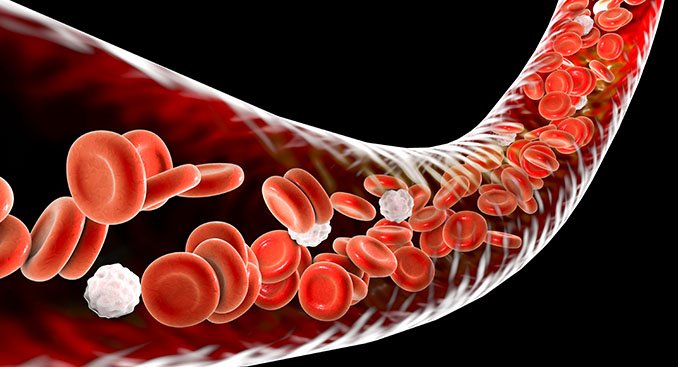
Manage Chronic Conditions
Follow Treatment Plans for Existing Conditions
If you have been diagnosed with a chronic condition, such as high blood pressure or diabetes, it is crucial to follow your prescribed treatment plan. Consistently taking medication as directed, attending regular check-ups, and following lifestyle modifications recommended by your healthcare provider can help prevent complications associated with these conditions. By effectively managing chronic conditions, you can reduce the risk of developing blood disorders and maintain your overall health.
Monitor Blood Pressure and Blood Sugar Levels
Regular monitoring of your blood pressure and blood sugar levels is essential for preventing blood disorders. High blood pressure and uncontrolled diabetes can damage blood vessels, impair blood flow, and increase the risk of conditions such as stroke or thrombosis. By monitoring these levels and seeking medical intervention if necessary, you can prevent the progression of blood disorders and minimize their potential complications.
Take Prescribed Medications as Directed
If you have been prescribed medication for a chronic condition or blood disorder, it is essential to take them as directed by your healthcare provider. Adhering to the prescribed dosage and frequency of medication ensures that your body receives the necessary treatment and reduces the likelihood of further complications. If you have any concerns or experience side effects, it is important to discuss them with your healthcare provider before making any changes.
Regularly Visit Healthcare Providers for Check-ups
Regular check-ups with your healthcare providers are vital for preventing blood disorders and maintaining overall health. During these visits, your healthcare provider can monitor your blood cell counts, assess your risk factors for developing blood disorders, and provide necessary interventions or adjustments to your treatment plan. These check-ups offer an opportunity for early detection and intervention, improving your chances of preventing or effectively managing blood disorders.
Prevent Infections
Practice Good Hand Hygiene
Practicing good hand hygiene is one of the simplest and most effective ways to prevent infections that can lead to blood disorders. Washing your hands thoroughly with soap and water for at least 20 seconds, especially before handling food and after using the restroom, can help remove harmful bacteria and viruses from your hands. If soap and water are not readily available, using an alcohol-based hand sanitizer with at least 60% alcohol content is a convenient alternative.
Maintain Up-to-date Immunizations
Immunizations are essential for preventing infections and protecting your overall health. Vaccines such as the flu shot, pneumococcal vaccine, and hepatitis B vaccine can help prevent infections that can lead to blood disorders or complications. It is important to stay up-to-date with recommended immunizations and discuss specific vaccines with your healthcare provider to ensure comprehensive protection.
Avoid Close Contact with Sick Individuals
Viruses and bacteria can easily spread through close contact with sick individuals. To reduce your risk of infection and prevent blood disorders, it is important to avoid close contact with individuals who are sneezing, coughing, or showing signs of illness. If you must be in close proximity to someone who is sick, consider wearing a face mask and practicing strict hand hygiene to minimize the risk of transmission.
Practice Safe Sex
Sexually transmitted infections (STIs) can have serious consequences on your overall health, including an increased risk of blood disorders. To prevent STIs and blood-related complications, it is important to engage in safe sex practices. This includes using barrier methods of contraception, such as condoms, and getting tested regularly for STIs. Open and honest communication with your sexual partners about sexual health and history is also crucial for prevention.
Avoid Environmental Toxins
Limit Exposure to Harmful Chemicals and Pollutants
Exposure to harmful chemicals and pollutants can have detrimental effects on your blood health and increase the risk of blood disorders. Avoiding or limiting exposure to pesticides, heavy metals, industrial chemicals, and air pollutants can significantly reduce your risk. When possible, choose natural and non-toxic alternatives for cleaning products, personal care items, and household chemicals. Additionally, ensure proper ventilation in your home and workplace to minimize exposure to indoor pollutants.
Protect Yourself from Industrial and Household Hazardous Materials
Certain occupations and household activities may involve exposure to hazardous materials, such as chemicals or toxic substances. It is important to take necessary precautions to protect yourself from these substances and prevent blood disorders. This can include wearing protective clothing, gloves, and masks, as well as following safety guidelines and regulations in your workplace or home. By minimizing exposure to hazardous materials, you can significantly reduce the risk of developing blood-related complications.
Properly Dispose of Medical Waste and Sharps
If you require regular medical treatments or have chronic conditions that require the use of sharps (such as needles or lancets), it is crucial to properly dispose of these items. Medical waste and sharps should be placed in puncture-proof containers and disposed of according to local regulations and guidelines. Proper disposal not only minimizes the risk of accidental injuries but also prevents the spread of infections that can lead to blood disorders.
Manage Stress Levels
Engage in Relaxation Techniques
Chronic stress can have negative effects on your overall health, including compromising your immune system and increasing the risk of blood disorders. Engaging in relaxation techniques, such as deep breathing exercises, meditation, yoga, or listening to calming music, can help reduce stress and promote overall well-being. Find activities that you enjoy and make time for relaxation and self-care in your daily routine.
Practice Regular Physical Activity
Physical activity is not only important for maintaining a healthy weight but also for managing stress levels and preventing blood disorders. Regular exercise releases endorphins, which are natural mood-boosting hormones that can help reduce stress and improve your overall mental well-being. Aim for at least 30 minutes of moderate-intensity exercise on most days of the week to reap the benefits for your physical and mental health.
Seek Support from Friends, Family, or Professionals
Managing stress levels can be challenging, and it is important to seek support when needed. Reach out to friends and family members who can provide a listening ear or offer guidance. Additionally, consider seeking professional help from therapists or counselors who specialize in stress management. Having a support system in place can significantly help in managing stress levels and reducing the risk of developing blood disorders associated with chronic stress.
Practice Safe Blood Transfusions and Medical Procedures
Ensure Proper Screening for Blood Donations
If you require a blood transfusion or any other medical procedures involving blood, it is crucial to ensure proper screening for blood donations. Blood should be thoroughly tested for diseases, such as HIV, hepatitis B and C, and other blood-borne infections. This helps minimize the risk of transfusion-related infections and prevents the development of blood disorders associated with contaminated blood products.
Follow Sterile Practices in Medical Settings
Medical procedures, surgeries, or even routine medical examinations can sometimes carry a risk of infection. It is essential to ensure that healthcare providers follow sterile practices and maintain a clean and hygienic environment. This includes proper hand hygiene, sterile equipment, and adherence to infection control protocols. By practicing strict sterile practices in medical settings, you can significantly reduce the risk of infections that may lead to blood disorders.
Discuss Risks and Benefits with Healthcare Providers
Before undergoing any medical procedure, it is important to have an open and honest conversation with your healthcare provider. Discuss the risks and benefits of the procedure, as well as any potential side effects or complications that may affect your blood health. This allows you to make informed decisions about your healthcare and take necessary precautions to prevent blood disorders associated with medical interventions.
Educate Yourself and Seek Early Medical Intervention
Stay Informed About Blood Disorders
Education is a powerful tool in preventing blood disorders and promoting early intervention. Take the time to educate yourself about different blood disorders, their risk factors, symptoms, and treatment options. Stay updated with current research and recommendations from trusted sources, such as healthcare providers or reputable medical websites. By staying informed, you can recognize potential warning signs and take proactive measures to prevent or manage blood disorders.
Recognize Symptoms and Warning Signs
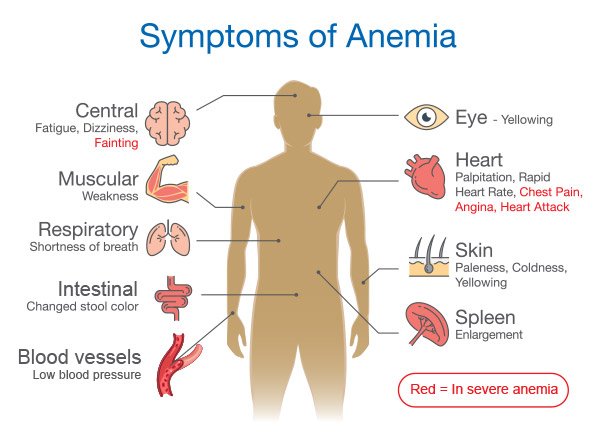
Being familiar with the common symptoms and warning signs of blood disorders is crucial for early detection and intervention. Symptoms can vary depending on the specific blood disorder but may include fatigue, weakness, pale skin, unexplained bleeding, frequent infections, or swollen lymph nodes. If you experience any of these symptoms or notice any abnormalities in your overall health, it is important to seek prompt medical attention to determine the underlying cause and prevent further complications.
Seek Prompt Medical Attention for Any Abnormalities
If you notice any abnormalities in your blood health, it is essential to seek prompt medical attention. Delaying or ignoring symptoms can lead to the progression of blood disorders and potential complications. Contact your healthcare provider or schedule an appointment to discuss your concerns and undergo necessary diagnostic tests or screenings. Early intervention can significantly improve the chances of successful treatment and prevention of blood disorders.
By following these guidelines and incorporating healthy habits into your lifestyle, you can take proactive measures to prevent blood disorders and maintain your overall health. Remember to consult with healthcare professionals, follow recommended guidelines, and stay informed to ensure comprehensive prevention and early intervention. Your commitment to a healthy lifestyle will contribute to your well-being and reduce the risk of blood disorders.