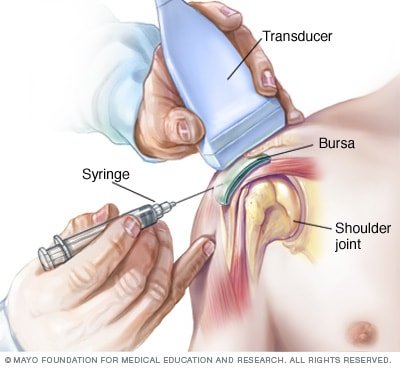
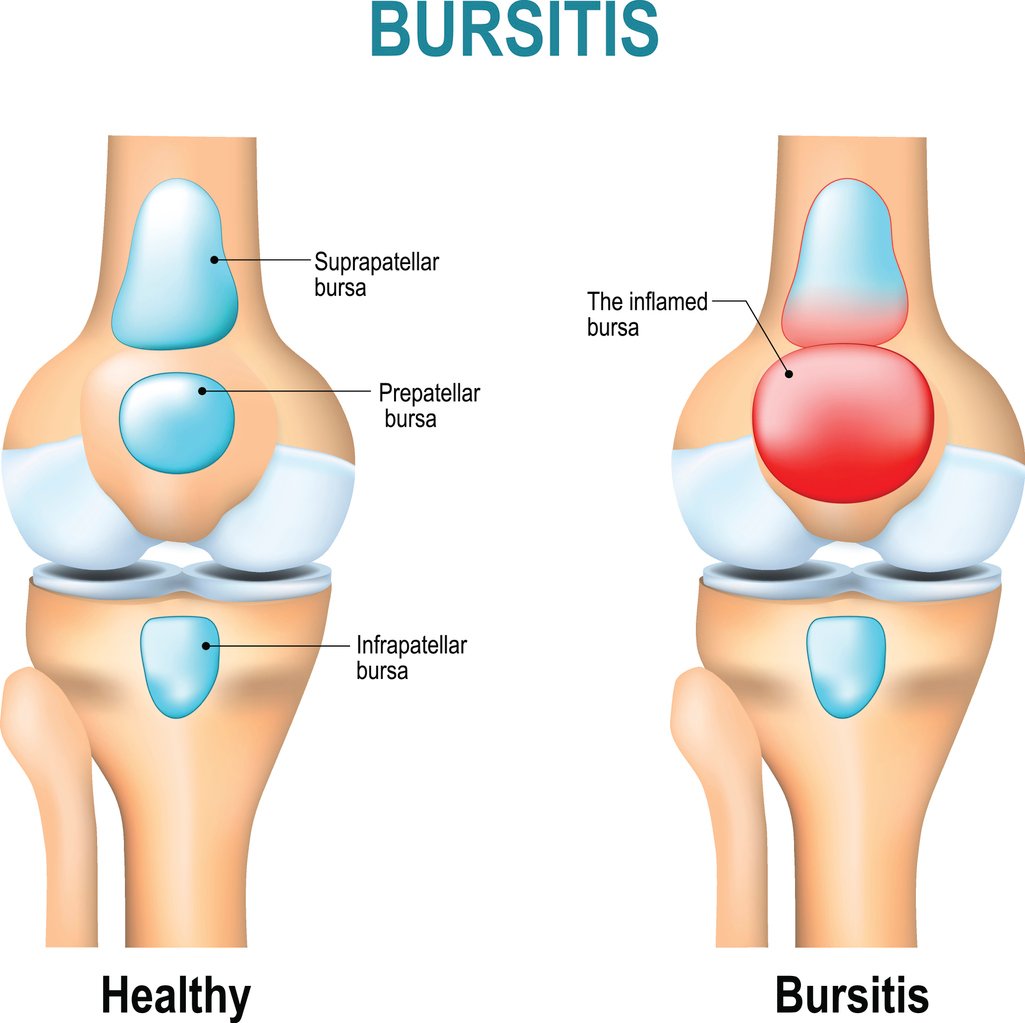
Bursitis, a condition characterized by the inflammation of the small, fluid-filled sacs that cushion bones and tendons, can be incredibly debilitating. Whether you’re an athlete, an office worker, or simply someone who enjoys staying active, bursitis can hinder your daily activities and cause significant pain. But fear not, there are practical steps you can take to prevent this troublesome condition from taking hold in your body. By maintaining proper posture, incorporating regular stretching and strengthening exercises, and avoiding repetitive movements, you can significantly reduce your risk of developing bursitis. So, if you’re ready to stay one step ahead of this pesky ailment, let’s dive into the world of bursitis prevention together.
Maintain Proper Posture
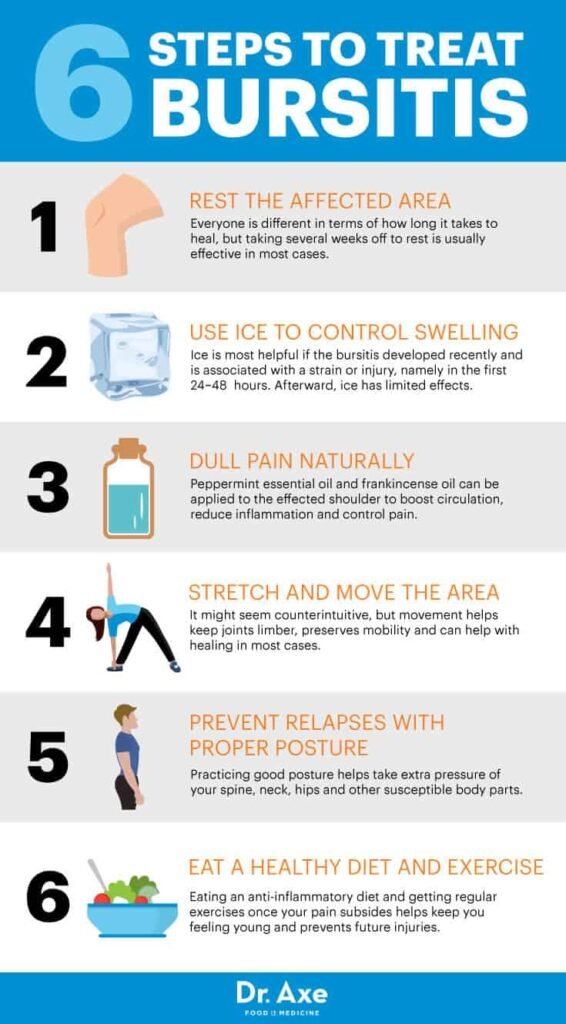
Maintaining proper posture is crucial for preventing bursitis and protecting your joints and muscles. When you slouch or hunch over, it puts excessive strain on your muscles and joints, making you more susceptible to injury. To maintain proper posture, imagine a string pulling you up from the top of your head, keeping your spine straight and shoulders back. It’s important to be mindful of your posture throughout the day, whether you’re sitting at a desk, standing, or walking.
Sit with Proper Posture
When sitting, make sure to sit up straight with your feet flat on the ground. Avoid crossing your legs, as this can cause uneven weight distribution and strain on your hips and knees. Place your computer monitor at eye level to prevent neck strain, and use a chair that provides proper support for your lower back. Remember to take short breaks to stand up and stretch periodically, as sitting for long periods can lead to muscle stiffness and a higher risk of bursitis.
Stand with Proper Posture
When standing, distribute your weight evenly on both feet and avoid locking your knees. Keep your shoulders back and relaxed, and engage your core muscles to support your spine. If you need to stand for an extended period, try to alternate your weight between your feet or use a footrest to relieve pressure on your lower limbs. Practicing good posture while standing will help prevent unnecessary strain on your muscles and joints, reducing the risk of bursitis.
Prevent Overuse and Repetitive Movements
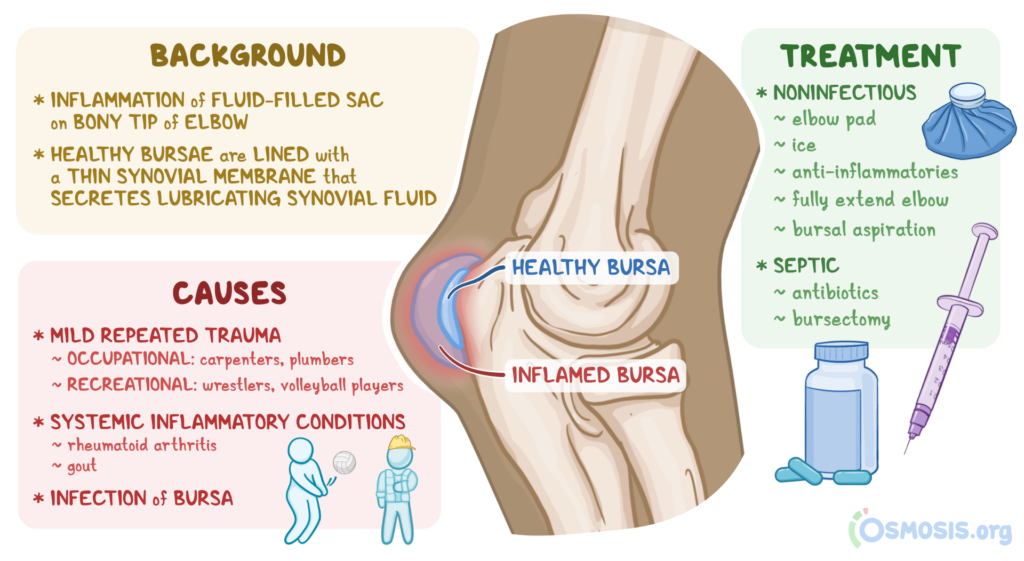
Overuse and repetitive movements are common causes of bursitis. When you engage in repetitive activities, such as typing, playing sports, or lifting heavy objects, it can strain your muscles and tendons, leading to inflammation and eventually bursitis. To prevent overuse injuries, it’s important to be mindful of your body’s limits and take breaks from repetitive movements.
Take Frequent Breaks
If you have a job that requires repetitive motions, such as typing or assembly line work, make sure to take frequent breaks. Stand up, stretch, and move around every hour or so to give your muscles and joints a rest. Consider incorporating micro-breaks into your routine, where you take a short break every 15 to 30 minutes to perform simple stretches or change your position. These breaks will help reduce the strain and stress on your body, minimizing the risk of developing bursitis.
Modify Your Movements
If you find yourself constantly performing repetitive movements, try to modify your techniques to minimize the strain on your body. For example, when typing, use an ergonomic keyboard and position it at a height that allows your wrists to remain neutral. If you lift heavy objects, make sure to use proper lifting techniques, such as bending at your knees and keeping your back straight. By making these small adjustments, you can prevent overuse injuries that may lead to bursitis.
Take Regular Breaks
Taking regular breaks is essential for preventing bursitis and maintaining healthy joints and muscles. When you engage in prolonged, repetitive activities without breaks, it puts excessive strain on your body and increases the risk of developing bursitis. By incorporating regular breaks into your routine, you allow your body time to rest, recover, and reduce the risk of overuse injuries.
Follow the 20-20-20 Rule
One effective way to remember to take regular breaks is to follow the 20-20-20 rule. Every 20 minutes, take a 20-second break and focus your eyes on an object at least 20 feet away. This simple exercise helps relax your eye muscles and reduces eye strain. During these breaks, take the opportunity to stretch or perform simple movements that promote circulation and flexibility. By incorporating these regular breaks into your work or daily activities, you can prevent bursitis and improve your overall well-being.
Listen to Your Body
Pay attention to any discomfort or signs of fatigue in your body, as these are indicators that you may need a break. It’s important to listen to your body and give it the rest it needs. If you experience any pain or stiffness in your muscles or joints, take a break and use that time to stretch and relax the affected areas. Ignoring these signals can lead to further injury and increase the likelihood of developing bursitis. Remember, taking breaks is not a sign of weakness but a proactive way to protect your body from overuse and promote long-term joint health.
Use Proper Body Mechanics
Using proper body mechanics is essential in preventing bursitis and avoiding unnecessary strain on your muscles and joints. Whether you’re lifting objects, exercising, or performing daily activities, using the right techniques can significantly reduce the risk of bursitis and other injuries.
Lift with Your Legs
When lifting heavy objects, it’s crucial to use your leg muscles and not just your back. Bend at your knees and keep your back straight as you lift the object. This technique helps distribute the weight evenly and reduces strain on your back. Avoid twisting your body while lifting, as this puts additional stress on your spine and increases the risk of bursitis.
Practice Proper Body Alignment
Maintaining good body alignment is important in preventing bursitis and promoting overall musculoskeletal health. Whether you’re sitting, standing, or performing physical activities, pay attention to your body alignment. Keep your head, shoulders, and hips in line with each other, and engage your core muscles to support your spine. By practicing proper body alignment, you reduce the risk of putting excessive strain on specific joints or muscles, lowering the likelihood of developing bursitis.
Wear Appropriate Footwear
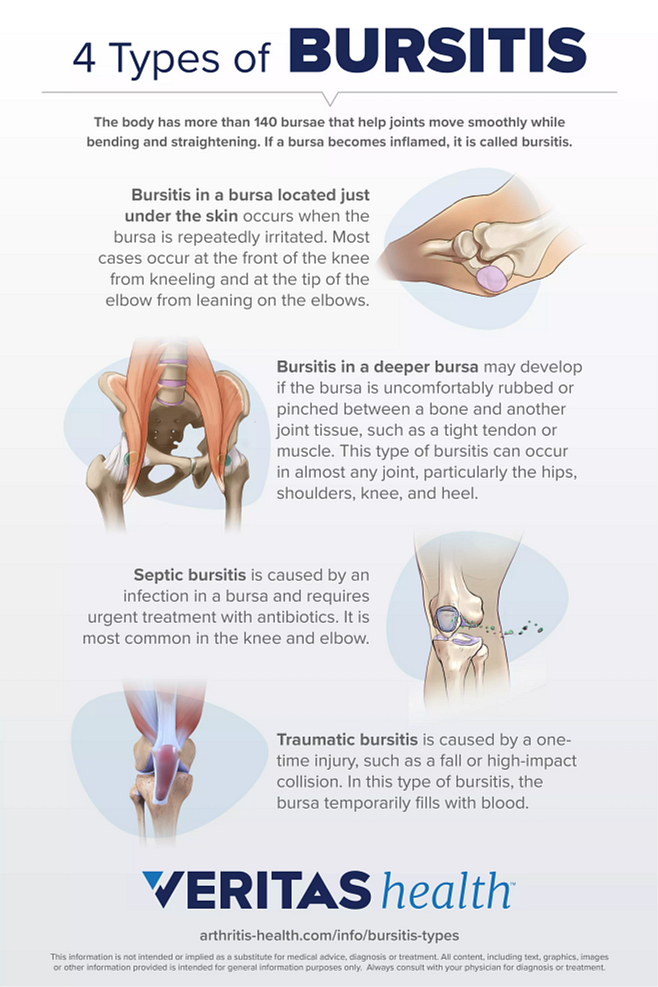
Choosing and wearing appropriate footwear is vital to prevent bursitis and protect your feet, ankles, and knees. The right shoes provide adequate support, cushioning, and stability, reducing the impact on your joints and minimizing the risk of bursitis.
Choose Shoes with Proper Arch Support
When selecting shoes, prioritize those that offer proper arch support. Arch support helps distribute your body weight evenly and reduces stress on your feet and ankles. Look for shoes that have a supportive arch and a cushioned sole. If you have specific foot conditions, such as flat feet or high arches, consult with a podiatrist to find the most suitable footwear for your needs.
Ensure Proper Fit and Comfort
Ill-fitting shoes can contribute to foot and joint problems, including bursitis. When purchasing shoes, make sure they fit well and allow room for your toes to move freely. Your shoes should be comfortable from the moment you try them on, without needing a “break-in” period. Walk around in the shoes and ensure they provide sufficient stability and don’t cause any discomfort or rubbing. Remember, wearing shoes that fit properly is essential in preventing bursitis and maintaining optimal foot health.
Gradually Increase Exercise Intensity
Regular exercise is important for overall health and well-being, but it’s crucial to gradually increase the intensity of your workouts to prevent bursitis. Sudden and excessive increases in activity or intensity can strain your muscles, tendons, and joints, potentially leading to inflammation and bursitis.
Start Slowly
If you’re starting a new exercise program or trying a new activity, it’s essential to start slowly and gradually increase the intensity over time. This allows your body to adapt and build strength, reducing the risk of overuse injuries. For example, if you’re beginning a running routine, start with a combination of walking and jogging, gradually increasing your running time and distance. By taking it slow and giving your body time to adjust, you lower the chances of developing bursitis.
Listen to Your Body
Pay attention to your body’s signals during exercise. If you experience any pain, discomfort, or unusual sensations, it’s important to listen to your body and take a break. Pushing through pain or ignoring warning signs can lead to injuries such as bursitis. If you’re unsure about the correct form or techniques for a particular exercise, consider working with a certified personal trainer who can guide you and ensure you’re using proper mechanics to prevent bursitis.
Avoid Excessive Weightlifting
Weightlifting is an excellent way to build strength and muscle mass, but excessive or improper weightlifting techniques can increase the risk of bursitis and other injuries. It’s important to find the right balance and follow proper techniques to protect your muscles and joints.
Gradually Increase Weight and Repetitions
When weightlifting, it’s crucial to gradually increase the weight and repetitions over time. This progressive overload allows your muscles and connective tissues to adapt and strengthen without overstraining and increasing the risk of bursitis. Start with light weights and focus on maintaining proper form and technique. As you become more comfortable and your strength improves, gradually increase the weight and repetitions under the guidance of a qualified fitness professional.
Use Proper Form
Using proper form and technique is essential in weightlifting to prevent bursitis. Improper form can put excessive stress on your joints and muscles, leading to injury. Before starting a weightlifting program, consider working with a certified strength and conditioning specialist who can teach you the correct form for different exercises. They will focus on your body mechanics and ensure that you’re using the appropriate techniques to protect your joints and prevent bursitis.
Use Protective Equipment
Using protective equipment is crucial in preventing bursitis, particularly in sports and activities that involve high impact or repetitive movements. Protective gear provides an additional layer of support, cushioning, and stabilization, reducing the risk of bursitis and other injuries.
Sports and Impact Activities
If you participate in sports or activities with a high risk of joint impact, wearing appropriate protective gear is essential. For example, in contact sports like football or hockey, wearing helmets, pads, and specially designed shoes can help absorb shock and protect vulnerable areas. Additionally, using knee pads or wrist guards during activities like skating or skateboarding can help prevent bursitis in the joints subjected to repeated impacts.
Supportive Braces and Straps
In certain situations, utilizing supportive braces or straps can help protect your joints and prevent bursitis. For instance, if you have a history of ankle sprains or instability, wearing an ankle brace can provide stability and reduce the risk of bursitis. Similarly, wearing a knee brace during activities that put stress on your knees, such as running or jumping, can help reduce the risk of inflammation and bursitis.
Maintain a Healthy Weight
Maintaining a healthy weight is essential for preventing bursitis and reducing stress on your joints. Excess weight puts additional strain on your muscles and joints, increasing the risk of inflammation and bursitis. Maintaining a healthy weight through a balanced diet and regular exercise can significantly reduce the chances of developing bursitis.
Balanced Diet
Eating a balanced diet rich in fruits, vegetables, whole grains, lean proteins, and healthy fats plays a critical role in maintaining a healthy weight. Avoid excessive consumption of processed foods, sugary drinks, and unhealthy snacks. Instead, opt for nutritious, low-calorie foods that provide essential nutrients while keeping your calorie intake in check. A balanced diet will support overall health as well as weight management.
Regular Exercise
Regular exercise, in addition to a healthy diet, is vital for maintaining a healthy weight. Engaging in physical activities that you enjoy, such as walking, swimming, or cycling, helps burn calories, build strength, and improve cardiovascular health. Aim for at least 150 minutes of moderate-intensity exercise or 75 minutes of vigorous-intensity exercise each week to support weight management and overall well-being.
Warm Up and Cool Down Properly
Warming up and cooling down properly before and after physical activity is essential for preventing bursitis and reducing the risk of injury. By preparing your muscles, tendons, and joints for exercise and allowing them to recover afterwards, you can minimize the likelihood of developing bursitis.
Warm Up
Before starting any physical activity, it’s important to warm up your body to increase blood flow and loosen up your muscles. Begin with five to ten minutes of light cardiovascular exercises, such as brisk walking or jogging, to gradually raise your heart rate. Follow this with dynamic stretches that target the specific muscles and joints you will be using during your workout. Warming up primes your body for activity and reduces the risk of muscle strains and bursitis.
Cool Down
Just as warming up is essential, cooling down after exercise is equally important. Cooling down allows your heart rate and breathing to return to normal gradually and helps remove waste products from your muscles. Perform low-intensity exercises, such as walking or gentle stretching, for at least five to ten minutes after your main workout. This will assist in the recovery process, minimize muscle soreness, and decrease the risk of developing bursitis.
By following these preventive measures and incorporating them into your lifestyle, you can significantly reduce the risk of developing bursitis. Maintaining proper posture, avoiding overuse and repetitive movements, taking regular breaks, using proper body mechanics, wearing appropriate footwear, gradually increasing exercise intensity, avoiding excessive weightlifting, using protective equipment, maintaining a healthy weight, and warming up and cooling down properly are all crucial steps in preventing bursitis and promoting overall musculoskeletal health. Remember, prevention is always better than treatment, so take care of your body and prioritize its well-being. With these simple guidelines, you can enjoy a healthier, more active lifestyle while minimizing the risk of bursitis.