
Cervical cancer is a serious health concern that affects millions of women worldwide. Knowing how to prevent this potentially life-threatening disease is crucial for every woman. In this article, you will discover important steps you can take to safeguard yourself from cervical cancer, ensuring a healthier and happier future. From regular screenings to lifestyle changes, we will explore simple yet effective strategies that can significantly reduce your risk. So, let’s arm ourselves with knowledge and empower ourselves in the fight against cervical cancer!
Regular Screening and Vaccination
Regular screening and vaccination are essential for the prevention of cervical cancer. By undergoing regular screenings and receiving the HPV vaccine, you can significantly reduce your risk of developing this potentially life-threatening disease.
Importance of Regular Screening
Regular screenings are crucial for the early detection of any abnormal changes in the cervix that may indicate the presence of cervical cancer or pre-cancerous cells. By detecting these changes early on, treatment can be initiated promptly, increasing the chances of successful outcomes and reducing the need for more invasive procedures.
Types of Screening Tests
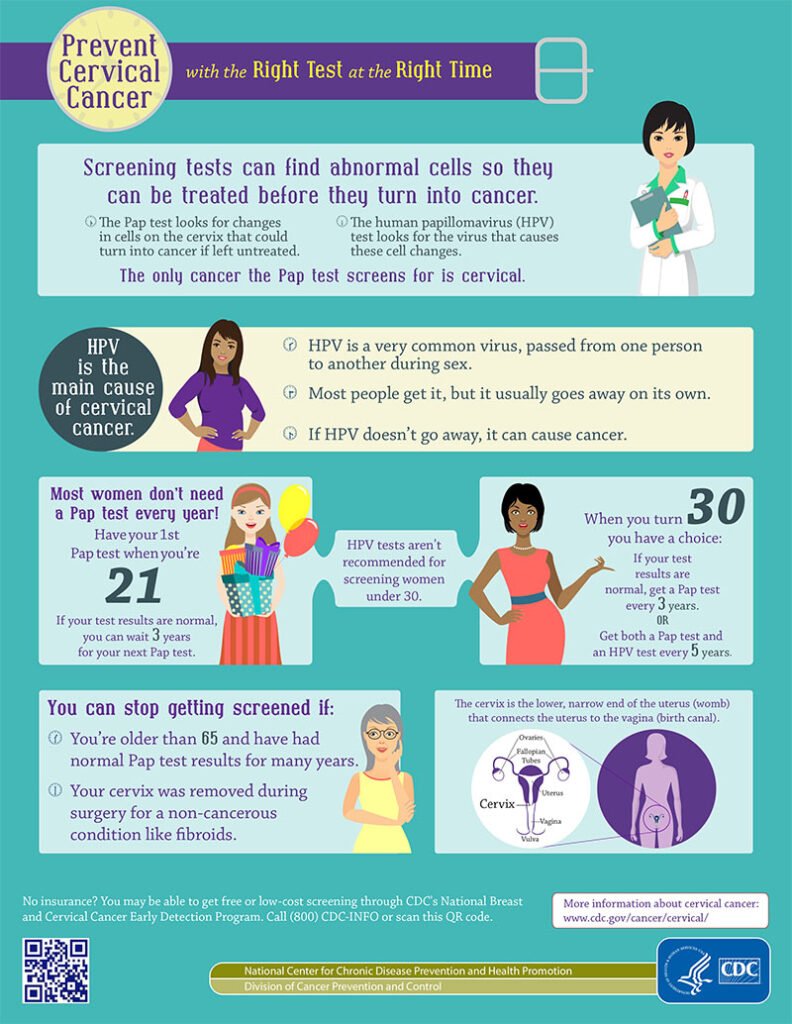
There are several types of screening tests available to detect cervical cancer. The most common and reliable of these is the Pap test, also known as a Pap smear. This test involves collecting cells from the cervix, which are then examined under a microscope to check for any abnormalities.
Another screening method is the HPV test, which checks for the presence of high-risk strains of the human papillomavirus (HPV) that are known to cause cervical cancer. This test can be done in conjunction with the Pap smear or as a standalone test.
Recommended Screening Guidelines
The recommended screening guidelines for cervical cancer vary slightly depending on your age and risk factors. Generally, it is recommended to begin regular screenings at the age of 21, regardless of whether you are sexually active or have received the HPV vaccine.
For individuals aged 21 to 29, Pap smears are recommended every three years. From the age of 30 to 65, pap smears are typically done every five years or a combination of pap smears and HPV tests every five years. Women over the age of 65 who have had regular screenings with normal results may no longer need screenings.
It is important to consult with your healthcare provider to determine the screening schedule that is most appropriate for your individual circumstances.
Benefits of HPV Vaccination
In addition to regular screenings, getting vaccinated against HPV is an effective way to prevent cervical cancer. The HPV vaccine is most effective when administered before exposure to the virus, which is why it is recommended for young individuals before they become sexually active.
The vaccine is recommended for girls and boys aged 11 to 12, but can also be given to individuals up to the age of 26 if they have not previously received it. The HPV vaccine protects against the most common high-risk strains of the virus, reducing the risk of developing cervical cancer and other HPV-related conditions such as genital warts.
Practice Safe Sex
Practicing safe sex is another important aspect of preventing cervical cancer. By adopting safe sex practices, you can reduce your risk of exposure to HPV and other sexually transmitted infections (STIs) that can contribute to the development of cervical cancer.
Using Condoms
Using condoms consistently and correctly can provide a barrier against HPV and other STIs. While condoms may not offer full protection, as HPV can be present on areas not covered by the condom, they still offer a significant level of protection and are an important tool in preventing the spread of infection.
Limiting the Number of Sexual Partners
Reducing the number of sexual partners can also reduce the risk of contracting HPV and other STIs. The more sexual partners you have, the higher the chances of coming into contact with the virus. Limiting the number of partners and practicing monogamy can help lower your risk.
Getting Regular STI Checks
Regularly getting tested for STIs, including HPV, is essential for maintaining your sexual health and preventing the development of cervical cancer. If you are sexually active, it is important to get tested regularly, even if you are in a monogamous relationship. STI checks allow for early detection and treatment, minimizing the risk of complications and the spread of infection.

Quit Smoking
Did you know that smoking is strongly linked to cervical cancer? If you smoke, quitting is one of the best things you can do to reduce your risk.
Link Between Smoking and Cervical Cancer
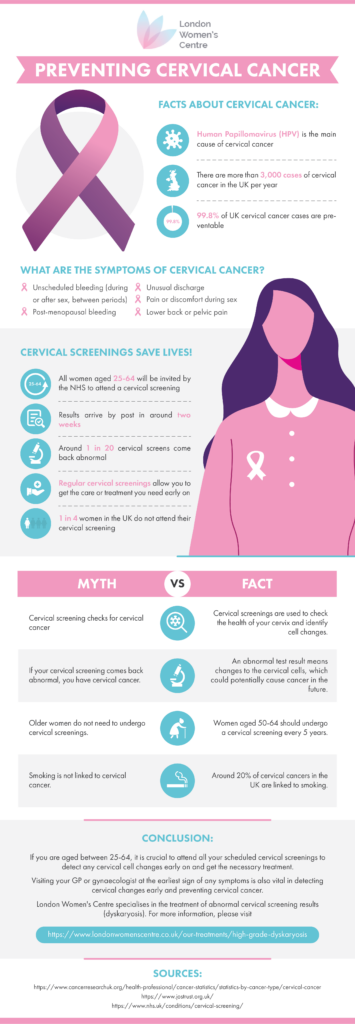
Smoking has been found to increase the risk of developing cervical cancer and can also worsen the outcomes for those already diagnosed with the disease. Chemicals found in tobacco smoke can damage the DNA in cervical cells, leading to the formation of cancerous cells. Additionally, smoking weakens the immune system, making it less effective at fighting off HPV infections.
Benefits of Quitting Smoking
Quitting smoking offers numerous benefits for your overall health, including reducing the risk of cervical cancer. Within a few years of quitting, your body will start to repair itself, and your risk of developing cervical cancer will continue to decrease over time. By quitting smoking, you not only improve your chances of preventing cervical cancer but also enhance your overall well-being.
Maintain a Healthy Lifestyle and Diet
Maintaining a healthy lifestyle and adopting a balanced diet can contribute to the prevention of cervical cancer. By taking care of your overall health, you can support your immune system and protect yourself against various diseases, including cervical cancer.
Importance of a Healthy Lifestyle
Leading a healthy lifestyle involves making conscious choices that promote overall well-being. This includes regular exercise, avoiding excessive alcohol consumption, getting enough sleep, managing stress levels, and not engaging in risky behaviors such as drug use.
Healthy Eating Habits
A healthy diet plays a crucial role in preventing cervical cancer. Opt for a diet rich in fruits, vegetables, whole grains, and lean proteins. These foods provide essential nutrients and antioxidants that support immune function and help protect against cellular damage.
Include foods that are high in vitamins A, C, and E, as well as beta-carotene and folate. These nutrients have been shown to reduce the risk of cervical cancer. Examples of such foods include carrots, oranges, broccoli, spinach, tomatoes, and legumes.
Regular Physical Activity
Regular physical activity has numerous health benefits, including reducing the risk of cervical cancer. Aim for at least 150 minutes of moderate-intensity aerobic activity or 75 minutes of vigorous-intensity activity each week. Engaging in activities such as brisk walking, cycling, swimming, or dancing can significantly contribute to your overall health and well-being.

Boosting the Immune System
A strong immune system is essential for fighting off infections and preventing the development of diseases such as cervical cancer. Adopting healthy habits and taking care of your immune system can help keep you protected.
Eating a Balanced Diet
Consuming a balanced diet is key to supporting your immune system. Include a variety of fruits, vegetables, whole grains, lean proteins, and healthy fats in your diet. These foods provide essential nutrients, vitamins, and minerals that help boost immune function and protect against infections.
Getting Sufficient Sleep
Getting enough sleep is essential for maintaining a healthy immune system. Aim for 7-9 hours of quality sleep each night. Sleep deprivation can weaken the immune system, making you more susceptible to infections and diseases.
Reducing Stress Levels
Chronic stress can have a negative impact on the immune system, making it less effective at fighting off infections. Find healthy ways to manage stress, such as practicing relaxation techniques, engaging in hobbies, spending time with loved ones, or seeking professional help if needed. Managing stress effectively can help support your immune system and prevent the development of cervical cancer.
Awareness and Education
Increasing awareness and education about cervical cancer is crucial for prevention and early detection. By understanding the risk factors, symptoms, and early warning signs, you can take proactive steps in safeguarding your health.
Understanding Risk Factors
Educate yourself about the risk factors associated with cervical cancer. These include smoking, HPV infection, a weak immune system, a family history of cervical cancer, a history of sexually transmitted infections, and early sexual activity. By knowing your risk factors, you can make informed decisions and take appropriate preventive measures.
Recognizing Symptoms and Early Warning Signs
Knowing the symptoms and early warning signs of cervical cancer is vital for early detection. Symptoms may include abnormal vaginal bleeding, pelvic pain, pain during sexual intercourse, and unusual vaginal discharge. If you experience any of these symptoms, it is crucial to seek medical attention promptly.
Educating Others
Spread the knowledge about cervical cancer and its prevention to others around you. Educate your friends, family, and community about the importance of regular screenings, safe sex practices, and healthy lifestyle choices. By raising awareness, you can empower others to take control of their health and prevent cervical cancer.

Regular Medical Check-ups
Regular check-ups with a trusted healthcare provider are essential for maintaining your overall health and preventing the development of cervical cancer. These check-ups allow for early detection and intervention, ensuring that any potential issues are identified and addressed promptly.
Importance of Regular Check-ups
Regular check-ups provide an opportunity for healthcare professionals to monitor your health, identify any early warning signs or abnormalities, and provide necessary preventive care. They also allow for open discussions about your specific health concerns and provide an opportunity to address any questions or uncertainties you may have.
Choosing a Trusted Healthcare Provider
When it comes to regular check-ups, it is essential to have a trusted healthcare provider who understands your medical history, personal needs, and concerns. Choose a provider who makes you feel comfortable, respects your choices, and provides comprehensive care. Building a strong rapport with your provider ensures that you receive the best possible care and guidance for preventing cervical cancer.
Preventing HPV Infection
Since the human papillomavirus (HPV) is the leading cause of cervical cancer, taking steps to prevent HPV infection is crucial.
Practicing Safe Sex
Practicing safe sex is an important measure to reduce the risk of HPV infection. Use barrier methods such as condoms consistently and correctly during sexual activity to minimize the chances of HPV transmission. Remember that condoms are not foolproof but provide a level of protection. It is also important to note that other areas not covered by condoms can still be exposed to the virus.
Getting Vaccinated
The HPV vaccine is highly effective in preventing HPV infection. It is recommended for both boys and girls aged 11 to 12, but can also be given to individuals up to the age of 26 who have not previously received it. The vaccine protects against the most common high-risk strains of HPV, reducing the chances of developing cervical cancer and other HPV-related conditions.
Avoiding Direct Contact with HPV
Since HPV is primarily transmitted through direct skin-to-skin contact, it is important to be mindful of potential sources of infection. Avoid touching genital warts or lesions and consider abstaining from sexual activity if either partner has visible genital warts or lesions. Taking precautions to minimize direct contact with HPV can significantly reduce the risk of infection.
Support and Advocacy
Joining support groups and participating in advocacy efforts can provide a strong network of individuals who understand your experiences and challenges. These communities can offer emotional support, information sharing, and resources to help navigate the journey of cervical cancer prevention.
Joining Support Groups
Support groups provide a safe space for individuals affected by cervical cancer, whether as survivors, caregivers, or loved ones. Connecting with others who have similar experiences can help alleviate feelings of isolation, provide insights, and offer emotional support. Support groups may be available locally or online, allowing for flexibility in finding a community that suits your needs.
Participating in Advocacy Efforts
Advocacy efforts play a crucial role in raising awareness, promoting prevention, and supporting research for cervical cancer. Consider getting involved in advocacy organizations and events that aim to educate the public, influence policy changes, and fund research for better prevention, detection, and treatment methods. Being an advocate enables you to contribute to the larger movement of preventing cervical cancer and supporting those affected by the disease.
Regular Self-Examinations
Performing regular self-examinations is an additional proactive step you can take towards preventing cervical cancer. By becoming familiar with your body and regularly checking for any changes, you can detect potential issues early on and seek medical attention promptly.
Performing Regular Self-Exams
Self-examinations involve checking for any abnormalities or changes in the vulva, vagina, and cervix. Familiarize yourself with the normal appearance and feel of these areas to detect any potential deviations. Look for changes in skin color, texture, or thickness, as well as any unusual lumps, bumps, or sores. If you notice any concerning changes, consult with your healthcare provider.
Knowing Your Body
Being aware of your body and its normal functioning is crucial. Pay attention to any changes in menstrual patterns, bleeding between periods, increased pain during menstruation, or any other abnormal symptoms. Regularly monitoring and documenting any noticeable changes can help identify potential issues early on.
Being Alert to Changes
Stay alert to any changes in your body and seek medical attention if you notice anything unusual. Early detection is key to successful treatment outcomes, and regular self-examinations can contribute to this process. By being proactive and attentive, you take an active role in your health and well-being.