
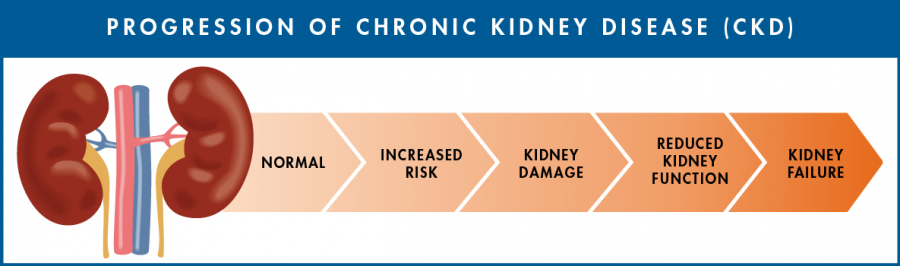
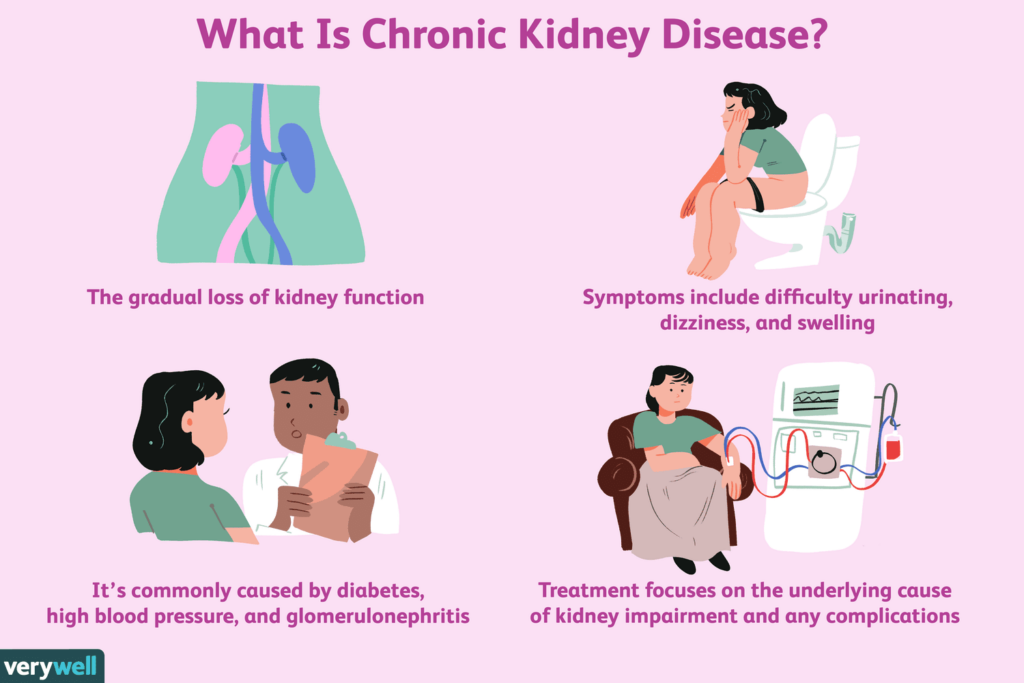
Chronic Kidney Disease (CKD) is a condition that affects millions of people worldwide and can have serious consequences for your health. But fear not, because there are steps you can take to prevent CKD and maintain optimal kidney function. From making mindful lifestyle choices to monitoring your blood pressure and staying hydrated, this article will provide you with valuable insights and practical tips on how to safeguard your kidneys and reduce the risk of developing chronic kidney disease. So, let’s dive into the world of kidney health and discover how you can protect this vital organ.
Maintain a healthy lifestyle
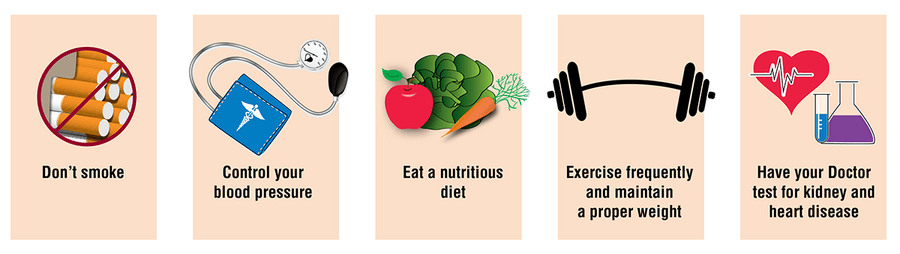
Living a healthy lifestyle is crucial for preventing chronic kidney disease. By adopting healthy habits, you can significantly reduce the risk of developing kidney problems. One of the primary aspects of a healthy lifestyle is eating a balanced diet. Ensure that your meals consist of a variety of nutrient-rich foods from different food groups. Include plenty of fruits, vegetables, whole grains, lean proteins, and low-fat dairy products in your diet. Eating a balanced diet provides your body with the essential nutrients it needs to stay healthy and maintain optimal kidney function.
In addition to a balanced diet, staying physically active is vital for kidney health. Regular exercise helps improve blood circulation, increase energy levels, and strengthen the immune system. Aim for at least 30 minutes of moderate-intensity exercise, such as brisk walking, cycling, or swimming, five days a week. By incorporating physical activity into your daily routine, you lower the risk of developing various health conditions, including chronic kidney disease.
Another crucial aspect of maintaining a healthy lifestyle is avoiding tobacco and limiting alcohol consumption. Smoking damages blood vessels and decreases blood flow to the kidneys, which can lead to kidney disease. Additionally, excessive alcohol consumption can overload the kidneys and cause long-term damage. By staying away from tobacco products and moderating your alcohol intake, you protect your kidneys and overall health.
Manage underlying health conditions
Managing underlying health conditions is paramount when it comes to preventing chronic kidney disease. Several conditions, such as high blood pressure and diabetes, can significantly increase the risk of kidney damage. Controlling high blood pressure is crucial, as it can directly harm blood vessels in the kidneys. Be diligent about taking prescribed medications, maintaining a healthy weight, and following a low-sodium diet to manage and prevent high blood pressure.
Similarly, managing diabetes is essential for kidney health. High blood sugar levels can damage the kidneys over time, leading to chronic kidney disease. If you have diabetes, it is crucial to monitor your blood sugar levels regularly, take medications as prescribed, and follow a healthy lifestyle that includes a balanced diet and regular exercise.
Monitoring cholesterol levels is also important in preventing chronic kidney disease. Elevated cholesterol levels can contribute to the narrowing of blood vessels, affecting kidney function. Eating a heart-healthy diet low in saturated fats and cholesterol, engaging in regular physical activity, and taking prescribed cholesterol-lowering medications can help maintain optimal kidney health.
Promptly treating urinary tract infections is critical in preventing kidney damage. Infections, if left untreated, can spread to the kidneys and cause severe complications. If you experience symptoms of a urinary tract infection, such as pain or a burning sensation during urination, frequent urination, or cloudy urine, seek medical attention promptly to prevent future kidney problems.
For individuals with autoimmune diseases, managing these conditions is essential to prevent kidney damage. Autoimmune diseases, such as lupus or vasculitis, can cause inflammation in the kidneys and lead to kidney disease. If you have an autoimmune disease, work closely with your healthcare provider to manage your condition effectively and minimize the potential impact on kidney health.
Stay hydrated
Staying hydrated is one of the simplest yet most effective ways to maintain kidney health. Drinking an adequate amount of water daily helps flush out toxins from the body and ensures optimal kidney function. It is generally recommended to consume at least eight glasses (64 ounces) of water per day. However, individual water needs may vary based on various factors like age, activity level, and climate. Consult with your healthcare provider to determine your specific hydration needs and adjust your water intake accordingly.
While it is important to drink enough water, it is equally important to avoid excessive consumption of sugary drinks. Beverages high in sugar, such as soda and certain fruit juices, can contribute to weight gain and increase the risk of developing chronic conditions like diabetes and obesity, which are detrimental to kidney health. Instead, opt for healthier alternatives like infused water, herbal teas, or unsweetened beverages to quench your thirst.
Additionally, it is advisable to limit caffeine and alcohol intake for optimum kidney health. Caffeine and alcohol act as diuretics, causing increased urine production and potentially leading to dehydration. Dehydration puts a strain on the kidneys and can negatively impact their function. Moderation is key when it comes to caffeine and alcohol consumption, so be mindful of your intake and opt for healthier options whenever possible to support your kidney health.
Maintain a healthy weight
Maintaining a healthy weight is crucial for kidney health and overall well-being. Excess weight can increase the risk of developing conditions such as diabetes and high blood pressure, which are major contributors to chronic kidney disease. By following a balanced and portion-controlled diet, you can manage your weight effectively and reduce the risk of kidney problems.
A balanced diet consists of a variety of nutrient-dense foods that provide essential vitamins, minerals, and antioxidants. Incorporate plenty of fruits, vegetables, whole grains, lean proteins, and low-fat dairy products into your meals. These foods not only support healthy weight management but also provide the necessary nutrients for optimal kidney function.
In addition to a balanced diet, regular physical activity is essential for maintaining a healthy weight and preventing kidney disease. Engage in activities that you enjoy and that get your heart rate up, such as brisk walking, jogging, dancing, or cycling. Aim for at least 150 minutes of moderate-intensity exercise or 75 minutes of vigorous exercise per week. Consult with your healthcare provider to determine the most suitable exercise routine for your individual needs and capabilities.
Managing stress levels is also important for maintaining a healthy weight and promoting kidney health. Chronic stress can lead to unhealthy coping mechanisms such as emotional eating or excessive alcohol consumption, which can negatively impact kidney health. Find healthy ways to manage stress, such as practicing relaxation techniques, engaging in hobbies, or seeking support from loved ones or mental health professionals. By effectively managing stress, you can maintain a healthy weight and reduce the risk of chronic kidney disease.
Monitor medication usage
Monitoring medication usage and following healthcare provider’s instructions is crucial for kidney health. Taking medications as prescribed is vital in managing underlying health conditions and preventing kidney damage. If you have been prescribed medications for high blood pressure, diabetes, or other health conditions, it is important to adhere to the recommended dosage and frequency.
Avoid excessive use of over-the-counter painkillers, such as nonsteroidal anti-inflammatory drugs (NSAIDs). These medications, when used frequently or for a prolonged period, can cause kidney damage. If you frequently experience pain and need to take painkillers, consult with your healthcare provider to explore alternative options that are safer for your kidneys.
Discuss potential kidney risks with your doctor when starting any new medications. Certain medications, such as certain antibiotics or non-prescription herbal supplements, can have adverse effects on kidney function. Make sure to inform your healthcare provider about any existing kidney conditions or concerns to ensure that the prescribed medications do not cause harm to your kidneys.
Get regular check-ups
Regular check-ups play a crucial role in preventing chronic kidney disease. Visiting your healthcare provider for routine check-ups allows for early detection and management of any potential kidney problems. During these visits, your healthcare provider may conduct blood and urine tests to monitor your kidney function and identify any abnormalities.
Monitoring kidney function through blood and urine tests helps detect signs of kidney damage or dysfunction at an early stage. These tests assess factors such as creatinine levels, urine protein levels, and estimated glomerular filtration rate (eGFR). By detecting kidney issues early, you and your healthcare provider can take appropriate measures to prevent further damage and maintain optimal kidney health.
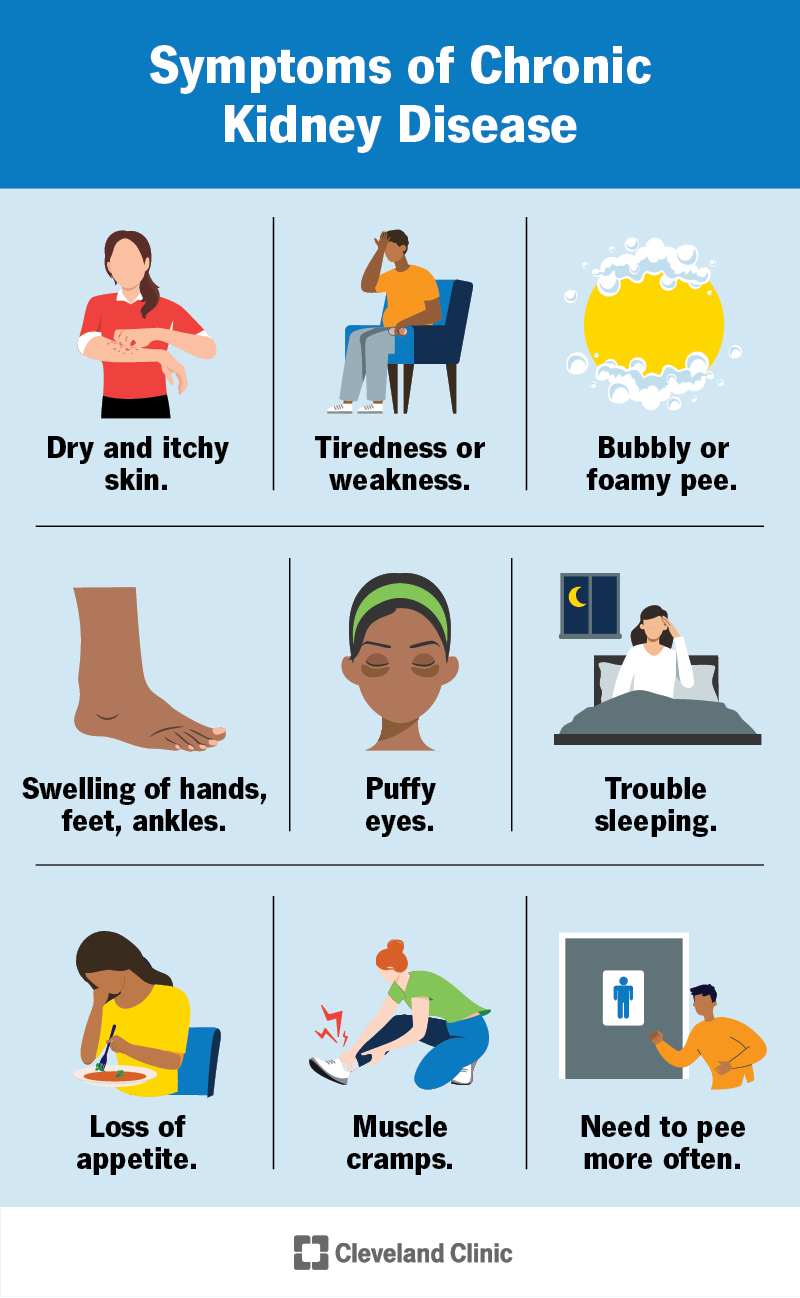
It is important to discuss any concerns or symptoms related to kidney health with your doctor during check-ups. Symptoms such as changes in urinary habits, persistent fatigue, swelling in the hands or feet, or unexplained weight loss should not be ignored and should be brought to your healthcare provider’s attention. Your doctor can assess these symptoms and determine if further investigation or treatment is necessary to maintain your kidney health.
Avoid exposure to toxins
Limiting exposure to toxins is essential for preserving kidney health. Heavy metals and chemicals can have detrimental effects on the kidneys, leading to chronic kidney disease. By taking preventive measures, you can minimize your exposure to these substances and protect your kidneys.
Avoid exposure to heavy metals such as lead, cadmium, and mercury. These metals are commonly found in certain occupations, industrial environments, and contaminated soil or water. Follow safety protocols and use protective measures, such as gloves and masks, in work environments where there is potential exposure to kidney-harming substances.
Be cautious with the use of certain medications and cleaning products, as they may contain harmful chemicals that can affect kidney function. Read product labels, follow usage instructions, and consider using natural or eco-friendly alternatives when possible. By being vigilant about potential toxins in your environment, you can reduce the risk of kidney damage and promote overall health.
Educate yourself about the risks
Education about the risks and causes of chronic kidney disease is crucial for prevention. By understanding the factors that contribute to kidney problems, you can make informed decisions and take appropriate actions to protect your kidneys.
Learn about the risk factors associated with chronic kidney disease, such as high blood pressure, diabetes, obesity, and family history of kidney disease. By knowing your individual risk factors, you can work towards reducing or managing them effectively.
Understanding the importance of early detection and prevention is vital in preserving kidney health. Regular check-ups and monitoring your kidney function can help detect any issues at an early stage and prevent further damage. By taking proactive measures, such as controlling underlying health conditions and adopting a healthy lifestyle, you can minimize the risk of developing chronic kidney disease.
Stay informed about the latest research and developments related to kidney health. Follow reputable sources, read articles, and consider joining online communities or support groups dedicated to kidney health. By keeping up-to-date with the latest information, you can gain a deeper understanding of kidney health and make informed choices for yourself and your loved ones.

Promote kidney health in your community
Promoting kidney health in your community is a powerful way to raise awareness and prevent chronic kidney disease. By sharing knowledge and encouraging healthy lifestyle choices, you can make a positive impact on the well-being of those around you.
Raise awareness about kidney disease prevention by starting conversations with family, friends, and colleagues. Share information about the importance of maintaining a healthy lifestyle, managing underlying health conditions, and getting regular check-ups. Encourage them to take proactive steps in preventing kidney disease and cascade this knowledge to others.
Encourage healthy lifestyle choices among your family and friends. By providing support and motivation, you can influence their decisions in adopting healthier habits such as eating a balanced diet, staying physically active, and avoiding tobacco use and excessive alcohol consumption. Small changes in daily routines can have a significant impact on kidney health over time.
Support organizations involved in kidney health advocacy. Donate to reputable charities, participate in fundraising events, or volunteer your time to raise awareness and funds for research, education, and patient support. By contributing to these organizations, you help make a difference in the lives of individuals affected by kidney disease and contribute to ongoing efforts in kidney health.
Seek professional guidance
Seeking professional guidance is valuable for maintaining kidney health and preventing chronic kidney disease. Nephrologists, or kidney specialists, have expertise in diagnosing and managing kidney conditions. Consulting with a nephrologist can provide personalized advice and guidance based on your specific needs and health history.
Work with a registered dietitian who specializes in kidney health to receive personalized dietary recommendations. Dietitians can help you create a balanced meal plan that meets your nutritional needs while supporting kidney health. They can also educate you about portion control, managing specific dietary restrictions, and making healthier food choices.
Engage in healthcare programs and support groups that focus on kidney health. These programs provide valuable information, resources, and support from individuals who understand the challenges and realities of living with kidney disease. Participation in these programs can help you stay motivated, informed, and connected with others on a similar journey.
In conclusion, preventing chronic kidney disease requires a comprehensive approach to maintain kidney health. By adopting a healthy lifestyle, managing underlying health conditions, staying hydrated, maintaining a healthy weight, monitoring medication usage, getting regular check-ups, avoiding exposure to toxins, educating yourself about the risks, promoting kidney health in your community, and seeking professional guidance, you can significantly reduce the risk of developing this debilitating condition. Take control of your kidney health today for a healthier tomorrow.