
Nobody wants dry, flaky skin that feels rough and uncomfortable. It can be frustrating to deal with, but with a few simple steps, you can prevent dry skin and keep it smooth and hydrated. From adjusting your shower routine to choosing the right moisturizer, this article will provide you with practical tips and advice on how to effectively prevent dry skin. So say goodbye to dryness and hello to a healthy, glowing complexion!

Understanding Dry Skin
What is Dry Skin?
Dry skin, also known as xerosis, is a common condition that occurs when your skin lacks sufficient moisture and becomes rough, flaky, and tight. It can happen to anyone, regardless of age or skin type, but some individuals are more prone to developing dry skin than others. Dry skin can be frustrating and uncomfortable, but with the right knowledge and skincare routine, you can effectively manage and prevent it.
Causes of Dry Skin
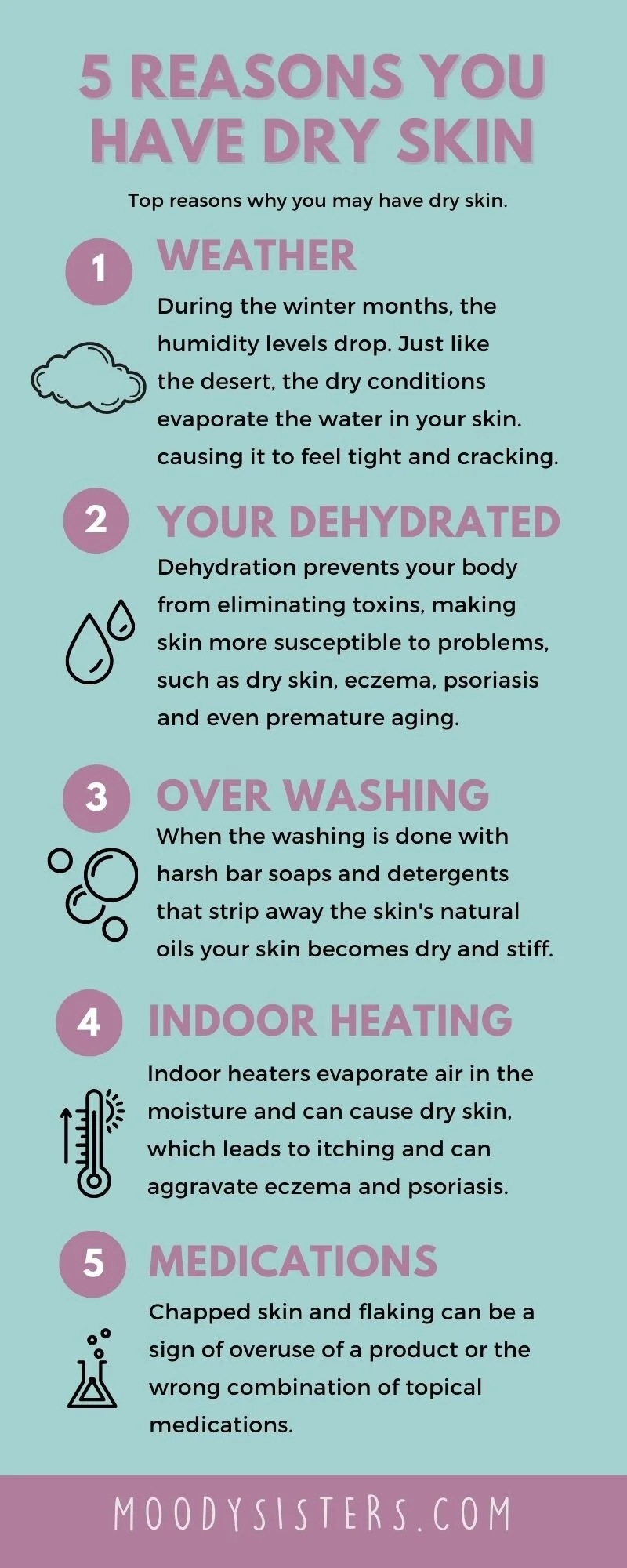
Various factors contribute to the development of dry skin. One primary cause is the lack of natural oils and moisture in the skin, which can be influenced by genetics, hormonal changes, and the aging process. Environmental factors also play a significant role, such as low humidity levels, cold weather, and excessive exposure to heat. Additionally, certain lifestyle habits, like frequent bathing with hot water and using harsh soaps, can strip away the skin’s natural oils, leading to dryness. Understanding these causes can help you take proactive steps to prevent and manage dry skin.
Importance of Hydration
Drink Sufficient Water
Staying adequately hydrated is not only essential for your overall health but also crucial for maintaining healthy, hydrated skin. When you don’t drink enough water, your body becomes dehydrated, which can directly impact your skin. Drinking the recommended eight glasses of water per day helps to keep your skin cells hydrated from within. This internal hydration promotes plumpness, elasticity, and a natural glow. So, make sure to prioritize water intake as part of your daily routine to combat dry skin.
Moisturize Regularly
In addition to hydrating your body from the inside, it’s crucial to moisturize your skin externally to prevent dryness. Regularly applying a moisturizer that suits your skin type and contains hydrating ingredients, such as glycerin or hyaluronic acid, helps to lock in moisture, nourish your skin, and prevent water loss. Choose a moisturizer specifically formulated for dry skin and apply it liberally after showering or bathing while your skin is still damp. This helps to seal in moisture effectively and keeps your skin soft and supple.

Appropriate Bathing Habits
Avoid Hot Showers
While hot showers may be soothing and comforting, they can be highly damaging to your skin, especially if you have a tendency to develop dry skin. Hot water strips away the natural oils from your skin, leaving it dry and prone to irritation. Instead, opt for warm showers or baths with water that is not too hot. This will help retain your skin’s natural oils and prevent excessive dryness.
Use Mild Soaps
Harsh soaps and cleansers can strip your skin of essential oils, exacerbating dryness. Therefore, it’s essential to choose mild, fragrance-free soaps or cleansers that are specifically formulated for dry or sensitive skin. These products are gentler on your skin and won’t further aggravate dryness or cause irritation. Additionally, avoid excessive lathering or scrubbing, as this can disrupt your skin’s natural barrier and lead to moisture loss.
Limit Bathing Time
While bathing or showering plays a crucial role in personal hygiene, spending excessive time in the water can contribute to dry skin. Prolonged water exposure washes away the natural oils that keep your skin moisturized. Limit your bathing time to around 10 minutes and avoid frequent hot baths or showers throughout the day. This simple adjustment helps to prevent unnecessary moisture loss and maintain the health of your skin.
Protecting Skin from Harsh Weather
Protective Clothing
One effective way to shield your skin from harsh weather conditions is to wear appropriate protective clothing. During colder months, opt for long sleeves, pants, and warm hats to cover exposed areas. This helps to create a barrier between your skin and the cold, dry air that can cause moisture loss. Similarly, when dealing with excessive heat or sun exposure, consider wearing lightweight, loose-fitting clothing that covers your skin and provides sun protection.
Apply Sunscreen
Sunscreen should be an integral part of your skincare routine, regardless of the weather. Protecting your skin from harmful UV rays is essential for preventing sunburn, premature aging, and the development of dry skin. Choose a broad-spectrum sunscreen with a minimum SPF of 30 and apply it generously to all exposed areas of your body, even on cloudy days. Reapply every two hours or more frequently if you are sweating or swimming.
Use Humidifiers
Maintaining a suitable level of humidity in your living environment can significantly impact the health of your skin. Dry indoor air can lead to increased moisture evaporation from your skin, exacerbating dryness. Investing in a humidifier and using it regularly can help add moisture to the air and prevent your skin from becoming dry and irritated. Place the humidifier in your bedroom or the room you spend the most time in for optimal results.

Dietary Considerations
Consume Omega-3 Fatty Acids
Including foods rich in omega-3 fatty acids in your diet is beneficial for your skin’s health and overall well-being. Omega-3 fatty acids, found in fatty fish like salmon and mackerel, as well as walnuts and flaxseeds, have anti-inflammatory properties that can help soothe dry and irritated skin. These healthy fats promote moisture retention and skin elasticity, ultimately reducing dryness and promoting a more vibrant complexion.
Eat Antioxidant-rich Foods
Antioxidants are powerful compounds that protect your skin from damage caused by free radicals, which can contribute to dryness and premature aging. Incorporating antioxidant-rich foods into your diet, such as berries, oranges, leafy greens, and nuts, can help fight oxidative stress and support healthy, glowing skin. Additionally, consuming foods high in vitamins C and E can enhance collagen production and maintain your skin’s moisture levels.
Avoiding Irritants
Avoid Irritating Fabrics
Certain fabrics, such as wool or rough synthetics, can cause irritation and worsen dry skin. When selecting clothing, opt for soft, natural fabrics like cotton or silk, which are gentle on the skin and allow it to breathe. If you must wear a garment made from an irritating fabric, consider wearing an underlayer made from a softer material to create a barrier between your skin and the fabric.
Minimize Chemical Exposure
Exposure to harsh chemicals, whether in cleaning products, beauty products, or personal care items, can contribute to dryness and skin irritation. To protect your skin, minimize your exposure to such chemicals by choosing natural, fragrance-free products whenever possible. Read labels carefully and opt for products that are hypoallergenic, alcohol-free, and free of harsh ingredients like sulfates and parabens. This helps to decrease the risk of stripping away your skin’s natural moisture and causing dryness.
Managing Stress Levels
Practice Stress Management Techniques
Chronic stress can wreak havoc on the health of your skin, as it can disrupt your body’s natural mechanisms for maintaining moisture balance. Therefore, it’s essential to practice stress management techniques to promote overall well-being and prevent dry skin. Find methods that work for you, such as deep breathing exercises, yoga, meditation, or engaging in hobbies and activities that bring you joy. Prioritizing self-care and carving out time for relaxation can significantly reduce stress levels and promote healthier skin.
Get Adequate Sleep
Adequate sleep is vital for your body’s overall functioning and plays a significant role in maintaining healthy skin. During sleep, your body regenerates and repairs damaged skin cells, including those that contribute to dryness. Aim for seven to eight hours of quality sleep each night to support your skin’s natural rejuvenation process. Establishing a regular sleep routine and creating a comfortable sleep environment can help you achieve restful sleep and promote healthier skin.
Exfoliation and Regular Skincare Routine
Gentle Exfoliation
Exfoliating your skin regularly can help remove dead skin cells and promote a smoother, more radiant complexion. However, it’s crucial to opt for gentle exfoliation methods, as harsh scrubs or abrasive techniques can aggravate dry skin. Choose exfoliating products that contain mild ingredients, such as fruit acids or enzymes, which gently dissolve dead skin cells without causing irritation. Limit exfoliation to once or twice a week to avoid over-exfoliation, as this can strip away your skin’s protective barrier and worsen dryness.
Use Suitable Skin Products
Using suitable skin products that cater to your skin type and address dryness is essential for maintaining a healthy moisture balance. Look for cleansers, toners, and serums that are specifically formulated for dry skin and contain hydrating ingredients like hyaluronic acid or ceramides. Additionally, consider incorporating a nourishing face mask or a hydrating overnight mask into your skincare routine once or twice a week for an extra boost of moisture. Always patch-test new products to ensure they don’t cause irritation or allergies.

Avoiding Excessive Hot or Cold Environments
Avoid Extreme Temperatures
Exposing your skin to extreme temperatures, whether hot or cold, can lead to dryness and irritation. Extreme heat can dehydrate your skin, while cold weather can strip away moisture and cause chapping. Whenever possible, avoid prolonged exposure to temperature extremes and take measures to protect your skin. In cold weather, wear proper clothing and use scarves and gloves to cover exposed areas. In hot weather, seek shade, use umbrellas, and wear lightweight, breathable clothing to shield your skin from excessive heat.
Protect Skin in Windy Conditions
Windy conditions can be particularly harsh on your skin, as the constant gusts of wind can accelerate moisture evaporation and cause dryness. Protect your skin by using a scarf or a face mask to cover your face and shield it from the wind. Additionally, applying a moisturizer or a facial oil before heading out can create a protective barrier against the elements and help lock in moisture. Remember to reapply moisturizer as needed throughout the day to combat the drying effects of wind.
Seeking Professional Help
Visit a Dermatologist
If you’re experiencing persistent dry skin that doesn’t improve with lifestyle modifications and over-the-counter products, it may be time to seek professional help. A dermatologist is a trained skincare expert who can assess your specific skin concerns and provide personalized recommendations. They may prescribe prescription-strength moisturizers or other targeted treatments to address dryness effectively. Consulting a dermatologist ensures that you receive the most appropriate care and guidance tailored to your unique skin needs.
Consider Medical Treatments
In some cases, dry skin may require medical treatments to alleviate severe symptoms or underlying conditions. Your dermatologist may recommend treatments such as prescription ointments or creams containing corticosteroids or other active ingredients that target dryness. They may also suggest procedures like microdermabrasion or chemical peels to exfoliate and rejuvenate your skin. These medical interventions aim to provide long-term relief and improve the overall health and appearance of your skin. Always follow your healthcare professional’s advice and instructions for optimal results.
By following these comprehensive tips and incorporating them into your daily routine, you can effectively prevent and manage dry skin. Remember that consistency is key, and being proactive in caring for your skin will reward you with a healthy, hydrated complexion. So, drink water, moisturize regularly, maintain appropriate bathing habits, protect your skin from harsh weather conditions, consider dietary factors, avoid irritants, manage stress levels, establish a regular skincare routine, avoid extreme temperatures, and seek professional help if needed. Your skin will thank you for the extra care and attention.