In this article, you will discover simple yet effective strategies to prevent hypertension, a condition commonly known as high blood pressure. By integrating healthy habits into your daily routine, such as maintaining a balanced diet, engaging in regular exercise, and managing stress, you can take proactive steps towards ensuring a healthier future. Let’s explore these preventative measures together and empower ourselves to live a life free from hypertension’s grasp.
Understanding Hypertension
What is hypertension?
Hypertension, also known as high blood pressure, is a common medical condition where the force of blood against the walls of your arteries is consistently too high. This persistent elevation in blood pressure can put strain on your heart and other vital organs, increasing the risk of serious health problems such as heart disease, stroke, and kidney problems. It is important to understand hypertension to take necessary steps towards prevention and management.
Causes of hypertension
Hypertension can be caused by various factors, including genetics, lifestyle choices, and underlying health conditions. Some individuals may have a family history of high blood pressure, making them more predisposed to developing hypertension. Unhealthy habits such as a sedentary lifestyle, excessive salt intake, poor diet, smoking, and alcohol consumption can also contribute to elevated blood pressure levels. Additionally, certain medical conditions like obesity, diabetes, and kidney disease can increase the risk of hypertension.
Symptoms of hypertension
One of the concerning aspects of hypertension is that it is often referred to as a “silent killer” because it typically does not cause noticeable symptoms until it reaches a severe stage. However, some people with hypertension may experience symptoms like severe headaches, fatigue, blurred vision, chest pain, difficulty breathing, or irregular heartbeat. It is crucial to regularly monitor your blood pressure to identify hypertension early on and prevent any complications.
Lifestyle Changes
Maintain a healthy weight
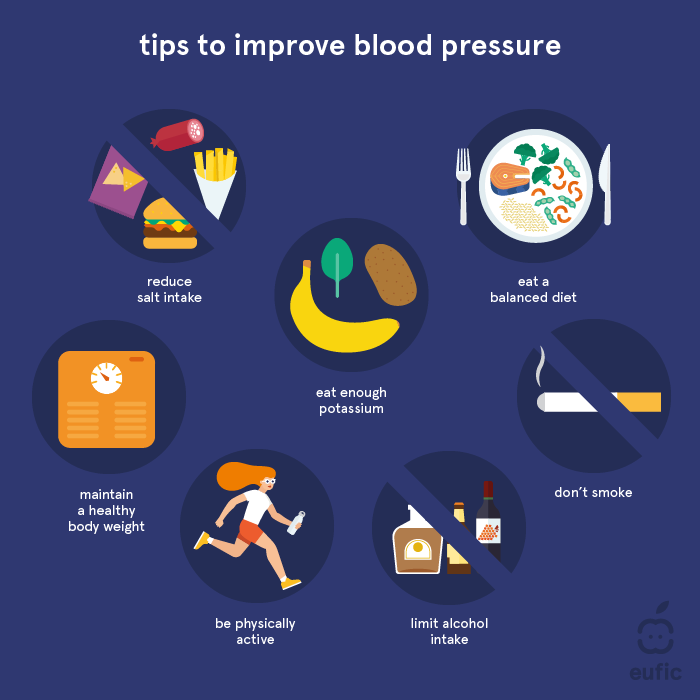
Maintaining a healthy weight is an essential step in preventing and managing hypertension. Excess weight can strain your heart and raise blood pressure levels. Focus on adopting a balanced diet, increasing physical activity, and creating a sustainable lifestyle that allows you to shed any extra pounds. By aiming for a healthy weight range, you give your body the opportunity to maintain normal blood pressure levels.
Exercise regularly
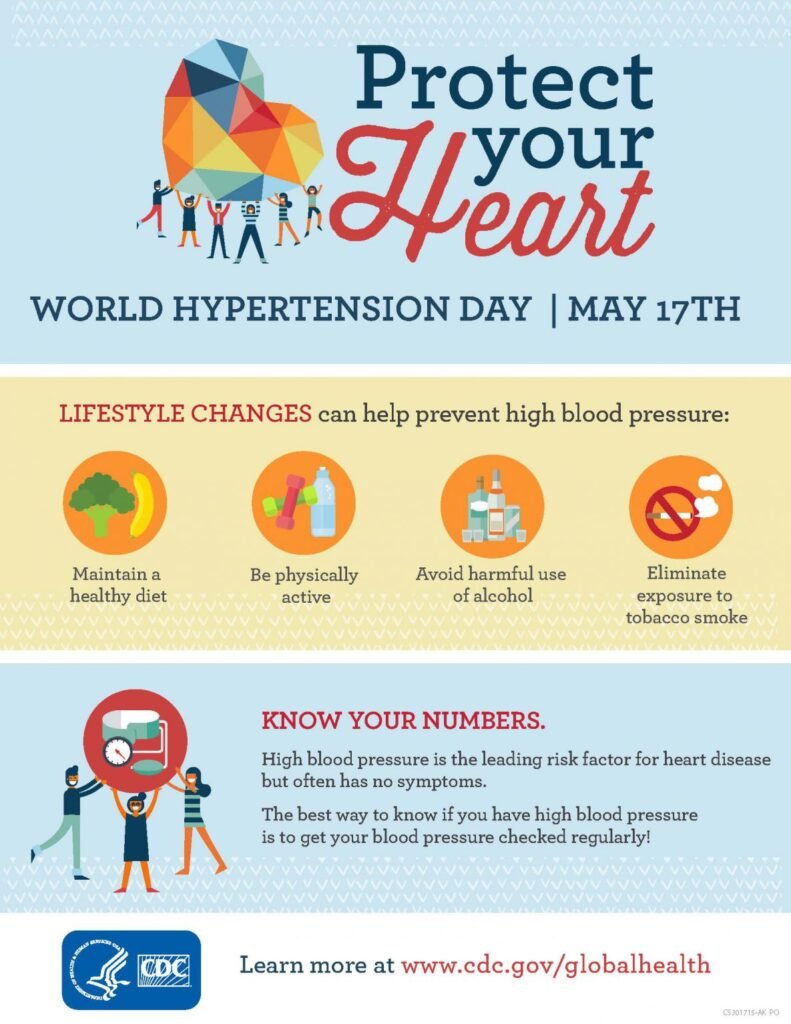
Regular exercise is not only beneficial for overall health but also plays a crucial role in preventing hypertension. Engaging in physical activity for at least 30 minutes a day can help to lower blood pressure and improve heart health. Activities such as brisk walking, jogging, cycling, swimming, or dancing can all contribute to maintaining healthy blood pressure levels. Consult with your healthcare provider to determine the most suitable exercise routine for your individual needs.
Follow a balanced diet
High blood pressure can often be managed through dietary changes. It is essential to follow a balanced diet that emphasizes whole grains, fruits, vegetables, lean proteins, and low-fat dairy products. Incorporating foods rich in potassium, such as bananas, oranges, and spinach, can also help to regulate blood pressure. Limiting salt intake is crucial, as excessive sodium consumption is closely linked to hypertension. Choosing fresh and unprocessed foods over processed and packaged options is a simple yet effective way to improve your diet and promote cardiovascular health.
Dietary Tips
Reduce sodium intake
Sodium, commonly found in salt, plays a significant role in hypertension. Consuming excessive amounts of sodium can cause the body to retain fluid, which increases blood pressure. It is crucial to reduce sodium intake by avoiding highly processed foods, fast food, and foods that are typically high in sodium, such as canned soups, chips, and deli meats. Instead, opt for fresh ingredients and use herbs, spices, and other flavor enhancers to reduce the need for excess salt in your meals.
Increase potassium intake
Potassium is a vital mineral that helps to counteract the effects of sodium in the body. Including potassium-rich foods in your diet can help lower blood pressure. Foods such as bananas, avocados, sweet potatoes, spinach, and oranges are excellent sources of potassium. By incorporating these nutritious options into your meals and snacks, you can promote healthy blood pressure levels.
Limit alcohol consumption
Excessive alcohol consumption can contribute to hypertension. While moderate alcohol consumption is generally considered safe, exceeding recommended limits can negatively impact blood pressure. Aim to limit your alcohol intake to moderate levels, which means no more than one drink per day for women and two drinks per day for men. If you struggle with controlling your alcohol intake, reach out to professionals for alcohol addiction treatment and support in order to reduce your risk of hypertension.
Manage Stress
Identify stressors
Chronic stress can significantly affect your blood pressure and overall health. It is crucial to identify the factors that cause stress in your life and work towards managing or eliminating them. By recognizing and addressing the stressors, you can take steps towards reducing the impact they have on your blood pressure.
Practice relaxation techniques
Engaging in relaxation techniques can help manage stress and reduce blood pressure. Techniques such as deep breathing exercises, meditation, yoga, and tai chi have been shown to have a positive impact on overall well-being and blood pressure control. Incorporating these activities into your daily routine can provide a sense of calm and contribute to a healthier lifestyle.
Seek support
Dealing with stress on your own can be overwhelming. Seeking support from friends, family, or professional counselors can provide you with the necessary tools to manage stress effectively. Engaging in positive social interactions, joining support groups, or seeking therapy can make a significant difference in your overall stress levels and subsequently help maintain healthier blood pressure.
Quit Smoking
Understanding the risks of smoking
Smoking cigarettes significantly increases the risk of developing hypertension and other cardiovascular conditions. The chemicals found in tobacco smoke can damage blood vessels, reduce blood flow, and raise blood pressure. Quitting smoking is one of the best things you can do for your overall health, including managing and preventing hypertension.
Seeking professional help to quit
Fortunately, numerous resources are available to help individuals quit smoking. Speak with your healthcare provider about options such as nicotine replacement therapy, prescription medication, or counseling. These resources, combined with determination and support, can greatly increase your chances of successfully quitting smoking and positively impact your blood pressure.
Finding healthy alternatives
If you are trying to quit smoking but find it challenging to break the habit, consider finding healthier alternatives. Nicotine patches, gum, or even e-cigarettes can help satisfy nicotine cravings without the harmful effects of tobacco smoke. However, it is important to consult with your healthcare provider to determine the best approach for your individual needs and health.
Limit caffeine intake
Effects of caffeine on blood pressure
While caffeine does not cause hypertension, it can temporarily raise blood pressure levels. Individuals who consume large amounts of caffeine or are particularly sensitive to its effects may experience a spike in their blood pressure. It is recommended to limit caffeine intake to moderate levels, which generally means no more than 400 milligrams per day, equivalent to approximately four cups of brewed coffee.
Reducing caffeine consumption
If you are concerned about the impact of caffeine on your blood pressure, gradual reduction is often the most effective approach. Gradually decreasing the amount of caffeine you consume by replacing caffeinated beverages with healthier alternatives can help your body adjust and prevent any sudden spikes in blood pressure. Be sure to read labels to identify caffeine content and consider switching to decaffeinated options or herbal teas.
Alternative beverages to consider
If you are looking to reduce your caffeine intake, there are plenty of alternative beverages to consider. Herbal teas, such as chamomile or peppermint, provide a soothing and caffeine-free option. Opting for naturally flavored water, unsweetened fruit juice, or low-fat milk can also provide a refreshing and nutritious alternative to caffeinated beverages. Choosing these options will not only contribute to maintaining healthy blood pressure but also improve overall hydration and well-being.

Monitor Blood Pressure Regularly
Importance of monitoring blood pressure
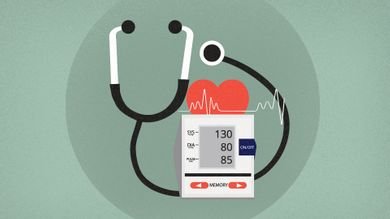
Regularly monitoring your blood pressure is instrumental in preventing and managing hypertension. By keeping track of your blood pressure readings, you can identify any significant changes and take appropriate action. Consistently monitoring your blood pressure allows for early intervention if necessary, reducing the risk of complications associated with high blood pressure.
Methods of monitoring blood pressure
There are various ways to monitor blood pressure, including at-home blood pressure monitors, pharmacy blood pressure machines, and regular visits to your healthcare provider. At-home monitors are convenient, allowing you to measure your blood pressure in the comfort of your own home. However, it is crucial to ensure the accuracy of the device and compare readings with your healthcare provider’s measurements to get a comprehensive understanding of your blood pressure levels.
When to consult a doctor
If you consistently measure high blood pressure readings or experience any concerning symptoms, it is essential to consult with your healthcare provider. They can assess your condition, discuss any risks or concerns, and develop an appropriate treatment plan based on your individual needs. Regular communication with your healthcare provider is crucial for managing hypertension effectively.
Medication and Treatment
Understanding hypertension medications
In some cases, lifestyle changes may not be sufficient to control blood pressure, and medication may be required. Numerous medications are available that work to lower blood pressure by various mechanisms. Diuretics, beta-blockers, ACE inhibitors, and calcium channel blockers are commonly prescribed to individuals with hypertension. It is vital to understand the medication prescribed, its potential side effects, and the importance of complying with the prescribed treatment plan.
Compliance with prescribed treatment
Consistency and adherence to the prescribed treatment plan are crucial in managing hypertension effectively. It is essential to take medications as instructed by your healthcare provider, even if you start feeling better or experience no noticeable symptoms. Remember, hypertension is often symptomless, and consistent treatment is necessary to keep blood pressure within a healthy range and prevent any complications.
Alternative treatments
In addition to medication, there are alternative treatments that some individuals find helpful in managing hypertension. These may include stress-reducing techniques, acupuncture, dietary supplements, or herbal remedies. However, it is crucial to discuss these alternative treatments with your healthcare provider before embarking on them, as they may interact with existing medications or have varying levels of effectiveness.
Reducing Alcohol Consumption
Effects of alcohol on blood pressure
Excessive alcohol consumption can contribute to hypertension. Alcohol not only raises blood pressure directly but also has the potential to damage the walls of the arteries, leading to long-term complications. Reducing alcohol consumption is a vital step in maintaining healthy blood pressure levels and overall cardiovascular health.
Guidelines for moderate alcohol consumption
Moderate alcohol consumption is generally considered safe for most individuals. It is defined as no more than one drink per day for women and two drinks per day for men. It is important to note that these guidelines refer to a standard drink, which is approximately 14 grams of pure alcohol. Exceeding these limits increases the risk of hypertension and other health problems.
Seeking alcohol addiction treatment
Individuals struggling with alcohol addiction should seek professional help to overcome their dependence and reduce the risk of hypertension and other health issues. Alcohol addiction treatment can address the underlying factors contributing to excessive alcohol consumption and provide the necessary support and resources for long-term recovery. It is never too late to seek help and take control of your health.
Know Your Family History
Importance of family history
Your family history plays a significant role in determining your risk of developing hypertension. If you have close relatives, such as parents or siblings, with a history of high blood pressure, you are more likely to develop it yourself. Genetic factors can influence blood pressure regulation and the development of hypertension. Therefore, understanding your family history is crucial in taking preventive measures and managing your blood pressure effectively.
Talking to your family members
Engage in open conversations with your family members regarding family medical history, specifically hypertension. Sharing this information can help create awareness and ensure that everyone takes necessary precautions and timely action to prevent and manage high blood pressure. Additionally, by having these discussions, you may uncover valuable insights into your familial risk factors and better understand your own vulnerability to hypertension.
Genetic testing
For individuals with a strong family history of hypertension or those curious about their genetic risk factors, genetic testing may provide valuable information. Genetic testing can identify specific genetic variants associated with hypertension and help assess your risk level. Consulting with a genetic counselor or healthcare provider can provide guidance on the benefits and limitations of genetic testing, as well as help interpret the results accurately.
Understanding hypertension and taking proactive measures to prevent and manage it are essential for maintaining optimal health. By making lifestyle changes, managing stress, quitting smoking, limiting caffeine and alcohol consumption, monitoring blood pressure, considering medication and alternative treatments, and being aware of your family history, you are empowered to take charge of your cardiovascular well-being. Remember, small steps today can lead to significant improvements in your blood pressure and overall health tomorrow.