
You deserve to live a healthy and vibrant life, which is why it’s important to take proactive steps in preventing immune system disorders. Your immune system serves as your body’s defense mechanism, protecting you from harmful bacteria, viruses, and diseases. In this article, you will discover effective strategies and lifestyle changes that can help boost your immune system and ward off potential disorders. By taking control of your health and implementing these preventative measures, you can strengthen your immune system and enjoy a life full of vitality and well-being.

Maintaining a Healthy Lifestyle
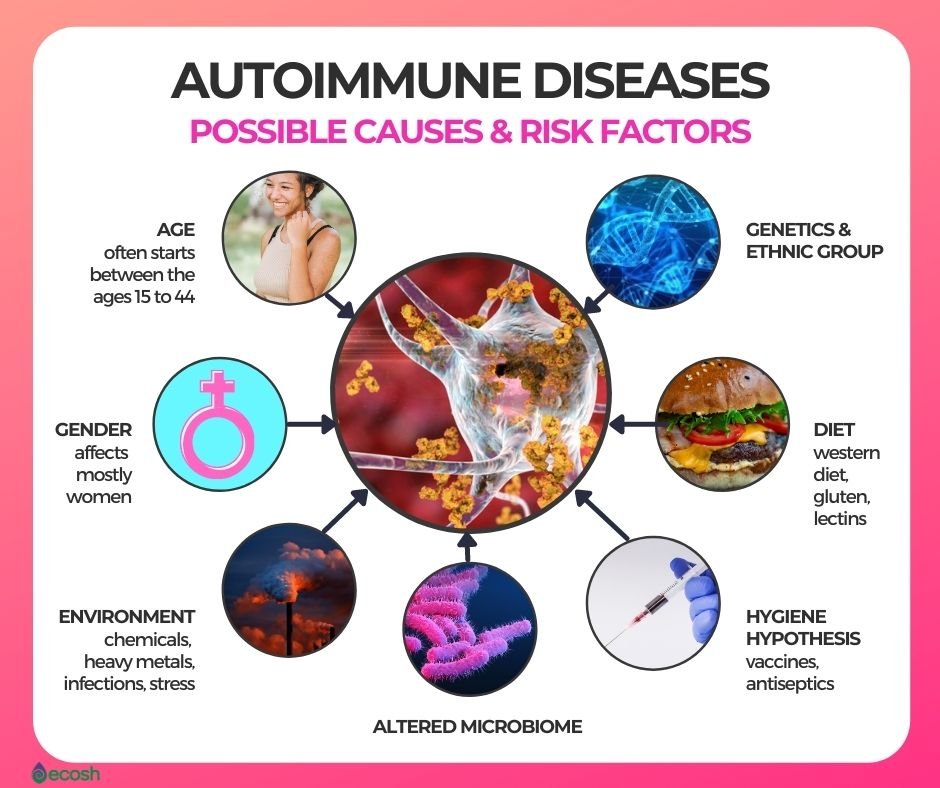
Eating a Balanced Diet
Maintaining a healthy lifestyle starts with eating a balanced diet. Your diet plays a crucial role in supporting your immune system and overall health. Aim to include a variety of nutrient-rich foods such as fruits, vegetables, whole grains, lean proteins, and healthy fats in your meals. These foods provide essential vitamins, minerals, antioxidants, and fiber that support the proper functioning of your immune system. Incorporating a colorful assortment of fruits and vegetables in your diet ensures that you receive a wide array of nutrients that boost your immune system’s defenses.
Engaging in Regular Exercise
Regular exercise is not only beneficial for keeping your body fit and maintaining a healthy weight but also for supporting a strong immune system. Engaging in physical activity helps to increase circulation, which allows immune cells to better reach their target areas in your body. Exercise also promotes the production of endorphins, which reduce stress and improve mood. Aim for at least 150 minutes of moderate-intensity exercise or 75 minutes of vigorous-intensity exercise each week. Find activities you enjoy, such as walking, jogging, biking, swimming, or dancing, and make them a part of your regular routine.
Getting Adequate Sleep
Adequate sleep is crucial for your immune system’s proper functioning and overall health. While you sleep, your body repairs and replenishes itself, and your immune system strengthens. Lack of sleep can disrupt the immune system, making you more susceptible to infections and other health issues. Aim for 7-9 hours of quality sleep each night. Establish a bedtime routine that includes winding down before sleep, creating a comfortable sleep environment, and avoiding stimulating activities close to bedtime. Prioritizing good sleep hygiene will help support your immune system and enhance your overall well-being.
Managing Stress
Stress can have a significant impact on your immune system. Chronic stress weakens the immune response and makes you more vulnerable to infections and immune system disorders. Finding effective ways to manage and reduce stress is crucial for maintaining a healthy immune system. Engage in stress-reducing activities such as meditation, deep breathing exercises, yoga, mindfulness practices, or hobbies that bring you joy and relaxation. Take time for self-care and prioritize activities that help you unwind and recharge. Building a support network of loved ones and seeking professional help when needed can also aid in managing and reducing stress levels.
Vaccinations and Immunizations
Keeping Up with Recommended Vaccinations
One of the most effective ways to prevent immune system disorders and protect yourself from various diseases is by keeping up with recommended vaccinations. Vaccinations stimulate your immune system to produce antibodies that provide protection against specific diseases. Stay updated on vaccinations recommended by your healthcare provider or national immunization schedules. Examples of important vaccinations to consider are influenza (flu) vaccine, tetanus, diphtheria, and pertussis (whooping cough) vaccine, pneumonia vaccine, and hepatitis vaccines. By staying current with vaccinations, you not only protect yourself but also contribute to community immunity.
Ensuring Adequate Immunizations in Childhood
Childhood immunizations play a vital role in protecting children from several illnesses and preventing immune system disorders later in life. Following the recommended immunization schedules for infants, children, and adolescents is essential. Vaccines such as the measles, mumps, and rubella (MMR) vaccine, varicella (chickenpox) vaccine, polio vaccine, and many others are crucial for preventing serious illnesses that can compromise the immune system. Consult with your child’s healthcare provider to ensure that they receive the necessary immunizations at the appropriate ages and intervals.
Considering Additional Immunizations for High-Risk Groups
In addition to routine vaccinations, certain individuals may require additional immunizations based on their specific risk factors. High-risk groups, such as older adults, pregnant women, individuals with chronic medical conditions, and healthcare workers, may benefit from additional vaccines. For example, older adults may need vaccines to protect against shingles or pneumonia, while pregnant women can receive vaccines to prevent complications during pregnancy and protect their newborns. It is important to discuss your individual risk factors with your healthcare provider to determine if additional immunizations are recommended for you.
Practicing Good Hygiene
Washing Hands Regularly
Practicing good hygiene is an essential part of preventing infections and maintaining a healthy immune system. One of the simplest and most effective ways to prevent the spread of germs is by washing your hands regularly. Use soap and water and scrub your hands for at least 20 seconds, making sure to clean all surfaces, including between your fingers and under your nails. Washing your hands before eating, after using the restroom, after touching high-touch surfaces, and when visibly dirty can significantly reduce the risk of contracting infections and immune system disorders.
Using Hand Sanitizer When Necessary
In situations where soap and water are not readily available, using an alcohol-based hand sanitizer that contains at least 60% alcohol is an effective alternative. Hand sanitizers can quickly kill a wide range of germs on your hands and help prevent the spread of infections. Apply enough sanitizer to cover all surfaces of your hands, and rub them together until they feel dry. Keep a small travel-sized hand sanitizer with you for convenient use when needed, especially during times when you are unable to wash your hands.
Avoiding Close Contact with Sick Individuals
Avoiding close contact with sick individuals is another crucial aspect of practicing good hygiene and preventing the spread of infections. When someone near you is sick, they may cough or sneeze, releasing respiratory droplets that can contain viruses or bacteria. These droplets can enter your body through your nose, mouth, or eyes, making you susceptible to infections. If possible, keep a safe distance from individuals who are visibly ill or experiencing symptoms of an infection. This, along with other preventive measures such as wearing a mask, can significantly reduce your risk of contracting illnesses.
Covering Mouth and Nose When Sneezing or Coughing
Covering your mouth and nose when you sneeze or cough is not only polite but also crucial for preventing the spread of germs and infections. Respiratory droplets expelled during sneezing or coughing can contain viruses and bacteria. By covering your mouth and nose with a tissue or your elbow, you prevent these respiratory droplets from entering the air and potentially infecting others. Dispose of used tissues properly and wash your hands immediately afterward. If tissues are not available, use your elbow to cover your mouth and nose to minimize the spread of germs.
Maintaining a Clean Environment
Regularly Cleaning and Disinfecting Surfaces
Maintaining a clean environment is essential for preventing the spread of infections and minimizing exposure to harmful pathogens. Regularly cleaning and disinfecting commonly touched surfaces, such as doorknobs, light switches, countertops, and electronic devices, can help remove germs and prevent their transmission. Use an appropriate cleaning solution or disinfectant, following the manufacturer’s instructions, and focus on frequently used surfaces that may harbor a higher concentration of germs. Additionally, ensure proper ventilation in your living spaces by opening windows or using air purifiers to improve air quality.
Maintaining Good Air Quality
Good air quality is crucial for respiratory health and supporting a strong immune system. Poor air quality can contribute to respiratory issues, allergies, and compromised immune function. To maintain good air quality, make sure your living spaces are adequately ventilated. Open windows to allow fresh air to circulate, use exhaust fans in kitchens and bathrooms to remove excess moisture, and consider using air purifiers that filter out pollutants, allergens, and airborne particles. Avoid smoking indoors and minimize exposure to environmental toxins and pollutants to protect your respiratory health.
Avoiding Exposure to Environmental Toxins
Reducing exposure to environmental toxins is an important measure in maintaining a healthy immune system. Certain pollutants, chemicals, and toxins can weaken the immune response and increase the risk of immune system disorders. Minimize exposure to cigarette smoke, secondhand smoke, air pollution, pesticides, solvents, and other harmful substances. When using cleaning products or chemicals, follow proper usage instructions, wear protective gear if necessary, and ensure proper ventilation. Making conscious choices to reduce exposure to environmental toxins can go a long way in protecting your immune system and overall health.

Avoiding Harmful Substances
Limiting Alcohol Consumption
Excessive alcohol consumption can negatively impact your immune system and overall health. Alcohol suppresses the immune system, making you more susceptible to infections and impairing the body’s ability to fight off diseases. If you choose to drink alcohol, it is important to do so in moderation. The Centers for Disease Control and Prevention (CDC) defines moderate drinking as up to one drink per day for women and up to two drinks per day for men. It is important to know your limits and be mindful of the potential effects of alcohol on your immune system.
Avoiding Smoking and Secondhand Smoke
Tobacco smoke contains numerous harmful chemicals and toxins that can damage your immune system and compromise your respiratory health. Smoking weakens the immune response, making it harder for your body to fight off infections and increases the risk of immune system disorders. Additionally, exposure to secondhand smoke can also have similar adverse effects. If you smoke, consider quitting or seek help to quit. Avoiding environments where smoking is prevalent will reduce your exposure to secondhand smoke and protect your respiratory and immune health.
Using Medications Responsibly
Using medications responsibly is crucial for maintaining a healthy immune system and preventing immune system disorders. Certain medications, such as corticosteroids or immunosuppressants, can weaken the immune response and increase the risk of infections. Follow your healthcare provider’s instructions when taking medications, including prescription and over-the-counter drugs. Never misuse or abuse medications, as this can have serious consequences for your immune system and overall health. If you have any concerns about the effects of medications on your immune system, discuss them with your healthcare provider.
Minimizing Exposure to Chemicals and Pollutants
Minimizing exposure to chemicals and pollutants in your everyday life is important for supporting a healthy immune system. Many household products, beauty products, and industrial chemicals contain substances that can disrupt the immune system or have adverse effects on your health. Choose natural and organic products when possible, avoid unnecessary exposure to pesticides, pollutants, and toxic chemicals, and follow proper safety guidelines when handling potentially harmful substances. By minimizing your exposure to harmful chemicals and pollutants, you can help protect your immune system and overall well-being.
Managing Chronic Conditions
Following Medical Recommendations
If you have a chronic condition, such as diabetes, asthma, or autoimmune disorders, following your healthcare provider’s recommendations is essential for managing your condition effectively and supporting your immune system. Adhering to prescribed medications, treatment plans, dietary guidelines, and lifestyle modifications can help keep your condition under control and minimize the risk of complications that may compromise your immune health. Regularly communicate with your healthcare provider, attend check-ups, and ask questions to ensure you are managing your chronic condition optimally.
Monitoring and Managing Chronic Illnesses
Regularly monitoring and managing your chronic illnesses play a crucial role in preventing immune system disorders and other health complications. Keep track of your symptoms, follow self-care strategies recommended by your healthcare provider, and promptly address any changes in your condition. Take steps to manage stress and maintain a healthy lifestyle, as these factors can significantly impact the symptoms and progression of many chronic illnesses. By actively managing your chronic conditions, you can minimize the impact they have on your immune system and overall health.
Maintaining a Healthy Weight
Maintaining a healthy weight is important for your immune system and overall well-being. Obesity and excess body fat can lead to chronic inflammation, which can impair immune function and increase the risk of immune system disorders. Adopting a balanced diet, engaging in regular physical activity, and managing portion sizes can help you maintain a healthy weight and support your immune system. Set realistic goals and work towards achieving and maintaining a weight that is appropriate for your age, height, and body type.
Managing Diabetes Effectively
Diabetes can have a significant impact on your immune system and increase your susceptibility to infections and other health complications. If you have diabetes, it is crucial to effectively manage your condition to prevent immune system disorders. Follow your healthcare provider’s recommendations regarding medication, blood sugar monitoring, dietary guidelines, exercise, and regular check-ups. Maintaining stable blood sugar levels, managing stress, and adopting a healthy lifestyle can help prevent complications and support your immune system’s functioning.

Seeking Regular Medical Care
Scheduling Routine Check-ups and Screenings
Regular medical check-ups and screenings are vital for maintaining a healthy immune system and overall health. Schedule regular appointments with your healthcare provider to assess your general well-being, discuss any concerns, and receive preventive care. Routine screenings and tests, such as blood work, mammograms, Pap smears, and colonoscopies, can help detect potential health issues early on and allow for timely intervention. By seeking regular medical care, you give yourself the best chance of identifying and addressing any health concerns before they develop into immune system disorders or other complications.
Discussing Any Concerns or Symptoms
Open and honest communication with your healthcare provider is essential for preventing and addressing immune system disorders. If you have any concerns or experience unusual symptoms, do not hesitate to discuss them with your healthcare provider. Be proactive in reporting any changes in your health, even if they seem minor. Your healthcare provider can provide guidance, conduct appropriate testing, and recommend further steps based on your individual circumstances. Early detection and intervention can play a crucial role in minimizing the impact of immune system disorders and other health issues.
Maintaining a Solid Relationship with Healthcare Providers
Establishing and maintaining a solid relationship with your healthcare providers is instrumental in preventing immune system disorders and effectively managing your health. Regularly visit the same healthcare providers to ensure continuity of care and allow them to become familiar with your medical history, conditions, and specific needs. Be an active participant in your healthcare by asking questions, expressing your concerns, and engaging in shared decision-making. A strong partnership with your healthcare providers can lead to better health outcomes and comprehensive care specifically tailored to your needs.
Avoiding Excessive Antibiotic Use
Using Antibiotics Only When Necessary
Antibiotics are powerful medications used to treat bacterial infections. However, the overuse and misuse of antibiotics can lead to antibiotic resistance, where bacteria become resistant to the effects of antibiotics, rendering them less effective. To prevent immune system disorders and safeguard the effectiveness of antibiotics, it is important to use them only when necessary. Follow your healthcare provider’s instructions regarding antibiotic use, complete full courses of antibiotics as prescribed, and never share antibiotics with others. Avoid pressuring your healthcare provider to prescribe antibiotics for viral infections, as they are not effective against viruses.
Completing Full Courses of Antibiotics as Prescribed
When prescribed antibiotics, it is crucial to complete the full course of treatment as prescribed by your healthcare provider, even if you start feeling better before the medication is finished. Incomplete courses of antibiotics can leave behind bacteria that are partially resistant to the medication, increasing the risk of developing antibiotic-resistant infections in the future. Take antibiotics exactly as directed, at the recommended dosage and frequency, and for the entire duration specified by your healthcare provider. By diligently completing the full course of antibiotics, you contribute to preventing the emergence of antibiotic-resistant bacteria.
Protecting Against Infections
Practicing Safe Sex
Practicing safe sex is an important measure to protect against sexually transmitted infections (STIs) and maintain a healthy immune system. Use barrier methods of contraception, such as condoms, to reduce the risk of contracting or spreading STIs. Regularly consult with your healthcare provider regarding appropriate preventive measures, testing, and vaccinations for STIs. By practicing safe sex, you not only protect yourself from infections but also contribute to the overall well-being of your sexual partners and the community.
Avoiding Sharing Personal Items
Avoid sharing personal items with others to reduce the risk of infection transmission. Items such as toothbrushes, razors, towels, and utensils can harbor germs and potentially spread infections from one person to another. Keep personal hygiene items separate and do not share them with others. Encourage your family members and close contacts to have their own personal items as well. By maintaining personal hygiene and avoiding the sharing of items, you minimize the risk of cross-contamination and promote your immune system’s health.
Keeping Vaccinations Up to Date
Vaccinations are an essential tool for preventing infections and protecting your immune system. Make sure to keep your vaccinations up to date, following the recommended immunization schedules provided by healthcare authorities. Vaccines such as the HPV vaccine, hepatitis vaccines, and meningococcal vaccines can offer protection against potentially serious infections. Stay informed about new vaccine recommendations and advancements in immunization to ensure that you are adequately protected against preventable infections.
Knowing Familial and Genetic Risk Factors
Understanding Family Medical History
Having knowledge about your family medical history is valuable in assessing your risk for developing immune system disorders and other health conditions. Genetic factors can play a significant role in determining susceptibility to certain immune disorders and diseases. Talk to your family members, including parents, grandparents, and siblings, about any known medical conditions or immune system disorders that run in your family. This information can help your healthcare provider assess your individual risk factors and take appropriate preventive measures or considerations based on your genetic predisposition.
Taking Precautions Based on Genetics
Understanding your genetic predisposition to immune system disorders can empower you to take proactive measures to prevent or manage these conditions. If you know that certain immune system disorders run in your family, discuss this information with your healthcare provider. They can provide guidance on specific preventive measures, lifestyle modifications, or screenings that may be appropriate for you based on your genetic risk factors. Engage in genetic counseling if recommended, as it can provide valuable insights into your inherited risks and assist in making well-informed decisions regarding your health.
Seeking Genetic Counseling if Appropriate
Genetic counseling can be beneficial for individuals with a family history of immune system disorders or specific genetic predispositions. Genetic counselors are healthcare professionals who specialize in assessing and interpreting genetic information, providing individuals with personalized information about their risks, and discussing available options for preventive measures or treatments. If you have concerns about your genetic risk factors for immune system disorders, consider seeking genetic counseling. Genetic counselors can help you understand your inherited risks, provide support, and guide you in making informed decisions about your health and well-being.
In conclusion, maintaining a healthy lifestyle and taking appropriate preventive measures are key in preventing immune system disorders and promoting overall well-being. By adopting healthy habits, staying up to date with vaccinations, practicing good hygiene, maintaining a clean environment, avoiding harmful substances, managing chronic conditions, seeking regular medical care, avoiding excessive antibiotic use, and being aware of familial and genetic risks, you can take charge of your immune system’s health and protect yourself from immune system disorders. Remember, your well-being is in your hands, and by making small but impactful choices, you can live a vibrant and healthy life.
