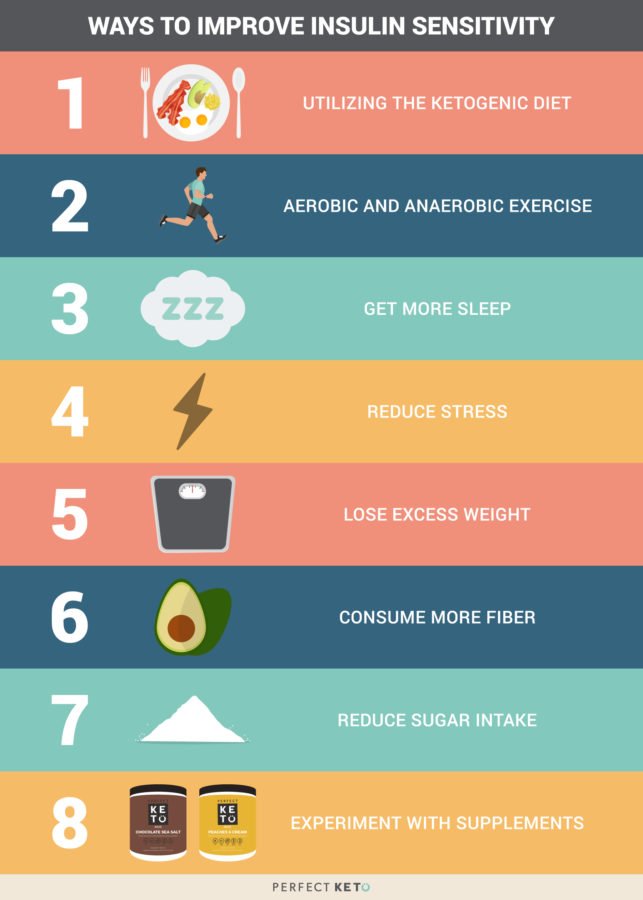
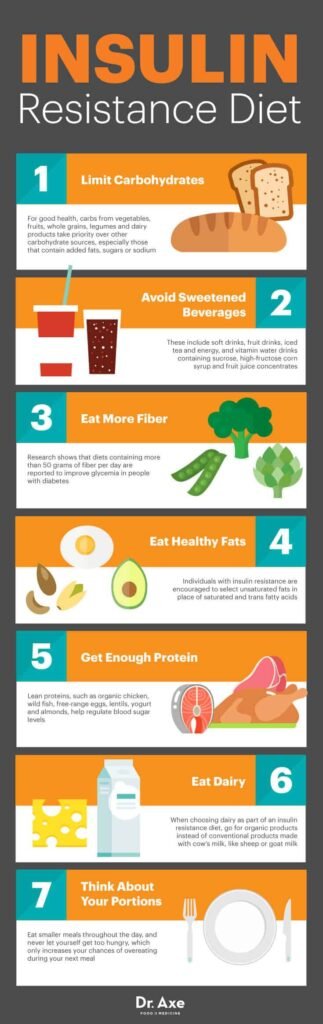
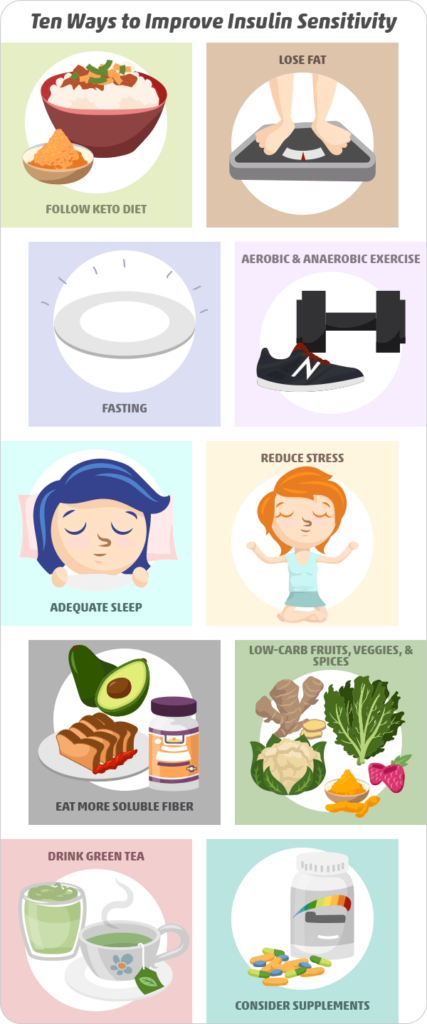
Insulin resistance is a common condition that occurs when your body’s cells become resistant to the effects of insulin, leading to high blood sugar levels. However, there’s good news – there are effective ways to prevent insulin resistance and maintain your overall health. From adopting a balanced diet and engaging in regular physical activity to managing stress levels and getting enough sleep, this article will provide you with practical tips to keep insulin resistance at bay. So, let’s dive in and discover how you can take charge of your health and prevent insulin resistance.
Maintain a Healthy Weight
Focus on Balanced Diet
Maintaining a healthy weight is crucial for preventing insulin resistance and promoting overall health. One of the key aspects of achieving and maintaining a healthy weight is to focus on a balanced diet. A balanced diet includes a variety of nutrient-dense foods from all food groups. This means incorporating fruits, vegetables, whole grains, lean proteins, and healthy fats into your daily meals.
By choosing a balanced diet, you ensure that your body receives all the essential nutrients it needs to function optimally. This can help regulate your blood sugar levels, improve insulin sensitivity, and prevent the development of insulin resistance.
Control Portion Sizes
In addition to focusing on a balanced diet, controlling portion sizes is essential for maintaining a healthy weight and preventing insulin resistance. Even if you’re consuming nutritious foods, overeating can still lead to weight gain and insulin resistance.
To control your portion sizes, try using smaller plates and bowls, measuring your food, and being mindful of your hunger and fullness cues. It can be easy to eat more than necessary when dining out or snacking mindlessly, so being conscious of your portion sizes is important for maintaining a healthy weight and preventing insulin resistance.
Avoid Processed Foods
Avoiding processed foods is another key component of maintaining a healthy weight and preventing insulin resistance. Processed foods, such as chips, sugary snacks, and fast food, are often high in calories, unhealthy fats, added sugars, and sodium. These foods can contribute to weight gain and increase the risk of developing insulin resistance.
Instead of reaching for processed foods, opt for whole, unprocessed foods as much as possible. This includes fresh fruits and vegetables, lean proteins, whole grains, and healthy fats. These minimally processed foods provide the body with essential nutrients while reducing the intake of harmful additives and excess calories.
Limit Added Sugars
One of the most important steps you can take to prevent insulin resistance is to limit your intake of added sugars. Consuming excessive amounts of added sugars, such as those found in sugary beverages, sweets, and processed foods, can lead to weight gain and insulin resistance.
Try to minimize your consumption of sugary drinks, such as soda, energy drinks, and fruit juices, as these are often high in added sugars. Instead, opt for water, herbal teas, or naturally flavored infused water. When consuming foods with added sugars, such as desserts or snacks, enjoy them in moderation and balance them with healthier options.
Stay Hydrated
Staying hydrated is essential for maintaining a healthy weight and preventing insulin resistance. Drinking an adequate amount of water helps to keep your body functioning properly, aids in digestion, and helps regulate blood sugar levels.
Make sure to drink water throughout the day and listen to your body’s thirst signals. Herbal teas and infused water can also be enjoyed to add variety to your hydration routine. Limit your intake of sugary beverages, such as sodas and sweetened drinks, as these can contribute to weight gain and insulin resistance. Additionally, be mindful of excessive caffeine consumption, as it can have a dehydrating effect.
Engage in Regular Physical Activity
Include Aerobic Exercises
Engaging in regular physical activity is another important aspect of preventing insulin resistance. Aerobic exercises, also known as cardio exercises, help to increase heart rate and improve cardiovascular health. They also contribute to weight management and insulin sensitivity.
There are various aerobic exercises you can incorporate into your routine, such as brisk walking, jogging, swimming, cycling, or dancing. Aim for at least 150 minutes of moderate-intensity aerobic activity per week or 75 minutes of vigorous-intensity activity. You can break it down into shorter sessions if necessary, as long as you reach the recommended total duration.
Incorporate Strength Training
In addition to aerobic exercises, incorporating strength training into your routine is crucial for promoting insulin sensitivity and maintaining a healthy weight. Strength training exercises, such as weightlifting or bodyweight exercises, help to build and maintain muscle mass, which can increase your metabolism and improve insulin sensitivity.
Include strength training exercises at least twice a week, targeting all major muscle groups. You can use weights, resistance bands, or your body weight for resistance. If you’re new to strength training, consider working with a certified fitness professional to ensure proper form and technique.
Try High-Intensity Interval Training (HIIT)
High-Intensity Interval Training (HIIT) is a type of cardiovascular exercise that involves short bursts of intense activity followed by periods of rest or lower intensity. HIIT workouts are time-efficient and have been shown to improve insulin sensitivity.
To incorporate HIIT into your routine, choose an exercise, such as sprinting, cycling, or jump rope, and alternate between high-intensity intervals and recovery periods. For example, you could sprint for 30 seconds, then walk or jog for 60 seconds. Repeat this cycle for a total of 10-20 minutes. Start with shorter intervals and gradually increase the intensity and duration as you become more comfortable.
Practice Yoga or Pilates
Yoga and Pilates are both excellent forms of exercise for preventing insulin resistance and maintaining a healthy weight. These mind-body practices combine physical movements with breath control and mindfulness, helping to reduce stress and improve overall well-being.
Yoga and Pilates can be done at various intensities, making them suitable for people of different fitness levels. They can improve flexibility, strength, and balance, while also providing a sense of relaxation and stress relief. Choose a style and level of practice that suits your needs and preferences.
Prioritize Daily Movement
In addition to structured exercise sessions, it’s important to prioritize daily movement to prevent insulin resistance. Find opportunities throughout the day to move your body and avoid prolonged periods of sitting or inactivity.
Take short walks during your breaks, use the stairs instead of the elevator, park your car farther away from your destination, or incorporate active hobbies into your routine, such as gardening or dancing. Every little bit of movement adds up and contributes to your overall physical activity level and insulin sensitivity.

Adopt a Low-Glycemic Diet
Choose Whole Foods
Adopting a low-glycemic diet is beneficial for preventing insulin resistance and managing blood sugar levels. A low-glycemic diet focuses on consuming foods that have a minimal impact on blood sugar, helping to maintain more stable levels.
One of the key principles of a low-glycemic diet is choosing whole foods. This means opting for minimally processed foods that are rich in nutrients and fiber. Examples of whole foods include fruits, vegetables, whole grains, legumes, and lean proteins. These foods are digested more slowly, leading to a slower and more controlled release of glucose into the bloodstream.
Opt for High-Fiber Foods
Fiber plays an important role in preventing insulin resistance and maintaining a healthy weight. It helps to slow down the digestion and absorption of carbohydrates, preventing blood sugar spikes and improving insulin sensitivity.
To increase your fiber intake, opt for high-fiber foods such as fruits, vegetables, whole grains, nuts, and seeds. Aim to consume at least 25-30 grams of fiber per day. You can gradually increase your fiber intake by adding fiber-rich foods to your meals and snacks.
Select Low-Glycemic Index Carbohydrates
Another aspect of a low-glycemic diet is choosing carbohydrates with a low glycemic index (GI). The glycemic index ranks carbohydrates based on how quickly they raise blood sugar levels. Low-GI carbohydrates are digested and absorbed more slowly, resulting in a more gradual increase in blood sugar.
Some examples of low-GI carbohydrates include whole grains (such as whole wheat bread, quinoa, and brown rice), legumes (such as lentils and chickpeas), and most fruits and vegetables. These foods provide a steady release of glucose into the bloodstream, helping to maintain stable blood sugar levels and prevent insulin resistance.
Balance Carbohydrates with Proteins and Fats
When following a low-glycemic diet, it’s important to balance your carbohydrate intake with proteins and healthy fats. Including proteins and fats in your meals can help slow down the digestion of carbohydrates, preventing rapid blood sugar spikes.
Include lean proteins such as poultry, fish, tofu, or legumes in your meals and snacks. Healthy fats, such as avocados, nuts, seeds, and olive oil, can be added to salads, stir-fries, or used as a spread. Balancing your macronutrients can help promote satiety, stabilize blood sugar levels, and prevent insulin resistance.
Avoid Sugary Beverages
One of the easiest ways to adopt a low-glycemic diet is to avoid sugary beverages. Sugary drinks, such as soda, fruit juices, and sweetened teas, are rapidly absorbed into the bloodstream and can cause significant blood sugar spikes.
Instead of reaching for sugary beverages, opt for water, herbal teas, or naturally flavored infused water. If you crave something sweet, try opting for fruit-infused water or unsweetened beverages. By reducing your consumption of sugary beverages, you can significantly decrease your overall sugar intake and prevent insulin resistance.
Reduce Stress Levels
Practice Relaxation Techniques
Reducing stress levels is essential for preventing insulin resistance and maintaining overall health. Chronic stress can lead to hormonal imbalances, increased inflammation, and negatively impact insulin sensitivity.
Practicing relaxation techniques can help calm your mind and body, promoting a sense of relaxation and reducing the effects of stress. Deep breathing exercises, meditation, and mindfulness can all be effective relaxation techniques. Incorporate these practices into your daily routine, especially during stressful times.
Engage in Stress-Relieving Activities
In addition to relaxation techniques, engaging in stress-relieving activities is important for preventing insulin resistance. Find activities that you enjoy and that help you unwind. This could be anything from spending time in nature, practicing yoga, taking a bath, listening to music, or engaging in hobbies or creative outlets.
By making time for activities that bring you joy and relaxation, you can reduce stress levels and improve your overall well-being. Remember, self-care is not selfish but necessary for maintaining good physical and mental health.
Get Adequate Sleep
Adequate sleep is crucial for regulating hormones, managing stress, and preventing insulin resistance. Lack of sleep or poor sleep quality can disrupt the balance of various hormones, such as insulin, cortisol, and ghrelin, leading to imbalances that contribute to insulin resistance.
Establish a consistent sleep schedule that allows for 7-9 hours of uninterrupted sleep each night. Create a calm sleep environment by making your bedroom dark, cool, and quiet. Limit exposure to electronic devices before bedtime, as the blue light emitted by screens can disrupt sleep patterns.
Establish a Support System
Having a support system can help you manage stress and prevent insulin resistance. Surround yourself with individuals who support your health goals and can provide emotional support when needed. This can be friends, family members, or even joining support groups or online communities focused on health and wellness.
Share your goals and challenges with your support system and seek their input and encouragement. Having someone to lean on can make a significant difference in your ability to manage stress and stay motivated on your journey towards preventing insulin resistance.
Consider Therapy or Counseling
If stress levels are consistently high or taking a toll on your mental and physical well-being, consider seeking therapy or counseling. Therapists and counselors can provide valuable tools and techniques for managing stress, improving coping strategies, and promoting overall mental health.
Talking to a professional can help you navigate through difficult emotions and situations, providing you with the necessary support for preventing insulin resistance. It’s important to remember that seeking help is a sign of strength, and everyone can benefit from mental health support at different points in their lives.
Get Sufficient Sleep
Follow Consistent Sleep Schedule
Getting sufficient sleep is crucial for overall health and preventing insulin resistance. Following a consistent sleep schedule helps regulate your body’s internal clock, enhancing the quality and duration of your sleep.
Establish a regular sleep routine by going to bed and waking up at the same time each day, even on weekends. This helps synchronize your body’s natural sleep-wake cycle, making it easier to fall asleep and wake up feeling refreshed. Avoid irregular sleep patterns and try to maintain a consistent schedule.
Create a Calm Sleep Environment
To promote restful sleep, create a calm sleep environment that is conducive to relaxation. Make your bedroom a comfortable and peaceful space that is free from distractions and disturbances.
Ensure that your bedroom is dark, quiet, and cool. Use blackout curtains or an eye mask to block out unwanted light, invest in earplugs or a white noise machine to mask any disruptive sounds, and keep the room at a temperature that is conducive to sleep. Consider using essential oils or aromatherapy to create a soothing atmosphere.
Limit Exposure to Electronic Devices
The blue light emitted by electronic devices, such as smartphones, tablets, and computers, can interfere with your body’s natural sleep-wake cycle. Exposure to blue light in the evening can suppress the production of melatonin, a hormone that helps regulate sleep.
To promote better sleep, limit your exposure to electronic devices at least one to two hours before bedtime. Try reading a book, practicing relaxation techniques, or engaging in a calming activity instead. If you must use electronic devices in the evening, consider using blue light-blocking glasses or enabling the night mode feature on your device.
Avoid Stimulants Before Bed
Certain substances, such as caffeine and nicotine, can disrupt sleep and make it more difficult to fall asleep or stay asleep. Avoid consuming stimulants close to bedtime to ensure a restful night’s sleep.
Limit your intake of caffeine-containing beverages, such as coffee, tea, and energy drinks, especially in the afternoon and evening. Be aware that caffeine can also be found in chocolate and some medications. Additionally, if you’re a smoker, try to avoid smoking or using tobacco products before bed, as nicotine is a stimulant that can interfere with sleep.
Practice Relaxation Techniques
Engaging in relaxation techniques before bed can help relax your mind and body, preparing you for a restful night’s sleep. Incorporate calming activities into your evening routine to help wind down and signal to your body that it’s time to sleep.
Practice relaxation techniques such as deep breathing, meditation, or gentle stretching. Consider incorporating a bedtime ritual, such as taking a warm bath, reading a book, or listening to soothing music. Experiment with different relaxation techniques to find what works best for you in promoting sleep.
Limit Alcohol Consumption
Set Moderate Drinking Limits
Limiting alcohol consumption is important for preventing insulin resistance and maintaining overall health. While moderate alcohol consumption may have some health benefits, excessive drinking can lead to weight gain, disrupt sleep patterns, and negatively impact insulin sensitivity.
Set moderate drinking limits and stick to them. The Centers for Disease Control and Prevention (CDC) defines moderate drinking as up to one drink per day for women and up to two drinks per day for men. It’s important to note that certain individuals, such as those with certain medical conditions or taking certain medications, should avoid alcohol altogether. Consult with your healthcare provider if you have any concerns.
Alternate Alcoholic Drinks with Water
When consuming alcoholic beverages, it’s important to stay hydrated and minimize the negative effects of alcohol on your body. Alternate alcoholic drinks with water to help maintain hydration and slow down your alcohol consumption.
For every alcoholic drink you consume, drink a glass of water. This not only helps to reduce the overall alcohol intake but also provides hydration and can help prevent dehydration, which can worsen the effects of alcohol on your body.
Choose Lower-Calorie Mixers
Alcoholic beverages can be high in calories, especially when mixed with sugary or high-calorie mixers. Opt for lower-calorie mixers, such as soda water, sparkling water, or diet soda, when preparing your drinks.
Consider using fresh fruit slices, herbs, or citrus wedges to add flavor to your drinks without adding excessive calories or sugar. Be mindful of pre-packaged mixers or cocktails, as they may contain high amounts of added sugars and calories.
Avoid Binge Drinking
Binge drinking, defined as consuming a large amount of alcohol in a short period of time, can have detrimental effects on your health, including increased insulin resistance. It’s important to avoid binge drinking and practice moderation when consuming alcohol.
Set limits for yourself and pace your alcohol consumption. Avoid consuming multiple drinks within a short period of time and be aware of the effects of alcohol on your body. Remember that it’s always better to enjoy alcohol in moderation and prioritize your health.
Be Mindful of Your Intake
Being mindful of your alcohol intake is key to preventing insulin resistance and maintaining a healthy lifestyle. Pay attention to the quantity and frequency of your alcohol consumption and make informed choices.
Before reaching for a drink, ask yourself if you truly want or need it. Consider the potential health consequences and how it may impact your overall well-being. Being mindful of your alcohol intake allows you to make conscious decisions that align with your health goals.

Quit Smoking
Seek Professional Help if Needed
Quitting smoking is one of the best decisions you can make for your overall health and to prevent insulin resistance. Tobacco smoke contains harmful substances that can damage your blood vessels, increase inflammation, and contribute to insulin resistance.
If you’re struggling to quit smoking on your own, seek professional help. Speak with your healthcare provider, who can provide guidance, resources, and medications to help you quit smoking. They can also refer you to support groups or smoking cessation programs that offer additional assistance and support.
Find Effective Strategies to Manage Cravings
Cravings for nicotine can be strong when quitting smoking, but it’s important to find effective strategies to manage them. Identify alternative activities or distractions that can help take your mind off the cravings and redirect your focus.
Engage in activities such as exercise, deep breathing exercises, or creative hobbies to occupy your mind and reduce your cravings. Find healthy ways to cope with stress and emotions, such as practicing relaxation techniques or seeking support from friends and family.
Build a Support System
Building a support system can be incredibly beneficial when quitting smoking and preventing insulin resistance. Surround yourself with individuals who understand your decision to quit smoking and can provide encouragement and support as you navigate through the challenges.
Consider joining a support group or seeking out online communities of individuals who are also quitting smoking. Sharing your experiences, challenges, and successes with others can provide valuable insight, accountability, and motivation on your journey toward a smoke-free life.
Stay Motivated and Persistent
Quitting smoking is a journey that requires motivation and persistence. Stay focused on your reasons for quitting and remind yourself of the benefits of a smoke-free life, including improved insulin sensitivity and overall health.
If you have setbacks along the way, don’t be too hard on yourself. Quitting smoking is challenging, and slip-ups are common. Learn from each experience and use it as an opportunity to recommit to your goal of preventing insulin resistance.
Consider Nicotine Replacement Therapy
Nicotine replacement therapy (NRT) can be a helpful tool for quitting smoking and managing nicotine withdrawal symptoms. NRT provides a controlled amount of nicotine to the body without the harmful chemicals found in tobacco smoke.
Talk to your healthcare provider about the different options for NRT, such as nicotine patches, gum, inhalers, or lozenges. They can guide you in choosing the appropriate form and dosage of NRT based on your needs and provide ongoing support as you quit smoking.
Stay Hydrated
Drink Adequate Water
Staying hydrated is crucial for overall health and preventing insulin resistance. Water is essential for numerous bodily functions, including digestion, metabolism, and regulation of body temperature.
Make sure to drink an adequate amount of water throughout the day. The National Academies of Sciences, Engineering, and Medicine recommend a daily water intake of about 3.7 liters for men and 2.7 liters for women. Carry a water bottle with you and sip on it regularly to stay hydrated.
Choose Herbal Teas or Infused Water
In addition to drinking water, you can enhance your hydration routine by incorporating herbal teas or infused water. Herbal teas, such as chamomile or peppermint, are caffeine-free and provide hydration while offering various health benefits.
Infused water can add flavor to your hydration routine without adding calories or sugars. Add slices of fresh fruit, herbs, or cucumber to a pitcher of water and let it infuse for added taste. Experiment with different combinations to find your favorite flavors.
Limit Sugary Beverages
To stay properly hydrated, it’s important to limit your consumption of sugary beverages. Drinks such as soda, fruit juices, sweetened teas, and energy drinks are often high in added sugars, which can contribute to weight gain and insulin resistance.
Instead of reaching for sugary beverages, opt for water or unsweetened alternatives. If you crave something flavored, try infusing your water with fruits or herbs or choose herbal teas. Reducing your intake of sugary beverages can significantly decrease your overall sugar consumption and improve your hydration status.
Avoid Excessive Caffeine
While caffeine-containing beverages like coffee or tea may provide a temporary energy boost, excessive caffeine intake can have negative effects on hydration. Caffeine is a diuretic, meaning it can increase urine production and lead to dehydration if consumed in excess.
Monitor your caffeine intake and be mindful of its effects on your body. Limit your consumption of caffeinated beverages, especially later in the day, as it may interfere with your sleep quality. If you choose to consume caffeinated beverages, balance them with adequate water intake to maintain proper hydration.
Monitor Your Urine Color
A simple way to monitor your hydration status is to pay attention to the color of your urine. In general, clear or light yellow urine indicates proper hydration, while dark yellow or amber-colored urine may suggest dehydration.
Regularly check the color of your urine throughout the day and use it as a guide for your hydration. If you notice that your urine is consistently dark or concentrated, increase your water intake. Aim for clear or light yellow urine as an indicator of adequate hydration.
Avoid Prolonged Sitting
Take Frequent Breaks and Stretch
Avoiding prolonged sitting is crucial for preventing insulin resistance and maintaining overall health. Prolonged sitting has been linked to various health risks, including weight gain and increased insulin resistance.
Take frequent breaks from sitting and incorporate stretching exercises into your routine. Set an alarm or use a reminder app to prompt you to stand up, stretch, or walk around every hour. Simple stretching exercises, such as neck rolls, shoulder rolls, and leg stretches, can help alleviate muscle tension and improve circulation.
Use a Standing Desk
Using a standing desk can be an effective way to reduce the amount of time spent sitting and promote better posture and circulation. Standing desks allow you to alternate between sitting and standing throughout the day, helping to prevent prolonged sitting.
If a standing desk is not an option, consider using an adjustable desk converter or creating a makeshift standing desk by elevating your computer or laptop on a stable surface. Stand for short periods, gradually increasing your standing time, until you find a balance that works for you.
Incorporate Movement Throughout the Day
To avoid prolonged sitting, incorporate movement into your daily routine and seek opportunities to be active. Look for ways to add more physical activity throughout the day, such as taking the stairs instead of the elevator, walking or biking instead of driving for short distances, or doing household chores.
Find activities that you enjoy and that promote movement. Consider going for a walk during your lunch break, taking a dance class, or participating in a recreational sports league. Every little bit of movement adds up and can help reduce the negative effects of prolonged sitting.
Practice Desk Exercises
Desk exercises are a convenient way to stay active and prevent the negative effects of prolonged sitting. These exercises can be done right at your desk, without the need for special equipment or a dedicated workout space.
Incorporate exercises such as desk push-ups, chair squats, leg raises, or seated stretches into your workday routine. Aim to perform these exercises for a few minutes every hour to get your blood flowing, improve circulation, and prevent muscle stiffness.
Consider Active Sitting Options
Active sitting options can help promote movement while sitting and reduce the negative effects of prolonged sitting. Consider replacing your regular desk chair with an exercise ball, a stability disc, or a kneeling chair.
Sitting on an exercise ball or a stability disc engages your core muscles and promotes better posture. A kneeling chair can help distribute your body weight more evenly and reduce stress on your back and hips. Experiment with different active sitting options to find the one that works best for you.
Regularly Monitor Blood Sugar Levels
Follow Your Healthcare Provider’s Instructions
Regularly monitoring your blood sugar levels is essential for preventing insulin resistance and managing diabetes. If you have been diagnosed with prediabetes or diabetes, it’s important to follow your healthcare provider’s instructions regarding blood sugar monitoring.
Your healthcare provider will guide you on when and how often to test your blood sugar levels. They may recommend using a glucometer and provide instructions on how to use it properly. It’s important to follow these instructions carefully to ensure accurate results and effectively manage your blood sugar levels.
Use a Glucometer
A glucometer is a portable device that allows you to measure your blood sugar levels at home. It consists of a small lancet to prick your finger for a blood sample and a test strip to analyze the sample. It provides instant results, allowing you to monitor your blood sugar levels regularly.
Consult with your healthcare provider to determine the appropriate frequency for testing your blood sugar levels. They can also provide guidance on selecting a reliable glucometer and teach you how to use it correctly.
Maintain a Logbook
Keeping a logbook of your blood sugar levels can help you track patterns, identify potential triggers, and monitor your progress in preventing insulin resistance. Record your blood sugar readings along with additional details, such as the time of day, meal or snack consumption, physical activity, and any symptoms or changes in medication.
A logbook can provide valuable information to share with your healthcare provider during follow-up appointments. It can help them assess your progress, make necessary adjustments to your treatment plan if needed, and provide personalized recommendations for managing your blood sugar levels effectively.
Understand Target Ranges
Understanding your target blood sugar ranges is important for effectively managing your blood sugar levels and preventing insulin resistance. Your healthcare provider will provide you with specific target ranges based on your individual circumstances.
Target ranges may vary depending on factors such as age, overall health, and the presence of other medical conditions. Familiarize yourself with your specific target ranges and work closely with your healthcare provider to achieve and maintain optimal blood sugar control.
Seek Medical Assistance if Required
If you notice any significant changes in your blood sugar levels or have concerns about managing your blood sugar effectively, seek medical assistance. Your healthcare provider is the best resource for addressing any questions or issues related to your blood sugar control.
Do not hesitate to reach out to your healthcare provider if you experience symptoms of high or low blood sugar levels or if you’re having difficulty managing your blood sugar despite your best efforts. They can provide guidance, support, and any necessary adjustments to your treatment plan to help you prevent insulin resistance.