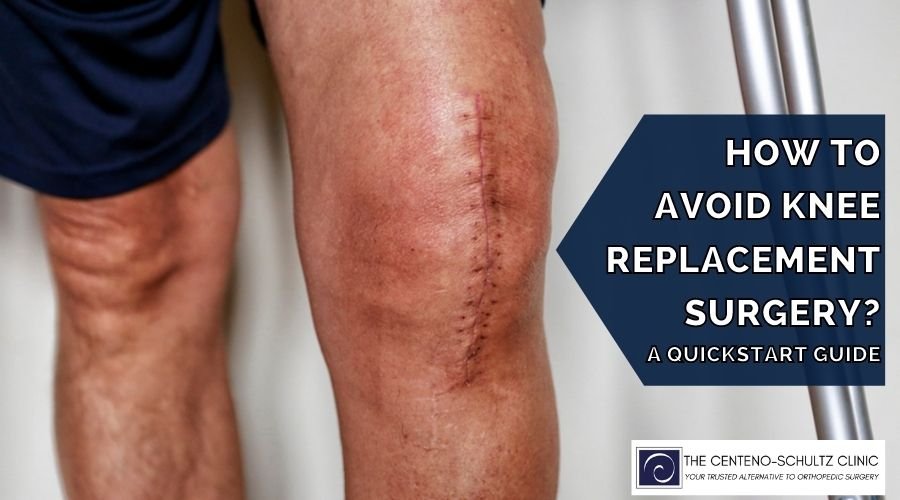
You’ve probably heard stories about people undergoing knee replacement surgeries and the challenges they face during the recovery process. However, did you know that there are preventive measures you can take to potentially avoid going under the knife altogether? In this article, we will explore some practical strategies that could help you prevent the need for knee replacement surgery and maintain the health and strength of your knees. From lifestyle changes to exercise routines, you’ll discover simple yet effective ways to keep your knees in tip-top shape. So, put on your comfy reading glasses and get ready to learn how to take care of your knees like a pro!
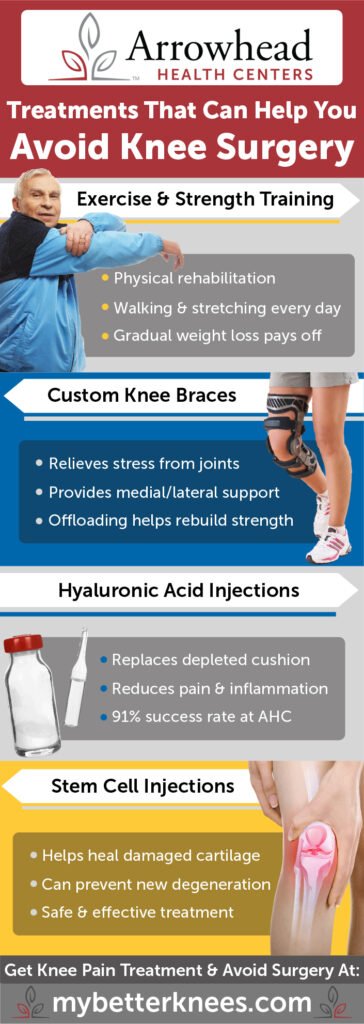
Maintaining a Healthy Weight
Understanding the Impact of Weight on Knee Health
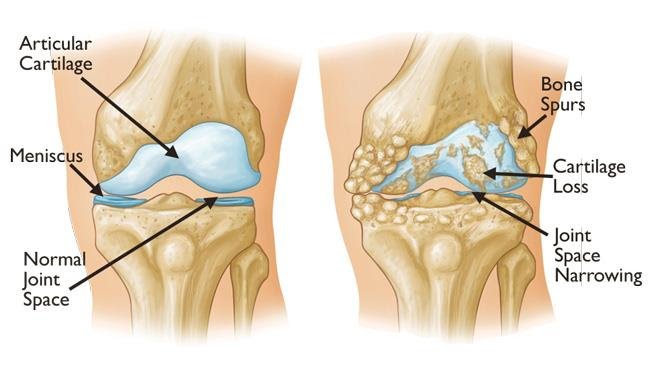
Maintaining a healthy weight is not only important for overall well-being but also plays a significant role in the health and function of your knees. Excess weight puts added stress on your knees, increasing the risk of developing knee pain and various knee conditions such as osteoarthritis. When you carry extra weight, each pound exerts about four pounds of pressure on your knees. This additional stress can lead to the breakdown of cartilage and joint degeneration.
Importance of Weight Management
Maintaining a healthy weight is crucial for managing the health of your knees. By managing your weight, you can minimize the risk of developing knee problems and slow down the progression of existing knee conditions. Losing weight can alleviate pain, improve mobility, and enhance overall quality of life. Additionally, weight management helps reduce the strain on your knees, allowing them to function optimally and decreasing the likelihood of requiring knee replacement surgery in the future.
Tips for Maintaining a Healthy Weight
To maintain a healthy weight and support the health of your knees, consider the following tips:
-
Eat a balanced diet: Incorporate a variety of nutrient-rich foods into your meals, such as fruits, vegetables, whole grains, lean proteins, and healthy fats. Avoid excessive calorie intake and limit processed foods and sugary beverages.
-
Portion control: Be mindful of portion sizes to prevent overeating. Listen to your body’s hunger and fullness cues.
-
Stay hydrated: Drink plenty of water throughout the day. Water helps with digestion, metabolism, and overall health.
-
Engage in regular physical activity: Incorporate exercises that are gentle on your knees, such as swimming, cycling, and walking. Gradually increase your activity level to improve cardiovascular health and aid in weight management.
-
Seek professional guidance: Consult a registered dietitian or nutritionist who can create a personalized diet plan to help you reach and maintain a healthy weight.
By adopting these tips, you can take proactive steps towards maintaining a healthy weight and supporting the health of your knees.
Adopting a Knee-Friendly Exercise Routine
Choosing Low-Impact Exercises
When it comes to keeping your knees healthy, it is essential to choose exercises that are low-impact and gentle on the joints. Low-impact exercises help minimize stress on your knees while still providing a range of benefits, including improved strength, flexibility, and cardiovascular fitness.
Some examples of low-impact exercises that are knee-friendly include swimming, water aerobics, cycling, using an elliptical machine, and Tai Chi. These activities help to strengthen the muscles around the knee joint without putting excessive strain on the joints themselves. By incorporating these exercises into your routine, you can improve knee function, reduce pain, and enhance overall knee health.
Incorporating Strength Training
Strength training is critical for maintaining knee health as it helps strengthen the muscles around the knee joint. When the muscles are strong, they provide better support to the knee and help absorb shock during activities, reducing the pressure on the joint.
Include exercises that target the quadriceps, hamstrings, calves, and glutes in your strength training routine. Squats, lunges, leg presses, and calf raises are examples of exercises that can help build strength in these areas. Remember to start with light weights and gradually increase the intensity as your strength improves. Hiring a certified personal trainer can be beneficial in designing a safe and effective strength training program tailored to your specific needs and abilities.
Importance of Stretching and Flexibility Exercises
Maintaining flexibility in your muscles and joints is essential for optimal knee health. Regular stretching exercises improve joint mobility, decrease stiffness, and reduce the risk of injuries during physical activities. Flexibility exercises can also alleviate knee pain by reducing muscle imbalances and promoting proper alignment.
Incorporate both static and dynamic stretching into your routine. Static stretches involve holding a stretch for 15-30 seconds, while dynamic stretches involve controlled movements that take your joints through a full range of motion. Stretching exercises that target the muscles around the hips, knees, and ankles, such as quad stretches, hamstring stretches, and calf stretches, can help improve knee flexibility and mobility.
By incorporating a combination of low-impact exercises, strength training, and flexibility exercises into your routine, you can adopt a knee-friendly exercise regimen that supports the health and function of your knees.
Managing Joint Pain and Inflammation
Understanding Common Causes of Knee Pain
Knee pain can arise from various causes, including injury, overuse, and underlying conditions such as osteoarthritis. Understanding the common causes can help you better manage and prevent knee pain.
Injury-related knee pain can result from sudden trauma, such as a fall or sports-related mishap, or from repetitive stress on the knee joint over time. Overuse injuries often occur when you engage in activities that place excessive strain on the knees, such as running or jumping.
Conditions like osteoarthritis, rheumatoid arthritis, and gout can also lead to knee pain and inflammation. These conditions cause joint degeneration, inflammation, and cartilage breakdown, resulting in chronic knee pain.
Effective Pain Management Strategies
Addressing knee pain promptly and effectively is essential for maintaining knee health. Consider the following strategies to manage knee pain:
-
Rest and elevation: When experiencing knee pain, it is essential to give your knees a break and avoid activities that exacerbate the pain. Elevating your legs can help reduce swelling.
-
Heat and cold therapy: Applying ice packs or cold compresses to the affected area can help reduce inflammation and relieve pain. Heat therapy, such as warm towels or warm water baths, can help relax the muscles and provide relief.
-
Nonsteroidal anti-inflammatory drugs (NSAIDs): Over-the-counter medications like ibuprofen or naproxen can help reduce pain and inflammation. However, consult a healthcare professional before taking any medications, especially if you have underlying medical conditions.
-
Physical therapy: A physical therapist can provide exercises, stretches, and other therapeutic modalities to help alleviate pain, improve knee function, and strengthen the surrounding muscles.
-
Assistive devices: Using supportive devices like knee braces, crutches, or walking aids can help reduce pressure on the knees and provide stability during daily activities.
Remember, it is essential to consult with a healthcare professional if you are experiencing persistent or severe knee pain to determine the underlying cause and receive appropriate treatment.
Alternative Therapies for Joint Pain
In addition to conventional pain management strategies, several alternative therapies have shown promise in relieving joint pain and inflammation. These include:
-
Acupuncture: This ancient Chinese practice involves inserting thin needles into specific points on the body to promote pain relief and healing.
-
Massage therapy: Therapeutic massage can help reduce muscle tension, improve circulation, and alleviate knee pain.
-
Herbal supplements: Certain natural supplements, such as turmeric, ginger, and omega-3 fatty acids, have anti-inflammatory properties and may help reduce joint pain.
-
Mind-body techniques: Practices such as yoga, meditation, and tai chi promote relaxation, stress reduction, and improved body awareness, potentially leading to decreased pain levels.
While alternative therapies may provide relief for some, it is essential to consult with a qualified healthcare professional to ensure their safety and effectiveness, particularly if you have pre-existing medical conditions or are taking other medications.
By understanding the common causes of knee pain, implementing effective pain management strategies, and exploring alternative therapies, you can better manage knee pain and minimize its impact on your daily life.
Improving Knee Strength and Stability
Benefits of Building Strong Muscles Around the Knee
Building strength in the muscles surrounding the knee joint is crucial for enhancing knee stability and preventing knee injuries. Strong muscles help support the knee, absorb shock during physical activities, and provide stability during movement.
When the muscles around the knee are weak, the joint becomes more vulnerable to injuries and instability. By incorporating exercises that target the quadriceps, hamstrings, calves, and glutes, you can improve the strength and stability of your knees.
Exercises to Strengthen the Knee
Include the following exercises to strengthen the muscles around the knee joint:
-
Quadriceps strengthening exercises: Straight leg raises, wall squats, and seated leg extensions target the quadriceps muscles, which play a significant role in knee stability.
-
Hamstring strengthening exercises: Hamstring curls, deadlifts, and bridges strengthen the hamstrings, which provide support and stability to the knee joint.
-
Calf strengthening exercises: Calf raises, using a resistance band, and toe raises help strengthen the calf muscles, which aid in shock absorption during movements.
-
Glute strengthening exercises: Squats, lunges, and hip bridges target the gluteus maximus and medius muscles, which assist in hip and knee stability.
It is crucial to perform these exercises with proper form and gradually increase the intensity as your strength improves. If you have any pre-existing knee conditions or concerns, consult with a healthcare professional or certified personal trainer before starting a new exercise program.
Utilizing Assistive Devices for Stability
In some cases, utilizing assistive devices can provide additional stability and support for your knees. Knee braces or sleeves can help reduce pain, support weak joints, and provide compression to alleviate swelling. These devices can be especially beneficial during physical activity or while participating in sports.
Orthotic inserts or shoe insoles can also help improve knee stability by correcting foot alignment and providing additional cushioning. They can assist in distributing the forces evenly throughout the lower extremities, reducing the strain on the knees.
When using assistive devices, consult with a healthcare professional or orthopedic specialist to ensure that you are using the appropriate device for your specific needs and receiving the maximum benefit.
By improving knee strength and stability through targeted exercises and utilizing assistive devices when necessary, you can enhance the overall function and health of your knees.

Taking Care of Your Joints
Protecting Your Knees from Injury
Preventing knee injuries is crucial for maintaining optimal knee health. By implementing the following strategies, you can minimize the risk of knee injuries:
-
Warm-up and cool-down: Always warm up your muscles before engaging in physical activities and cool them down afterward. Start with gentle stretching exercises and gradually increase the intensity of your activity.
-
Use proper technique: When participating in sports or engaging in physical activities, ensure that you use proper technique to reduce the risk of knee injuries. When jumping or landing, bend your knees and keep them aligned with your toes.
-
Avoid sudden changes in intensity: Gradually increase the intensity and duration of your workouts to prevent placing excessive stress on your knees. Avoid sudden changes in training or activity level, especially if you are new to a particular exercise or sport.
-
Maintain a healthy weight: As discussed earlier, excess weight puts added stress on your knees. By maintaining a healthy weight, you reduce the strain on your knees and minimize the risk of injuries.
-
Wear protective gear: If participating in high-impact or contact sports, wear appropriate protective gear, including knee pads, to reduce the risk of injuries.
By incorporating these preventive measures into your daily routine, you can significantly reduce the risk of knee injuries and keep your knees healthy and functional.
Choosing Appropriate Footwear
Proper footwear plays a crucial role in supporting the health and function of your knees. When selecting shoes, consider the following factors:
-
Arch support: Choose shoes that provide adequate arch support to promote proper foot and knee alignment. This helps distribute forces evenly, reducing strain on the knees.
-
Cushioning: Opt for shoes with sufficient cushioning to absorb impact and protect your knees from excessive stress during daily activities or exercise.
-
Stability: Shoes with a stable base and good ankle support can help enhance knee stability, minimizing the risk of injuries.
-
Proper fit: Make sure your shoes fit correctly with enough room for your toes. Ill-fitting shoes can lead to foot and knee alignment issues.
Consult with a professional shoe fitter or a podiatrist to ensure you choose the right footwear that suits your foot structure and activity level.
Avoiding Overuse and High-Impact Activities
Engaging in overuse activities and high-impact exercises can increase the risk of knee injuries and negatively impact knee health. To protect your knees, consider the following:
-
Cross-training: Instead of engaging in the same repetitive activities every day, incorporate a variety of exercises and activities into your routine. This helps prevent overuse injuries and allows your knees to rest and recover.
-
Modify high-impact exercises: If you enjoy high-impact activities like running or jumping, consider adding low-impact alternatives into your routine to reduce the stress on your knees. For example, incorporate swimming or cycling sessions instead of solely focusing on running.
-
Listen to your body: Pay attention to any signs of pain, discomfort, or swelling in your knees. If you experience any symptoms, take a break and allow your knees to rest. Pushing through pain may lead to further injury or damage.
-
Alternate rest and activity: Balance physical activity with rest days to allow your body, including your knees, to recover. Rest days are essential for preventing overuse injuries and promoting overall joint health.
By adopting these strategies and making informed choices about your physical activities, footwear, and training methods, you can safeguard your knees against injuries and maintain their long-term health.
Eating a Nutrient-Rich Diet
Importance of Nutrition for Joint Health
Proper nutrition plays a key role in supporting the health and well-being of your joints, including your knees. A nutrient-rich diet can help reduce joint inflammation, promote cartilage health, and provide the necessary building blocks for strong and healthy joints.
Essential Nutrients for Healthy Joints
Incorporate the following essential nutrients into your diet to support joint health:
-
Omega-3 fatty acids: Found in fatty fish like salmon, mackerel, and sardines, as well as chia seeds, flaxseeds, and walnuts. Omega-3 fatty acids have anti-inflammatory properties that can help reduce joint pain and inflammation.
-
Antioxidants: Include a variety of colorful fruits and vegetables in your diet, such as berries, leafy greens, and bell peppers. These foods are rich in antioxidants, which help protect the joints from oxidative stress and inflammation.
-
Vitamin C: Citrus fruits, strawberries, kiwis, bell peppers, and broccoli are excellent sources of vitamin C. This vitamin plays a crucial role in collagen synthesis, which is essential for maintaining healthy cartilage.
-
Calcium and vitamin D: Dairy products, leafy greens, and fortified foods are good sources of calcium, while sunlight is a natural source of vitamin D. These nutrients promote bone health, providing a strong foundation for the joints.
-
Zinc and copper: Incorporate lean meats, legumes, whole grains, and nuts into your diet to ensure adequate intake of zinc and copper. These minerals are essential for collagen synthesis and joint repair.
-
Hydration: Proper hydration is essential for joint health. Drink enough water throughout the day to keep your joints lubricated and assist in maintaining the overall health of your body.
Incorporating Foods That Promote Joint Health
Include the following foods in your diet to promote joint health:
-
Fatty fish: Incorporate oily fish like salmon, tuna, and trout into your meals at least twice a week to benefit from their omega-3 fatty acid content.
-
Berries: Blueberries, strawberries, and cherries are rich in antioxidants, which can help reduce inflammation and soothe joint pain.
-
Leafy greens: Spinach, kale, and Swiss chard are excellent sources of nutrients like calcium, vitamin C, and antioxidants.
-
Nuts and seeds: Walnuts, chia seeds, and flaxseeds are packed with omega-3 fatty acids and can be added to salads, smoothies, or oatmeal.
-
Citrus fruits: Oranges, grapefruits, and lemons are high in vitamin C, which is essential for collagen synthesis and joint health.
-
Turmeric: This spice has anti-inflammatory properties and can be used to add flavor to various dishes. Consider cooking with turmeric or drinking turmeric tea.
Remember, maintaining a well-balanced diet that includes a variety of nutrient-rich foods is essential for overall health, including the health of your joints.
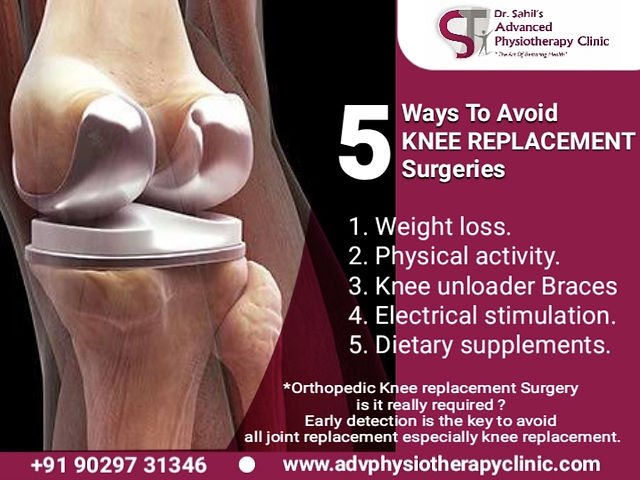
Avoiding Excessive Stress on the Knees
Understanding Activities That Place Stress on the Knees
Certain activities place excessive stress on the knees and can lead to pain, inflammation, and even injury. By understanding these activities, you can modify or avoid them to protect your knees:
-
Running on hard surfaces: High-impact activities like running on concrete or asphalt can put significant stress on your knees. Consider running on softer surfaces like grass or opting for low-impact exercises like swimming or cycling.
-
Jumping and landing improperly: Sports that involve frequent jumping or improper landing techniques, such as basketball or volleyball, can increase the risk of knee injuries. Ensure you use proper technique and engage in strength training to improve your landing mechanics.
-
Repetitive movements: Certain repetitive movements, such as squats or lunges performed with improper form or excessive weight, can strain the knees. Focus on maintaining proper alignment, using appropriate weights, and consulting with a fitness professional to ensure proper technique.
-
Prolonged standing or kneeling: Jobs or activities that require prolonged standing or kneeling can lead to knee discomfort and inflammation. Use knee pads or take frequent breaks to relieve pressure on your knees.
Proper Techniques for Lifting and Carrying Heavy Objects
Improper lifting and carrying techniques can place excessive stress on your knees and increase the risk of knee injuries. Follow these guidelines to prevent knee strain:
-
Bend at the knees: When lifting heavy objects, squat down by bending your knees while keeping your back straight. Avoid bending at the waist to reduce strain on your back and knees.
-
Use your leg muscles: Engage your leg muscles to lift the load instead of relying solely on your back or arms. Pushing up with your legs can reduce the strain on your knees.
-
Maintain a neutral spine: Keep your back straight and avoid twisting or jerking motions while lifting or carrying heavy objects. This helps distribute the weight evenly and protects your knees and back.
-
Seek help when needed: If an object is too heavy or awkward to lift alone, ask for assistance. Remember, it is better to ask for help than risk injuring your knees or other body parts.
By using proper lifting and carrying techniques, you can protect your knees from strains and injuries, reducing the likelihood of knee replacement surgery in the future.
Protecting Your Knees During Workouts
While physical activity is essential for overall health and knee strength, it is crucial to protect your knees during workouts. Consider the following tips to safeguard your knees:
-
Warm-up and cool-down: Prior to workouts, warm up your muscles with dynamic stretching to increase joint flexibility and blood flow. Similarly, cool down with static stretches to maintain flexibility.
-
Use proper footwear: Wear appropriate shoes that provide cushioning and support for your specific workout or activity. This helps absorb shock and reduce the strain on your knees.
-
Modify exercises based on ability: If you have pre-existing knee conditions or concerns, modify exercises as necessary to avoid placing excessive stress on your knees. Talk to a fitness professional for alternative exercises or modifications.
-
Listen to your body: Pay attention to any discomfort or pain during workouts. If you experience knee pain, modify or stop the exercise altogether. Pushing through pain can lead to further injury.
-
Use knee protection: If you have a history of knee pain or instability, consider using knee braces or sleeves during workouts to provide additional support and stability.
By taking precautions and being mindful of your knees during workouts, you can safely engage in physical activity and reduce the risk of knee injuries.
Managing Existing Medical Conditions
Impact of Pre-existing Medical Conditions on Knee Health
If you have pre-existing medical conditions, managing them effectively is crucial for maintaining the health of your knees. Certain medical conditions, such as rheumatoid arthritis, gout, or metabolic disorders, can predispose you to knee problems, including chronic pain and inflammation.
It is essential to work closely with healthcare professionals, such as rheumatologists, orthopedic specialists, or primary care physicians, to effectively manage your medical conditions and mitigate their impact on your knees. Following their recommendations, taking prescribed medications, and attending regular check-ups are vital steps in maintaining knee health.
Collaborating with Healthcare Professionals
Collaboration with healthcare professionals is crucial for managing existing medical conditions and ensuring optimal knee health. These professionals can provide personalized treatment plans, advice, and guidance based on your specific needs. Some healthcare professionals who can play a role in managing your knee health include:
-
Rheumatologists: Specialize in treating conditions like rheumatoid arthritis and systemic autoimmune diseases that can affect the joints, including the knees.
-
Orthopedic specialists: Focus on diagnosing and treating orthopedic conditions, including knee-related problems. They can offer surgical and nonsurgical treatment options.
-
Primary care physicians: Serve as the first point of contact for medical concerns and can provide referrals to appropriate specialists, prescribe medications, and coordinate overall care.
-
Physical therapists: Design personalized exercise programs, provide pain management techniques, and suggest mobility aids to promote knee health and function.
By collaborating with these professionals and adhering to their recommendations, you can effectively manage your existing medical conditions and support the health of your knees.
Follow Treatment Plans and Medication Regimens
Following your treatment plans, including medication regimens, is essential for effectively managing existing medical conditions and preserving knee health. Certain medications, such as disease-modifying anti-rheumatic drugs (DMARDs) or nonsteroidal anti-inflammatory drugs (NSAIDs), can help reduce joint inflammation, relieve pain, and slow down disease progression.
It is crucial to take medications as prescribed and attend regular follow-up appointments with your healthcare provider to monitor your condition and adjust treatment plans if necessary. Open communication with your healthcare team is essential in addressing any concerns or side effects related to your medications.
Remember, it is important to consult with your healthcare provider before making any changes to your treatment plan or medication regimen.
By actively participating in your treatment plan and adhering to prescribed medications, you can effectively manage existing medical conditions and promote optimal knee health.
Maintaining Proper Posture and Alignment
Understanding the Importance of Good Posture
Maintaining good posture is crucial for reducing stress on your knees and promoting overall musculoskeletal health. Poor posture can lead to muscular imbalances, joint misalignment, and increased pressure on your knees.
By practicing good posture, you can ensure the correct alignment of your entire body, including your knees. This alignment helps distribute forces evenly, reducing strain on the joints and minimizing the risk of injuries.
Improving Alignment and Body Mechanics
To improve your posture and alignment, consider the following tips:
-
Stand tall: Imagine a string pulling the top of your head towards the ceiling, elongating your spine. Distribute your weight evenly on both feet, keeping your knees slightly bent and aligned with your feet.
-
Engage your core: Strengthening your core muscles, including your abdominal and back muscles, can provide stability and support for your spine, reducing stress on your knees.
-
Maintain neutral alignment: Keep your shoulders relaxed, avoid hunching or rounding your upper back, and prevent excessive arching or rounding of your lower back.
-
Sit correctly: When sitting for extended periods, use a chair with proper lumbar support and keep both feet flat on the floor. Avoid crossing your legs, as it can lead to uneven weight distribution.
-
Supportive pillows: If you spend a lot of time sitting, using a lumbar roll or pillow to support your lower back can help maintain proper posture.
-
Avoid prolonged sitting or standing: Take regular breaks to change positions and stretch your muscles. Prolonged sitting or standing can lead to poor posture and increased strain on your knees.
By incorporating these tips into your daily life, you can gradually improve your posture, maintain proper alignment, and reduce excessive stress on your knees.
Ergonomic Adjustments for Knee Health
In addition to improving alignment and posture, making ergonomic adjustments in your environment can further support the health of your knees. Consider the following adjustments:
-
Desk ergonomics: Ensure your workstation is set up ergonomically to promote good posture and reduce strain on your knees. Adjust your chair height so that your knees are at a 90-degree angle and your feet are flat on the floor.
-
Proper lifting techniques: When lifting or carrying heavy objects, use proper lifting techniques to reduce stress on your knees. Bend at the knees, engage your leg muscles, and keep your back straight as mentioned earlier.
-
Supportive footwear: Wear supportive and comfortable shoes that provide adequate cushioning, arch support, and shock absorption. This helps reduce strain on your knees during prolonged periods of standing or walking.
-
Ergonomic aids: Consider using supportive devices, such as ergonomic chairs, standing desks, or kneeling chairs, to reduce knee strain while sitting for extended periods. These aids can help maintain better posture and reduce the risk of knee discomfort.
By adopting ergonomic adjustments and incorporating good posture practices into your daily routine, you can promote proper alignment, minimize stress on your knees, and maintain their long-term health.
Engaging in Regular Physical Therapy
Benefits of Physical Therapy for Knee Health
Engaging in regular physical therapy sessions can provide numerous benefits for knee health. Physical therapy helps improve mobility, strength, and stability in the knees, reduces pain, and promotes overall functionality.
Physical therapists are trained healthcare professionals who create personalized exercise programs, provide hands-on treatments, and offer guidance to optimize your knee health. They can also assess your movement patterns and biomechanics, identify areas of weakness or imbalance, and prescribe appropriate exercises and stretches.
Rehabilitation Exercise Programs
Physical therapists can design rehabilitation exercise programs tailored to your specific needs and goals. These programs typically include a combination of the following:
-
Range of motion exercises: These exercises help improve joint mobility and flexibility. They involve gently moving the knee joint through its full range of motion, guided by a physical therapist.
-
Strengthening exercises: Physical therapists prescribe exercises that target the muscles around the knee joint, such as the quadriceps, hamstrings, and glutes. These exercises help improve stability, support, and function of the knee.
-
Balance and proprioception exercises: Balance exercises help improve joint stability and proprioception, which is your sense of joint position. This reduces the risk of falls and further knee injuries.
-
Functional exercises: Depending on your specific needs and goals, physical therapists incorporate functional exercises that mimic everyday activities or sports-related movements. These exercises aim to improve your ability to perform daily tasks and safely resume your desired activities.
Through regular participation in rehabilitation exercise programs, you can improve knee strength, flexibility, and stability, while reducing pain and promoting overall knee health.
Long-term Self-Management Strategies
Physical therapy not only provides short-term benefits but also equips you with long-term self-management strategies to maintain and improve your knee health. These strategies typically include:
-
Home exercise programs: Physical therapists provide you with exercises, stretches, and self-treatment techniques that you can perform at home to continue the progress made during therapy sessions.
-
Self-care techniques: Physical therapists may teach you self-care techniques, such as ice or heat therapy, to manage pain and inflammation at home.
-
Lifestyle modifications: Physical therapists can help you identify lifestyle factors that may contribute to knee pain or injury. They can provide recommendations for modifying activities, avoiding triggers, and optimizing your overall well-being.
-
Education and guidance: Physical therapists educate you about your condition, its underlying causes, and ways to prevent further knee problems. They also provide guidance on incorporating appropriate exercises and activities into your daily routine.
By actively participating in physical therapy, adhering to recommended exercises, and implementing the self-management strategies provided, you can optimize your knee health, prevent future knee problems, and potentially avoid knee replacement surgery.
In conclusion, maintaining knee health is crucial for overall well-being and quality of life. By understanding the impact of weight on knee health and adopting a knee-friendly exercise routine, you can support the health and function of your knees. Moreover, managing joint pain and inflammation, improving knee strength and stability, taking care of your joints, eating a nutrient-rich diet, avoiding excessive stress on the knees, managing existing medical conditions, maintaining proper posture and alignment, and engaging in regular physical therapy are all important components of a comprehensive knee health plan. By following these guidelines and incorporating them into your daily life, you can take proactive measures to prevent knee replacement surgery and enjoy a lifetime of healthy knees.