
In this article, you will discover some practical and effective strategies to prevent liver cancer. By implementing a few simple lifestyle changes, you can significantly reduce your risk and safeguard the health of your liver. From maintaining a balanced diet to avoiding harmful substances, these preventive measures will empower you to take proactive steps towards a cancer-free life. Let’s explore the key factors that contribute to liver cancer and learn how to protect ourselves from this potentially life-threatening disease.
Maintain a healthy weight
Monitor your body mass index (BMI)
One of the key factors in preventing liver cancer is maintaining a healthy weight. Keeping your body mass index (BMI) within a healthy range can greatly reduce your risk. BMI is a measure of body fat based on your height and weight. By monitoring your BMI and keeping it within a healthy range, you can ensure that you are not carrying excess weight, which can strain your liver and increase your risk of developing certain types of liver cancer.
Engage in regular physical activity
Regular physical activity is not only important for overall health, but it can also significantly reduce your risk of developing liver cancer. Engaging in activities such as walking, jogging, swimming, or cycling can help you maintain a healthy weight, improve your cardiovascular health, and boost your immune system. Aim for at least 150 minutes of moderate-intensity or 75 minutes of vigorous-intensity exercise per week to keep your liver healthy and reduce the risk of liver cancer.
Eat a balanced diet
Maintaining a balanced and nutritious diet is essential for preventing liver cancer. Include a variety of fruits, vegetables, whole grains, and lean proteins in your meals. Limit your intake of saturated fats, processed foods, and sugary snacks and drinks. Incorporating foods that are rich in antioxidants, such as berries, leafy greens, and green tea, can help protect your liver from oxidative damage. Additionally, avoid consuming excessive amounts of salt, as it can contribute to liver damage and increase the risk of liver cancer.
Avoid excessive alcohol consumption
Know your limits
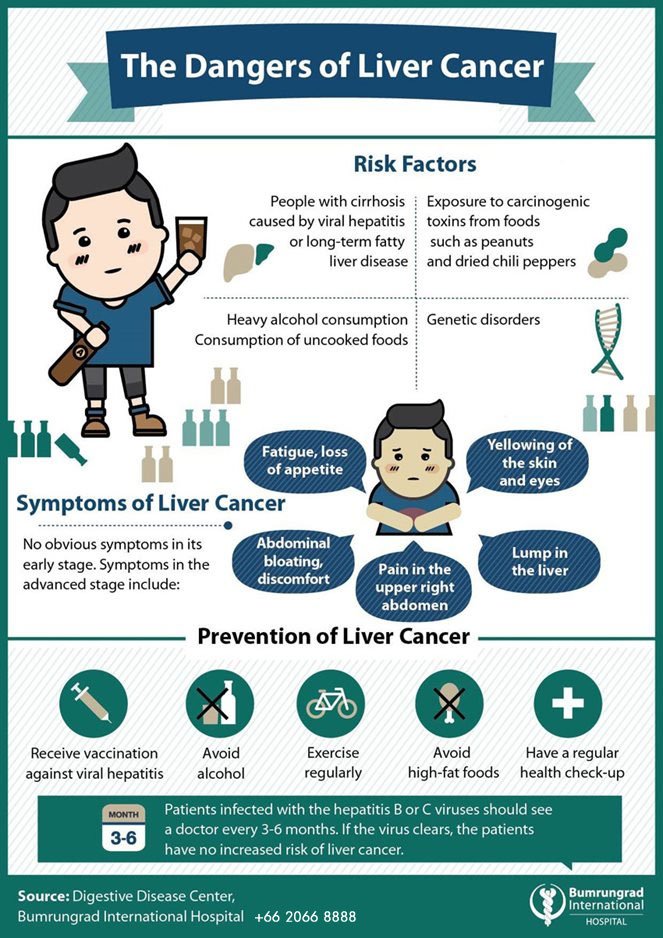
One of the most important steps in preventing liver cancer is to avoid excessive alcohol consumption. Excessive alcohol intake can lead to liver inflammation, cirrhosis, and even liver cancer. It is crucial to know your limits and practice moderation when it comes to alcohol. For men, the recommended alcohol limit is no more than two drinks per day, while for women, it is no more than one drink per day. It is essential to be mindful of your alcohol intake and seek help if you find it difficult to control or stop drinking.
Consider alternative beverages
If you choose to consume alcoholic beverages, consider opting for alternative options that are lower in alcohol content. Light beers, wines, or spirits with lower alcohol percentages can be a better choice than heavier and higher-alcohol options. It is important to remember that even with lower-alcohol alternatives, moderation is key. Additionally, be cautious of mixed drinks and cocktails that can contain multiple types of alcohol and mixers, which can increase your overall alcohol intake.
Seek professional help if needed
If you find it challenging to control your alcohol consumption or if you have developed a dependence on alcohol, it is essential to seek professional help. There are various resources available, such as addiction counselors, support groups, and rehabilitation centers, that can provide the necessary guidance and assistance to help you overcome alcohol addiction. Remember, it is never too late to seek help, and reaching out for support is a crucial step towards preventing liver cancer and improving your overall well-being.
Quit smoking
Understand the risks of smoking
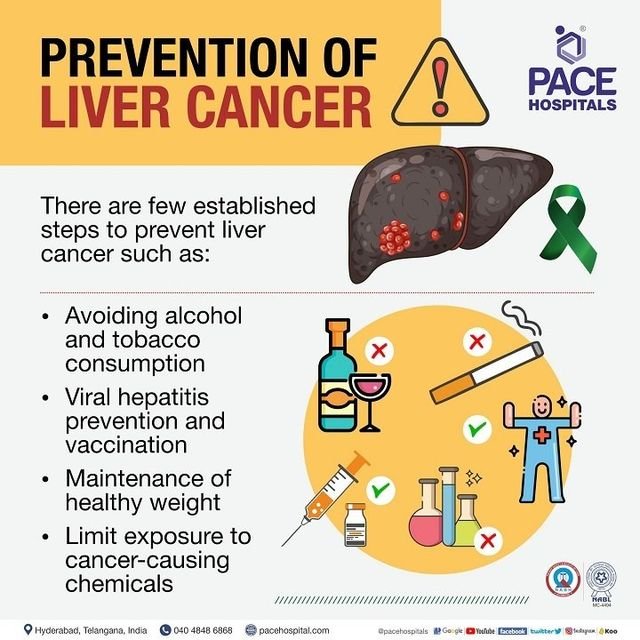
Smoking is a detrimental habit that not only affects your respiratory health but also significantly increases the risk of developing several types of cancer, including liver cancer. Smoking exposes your body to harmful chemicals and toxins that can damage your liver cells and lead to the development of cancerous tumors. Understanding the risks associated with smoking is crucial in motivating yourself to quit and protect your liver health.
Identify triggers and develop coping strategies
Quitting smoking can be challenging, but with the right strategies and support, it is possible to overcome this habit. Start by identifying the triggers that make you reach for a cigarette, such as stress, boredom, or social situations. Once you have identified your triggers, develop coping strategies to replace smoking. For example, if you usually smoke after a meal, try going for a walk instead. If stress is a trigger, find healthier ways to manage stress, such as practicing yoga, deep breathing exercises, or engaging in a hobby you enjoy.
Explore nicotine replacement therapy options
Nicotine replacement therapy (NRT) can be an effective tool to help you quit smoking and reduce the risk of liver cancer. NRT products, such as nicotine patches, gum, or lozenges, deliver controlled amounts of nicotine to your body, helping to reduce the cravings and withdrawal symptoms associated with quitting smoking. Talk to your healthcare provider about the NRT options available and determine which one is the most suitable for you. Remember, quitting smoking is a long-term commitment, and seeking professional help and support can greatly increase your chances of success.
Protect yourself from hepatitis
Stay updated with vaccinations
Hepatitis B and hepatitis C infections are major risk factors for liver cancer. One of the most effective ways to prevent these infections and subsequently reduce the risk of liver cancer is to stay updated with vaccinations. The hepatitis B vaccine is recommended for all infants, adolescents, and adults who haven’t been vaccinated. Additionally, the hepatitis A vaccine is also available and can provide protection against hepatitis A, another type of viral infection that can affect the liver. By ensuring you are vaccinated against hepatitis, you can take a significant step towards protecting your liver health.
Practice safe sex
Hepatitis B and C can be transmitted through sexual contact. Engaging in safe sex practices, such as using condoms, can help protect you from these infections. It is important to have open and honest conversations with your sexual partners about your sexual health and any potential risks. If you are unsure of your partner’s hepatitis status, consider getting tested together and take necessary precautions to prevent transmission.
Avoid sharing needles or other drug paraphernalia
Sharing needles or other drug paraphernalia significantly increases the risk of hepatitis B and C infections, which can ultimately lead to liver cancer. If you use drugs, it is essential to never share needles, syringes, or any other equipment. Instead, use sterile equipment and dispose of it properly after use. Additionally, seek help and support if you are struggling with drug use or addiction. Rehabilitation programs and harm reduction services can provide assistance in overcoming addiction and reducing the risk of infection.
Limit exposure to toxins
Be cautious with medications
Certain medications, when used excessively or without proper medical supervision, can cause liver damage and increase the risk of liver cancer. Non-prescription pain relievers, such as acetaminophen, can be toxic to the liver when taken in large doses. It is important to follow the recommended dosage and speak with your healthcare provider if you have any concerns about medication safety. Additionally, always inform your healthcare provider of any medications you are taking to ensure they do not have any adverse effects on your liver health.
Avoid exposure to pesticides and chemicals
Prolonged exposure to pesticides and chemicals can negatively impact liver function and increase the risk of liver cancer. When working with or around these substances, take necessary precautions to protect yourself. Wear protective clothing, such as gloves and masks, and ensure proper ventilation in areas where chemicals are used. Additionally, consider using organic and chemical-free products at home whenever possible to minimize your exposure to harmful substances.
Protect yourself from harmful substances at work
If your job involves handling or being exposed to harmful substances, it is crucial to take necessary precautions to protect your liver health. Follow all safety guidelines and practices provided by your employer, including wearing appropriate protective gear, using ventilation systems, and practicing good hygiene. If you have concerns about the safety of your workplace or if you notice any potential hazards, report them to your supervisor or human resources department to ensure appropriate action is taken to protect everyone’s health.
Stay hydrated
Drink plenty of water
Staying hydrated is essential for maintaining a healthy liver. Drinking plenty of water throughout the day helps flush toxins out of your liver and supports its optimal function. Aim to drink at least eight cups of water per day, and increase your intake if you engage in intense physical activity or if you live in a hot climate. Remember, water is the best hydrating option, so make it a habit to carry a water bottle with you and sip on it regularly.
Limit sugary drinks
While staying hydrated is important, it is equally important to limit your intake of sugary drinks. Beverages such as soda, fruit juices, energy drinks, and sweetened teas can contain high amounts of added sugars, which can negatively impact your liver health and increase the risk of liver cancer. Opt for water, herbal teas, or unsweetened beverages instead. If you crave flavor, try infusing your water with fresh fruits or herbs for a refreshing and healthy twist.
Avoid excessive caffeine intake
While caffeine in moderation can have some health benefits, excessive consumption can have a negative impact on your liver health. Caffeine is processed by the liver, and consuming large amounts can put unnecessary stress on this vital organ. Aim to limit your caffeine intake and be mindful of hidden sources of caffeine, such as some medications and energy drinks. If you find it challenging to reduce your caffeine consumption, consider gradually decreasing your intake and replacing caffeinated beverages with herbal teas or decaffeinated options.
Maintain a healthy liver
Consume foods rich in antioxidants
Incorporating foods that are rich in antioxidants in your diet can help maintain a healthy liver and reduce the risk of liver cancer. Antioxidants help protect your liver from oxidative stress and damage by neutralizing free radicals. Include colorful fruits and vegetables, such as berries, spinach, kale, and tomatoes, in your meals. Additionally, foods like nuts, seeds, and green tea are also excellent sources of antioxidants. By incorporating these foods into your diet, you can support liver health and overall well-being.
Avoid consuming raw or undercooked shellfish
Raw or undercooked shellfish, such as oysters, clams, and mussels, can be a common source of hepatitis A and other infections that can affect the liver. These infections can increase the risk of liver cancer. It is important to ensure that shellfish are properly cooked before consuming them to eliminate any potential contamination. If you are unsure about the safety of the shellfish or if you have a compromised immune system, it is best to avoid consuming them altogether.
Opt for organic produce when possible
Choosing organic produce whenever possible can help reduce your exposure to pesticides and chemicals that can harm your liver. Organic farming practices minimize the use of synthetic pesticides and fertilizers, resulting in produce that is free from harmful residues. When shopping for fruits, vegetables, and other produce, look for organic options. If organic produce is not readily available or affordable, washing conventionally grown produce thoroughly can help remove some pesticide residues.
Get regular check-ups
Screening for hepatitis infections
Regular check-ups and screenings are crucial for preventing and detecting liver cancer in its early stages. Talk to your healthcare provider about getting screened for hepatitis B and C infections, as these are major risk factors for liver cancer. Early detection of these infections allows for timely intervention and treatment, reducing the risk of liver cancer development.
Monitor liver function through blood tests
Routine blood tests can also help monitor your liver function and identify any abnormalities or signs of liver damage. Your healthcare provider may recommend periodic liver enzyme tests, such as alanine aminotransferase (ALT) and aspartate aminotransferase (AST) tests, to assess liver health. These tests can detect signs of liver inflammation or damage, providing valuable insight into your liver function.
Discuss potential risk factors with your healthcare provider
During your regular check-ups, take the opportunity to discuss any potential risk factors for liver cancer with your healthcare provider. They can assess your overall health, evaluate your lifestyle choices, and provide personalized recommendations for reducing your risk. Being open and honest with your healthcare provider allows them to provide appropriate guidance and support to help you maintain a healthy liver and reduce the risk of liver cancer.

Manage diabetes and other related conditions
Keep blood sugar levels under control
If you have diabetes or other related conditions, it is important to keep your blood sugar levels under control to reduce the risk of liver cancer. High blood sugar levels can lead to fatty liver disease and inflammation, increasing the risk of liver cancer development. Follow your healthcare provider’s recommendations for managing your condition, including proper medication management, regular monitoring of blood sugar levels, and adopting a diabetic-friendly lifestyle.
Follow a diabetic-friendly diet
Following a diabetic-friendly diet can help manage your blood sugar levels and support optimal liver health. Focus on consuming foods that are low in refined sugars and carbohydrates and opt for complex carbohydrates, lean proteins, healthy fats, and high-fiber foods. Additionally, monitor your portion sizes and spread your meals throughout the day to maintain stable blood sugar levels. Consulting with a registered dietitian or nutritionist who specializes in diabetes management can provide valuable guidance and support in developing a personalized meal plan.
Take prescribed medications as directed
If you have diabetes or other related conditions, it is essential to take your prescribed medications as directed by your healthcare provider. These medications are specifically designed to help manage your condition and reduce the risk of complications, including liver cancer. Do not make any changes to your medication regimen without consulting your healthcare provider, and be sure to adhere to the recommended dosage and schedule.
Educate yourself and raise awareness
Read about liver cancer prevention
Education is a powerful tool in preventing liver cancer. Take the time to read about liver cancer prevention, risk factors, and early detection strategies. Stay informed about the latest research and advancements in liver cancer prevention and share this knowledge with others. The more you educate yourself about liver cancer, the better equipped you will be to make informed decisions and take proactive steps towards prevention.
Attend educational events or seminars
Attending educational events or seminars focused on liver cancer prevention and awareness can provide valuable insights and resources. These events often feature expert speakers, interactive sessions, and opportunities to network with like-minded individuals who are passionate about liver health. Keep an eye out for local or online events related to liver cancer prevention and make an effort to participate in them to expand your knowledge and support the cause.
Share information with friends and family
Raising awareness about liver cancer prevention is not only important for your own health but also for the well-being of your friends and family. Share the information you have learned about liver cancer prevention, risk factors, and healthy lifestyle choices with your loved ones. Encourage them to prioritize their liver health and support them in making positive changes. Together, you can create a healthier and more informed community, reducing the risk of liver cancer for everyone.
In conclusion, taking proactive steps to prevent liver cancer is essential for maintaining your overall health and well-being. By maintaining a healthy weight, avoiding excessive alcohol consumption and smoking, protecting yourself from hepatitis, limiting exposure to toxins, staying hydrated, maintaining a healthy liver, getting regular check-ups, managing diabetes and other related conditions, and educating yourself and raising awareness, you can significantly reduce your risk of developing this devastating disease. Prioritize your liver health, make healthy choices, and empower yourself with knowledge to safeguard your liver and lead a long and fulfilling life.
