
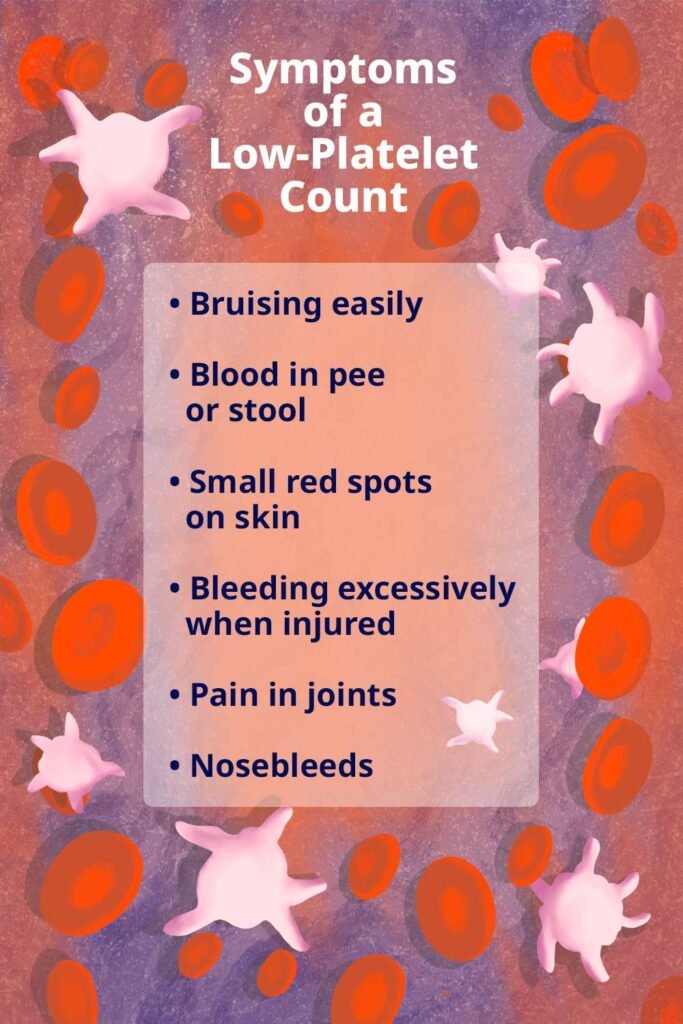
In this article, you will discover simple yet effective ways to prevent low blood platelets. Low blood platelets, also known as thrombocytopenia, can lead to excessive bleeding and bruising, making it crucial to take proactive measures. By incorporating healthy lifestyle choices, such as maintaining a balanced diet, engaging in regular exercise, and managing stress levels, you can ensure that your blood platelet count remains within a healthy range. Additionally, we will explore certain medication and medical conditions that may cause low blood platelets, along with helpful prevention strategies for these situations. Embrace these preventive measures and safeguard your overall well-being in the process.

Maintain a Healthy Diet
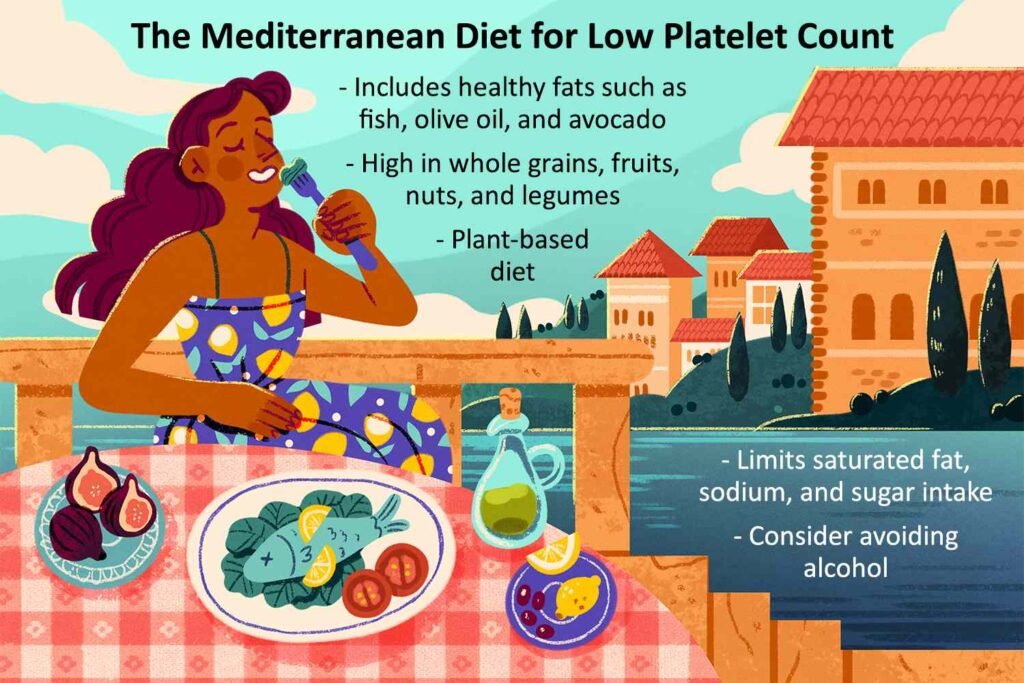
Eating a diet rich in nutrients is important for maintaining a healthy lifestyle, including healthy blood platelet levels. When it comes to boosting your blood platelet production, there are several key nutrients to focus on. Vitamin D, iron, folate, and vitamin K play crucial roles in supporting platelet production and maintaining optimal blood health.
Eat Foods Rich in Vitamin D
Vitamin D is essential for many functions within the body, including maintaining healthy blood platelet levels. While the main source of vitamin D is sunlight, it can also be found in certain foods. Fatty fish like salmon and mackerel, fortified dairy products, and egg yolks are excellent dietary sources of vitamin D. Including these foods in your diet can help ensure you’re getting enough of this vital nutrient.
Include Iron-Rich Foods in Your Diet
Iron deficiency is a common cause of low blood platelet count. Including iron-rich foods in your diet can help prevent this deficiency and support healthy platelet production. Lean meats, beans and legumes, dark leafy greens like spinach, and fortified cereals are all excellent sources of iron. Incorporating these foods into your meals can help maintain optimal iron levels and support healthy blood platelet levels.
Consume Foods High in Folate
Folate, or vitamin B9, is another important nutrient for maintaining healthy blood platelets. It plays a crucial role in the production and maturation of red blood cells and platelets. Dark leafy greens, citrus fruits, legumes, and fortified grains are all rich in folate. Including these foods in your diet can help ensure you’re getting enough folate to support healthy blood platelet levels.
Incorporate Vitamin K-Rich Foods
Vitamin K is essential for blood clotting and proper platelet function. Incorporating vitamin K-rich foods into your diet can help support healthy blood platelet levels. Some excellent dietary sources of vitamin K include leafy green vegetables like kale and spinach, broccoli, Brussels sprouts, and vegetable oils. Adding these foods to your meals can help ensure you’re getting enough vitamin K to support optimal platelet function.
Stay Hydrated
Staying hydrated is important for overall health, including maintaining healthy blood platelet levels. Dehydration can lead to a thickening of the blood, which can negatively affect platelet function. It’s important to drink sufficient water and include hydrating foods in your diet to keep your body properly hydrated and maintain healthy blood platelets.
Drink Sufficient Water
Drinking enough water is essential for maintaining proper hydration and supporting healthy blood platelet levels. On average, it is recommended to drink at least 8 glasses of water per day, but individual needs may vary depending on factors such as activity level and climate. Adequate hydration helps ensure that your blood remains at the right consistency, allowing platelets to function optimally.
Include Hydrating Foods in Your Diet
In addition to drinking water, including hydrating foods in your diet can help maintain proper hydration levels and support healthy blood platelets. Foods such as cucumbers, watermelon, strawberries, and celery have high water content and can contribute to your overall hydration. Incorporate these foods into your meals and snacks to boost your water intake and support healthy blood platelet levels.

Avoid Harmful Substances
Certain substances can have a negative impact on blood platelet levels and overall health. It’s important to limit or avoid these substances to maintain healthy blood platelet levels and promote overall well-being.
Limit Alcohol Consumption
Excessive alcohol consumption can lead to various health issues, including the suppression of platelet production. It’s important to limit alcohol intake to moderate levels or avoid it altogether to ensure optimal blood platelet function. Moderation is defined as up to one drink per day for women and up to two drinks per day for men.
Quit Smoking
Smoking not only has detrimental effects on overall health but can also negatively impact blood platelet counts. The chemicals in cigarettes can disrupt platelet function and increase the risk of blood clot formation. Quitting smoking is crucial for maintaining healthy blood platelets and reducing the risk of related health complications.
Avoid Excessive Caffeine
While moderate caffeine consumption is generally considered safe, excessive intake can have negative effects on blood platelet function. Caffeine can interfere with platelet aggregation and contribute to blood clotting disorders. It’s important to be mindful of your caffeine intake and limit it to moderate levels to maintain healthy blood platelet levels.
Protect Yourself from Infections
Infections can potentially disrupt normal blood platelet levels and function. Taking steps to protect yourself from infections is important for maintaining healthy blood platelets and overall well-being.
Practice Good Hygiene
Practicing good hygiene is a simple yet effective way to prevent infections and maintain healthy blood platelets. Make sure to wash your hands regularly with soap and water, especially before eating and after using the restroom. Avoid touching your face, especially your eyes, nose, and mouth, as this can transfer germs from your hands to vulnerable areas.
Get Vaccinated
Vaccinations play a crucial role in preventing various infections and protecting your immune system. Make sure to stay up to date with recommended vaccinations, especially those targeting common infections such as influenza and pneumonia. Vaccinations can help minimize the risk of infection and maintain healthy blood platelet counts.
Avoid Crowded Places During Flu Season
During flu season or when there is an outbreak of any contagious illness, it’s important to take precautions to avoid crowded places. Viral infections, such as the flu, can affect platelet production and function. Minimizing exposure to crowded places can reduce the risk of infection and help maintain healthy blood platelet levels.
Maintain a Healthy Lifestyle
In addition to diet and hygiene, maintaining a healthy lifestyle is essential for supporting healthy blood platelet levels and overall well-being.
Exercise Regularly
Regular physical activity is important for maintaining good cardiovascular health and promoting optimal blood platelet function. Engaging in moderate-intensity aerobic exercises, such as brisk walking, swimming, or cycling, for at least 150 minutes per week can help support healthy blood platelet levels. Additionally, strength training exercises can help improve overall fitness and cardiovascular health.
Manage Stress Levels
High levels of stress can affect various aspects of your health, including blood platelet production and function. Finding healthy ways to manage stress, such as practicing mindfulness, engaging in relaxation techniques, and participating in activities you enjoy, can help support healthy blood platelet levels. Taking time for self-care and prioritizing mental well-being is important for overall health.
Get Enough Sleep
Adequate sleep is crucial for maintaining optimal health, including healthy blood platelet levels. Lack of sleep can disrupt various physiological processes in the body, including platelet production and function. Aim for 7-9 hours of quality sleep each night to support healthy blood platelet levels and overall well-being.
Understand Medication Effects
Some medications can have an impact on platelet production and function. It’s important to consult with your doctor regarding any medications you are taking, especially those that may cause low platelet count or affect platelet function.
Consult Your Doctor Regarding Medications That May Cause Low Platelet Count
Certain medications, such as chemotherapy drugs, some antibiotics, and anticonvulsants, can potentially cause low platelet count as a side effect. If you are taking any medications, it’s important to discuss their potential effects on platelet counts with your doctor. They can provide guidance on managing your medications and monitoring your blood platelet levels.
Follow Medication Instructions Carefully
To ensure the safety and effectiveness of medications, it’s important to follow the instructions provided by your healthcare professional. Take medications as prescribed, adhere to recommended dosage, and be aware of any potential interactions or side effects. Following medication instructions carefully can help minimize the risk of adverse effects on blood platelet levels.
Monitor and Manage Medical Conditions
Certain medical conditions can affect blood platelet levels and function. Managing chronic diseases and regularly checking blood counts can help prevent low blood platelet counts and related complications.
Manage Chronic Diseases
Chronic diseases, such as kidney disease, liver disease, and certain autoimmune disorders, can impact platelet production and function. It is essential to work with your healthcare team to effectively manage these conditions and minimize the risk of low blood platelet counts. Regular monitoring, medication management, and lifestyle modifications may be necessary to maintain healthy blood platelet levels.
Regularly Check Blood Counts
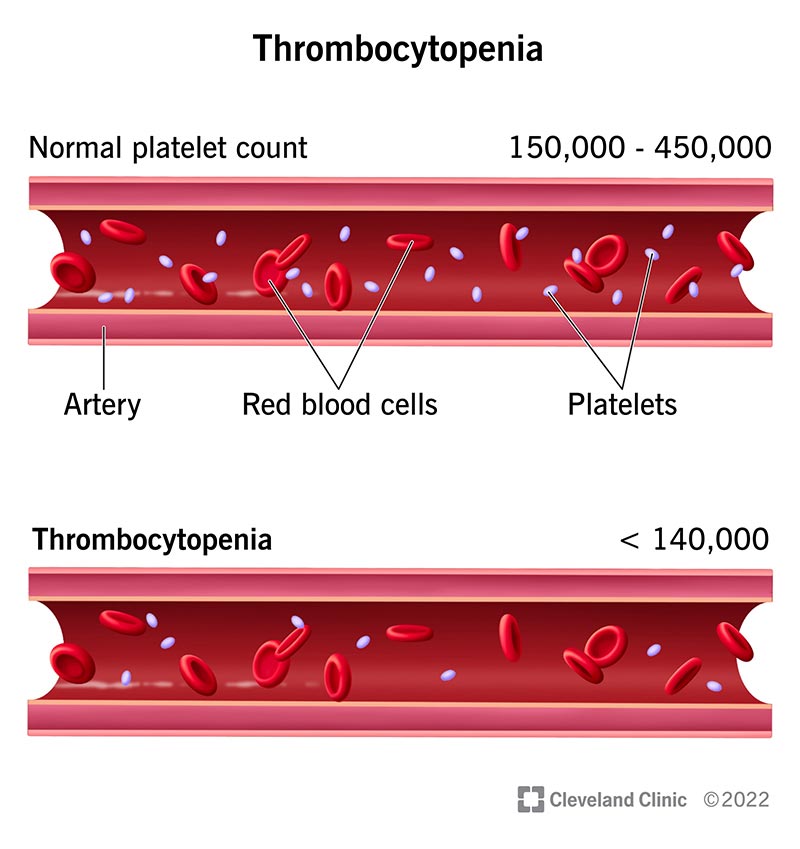
Regular blood count monitoring is important for identifying any changes in platelet levels and addressing them promptly. If you have a condition that can affect platelet production or function, such as thrombocytopenia, it’s important to work closely with your doctor to regularly monitor your blood counts and take appropriate steps to manage any abnormalities.
Seek Medical Advice for Autoimmune Disorders
Autoimmune disorders, such as lupus or rheumatoid arthritis, can impact platelet function and increase the risk of low blood platelet counts. If you have an autoimmune disorder, it’s important to work closely with your healthcare team to manage your condition effectively. Promptly seeking medical advice and following treatment recommendations can help maintain optimal platelet function and prevent complications.
Avoid Trauma and Injury
Preventing trauma and injury is crucial for maintaining healthy blood platelet levels. Taking precautions and avoiding activities that pose a higher risk of injury can help protect yourself and your platelet count.
Take Precautions to Prevent Falls and Accidents
Falls and accidents can cause physical trauma and potentially affect platelet count and function. Taking precautions to prevent falls, such as ensuring a safe living environment, using assistive devices when necessary, and practicing good balance techniques, can help reduce the risk of injuries that may impact platelet health.
Avoid Contact Sports that Pose a Higher Risk of Injury
Engaging in contact sports or activities that carry a high risk of injury can increase the likelihood of trauma to the body, including potential damage to blood platelets. It’s important to choose sports or physical activities that are appropriate for your skill level and minimize the risk of injury. If you have concerns about potential impact on platelet health, consult with your doctor or a sports medicine professional.
Manage Underlying Health Conditions
Certain underlying health conditions, such as hypertension, diabetes, and thyroid disorders, can impact platelet levels and function. Managing these conditions effectively is important for maintaining healthy blood platelets and preventing complications.
Control Hypertension
Hypertension, or high blood pressure, can affect platelet function and increase the risk of blood clot formation. It’s important to manage and control hypertension through lifestyle modifications, such as maintaining a healthy weight, exercising regularly, reducing sodium intake, and following a balanced diet. If necessary, medications may be prescribed by your healthcare provider to help control blood pressure.
Manage Diabetes
Diabetes can affect platelet function and increase the risk of blood clotting disorders. Proper management of diabetes is crucial for maintaining healthy blood platelet levels and overall health. This includes regular blood sugar monitoring, following a balanced diet, engaging in regular physical activity, taking prescribed medications, and attending regular check-ups with your healthcare provider.
Treat Thyroid Disorders
Thyroid disorders, such as hypothyroidism or hyperthyroidism, can impact platelet function and production. It’s important to work closely with your healthcare team to effectively manage your thyroid condition. Regular monitoring of thyroid hormone levels, taking prescribed medications, and following recommended treatment plans can help maintain optimal platelet function and prevent complications.
Consider Platelet-Boosting Supplements
In addition to maintaining a healthy lifestyle, there are some platelet-boosting supplements that you may consider. It’s important to consult with a healthcare professional before starting any new supplements, as they can interact with medications or have side effects.
Discuss with a Healthcare Professional
Before starting any platelet-boosting supplements, it’s important to discuss your options with a healthcare professional. They can evaluate your medical history, current medications, and provide guidance on whether supplements may be beneficial for your specific situation.
Explore Natural Supplements
There are some natural supplements that have been suggested to support healthy blood platelet levels. These include omega-3 fatty acids, vitamin C, turmeric, and ginger. However, it’s important to remember that natural supplements are not a substitute for a balanced diet and healthy lifestyle. Always consult with a healthcare professional before adding any supplements to your regimen.
In conclusion, maintaining healthy blood platelets requires a holistic approach to overall health and well-being. By following a healthy diet, staying hydrated, avoiding harmful substances, protecting yourself from infections, maintaining a healthy lifestyle, understanding medication effects, monitoring and managing medical conditions, avoiding trauma and injury, managing underlying health conditions, and considering platelet-boosting supplements, you can take proactive steps to support healthy blood platelet levels and promote optimal health. Remember to consult with a healthcare professional for personalized advice and guidance tailored to your specific needs and circumstances.