
Are you tired of suffering from frequent migraines and headaches? Look no further, as this article will provide you with useful tips on how to prevent these painful episodes. By making simple lifestyle changes and incorporating healthy habits into your routine, you can significantly reduce the occurrence of migraines and headaches. Say goodbye to the throbbing pain and hello to a headache-free life!

Identify Triggers
Keep a headache diary
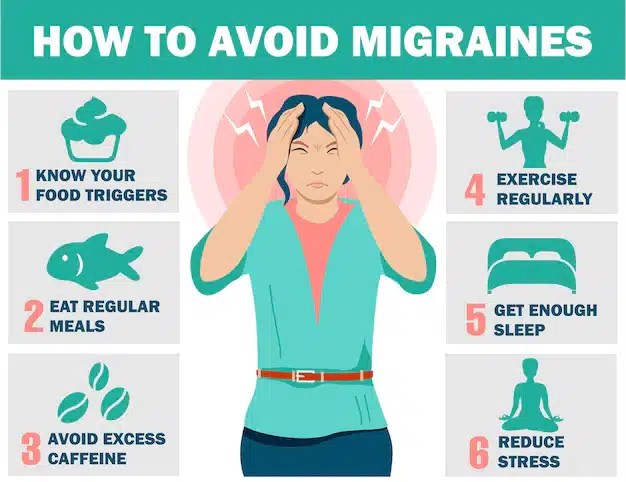
To effectively manage migraines and headaches, it’s crucial to identify and understand your triggers. One of the best ways to do this is by keeping a headache diary. Keep track of your daily activities, noting any potential triggers such as certain foods, stressful situations, lack of sleep, weather changes, or hormonal fluctuations. By consistently recording and analyzing this information, you can start to recognize patterns and uncover the specific triggers that may be causing your headaches or migraines.
Monitor your diet
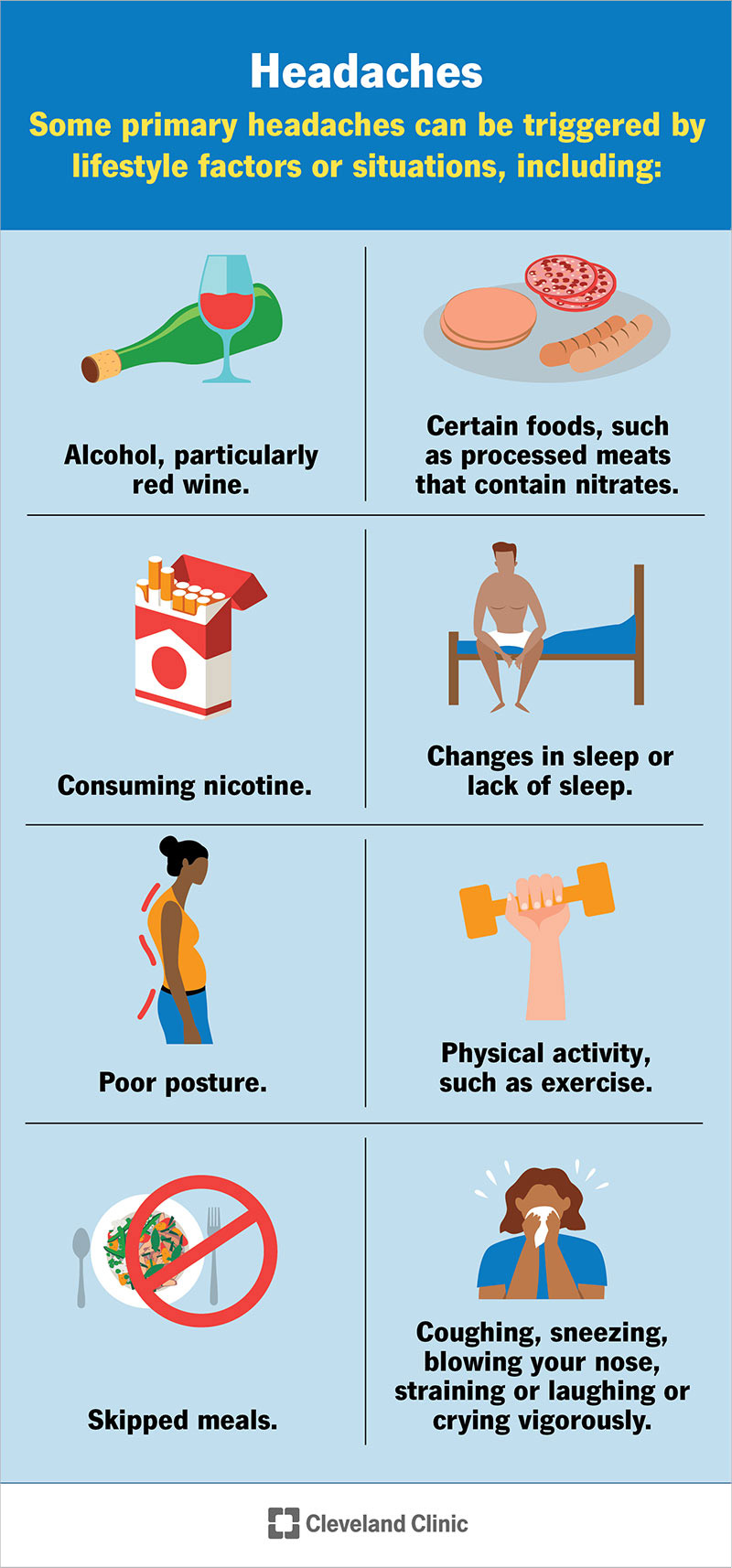
Your diet plays a significant role in your overall health, including your propensity for migraines and headaches. Certain foods and ingredients have been known to trigger these painful episodes in some individuals. Common culprits include aged cheese, processed meats, chocolate, alcohol (especially red wine), citrus fruits, and foods containing monosodium glutamate (MSG). By monitoring your diet and paying attention to how you feel after consuming certain foods, you can identify potential triggers and make informed decisions about what to eat to avoid unnecessary pain.
Watch out for stress
Stress is a common trigger for migraines and headaches. It’s important to be aware of the sources of stress in your life and find healthy ways to manage them. Whether it’s work-related pressure, relationship issues, financial concerns, or any other stressor, finding effective stress management techniques can significantly help reduce the frequency and intensity of your headaches.
Pay attention to your sleep patterns
Poor sleep quality or inadequate sleep can often contribute to migraines and headaches. It’s important to establish a consistent sleep schedule that allows for enough restful hours each night. Ensuring a dark and quiet sleep environment, limiting blue light exposure from electronic devices before bedtime, and practicing relaxation techniques can all aid in promoting better sleep. By paying attention to your sleep patterns and making necessary adjustments, you can reduce the likelihood of experiencing migraines and headaches due to sleep deprivation.
Make Lifestyle Changes
Ensure regular meal times
Maintaining regular meal times is essential for preventing migraines and headaches. Skipping meals or fasting for extended periods can lead to drops in blood sugar levels, which can trigger headaches in some individuals. Aim to eat balanced meals containing healthy carbohydrates, protein, and fats at consistent intervals throughout the day. By keeping your blood sugar levels stable, you can reduce the likelihood of experiencing migraines or headaches.
Stay hydrated
Dehydration is a common migraine trigger, so it’s crucial to stay well-hydrated throughout the day. Make sure to drink enough water and limit your consumption of diuretic beverages such as caffeinated drinks or alcohol, as they can contribute to dehydration. Carry a water bottle with you and sip water regularly, even if you don’t feel thirsty. By staying properly hydrated, you can help prevent migraines and headaches caused by dehydration.
Exercise regularly
Regular exercise is not only important for overall health but also effective in preventing migraines and headaches. Engaging in physical activity releases endorphins, which are natural painkillers and mood elevators. However, it’s important to choose low-impact exercises that won’t strain your body or trigger migraines. Walking, swimming, cycling, and yoga are excellent choices. Start slowly and gradually increase the intensity of your workouts to avoid overexertion. By incorporating regular exercise into your routine, you can reduce the frequency and severity of migraines and headaches.
Practice relaxation techniques
Relaxation techniques can help alleviate stress, promote better sleep, and reduce the frequency of migraines and headaches. Deep breathing exercises, progressive muscle relaxation, yoga, meditation, and biofeedback therapy are all effective relaxation techniques you can easily incorporate into your daily routine. By dedicating a few minutes each day to relax and unwind, you can lower stress levels and create a more peaceful state that is less conducive to migraines and headaches.

Manage Stress
Identify stressors
To effectively manage stress, it’s important to identify the specific stressors in your life. Assess your daily routine, work environment, relationships, and other factors that may contribute to your stress levels. By pinpointing the sources of stress, you can take necessary steps to avoid or mitigate them whenever possible.
Practice stress management techniques
Once you’ve identified your stressors, it’s time to implement stress management techniques. Examples include deep breathing exercises, mindfulness meditation, engaging in hobbies or activities you enjoy, connecting with loved ones, and setting boundaries to prioritize self-care. Experiment with different techniques to find what works best for you and make them a regular part of your routine.
Get regular exercise
Regular exercise is not only beneficial for preventing migraines and headaches, but also for managing stress. Physical activity releases endorphins, which help boost mood and reduce stress levels. Engage in activities you enjoy, such as walking, jogging, swimming, or dancing. Aim for at least 30 minutes of moderate aerobic exercise most days of the week.
Maintain a Healthy Diet
Eat regular meals
Maintaining regular meal times is essential for preventing migraines and headaches. Skipping meals can lead to drops in blood sugar levels, triggering headaches in some individuals. Aim to eat balanced meals containing healthy carbohydrates, lean proteins, and healthy fats at consistent intervals throughout the day.
Avoid food triggers
Certain foods and ingredients have been known to trigger migraines and headaches in some individuals. These may include aged cheese, processed meats, chocolate, alcohol, caffeine, and foods containing MSG or artificial sweeteners. Pay attention to how your body reacts to different foods and avoid those that consistently trigger migraines or headaches.
Include magnesium-rich foods
Magnesium is an essential mineral that plays a role in preventing migraines and headaches. Include magnesium-rich foods in your diet, such as leafy green vegetables, whole grains, nuts, seeds, and legumes. If necessary, talk to your healthcare provider about magnesium supplements.
Limit caffeine intake
While a small amount of caffeine may help relieve headaches for some people, excessive consumption can actually trigger migraines and headaches. Limit your intake of caffeine-containing beverages like coffee, tea, and soda. Gradually reduce your consumption if you’re used to having large amounts of caffeine daily.
Stay Hydrated
Drink enough water
Staying properly hydrated is crucial for preventing migraines and headaches. Aim to drink at least eight glasses of water per day, or more if you engage in physical activity or are in a hot environment. Carry a water bottle with you to remind yourself to drink regularly throughout the day.
Avoid dehydration triggers
Certain factors can contribute to dehydration, including excessive sweating, hot weather, alcohol consumption, and diuretic medications. Take steps to avoid these triggers and increase your fluid intake accordingly. Keep in mind that thirst is not always a reliable indicator of hydration, so make a conscious effort to stay hydrated throughout the day.
Get Enough Sleep
Establish a consistent sleep schedule
Maintaining a consistent sleep schedule is crucial for preventing migraines and headaches. Go to bed and wake up at the same time every day, even on weekends. This helps regulate your body’s internal clock and promotes healthy sleep patterns.
Create a relaxing bedtime routine
Establishing a relaxing bedtime routine can signal your body that it’s time to wind down and prepare for sleep. Avoid stimulating activities and screens before bed. Instead, engage in relaxing activities like reading a book, taking a warm bath, practicing deep breathing exercises, or listening to calming music. Make your sleep environment comfortable, cool, and dark to promote quality rest.
Exercise Regularly
Choose low-impact exercises
Engaging in regular exercise is essential for managing migraines and headaches. However, it’s important to choose low-impact exercises that won’t strain your body or trigger migraines. Walking, swimming, cycling, and yoga are excellent options that promote cardiovascular health without putting excessive stress on your joints or muscles.
Gradually increase intensity
If you’re new to exercise or have been inactive for a while, start slowly and gradually increase the intensity of your workouts. Pushing yourself too hard too soon can increase the risk of migraines and headaches. Listen to your body and give it time to adapt to the increased physical activity.
Include aerobic and strength training
A combination of aerobic exercises like brisk walking or jogging, as well as strength training exercises, can provide comprehensive benefits for both your overall health and headache prevention. Aerobic exercises increase blood flow and promote cardiovascular fitness, while strength training improves muscle strength and overall body composition.
Practice Relaxation Techniques
Deep breathing exercises
Deep breathing exercises are a simple yet effective way to relax your body and mind, reducing stress levels and preventing migraines and headaches. Take slow, deep breaths in through your nose, allowing your abdomen to rise, then exhale slowly through your mouth. Practice deep breathing for a few minutes several times a day or whenever you feel tension building.
Progressive muscle relaxation
Progressive muscle relaxation involves tensing and then relaxing different muscle groups to release physical tension and induce relaxation. Start from the top of your head and work your way down, progressively tensing and then releasing each muscle group. This technique can help relieve muscle tension and reduce the likelihood of tension headaches.
Yoga or meditation
Yoga and meditation are ancient practices that can help relax both your body and mind. Engaging in regular yoga sessions or dedicating time to meditation can reduce stress, improve sleep quality, and prevent migraines and headaches. Follow guided yoga or meditation routines, join a class, or use mobile apps to incorporate these practices into your daily life.
Biofeedback therapy
Biofeedback therapy involves using electronic devices to monitor physiological processes, such as heart rate, blood pressure, and muscle tension. By providing real-time feedback, this therapy helps individuals learn how to control their body’s responses to stress and pain. Talk to a healthcare professional to explore biofeedback therapy as a potential option for managing migraines and headaches.

Consider Medications
Over-the-counter pain relievers
Over-the-counter pain relievers, such as nonsteroidal anti-inflammatory drugs (NSAIDs) or acetaminophen, can help alleviate the symptoms of migraines and headaches. However, it’s important to follow the recommended dosages and consult a healthcare provider if you frequently rely on these medications for pain relief.
Prescription preventive medications
If your migraines or headaches are severe and frequent, your healthcare provider may prescribe preventive medications to help reduce their occurrence. These medications may include beta-blockers, antidepressants, anti-seizure medications, or Botox injections. It’s essential to work closely with your healthcare provider to find the most appropriate medication and dosage for your individual needs.
Botox injections
In some cases, Botox injections can be a successful treatment option for preventing chronic migraines. Botox is injected into specific muscles of the head and neck, blocking the release of chemicals involved in pain transmission. Talk to your healthcare provider to see if this treatment is suitable for you.
Seek Professional Help
Consult a healthcare provider
If you’re experiencing frequent or severe migraines and headaches, it’s important to consult a healthcare provider for a comprehensive evaluation. They can help identify any underlying medical conditions, provide appropriate treatment options, and guide you in preventive strategies.
Consider seeing a headache specialist
In some cases, a healthcare provider may refer you to a headache specialist for further evaluation and management of your migraines or headaches. These specialists have specialized knowledge and experience in diagnosing and treating various types of headaches. Collaborating with a headache specialist can help you develop an individualized treatment plan to prevent and manage your migraines or headaches effectively.
By following these preventive strategies, making necessary lifestyle changes, managing stress, maintaining a healthy diet, staying hydrated, getting enough sleep, exercising regularly, practicing relaxation techniques, considering medications, and seeking professional help when needed, you can significantly reduce the frequency and severity of migraines and headaches. Remember, everyone’s experience with migraines and headaches is unique, so it’s important to tailor these strategies to your specific needs and consult a healthcare provider for personalized guidance. With proactive measures and a comprehensive plan, you can regain control of your life and enjoy a headache-free existence.