Are you tired of dealing with the constant discomfort of muscle pain? In this article, you will discover some simple yet effective strategies to prevent and alleviate muscle pain. From proper hydration and regular stretching to incorporating rest days into your exercise routine, we will guide you through practical tips that will help keep those muscle aches at bay. Say goodbye to discomfort and hello to a pain-free life as we share the secrets to preventing muscle pain.
Maintain a Healthy Lifestyle
Living a healthy lifestyle is essential for maintaining overall well-being and preventing muscle pain. By incorporating healthy habits into your daily routine, you can give your body the support it needs to stay strong and pain-free.
Exercise Regularly
Regular exercise is one of the key components of maintaining a healthy lifestyle. Engaging in physical activity helps to strengthen your muscles, improve flexibility, and promote cardiovascular health. Whether it’s going for a jog, practicing yoga, or lifting weights, finding an exercise routine that you enjoy is important. Aim for at least 150 minutes of moderate-intensity exercise per week, or 75 minutes of vigorous-intensity exercise if you’re short on time. Remember to start gradually and progress at your own pace to avoid overexertion and muscle strain.
Maintain Proper Posture
Maintaining proper posture is paramount when it comes to preventing muscle pain. Whether you’re sitting at a desk or standing for long periods, ensuring that your spine is correctly aligned can help alleviate strain on your muscles and joints. Practice keeping your shoulders back, chin up, and spine straight. If you’re sitting, make sure your feet are flat on the ground and your knees are at a 90-degree angle. Investing in an ergonomic chair or standing desk may also be beneficial in maintaining good posture.
Stay Hydrated
Staying hydrated plays a crucial role in preventing muscle pain and cramps. Dehydration can lead to muscle fatigue and decreased performance during exercise. Aim to drink at least 8 glasses of water per day, or more if you’re engaging in intense physical activity. It’s especially important to hydrate before, during, and after workouts to replenish lost fluids. Additionally, remember that other beverages like tea or fruit-infused water can contribute to your daily fluid intake.
Get Sufficient Rest
Rest and recovery are equally important aspects of maintaining a healthy lifestyle. Giving your body time to rest allows your muscles to repair and rebuild, reducing the risk of overuse injuries and muscle pain. Aim for 7-9 hours of quality sleep each night to allow your body to recharge. If you’re engaging in intense exercise, consider incorporating rest days into your routine to prevent overtraining and give your muscles time to recover.
Maintain a Balanced Diet
Eating a balanced diet is crucial for supporting overall health and preventing muscle pain. Include a variety of nutrient-rich foods in your meals, such as lean proteins, whole grains, fruits, and vegetables. These foods supply your body with the necessary nutrients and antioxidants to promote muscle recovery and reduce inflammation. Additionally, it’s important to avoid excessive consumption of processed foods, sugary snacks, and fast food, as these can contribute to inflammation and muscle soreness.
Warm Up and Cool Down
Warming up and cooling down before and after exercise can help prevent muscle pain and injury. These simple practices prepare your body for physical exertion and aid in muscle recovery post-workout.
The Importance of Warming Up
Warming up before engaging in physical activity is crucial for preparing your muscles, joints, and cardiovascular system. It helps increase your body temperature, improve blood flow, and activate the muscles you’ll be using during your workout. A proper warm-up can be as simple as 5-10 minutes of light aerobic exercise, such as brisk walking or jogging. You can also incorporate dynamic stretches to further loosen up your muscles and joints.
Dynamic Stretching
Dynamic stretching involves moving your muscles and joints through a full range of motion, mimicking the movements you’ll be doing during your workout. Dynamic stretches help improve flexibility, increase blood flow, and enhance performance. Examples of dynamic stretches include arm circles, leg swings, and walking lunges. Aim to perform 8-10 reps of each stretch, gradually increasing the intensity as your muscles warm up.
Foam Rolling
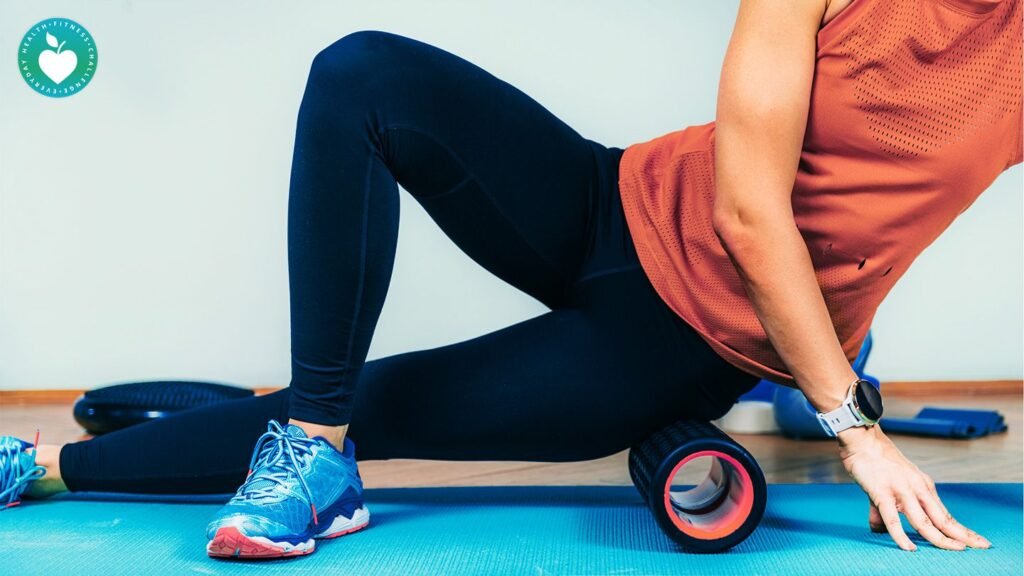
Foam rolling, also known as self-myofascial release, is a technique used to release muscle tension and improve flexibility. Using a foam roller, you apply pressure to different areas of your body, targeting tight or sore muscles. Foam rolling helps break up adhesions and knots in the muscles, promoting better blood flow and aiding in muscle recovery. Spend a few minutes rolling over each muscle group, focusing on any areas of tightness or discomfort.
Cooling Down after Exercise
After intense physical activity, it’s important to allow your body to cool down gradually. Cooling down helps prevent a sudden drop in blood pressure and allows your heart rate to return to its resting state. It also aids in the removal of waste products, reduces muscle soreness, and promotes a faster recovery. To cool down effectively, decrease your exercise intensity and incorporate 5-10 minutes of light aerobic activity, followed by static stretches to lengthen and relax your muscles.

Proper Training and Technique
When it comes to preventing muscle pain and injury, proper training and technique are essential. Taking the necessary precautions and starting slowly can help you build strength, improve performance, and avoid unnecessary strain on your muscles.
Start Slowly and Progress Gradually
One common mistake many people make is jumping into a new exercise program or increasing the intensity of their workouts too quickly. This sudden increase in activity can lead to muscle strains, overuse injuries, and excessive muscle soreness. Instead, start slowly and gradually increase the duration and intensity of your workouts over time. This allows your muscles and joints to adapt and strengthen, reducing the risk of injury. Listen to your body and give yourself time to adjust to new movements and exercises.
Seek Professional Guidance
If you’re new to exercise or trying out a new training program, seeking guidance from a qualified professional can be immensely beneficial. Personal trainers, coaches, or physical therapists can provide you with the knowledge and expertise to ensure you’re using proper form, selecting appropriate exercises, and progressing safely. They can also help tailor a workout routine to your specific goals and abilities, taking into consideration any pre-existing conditions or limitations you may have.
Pay Attention to Proper Form
Proper form is crucial in preventing muscle imbalances, strains, and injuries. When performing exercises, be mindful of your body positioning and alignment. Keep your core engaged, spine neutral, and joints in proper alignment. Improper form can place unnecessary stress on your muscles and joints, leading to pain and discomfort. If you’re unsure about your form, don’t hesitate to ask for guidance or seek professional advice. Practice proper technique to get the most out of your workouts and minimize the risk of muscle pain.
Avoid Overtraining
Overtraining occurs when you push your body beyond its limits, leading to fatigue, decreased performance, and an increased risk of injury. It’s important to listen to your body and give it time to rest and recover between workouts. Overtraining can cause muscle imbalances, chronic fatigue, and prolonged muscle soreness. Incorporate rest days into your training schedule and be mindful of any signs of overtraining, such as persistent muscle soreness, decreased performance, or changes in mood and sleep patterns.
Use Correct Equipment and Gear
Using the correct equipment and gear when engaging in physical activity can significantly reduce the risk of muscle pain and injury. From proper footwear to supportive accessories, making the right choices can enhance your performance and protect your muscles and joints.
Wear Appropriate Footwear
Choosing the right footwear for each activity is essential in preventing muscle pain. Different sports and exercise routines require specific types of shoes to provide the necessary support and cushioning. Invest in athletic shoes that fit well and are designed for the specific activities you engage in. For example, running shoes should offer good shock absorption and stability, while cross-training shoes provide lateral support for multidirectional movements. Wearing the appropriate footwear helps minimize impact on your muscles and joints, reducing the risk of pain and injury.
Use Supportive Accessories
In addition to proper footwear, utilizing supportive accessories can provide extra protection and stability during physical activity. Depending on your needs, consider wearing supportive braces, compression sleeves, or orthotics to aid in injury prevention and muscle support. These accessories can help stabilize joints, promote proper alignment, and reduce strain on your muscles. Consult with a healthcare professional or sports specialist to determine which accessories are most beneficial for your specific needs.
Select Proper Training Equipment
When selecting training equipment, it’s important to consider your goals, abilities, and exercise preferences. Whether it’s free weights, resistance bands, or machines, make sure the equipment you use is appropriate for your fitness level and supports your desired outcomes. For example, if you’re new to strength training, using resistance bands or lighter dumbbells may be more suitable than heavy weights. Using equipment that matches your capabilities allows you to maintain proper form and reduce the risk of muscle strain or injury.
Ensure Equipment Fits Correctly
Using ill-fitting equipment can lead to discomfort and increased muscle strain. When engaging in physical activity, make sure your equipment fits properly. This includes everything from helmets and goggles to weightlifting gloves and yoga mats. Ill-fitting equipment can interfere with your performance, affect your balance, and cause unnecessary stress on your muscles and joints. If you’re unsure about the fit or need assistance with adjusting your equipment, seek advice from a professional or an experienced trainer.
Be Mindful of Muscle Imbalances
Muscle imbalances occur when certain muscles are overactive or overly dominant, while others are weak or underactive. These imbalances can lead to poor posture, altered movement patterns, and an increased risk of muscle pain. By identifying and addressing muscle imbalances, you can improve your muscle function, reduce the risk of injury, and alleviate pain.
Identify Muscle Imbalances
To identify muscle imbalances, pay attention to your body’s movements and any pain or discomfort you may experience. Notice if certain muscles feel tight, weak, or excessively sore. Common muscle imbalances occur between the anterior and posterior muscles, such as the chest and back, or the quadriceps and hamstrings. You may also notice imbalances between the left and right sides of your body. Taking note of these imbalances can help you determine which areas to focus on during your workouts.
Incorporate Strengthening Exercises
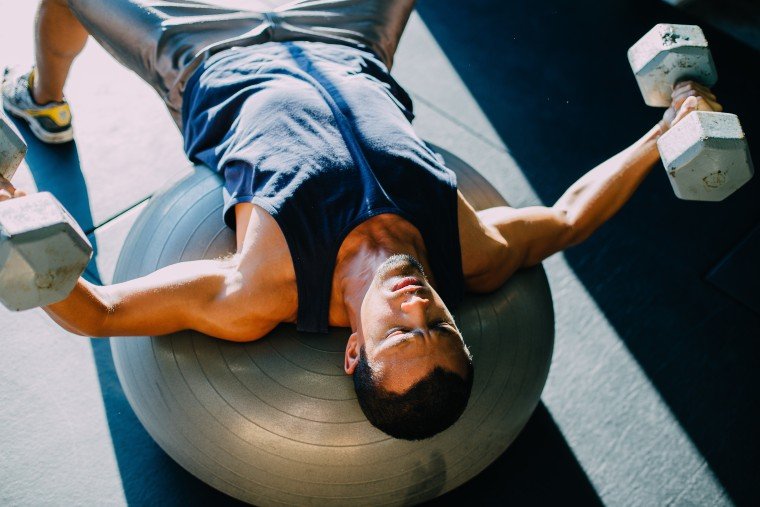
To address muscle imbalances, it’s important to incorporate strengthening exercises that target weak or underactive muscles. This helps restore balance and stability in your body, reducing strain on the overactive muscles. For example, if you have weak glutes, incorporating exercises like glute bridges or squats can help strengthen and activate these muscles. It’s important to perform exercises with proper form and technique to ensure you’re targeting the intended muscles and avoiding compensation patterns.
Stretch Weak Muscles
Stretching tight or overactive muscles is equally important for addressing imbalances. Stretching helps lengthen and relax these muscles, allowing for better mobility and reducing tension. Incorporate static stretches into your routine, focusing on the muscles that tend to be tight or dominant. For instance, if you have tight hip flexors, incorporate stretches like the kneeling hip flexor stretch. Practice these stretches regularly to improve flexibility and alleviate muscle imbalances.
Avoid Overreliance on Specific Muscles
Avoid relying solely on specific muscles for movement or activities. Overreliance on certain muscles can lead to imbalances and subsequent pain or injury. Instead, focus on using a variety of muscles to perform tasks, whether it’s during exercise or day-to-day activities. This helps distribute the workload evenly and prevents excessive strain on any one muscle group. Engage in full-body workouts that target different muscle groups and promote overall strength and balance.
Implement Proper Recovery Strategies
Proper recovery strategies are crucial for preventing muscle pain and optimizing your body’s ability to repair and rebuild after physical activity. By incorporating specific recovery techniques, you can minimize muscle soreness, enhance muscle recovery, and improve overall performance.
Take Rest Days
Rest days are an important part of any training program, allowing your body time to repair and recover. Giving your muscles adequate rest helps prevent overuse injuries, muscle imbalances, and fatigue. Plan regular rest days into your exercise routine, and listen to your body’s signals for additional rest when needed. It’s important to remember that rest and recovery are not signs of laziness or weakness but rather essential components of a healthy and effective fitness regimen.
Practice Active Recovery
Active recovery refers to engaging in low-intensity exercises or activities that promote blood circulation and aid in recovery. These activities can include light cardio, gentle stretching, or yoga. Active recovery helps decrease muscle soreness, flush out toxins, and facilitate the healing process. Engage in these activities on rest days or as part of your cool-down routine after intense workouts.
Use Cold and Heat Therapy
Cold and heat therapy are effective methods of reducing muscle pain and promoting recovery. Cold therapy, such as ice packs or cold showers, helps reduce inflammation and numb pain. Apply ice or cold packs to sore muscles for 15-20 minutes at a time, repeating it several times throughout the day. Heat therapy, on the other hand, improves blood flow, relaxes muscles, and promotes healing. Use a heating pad, warm towel, or take a warm bath to apply heat to sore or tense muscles.
Consider Massage or Physical Therapy
Massage therapy and physical therapy can be beneficial in preventing muscle pain and improving muscle function. Both therapies help reduce tension, increase blood flow, and enhance overall mobility. Regular massages can help release muscle tightness and knots, reducing the risk of injuries. Physical therapy provides targeted exercises and stretches to correct muscle imbalances, improve flexibility, and address any underlying issues contributing to pain or discomfort. Consult with a trained professional to determine which form of therapy is best suited to your needs.
Manage Stress Levels
Stress can have a profound impact on our bodies, including increased muscle tension and pain. Managing stress levels is crucial for overall well-being and preventing muscle discomfort.
Recognize Stress-related Tension
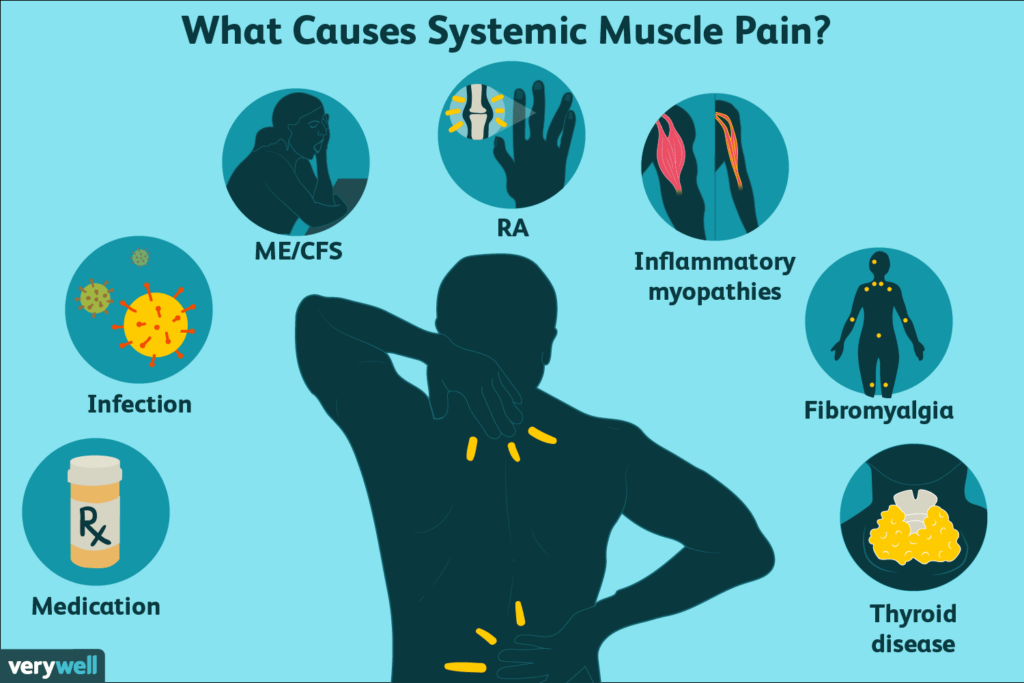
Stress often manifests as tension in our muscles, particularly in our neck, shoulders, and back. Be aware of any increased tightness, knots, or discomfort in these areas, as they may be a result of stress. By recognizing stress-related tension, you can take steps to address it and prevent further muscle pain.
Engage in Relaxation Techniques
Practicing relaxation techniques can help reduce muscle tension and promote relaxation throughout your body. Techniques such as deep breathing, meditation, and yoga can help calm your mind and alleviate stress-related muscle pain. Set aside time each day to engage in these activities, even if it’s just for a few minutes. Over time, incorporating relaxation techniques into your routine can have a significant impact on your overall stress levels and muscle health.
Practice Stress Management
Managing stress effectively involves finding healthy outlets for stress relief. Engage in activities that bring you joy and help you relax, such as reading, painting, walking in nature, or spending time with loved ones. Prioritize self-care and make time for activities that promote relaxation and well-being. By managing stress levels, you can reduce muscle tension and decrease the likelihood of developing muscle pain.
Get Adequate Sleep
Sleep plays a crucial role in managing stress and maintaining optimal muscle health. During sleep, your body repairs and restores itself, including your muscles. Aim for 7-9 hours of quality sleep each night to ensure your body has enough time to recover. Establish a bedtime routine that promotes relaxation and create a sleep-friendly environment by minimizing noise, light, and electronic distractions. Prioritizing sleep allows your body to recover more efficiently, reducing the likelihood of muscle pain.
Listen to Your Body
One of the most important aspects of preventing muscle pain is listening to your body and paying attention to any signals or warning signs it may be sending. Understanding your limits and addressing potential issues promptly can help you avoid unnecessary pain or injury.
Pay Attention to Warning Signs
Your body is constantly communicating with you, so it’s essential to pay attention to any warning signs it may be sending. If you experience persistent muscle soreness, sharp pain, reduced range of motion, or any other unusual sensations, it’s important to address them promptly. These could be signs of overuse, strain, or an underlying issue that needs attention. Ignoring these warning signs can exacerbate the problem and lead to more severe muscle pain.
Know Your Limits
Understanding your physical limits is crucial in preventing muscle pain and injury. Pushing yourself too far or engaging in exercises or activities beyond your capabilities can lead to strain and discomfort. Be honest with yourself about what you can comfortably handle and gradually challenge yourself within those limits. This allows your body to adapt and strengthen safely, reducing the risk of muscle pain or injury.
Address Pain or Discomfort Promptly
If you do experience muscle pain or discomfort, it’s important to address it promptly. Ignoring or pushing through pain can lead to further damage and prolonged recovery time. Rest the affected muscle, apply ice or heat therapy, and consider using over-the-counter pain relievers if appropriate. If the pain persists or worsens, seek professional advice from a healthcare provider or physical therapist to determine the underlying cause and develop an appropriate treatment plan.
Seek Professional Advice if Necessary
If you’re experiencing persistent or severe muscle pain, or if you’re unsure about your condition, it’s always a good idea to seek professional advice. A healthcare provider or physical therapist can assess your symptoms, perform diagnostic tests if necessary, and provide you with personalized recommendations and treatment options. They can help address any underlying issues contributing to your muscle pain and guide you towards a swift and effective recovery.
Stay Active During Sedentary Periods
Sedentary periods, such as sitting for extended periods at a desk, can contribute to muscle stiffness and discomfort. Staying active throughout the day, even when you have long periods of sitting, can help prevent muscle pain and promote overall well-being.
Avoid Prolonged Sitting
Prolonged sitting can lead to muscle tightness, postural imbalances, and increased risk of pain in the neck, shoulders, and back. To counteract the negative effects of sitting, aim to break up long periods of sitting with short walks or standing breaks. Try to incorporate movement into your daily routine, such as taking the stairs instead of the elevator or parking farther away from your destination to encourage more activity throughout the day.
Take Frequent Breaks
Taking frequent breaks from sitting is crucial for maintaining healthy muscles and joints. Set reminders or use a timer to prompt you to stand up and move around every 30-60 minutes. Use this time to stretch, walk, or do some light exercises to loosen up your muscles and improve circulation. Even short breaks can make a significant difference in preventing muscle pain and minimizing the negative impact of sedentary behavior.
Incorporate Movement into Daily Routine
Finding small opportunities to incorporate movement into your daily routine can help prevent muscle pain and make a positive impact on your overall health. Take the stairs instead of the escalator, walk or bike to nearby locations instead of driving, or do household chores that require physical activity. By making these small changes, you can avoid prolonged periods of inactivity and keep your muscles engaged and healthy.
Perform Desk Stretches or Exercises
Performing simple stretches or exercises at your desk can alleviate muscle tension and stiffness caused by prolonged sitting. Stretch your neck, shoulders, and back regularly throughout the day to keep these muscles flexible and prevent pain. Perform exercises like seated leg extensions or calf raises to keep your lower body active. There are plenty of resources available online with desk-friendly exercises and stretches that you can incorporate into your daily routine.
Additional Tips
In addition to the previous sections, here are some additional tips to help prevent muscle pain and support your overall well-being:
Apply Ice or Heat to Sore Muscles
Applying ice or heat to sore muscles can provide immediate relief and reduce inflammation. Ice packs or cold showers are effective for acute muscle pain or post-workout soreness. Apply cold therapy for 15-20 minutes at a time, allowing your skin to return to its normal temperature before reapplying. Heat therapy, such as using a heating pad or warm towel, can help relax tense muscles and promote blood circulation. Use heat therapy for 15-20 minutes at a time, taking breaks if the heat becomes uncomfortable.
Stay Hydrated
Staying hydrated cannot be emphasized enough when it comes to preventing muscle pain and optimizing overall health. Dehydration can lead to muscle cramps and fatigue, compromising your performance and increasing the risk of injury. Aim to drink 8 glasses of water per day, or more if you’re engaging in intense physical activity or in hot weather. Don’t rely solely on thirst as an indicator of hydration – make it a habit to regularly hydrate throughout the day.
Maintain a Healthy Weight
Maintaining a healthy weight is crucial for preventing unnecessary strain on your muscles and joints. Excess weight can put additional stress on your body, leading to muscle imbalances, joint pain, and an increased risk of injury. It’s important to follow a balanced diet and engage in regular exercise to achieve and maintain a healthy weight. Consult with a healthcare professional or nutritionist for personalized guidance and support.
Avoid Smoking and Excessive Alcohol Consumption
Smoking and excessive alcohol consumption can have detrimental effects on your muscles and overall health. Smoking restricts blood flow, impairing oxygen and nutrient delivery to your muscles. This can lead to reduced performance and increased muscle soreness. Excessive alcohol consumption can cause dehydration, muscle weakness, and hinder your body’s ability to recover. Making the choice to quit smoking or moderate alcohol intake can significantly improve your muscle health and overall well-being.
By following these tips and incorporating them into your daily routine, you can maintain a healthy lifestyle, prevent muscle pain, and support your overall well-being. Remember to listen to your body, provide it with the care it needs, and seek professional advice or guidance when necessary. With these practices in place, you can enjoy an active, pain-free life.