
In today’s fast-paced world, it can be challenging to maintain a healthy lifestyle and keep obesity at bay. However, with a few simple changes to your daily routine, you can significantly reduce your risk of falling prey to this widespread epidemic. This article will provide you with practical tips and effective strategies to help prevent obesity and embrace a more fulfilling and active lifestyle. So, let’s explore the steps you can take to safeguard your health and well-being!

Healthy Eating Habits
Balanced Diet
Maintaining a balanced diet is key to preventing obesity. It involves consuming a variety of foods from different food groups in the right proportions. Aim to include a mix of carbohydrates, proteins, fats, vitamins, and minerals in your daily meals. Incorporate whole grains, lean proteins, healthy fats, and plenty of fruits and vegetables into your diet. This will provide your body with the nutrients it needs to function properly while keeping you satisfied and reducing the likelihood of overeating.
Portion Control
Controlling your portion sizes is crucial to prevent overeating and maintain a healthy weight. Be mindful of the amount of food you put on your plate and listen to your body’s hunger and fullness cues. Use smaller plates and bowls to visually trick yourself into thinking you’re eating more than you actually are. Consider using measuring cups or a food scale to ensure you’re serving appropriate portions. By practicing portion control, you can still enjoy your favorite foods while keeping them in moderation.
Reduce Sugar Intake
Excessive sugar consumption is a major contributor to obesity. Be mindful of the added sugars in your diet, such as those found in sugary drinks, processed snacks, and desserts. Opt for healthier alternatives like water, unsweetened beverages, and fresh fruits to satisfy your sweet tooth. Read food labels and ingredient lists to identify hidden sources of sugar. Limiting your sugar intake can help reduce calorie intake and prevent weight gain.
Increase Fruit and Vegetable Consumption
Fruits and vegetables are rich in essential nutrients and low in calories, making them an excellent choice for weight management. Aim to incorporate a variety of colorful fruits and vegetables into your daily meals and snacks. They provide fiber, antioxidants, and vitamins that support overall health and help control your appetite. Experiment with different cooking methods or enjoy them raw in salads, smoothies, or as a healthy snack option. Increasing your fruit and vegetable consumption will not only benefit your weight but also your overall well-being.
Avoid Processed Foods
Processed foods are often high in unhealthy fats, added sugars, and sodium, making them calorie-dense and nutrient-poor. Consuming too many processed foods can contribute to weight gain and increase the risk of obesity-related diseases. Instead, opt for whole foods that are minimally processed. Choose fresh fruits and vegetables, lean meats or plant-based proteins, whole grains, and nuts or seeds. By avoiding processed foods, you’ll be nourishing your body with wholesome ingredients that support a healthy weight.
Mindful Eating
Practicing mindful eating can help prevent overeating and promote healthier eating habits. Slow down and pay attention to the sensory experience of eating. Chew your food thoroughly and savor each bite. Be aware of your hunger and fullness levels and eat until you feel satisfied, not stuffed. Minimize distractions, such as watching TV or using electronic devices, while eating. By being present and mindful during meals, you can better listen to your body’s signals and make conscious choices about what and how much you eat.
Physical Activity
Regular Exercise
Incorporating regular exercise into your routine is crucial for maintaining a healthy weight and preventing obesity. Aim for at least 150 minutes of moderate-intensity aerobic activity or 75 minutes of vigorous-intensity aerobic activity each week. This can include activities such as brisk walking, cycling, swimming, or dancing. Regular exercise not only burns calories but also strengthens your cardiovascular system, improves muscle tone, and enhances overall well-being.
Cardiovascular Exercises
Engaging in cardiovascular exercises is an effective way to burn calories and increase your heart rate. These exercises, such as running, cycling, or using an elliptical machine, help improve cardiovascular health, increase endurance, and boost metabolism. Start with moderate-intensity cardio workouts and gradually increase the intensity and duration as your fitness level improves. Aim for at least 30 minutes of cardiovascular exercise most days of the week to help maintain a healthy weight.
Strength Training
In addition to cardiovascular exercises, incorporating strength training into your fitness routine is essential for preventing obesity. Strength training helps build lean muscle mass, which increases your metabolic rate and burns calories even at rest. Include exercises that target all major muscle groups, such as squats, lunges, push-ups, and dumbbell exercises. Aim to perform strength training exercises at least two days a week, allowing for a day of rest in between each session.
Incorporate Movement into Daily Routine
Incorporating physical activity into your daily routine can help combat a sedentary lifestyle and prevent obesity. Look for opportunities to move throughout the day, such as taking the stairs instead of the elevator, parking farther from your destination, or walking or biking to nearby places. Break up long periods of sitting with short walks or stretches. By making movement a priority in your daily life, you’re contributing to your overall calorie expenditure and maintaining a healthy weight.
Engage in Sports or Active Hobbies
Participating in sports or active hobbies is a fun and engaging way to stay physically active and prevent obesity. Find activities that you enjoy, such as swimming, hiking, dancing, or playing a team sport. Not only will you be burning calories, but you’ll also be incorporating social interaction and enjoyment into your exercise routine. Engaging in regular physical activity through sports or hobbies promotes a lifelong commitment to a healthy and active lifestyle.
Stay Active Throughout the Day
In addition to structured exercise sessions, it’s important to stay active throughout the day. Look for opportunities to move, whether it’s by taking short walking breaks during work, stretching during TV commercials, or doing household chores. Consider using standing desks or stability balls instead of sitting at a desk for prolonged periods. By finding ways to keep your body moving, you’ll increase your daily calorie expenditure and reduce the risk of obesity.
Behavior and Lifestyle Changes
Self-Monitoring
Self-monitoring involves being aware of your eating behaviors, physical activity levels, and progress towards your goals. Keep a food and activity journal to track what you eat, how much you exercise, and how you feel during the day. This can help you identify patterns, triggers for overeating, and any areas for improvement. Self-monitoring helps raise awareness about your habits and allows you to make informed choices to prevent obesity.
Set Realistic Goals
Setting realistic goals is important for successful weight management. Instead of focusing solely on weight loss, set goals that are specific, measurable, attainable, relevant, and time-bound (SMART). For example, aim to increase your daily steps by a certain amount or incorporate a new vegetable into your meals each week. By setting achievable goals, you’ll experience a sense of accomplishment and be more motivated to continue adopting healthy behaviors.
Track Progress
Monitoring your progress is essential for maintaining motivation and ensuring you stay on track towards your goals. Regularly assess your progress, whether it’s through weighing yourself, taking body measurements, or reflecting on your adherence to healthy habits. Celebrate your achievements and use any setbacks as learning opportunities to make adjustments and continue moving forward. Tracking your progress provides valuable insights and helps you stay committed to preventing obesity.
Manage Stress
Stress can contribute to emotional eating and weight gain. Finding healthy ways to manage stress is crucial for preventing obesity. Explore stress-reducing techniques such as deep breathing exercises, meditation, yoga, or engaging in hobbies that bring you joy. Make time for relaxation and self-care activities that help you unwind. By managing stress effectively, you can reduce the likelihood of turning to food for comfort and maintain a healthy weight.
Get Enough Sleep
Adequate sleep is essential for maintaining a healthy weight and preventing obesity. Lack of sleep disrupts hunger and fullness hormones, which can lead to increased appetite and cravings. Aim for 7-9 hours of quality sleep each night. Establish a relaxing bedtime routine, create a conducive sleep environment, and prioritize sleep as a vital component of your overall health. Getting enough sleep will support your weight management efforts and contribute to your overall well-being.
Break Sedentary Habits
Breaking sedentary habits is crucial for preventing obesity. Limit prolonged periods of sitting or inactivity by taking frequent breaks to move and stretch. Set reminders to stand up and walk around every hour, even if it’s just for a few minutes. Consider using a standing desk or a stability ball to engage your muscles while working. By breaking sedentary habits, you’ll be increasing your overall daily energy expenditure and reducing the risk of obesity.
Environmental Factors
Create a Healthy Food Environment
Creating a healthy food environment at home is essential for preventing obesity. Stock your pantry and refrigerator with nutritious foods and snacks, such as fruits, vegetables, whole grains, and lean proteins. Make these healthier options easily accessible and visible, while placing unhealthy foods out of sight. By surrounding yourself with nourishing choices, you’ll be more likely to make healthier food choices and prevent weight gain.
Reduce Availability of Unhealthy Foods
To prevent obesity, it’s important to reduce the availability of unhealthy foods in your surroundings. Limit the purchase of sugary drinks, processed snacks, and high-fat desserts. Opt for healthier alternatives and keep them readily available instead. Avoid keeping a stockpile of unhealthy foods at home, as this can increase the temptation to indulge in them. By making unhealthy foods less accessible, you’ll be creating an environment that supports your weight management goals.
Promote Healthy Food Options
Promoting healthy food options within your community, workplace, and social circles can contribute to preventing obesity on a larger scale. Encourage the availability of nutritious foods in cafes, restaurants, and vending machines. Advocate for healthier menu options and educate others about the benefits of a balanced diet. By promoting healthy choices and making them more accessible, you’re fostering an environment that supports individuals in their pursuit of a healthy weight.
Improve Community Infrastructure
Creating an environment that supports physical activity is crucial for preventing obesity. Advocate for the improvement of community infrastructure by supporting the development of walking paths, bike lanes, and public parks. Encourage the establishment of recreational facilities, such as playgrounds, sports fields, and fitness centers. By enhancing the community’s infrastructure, you’re providing opportunities for individuals of all ages to engage in physical activity and maintain a healthy weight.
Encourage Active Transportation
Promote active transportation methods, such as walking or biking, as alternatives to car travel. Encourage individuals to incorporate walking or cycling into their daily commute or for running errands. Support the implementation of bike-sharing or carpooling programs to make active transportation more accessible and convenient. By encouraging active transportation, you’re not only reducing reliance on cars but also promoting regular physical activity and preventing obesity.
Support Access to Recreational Facilities
Ensure that everyone in your community has access to recreational facilities and activities to support a healthy and active lifestyle. Advocate for inclusive spaces that provide opportunities for people of all abilities to engage in physical activity. Support local initiatives that aim to make recreational facilities, such as swimming pools or gymnasiums, affordable and accessible to all. By supporting access to recreational facilities, you’re promoting equity and fostering a community that prioritizes health and well-being.

Education and Awareness
Promote Health Education
Promoting health education is crucial for empowering individuals to make informed decisions about their diet, physical activity, and overall lifestyle. Support initiatives and programs that provide accurate and accessible information about nutrition, weight management, and healthy living. Advocate for comprehensive health education in schools, workplaces, and community centers. By promoting health education, you’re equipping individuals with the knowledge and skills necessary to prevent obesity.
Teach Nutrition and Cooking Skills
Teaching nutrition and cooking skills is essential for promoting healthy eating habits and preventing obesity. Support initiatives that provide cooking classes or workshops for individuals of all ages. Encourage schools to incorporate nutrition education into their curriculum, educating students about the importance of a balanced diet and how to prepare healthy meals. By teaching nutrition and cooking skills, you’re empowering individuals to make healthier food choices and take control of their own health.
Increase Awareness of Obesity Risks
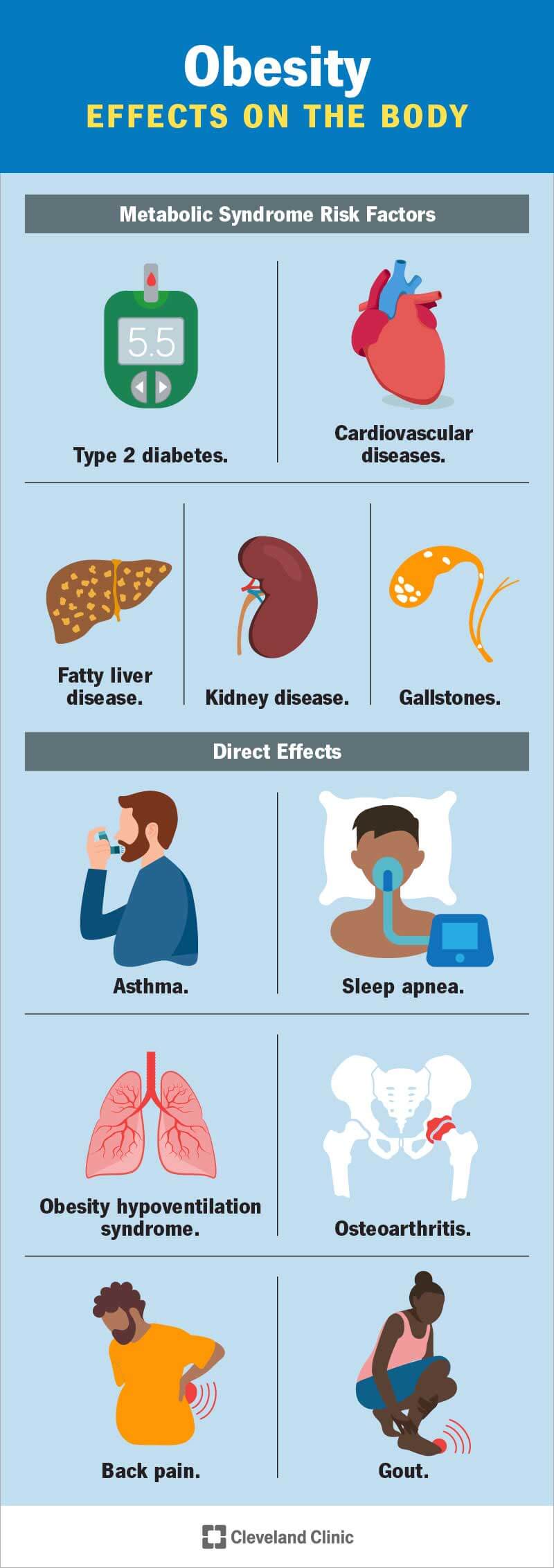
Raising awareness about the risks and consequences of obesity is necessary for prevention efforts. Support campaigns and initiatives that educate the public about the health implications of obesity, such as cardiovascular diseases, diabetes, and certain types of cancer. Encourage healthcare professionals to discuss obesity prevention during patient visits and provide resources for further education. By increasing awareness, you’re promoting a sense of urgency and motivating individuals to take action to prevent obesity.
Provide Resources for Healthy Living
Ensuring access to resources for healthy living is crucial for preventing obesity. Advocate for the availability of resources such as nutrition counseling, physical activity programs, and support groups within the community. Collaborate with local organizations and healthcare providers to provide educational materials, workshops, or online resources that address weight management and healthy lifestyle choices. By providing resources, you’re empowering individuals with the tools they need to prevent obesity and maintain a healthy weight.
Advocate for Policy Changes
Advocating for policy changes at a local, regional, and national level can have a significant impact on obesity prevention. Support policies that promote healthier food environments, physical activity opportunities, and access to healthcare services. Collaborate with organizations and policymakers to develop and implement strategies that address the social determinants of obesity, such as poverty and inequalities. By advocating for policy changes, you’re contributing to creating a supportive environment that helps individuals prevent obesity.
Engage in Community Programs
Engaging in community programs and initiatives can help prevent obesity on a broader scale. Participate in local events that promote physical activity, such as charity walks or fitness challenges. Volunteer for or support organizations that focus on improving community health and well-being. By actively engaging in community programs, you’re reinforcing the importance of a healthy lifestyle and inspiring others to do the same.
Family and Social Support
Involve the Whole Family
Involving the whole family in adopting healthy eating habits and an active lifestyle is essential for preventing obesity. Encourage family meals and involve everyone in meal planning and preparation. Engage in physical activities together, such as going for walks, bike rides, or playing sports. By making healthy habits a family affair, you’re fostering a supportive environment that makes it easier for everyone to maintain a healthy weight.
Role Model Healthy Behaviors
Children often learn by observing their parents and caregivers. Set a positive example by practicing healthy eating habits and regular physical activity. Demonstrate moderation and balance in your food choices, and avoid restrictive dieting or negative body talk. By being a role model for healthy behaviors, you’re instilling lifelong habits in your children and inspiring them to maintain a healthy weight.
Create Supportive Home Environment
Create a supportive home environment that makes healthy choices the easy choice. Keep the pantry stocked with nutritious foods and limit the presence of unhealthy snacks. Encourage family members to support each other’s goals and provide praise and encouragement for adopting healthy habits. Create a positive and supportive atmosphere that promotes a healthy weight for everyone in the household.
Seek Social Support
Seeking social support can be crucial for maintaining motivation and preventing obesity. Surround yourself with individuals who have similar health goals and can provide encouragement and accountability. Join online communities, support groups, or participate in wellness programs that connect you with like-minded individuals. By seeking social support, you’re building a network that fosters healthy behaviors and helps you stay on track with your weight management efforts.
Join Support Groups or Programs
Joining support groups or programs dedicated to weight management can be highly beneficial for preventing obesity. These groups provide a supportive environment where you can connect with others who are facing similar challenges and goals. Sharing experiences, strategies, and successes can provide valuable insights and motivation. Consider joining weight loss programs, wellness clinics, or online support groups to enhance your weight management journey.
Share Healthy Meals and Activities
Sharing healthy meals and activities with family, friends, and loved ones can make them more enjoyable and encourage everyone to maintain a healthy weight. Organize potluck dinners where everyone brings a nutritious dish to share. Plan active outings, such as hiking, group fitness classes, or sports activities, as a way to socialize and stay physically active. By sharing healthy experiences, you’re creating a supportive and rewarding social network that promotes overall well-being.

Limit Sedentary Activities
Reduce Screen Time
Excessive screen time, whether for work or leisure, can contribute to a sedentary lifestyle and increase the risk of obesity. Limit the amount of time spent in front of screens, whether it’s watching TV, using a computer, or playing video games. Set boundaries and establish screen-free zones or specific times for engaging in physical activity instead. By reducing screen time, you’re freeing up time for more active pursuits and reducing the risk of sedentary behavior.
Limit Sitting for Prolonged Periods
Sitting for prolonged periods can have negative impacts on health and contribute to weight gain. Aim to break up long periods of sitting by standing up and moving around for a few minutes every hour. Set reminders or use an activity tracker to prompt you to take regular breaks. Consider using an adjustable standing desk or a stability ball as an alternative to sitting. By limiting sitting time, you’re reducing the negative effects of a sedentary lifestyle and contributing to overall health.
Break Up Sitting Time
Breaking up sitting time with short bursts of physical activity can help prevent obesity. Take short walking breaks or do light stretching every hour. Perform simple exercises or household chores during TV commercial breaks. Incorporate movement throughout your day, such as walking meetings or standing while talking on the phone. By breaking up sitting time, you’re keeping your body active and burning additional calories.
Opt for Active Leisure Activities
Opting for active leisure activities instead of sedentary ones is a great way to prevent obesity. Choose activities that require movement and engage your body, such as dancing, gardening, or playing a musical instrument. Find hobbies that involve physical activity, such as hiking, swimming, or cycling. By choosing active leisure activities, you’re incorporating movement into your life and reducing the time spent in sedentary behaviors.
Stand or Walk Instead of Sitting
Whenever possible, choose to stand or walk instead of sitting. Take standing breaks during work or while watching TV. Consider using a standing desk or a tall countertop while performing tasks. Choose to walk or bike instead of driving short distances. By opting for standing or walking, you’re increasing your daily calorie expenditure and reducing the amount of time spent in sedentary activities.
Use Technology for Active Pursuits
Take advantage of technology to engage in active pursuits and prevent sedentary behavior. Use fitness apps or activity trackers to monitor your daily steps and set goals. Follow online workout classes or use exercise apps for guided workouts at home. Play active video games that require physical movement. By using technology for active pursuits, you’re transforming sedentary screen time into an opportunity for physical activity.
Healthy Cooking Tips
Choose Healthier Cooking Methods
The cooking methods you choose can significantly impact the nutritional profile of your meals. Opt for healthier cooking methods, such as steaming, grilling, baking, or sautéing, instead of deep frying or pan-frying. These methods use less oil and retain more nutrients in the food. Experiment with herbs, spices, and marinades to add flavor without relying on excessive salt or fats. By choosing healthier cooking methods, you’re preparing meals that are both delicious and nutritious.
Use Herbs and Spices for Flavor
Herbs and spices are excellent alternatives to high-sodium seasonings and can enhance the flavor of your dishes without adding unnecessary calories or unhealthy additives. Experiment with a variety of herbs, such as basil, rosemary, thyme, or cilantro, to add a burst of freshness to your meals. Incorporate spices like turmeric, cumin, paprika, or chili powder to infuse your dishes with warmth and complexity. By using herbs and spices, you’re elevating the taste of your meals while reducing the need for excessive salt, sugar, or fat.
Prepare Meals from Whole Ingredients
Using whole ingredients to prepare your meals is key to promoting a healthy weight. Processed foods are often high in unhealthy fats, added sugars, and preservatives, which can contribute to weight gain. Opt for fresh and minimally processed ingredients to ensure your meals are nutrient-dense and free from unnecessary additives. Cook from scratch as much as possible, incorporating whole grains, lean proteins, and plenty of fruits and vegetables into your recipes. By preparing meals from whole ingredients, you’re nourishing your body with wholesome foods that support healthy weight management.
Avoid Fried or Processed Foods
Fried and processed foods are often high in unhealthy fats, added sugars, and sodium, making them calorie-dense and nutrient-poor. Limit your consumption of fried foods, such as French fries, fried chicken, or tempura. Avoid processed snacks, fast food, and pre-packaged meals, which are often loaded with unhealthy ingredients. By avoiding fried or processed foods, you’re making choices that align with your weight management goals and overall health.
Control Oil and Salt Intake
Controlling your oil and salt intake is important for maintaining a healthy weight. Use oils rich in healthy fats, such as olive oil or avocado oil, in moderation when cooking. Limit the use of butter or margarine, which can be high in unhealthy saturated fats. When using salt, opt for smaller amounts or explore alternative seasonings to enhance flavor. Be mindful of hidden sources of sodium in processed foods and condiments. By controlling your oil and salt intake, you’re reducing unnecessary calories and the risk of weight gain.
Be Mindful of Portion Sizes
Being mindful of portion sizes is crucial when preparing meals to prevent overeating and manage your weight. Use smaller plates or bowls to visually trick yourself into thinking you’re eating more. Measure or weigh ingredients to ensure proper portion sizes. Fill half of your plate with fruits and vegetables, one-quarter with lean protein, and one-quarter with whole grains. By being mindful of portion sizes, you’re practicing moderation and maintaining a healthy balance in your meals.

Address Emotional Eating
Identify Emotional Triggers
Addressing emotional eating involves recognizing and understanding the emotional triggers that lead to excessive food consumption. Pay attention to the thoughts, feelings, or situations that prompt you to turn to food for comfort or distraction. Keep a journal to track your emotions and food choices. By identifying emotional triggers, you can develop strategies to respond differently and prevent emotional eating.
Find Alternative Coping Mechanisms
Finding alternative coping mechanisms to deal with emotions other than turning to food is crucial for preventing emotional eating. Explore other ways to manage stress, such as engaging in physical activity, practicing relaxation techniques, or pursuing creative outlets. Reach out to friends or loved ones for support or seek professional help if needed. By finding alternative coping mechanisms, you’re developing healthier ways to address emotional challenges without resorting to excessive food consumption.
Seek Professional Help if Needed
If emotional eating becomes a persistent struggle, seeking professional help from a therapist or registered dietitian can provide valuable guidance and support. These professionals can help you address underlying emotional issues, develop coping strategies, and create a healthy relationship with food. A trained professional can guide you on your journey to overcoming emotional eating and maintaining a healthy weight.
Practice Mindfulness and Self-Care
Practicing mindfulness and self-care is essential for preventing emotional eating. Take time each day for self-reflection, relaxation, or engaging in activities that bring you joy. Slow down and savor your meals, paying attention to the taste, texture, and satisfaction they provide. Cultivate self-compassion and treat yourself with kindness during challenging times. By practicing mindfulness and self-care, you’re promoting a positive relationship with food and nurturing your overall well-being.
Build a Support System
Building a support system is crucial for addressing emotional eating and maintaining a healthy weight. Share your struggles and goals with trusted friends or family members who can provide empathy, encouragement, and accountability. Consider joining support groups or online communities focused on emotional eating or weight management. By building a support system, you’re surrounding yourself with a network of individuals who understand and support your journey towards a healthier relationship with food.
Develop Healthy Stress Management Techniques
Developing healthy stress management techniques is key to preventing emotional eating and maintaining a healthy weight. Engage in stress-reducing activities, such as yoga, meditation, or deep breathing exercises. Prioritize self-care activities that help you relax and unwind, such as taking baths, practicing mindfulness, or listening to calming music. By developing healthy stress management techniques, you’re equipping yourself with the tools necessary to navigate challenging situations without turning to food for comfort.
Maintain a Healthy Weight
Regularly Monitor Weight
Regularly monitoring your weight is important for maintaining a healthy weight. Weigh yourself at consistent intervals, such as once a week or once a month, to track your progress. This can help you identify any changes in your weight and allow for timely interventions if necessary. Keep in mind that weight can fluctuate from day to day due to factors such as water retention or muscle gain. By regularly monitoring your weight, you’re staying aware of any changes and can adjust your behaviors accordingly.
Aim for Moderate Weight Loss
If you’re overweight or obese, aiming for moderate weight loss can significantly improve your health and reduce the risk of obesity-related diseases. Aim to lose between 1-2 pounds per week, which is considered a safe and sustainable rate of weight loss. This can be achieved through a combination of healthy eating and regular physical activity. By striving for moderate weight loss, you’re setting realistic goals and building a foundation for long-term success.
Avoid Crash Diets
Avoiding crash diets or extreme weight loss methods is essential for maintaining a healthy weight. These methods often lead to short-term weight loss followed by weight regain, and can be detrimental to your overall health and well-being. Instead, focus on making sustainable lifestyle changes that involve healthy eating, regular physical activity, and long-term behavior modifications. By avoiding crash diets, you’re prioritizing your health and setting yourself up for lasting success.
Focus on Long-Term Lifestyle Changes
Maintaining a healthy weight requires a long-term commitment to lifestyle changes. Instead of viewing weight management as a short-term goal, focus on creating new habits and routines that become a part of your daily life. Emphasize sustainable changes in your diet and physical activity levels that you can maintain over time. By focusing on long-term lifestyle changes, you’re adopting a holistic approach to weight management that supports your overall health.
Consult with Healthcare Professionals
If you’re unsure about how to approach weight management or have underlying health conditions, it’s essential to consult with healthcare professionals. Seek guidance from a registered dietitian or healthcare provider who can provide personalized advice and support. These professionals can help develop an individualized plan that takes into account your specific needs and goals. By consulting with healthcare professionals, you’re ensuring that your weight management journey is safe, effective, and tailored to your unique circumstances.
Adopt Sustainable Eating and Exercise Habits
Adopting sustainable eating and exercise habits is crucial for maintaining a healthy weight. Focus on creating a balanced and varied diet that provides all the essential nutrients your body needs. Incorporate regular physical activity into your routine, choosing activities that you enjoy and can sustain long-term. Develop healthy coping mechanisms for managing stress and emotional challenges. By adopting sustainable habits, you’re making long-lasting changes that support a healthy weight and overall well-being.
In conclusion, preventing obesity involves adopting healthy eating habits, engaging in regular physical activity, making behavior and lifestyle changes, addressing environmental factors, promoting education and awareness, seeking family and social support, limiting sedentary activities, practicing healthy cooking methods, addressing emotional eating, and maintaining a healthy weight. By implementing these strategies, you can take significant steps towards preventing obesity and supporting your overall health and well-being. Remember to approach each aspect with a friendly and positive attitude, as small changes can lead to significant long-term benefits.