
You wake up one morning with your eyes feeling itchy and looking irritated. As you head to the mirror, you catch a glimpse of the dreaded pink eye staring back at you. Pink eye, also known as conjunctivitis, is a common eye infection that can easily spread from person to person. In this article, you will discover some simple yet effective tips on how to prevent pink eye, ensuring your eyes stay clear and healthy. So, grab a seat and get ready to learn how to keep those pesky pink eyes at bay!
Understanding Pink Eye
What is pink eye?
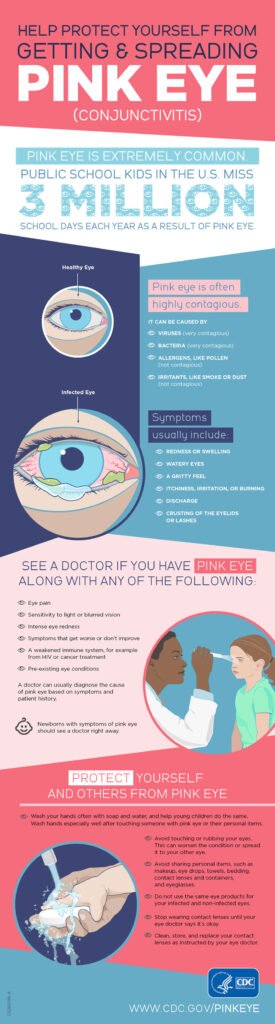
Pink eye, also known as conjunctivitis, is an inflammation of the conjunctiva, the thin clear tissue that lines the white part of the eye and the inner surface of the eyelids. It is called pink eye because it often causes the eye to become red or pink in color. Pink eye can be caused by viruses, bacteria, allergens, and irritants, and it is highly contagious.
Causes of pink eye
Pink eye can be caused by various factors. Viral pink eye is commonly caused by a viral infection such as the common cold, while bacterial pink eye is usually caused by bacteria such as Staphylococcus aureus or Streptococcus pneumoniae. Allergic pink eye is triggered by allergens such as pollen, dust mites, or pet dander, and irritant pink eye can result from exposure to irritants like smoke, chemicals, or contact lens solutions.
Types of pink eye
There are three main types of pink eye: viral, bacterial, and allergic. Viral pink eye is the most common type and is usually characterized by watery discharge, itchiness, and sensitivity to light. Bacterial pink eye typically produces a thick, yellow or green discharge and can result in crusting of the eyelids. Allergic pink eye presents with itching, redness, and excessive tearing, often accompanied by other allergy symptoms such as sneezing and a runny nose.
Preventing Pink Eye
Maintaining good hygiene
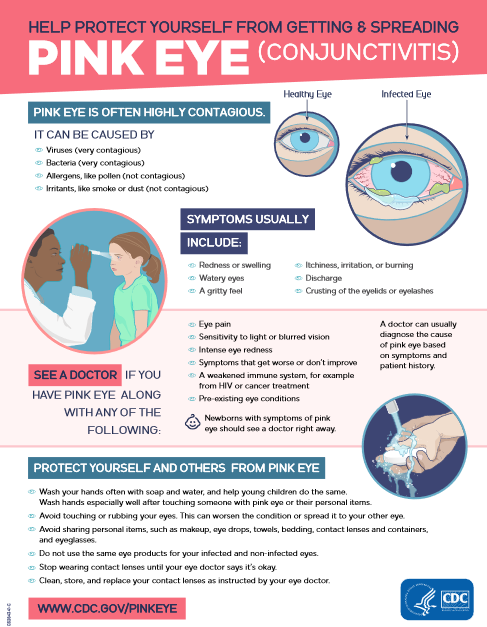
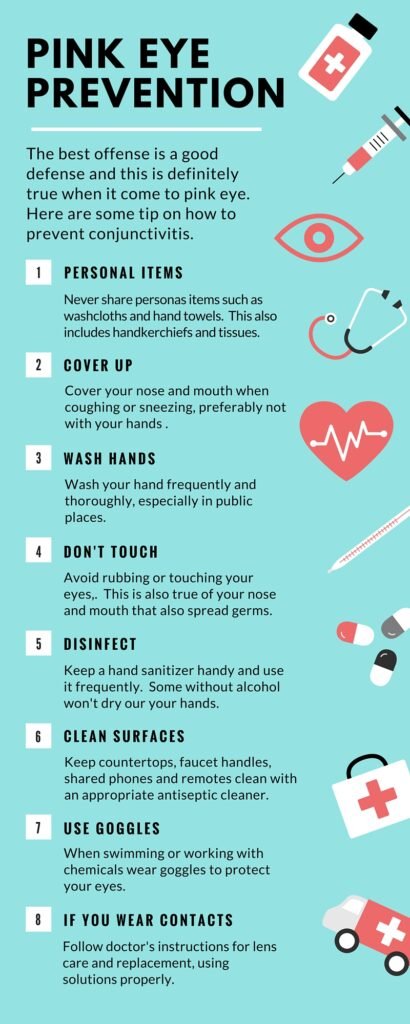
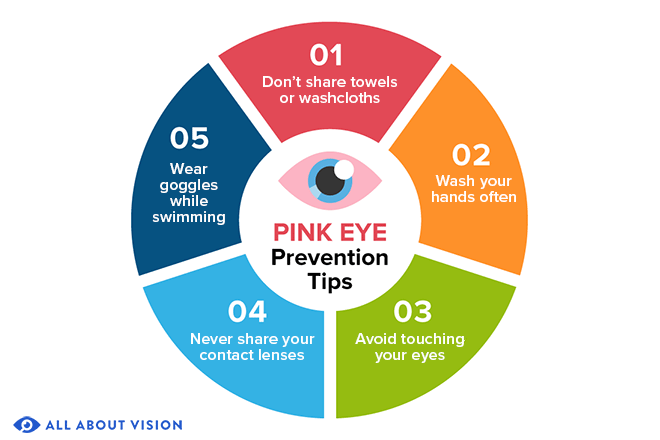
One of the most effective ways to prevent pink eye is by maintaining good hygiene. Regularly washing your hands with soap and water for at least 20 seconds is crucial, especially before touching your eyes or face. This helps prevent the transfer of viruses, bacteria, and allergens from your hands to your eyes.
Avoiding touching the eyes
Another important preventive measure is to avoid touching your eyes as much as possible. When you touch your eyes, you introduce germs and irritants that can potentially lead to pink eye. It’s essential to break the habit of rubbing or scratching your eyes and to use tissues or clean hands when removing any foreign particles or applying eye drops.
Practicing proper contact lens hygiene
If you wear contact lenses, practicing proper hygiene is vital in preventing pink eye. Make sure to clean and disinfect your contact lenses according to the instructions provided by your eye care professional. Replace your contact lens case regularly, typically every three months, to prevent the buildup of bacteria. Additionally, avoid sleeping with your contact lenses on, as this can increase the risk of infection.
Protecting the eyes from irritants
To prevent irritant-induced pink eye, it is important to protect your eyes from smoke, chemicals, and other irritants. When working in hazardous environments or engaging in activities that involve exposure to irritants, wearing protective eyewear, such as goggles or safety glasses, is essential. Furthermore, taking precautions to keep swimming pool water clean and well-maintained can help prevent pink eye caused by pool chemicals or bacteria.
Promoting a healthy immune system
Maintaining a strong immune system is crucial in preventing pink eye. Some strategies to boost your immune system include getting enough sleep, following a balanced diet rich in fruits, vegetables, and lean proteins, staying hydrated, engaging in regular exercise, and managing stress levels. Strengthening your immune system can help reduce the risk of contracting viral or bacterial infections that can lead to pink eye.
Maintaining Good Hygiene
Frequent handwashing
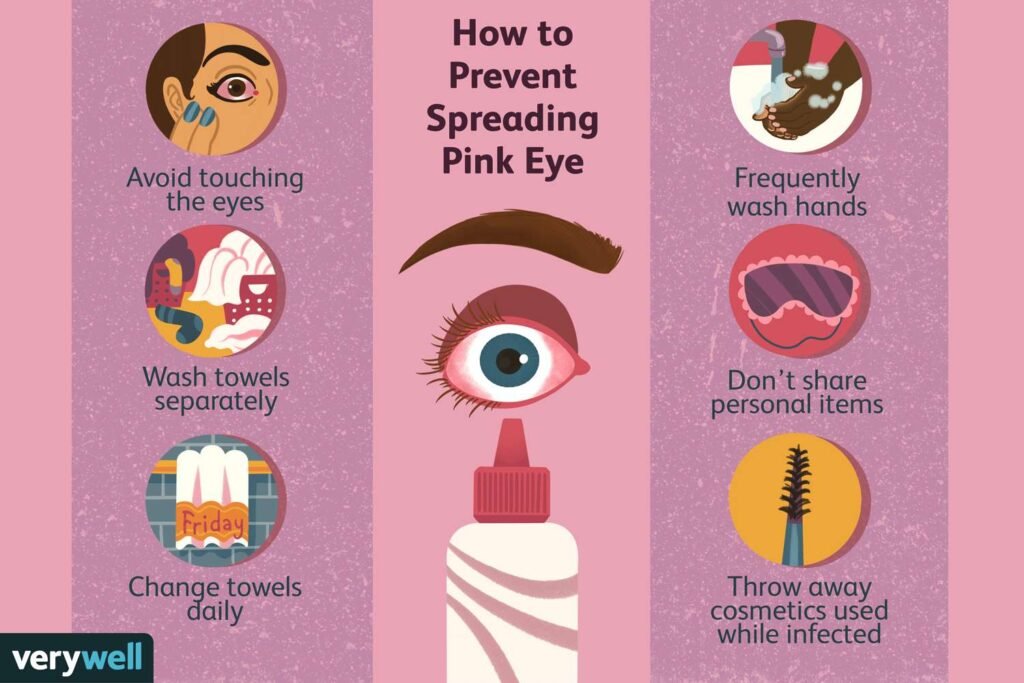
Frequent handwashing is essential in maintaining good hygiene and preventing the spread of germs that can cause pink eye. Make it a habit to wash your hands with soap and water regularly, especially before touching your eyes or face, after using the restroom, before preparing or eating food, and after being in public spaces. If soap and water are not readily available, use a hand sanitizer that contains at least 60% alcohol.
Avoiding sharing personal items
To prevent the spread of pink eye, it is crucial to avoid sharing personal items that come into contact with your eyes, such as towels, washcloths, makeup, and contact lenses. Sharing these items can transfer bacteria or viruses from one person to another, increasing the risk of contracting pink eye.
Using clean towels and linens
Using clean towels and linens is important in preventing the spread of bacteria or viruses that can cause pink eye. Wash your towels and linens regularly in hot water and detergent, using a dryer on the hottest setting if possible. Avoid reusing the same towel or pillowcase for an extended period, especially if you or someone in your household has pink eye or a contagious infection.
Cleaning and disinfecting surfaces
Cleaning and disinfecting frequently-touched surfaces can help prevent the spread of germs that can cause pink eye. Ensure you clean and disinfect surfaces such as doorknobs, light switches, countertops, and electronic devices regularly, using products known to be effective against viruses and bacteria. Pay extra attention to these surfaces if someone in your household has pink eye or a contagious infection.
Avoiding Touching the Eyes
Keeping hands away from the face
To avoid introducing germs and irritants into your eyes, it is essential to keep your hands away from your face as much as possible. Be conscious of this habit and work on breaking it. Avoid touching your eyes, rubbing or scratching them, and refrain from resting your chin or cheeks on your hands. By practicing this, you can minimize the risk of transferring infections or irritants to your eyes.
Avoiding rubbing or scratching the eyes
Rubbing or scratching your eyes can further irritate them and potentially introduce germs or irritants that can lead to pink eye. If you feel the need to relieve itching or discomfort in your eyes, use a clean tissue or the back of your hand to gently apply pressure or wipe away any irritation. It is important to resist the temptation to rub or scratch, as doing so can worsen the condition or introduce bacteria.
Using tissues or clean hands for eye care
When caring for your eyes, it is essential to use tissues or clean hands to minimize the risk of infections. Whether you are removing debris, applying eye drops, or adjusting your contact lenses, using clean, disposable tissues or properly washed hands is crucial. Avoid using dirty hands or reusing tissues, as this can transfer bacteria or irritants to your eyes, potentially leading to pink eye.
Practicing Proper Contact Lens Hygiene
Cleaning and disinfecting contact lenses
Properly cleaning and disinfecting your contact lenses is essential in preventing pink eye and maintaining healthy eyes. Follow the instructions provided by your eye care professional or the lens manufacturer to ensure you are using the correct cleaning solutions and techniques. Avoid using tap water or saliva to clean your lenses, as they can contain harmful microorganisms that can cause infections.
Replacing contact lens cases regularly
Regularly replacing your contact lens case is an important step in preventing the growth and accumulation of bacteria that can cause pink eye. Replace your contact lens case every three months, or more frequently if necessary, to ensure it remains clean and free from contamination. Additionally, make sure to rinse and dry your contact lens case after each use to remove any leftover solution or debris.
Avoiding sleeping with contact lenses on
Sleeping with contact lenses on can increase the risk of developing pink eye and other eye infections. During sleep, the closed environment created by contact lenses can create a breeding ground for bacteria or viruses. It is important to follow the recommended wearing schedule for your lenses and to remove them before going to bed. If you require extended wear lenses, consult with your eye care professional for guidance.
Following proper wearing and maintenance instructions
Following the proper wearing and maintenance instructions provided by your eye care professional is essential in preventing pink eye. This includes adhering to the recommended wearing schedule for your lenses, not exceeding the recommended wearing time, regularly cleaning and disinfecting your lenses, and replacing them as instructed. Avoid wearing expired or damaged lenses, as they can cause eye irritations or infections.
Protecting the Eyes from Irritants
Avoiding exposure to smoke and chemicals
Exposure to smoke and chemicals can irritate the eyes and potentially lead to pink eye. It is important to avoid smoking and to minimize exposure to secondhand smoke. Additionally, when working in environments with chemicals or irritants, such as factories, laboratories, or salons, wearing protective eyewear, such as goggles or safety glasses, is crucial in preventing eye irritation and infections.
Using protective eyewear in hazardous environments
In hazardous environments where eye injuries are possible, using protective eyewear is crucial in preventing pink eye. Whether it is at work, during home improvement projects, or participating in sports activities where flying objects or projectiles are common, wearing appropriate protective eyewear can provide a barrier against potential eye infections or injuries. Consult with a professional to choose the right type of protective eyewear for your specific situation.
Keeping swimming pool water clean and well-maintained
Swimming pools can harbor bacteria and other microorganisms that can cause pink eye. To prevent pool-related pink eye, it is important to ensure the water is properly chlorinated and pH-balanced. Additionally, encourage everyone, especially children, to practice good hygiene, such as showering before swimming, not swallowing pool water, and avoiding rubbing their eyes while in the pool. Wearing swim goggles can provide an additional layer of protection.
Promoting a Healthy Immune System
Getting enough sleep
Adequate sleep plays a crucial role in maintaining a healthy immune system, which helps protect against infections like pink eye. Aim for seven to nine hours of quality sleep each night to support optimal immune function and overall health. Establishing a regular sleep schedule and creating a relaxing bedtime routine can help improve sleep quality and strengthen your immune system.
Following a balanced diet
Eating a balanced diet that includes a variety of fruits, vegetables, whole grains, lean proteins, and healthy fats is essential for a healthy immune system. Ensure your diet is rich in vitamins, minerals, and antioxidants, as they can strengthen your body’s defense against infections. Incorporate foods such as citrus fruits, berries, leafy greens, nuts, seeds, and fish into your meals for their immune-boosting properties.
Staying hydrated
Proper hydration is vital for your overall health, including your immune system. Aim to drink at least eight glasses of water or other hydrating beverages each day. Hydrating adequately helps flush out toxins from your body and supports the production of immune cells. Avoid excessive consumption of sugary drinks and alcohol, as they can have an adverse effect on your immune system.
Engaging in regular exercise
Regular exercise offers multiple benefits for your immune system. Physical activity increases blood circulation, enhances immune cell function, and reduces stress levels, all of which contribute to a robust immune system. Aim for at least 150 minutes of moderate-intensity exercise or 75 minutes of vigorous-intensity exercise each week. Find activities you enjoy, such as walking, cycling, dancing, or swimming, and make them a regular part of your routine.
Managing stress levels
Chronic stress can weaken the immune system, making you more susceptible to infections like pink eye. Implement stress-reduction techniques, such as deep breathing exercises, meditation, yoga, or engaging in hobbies you enjoy. Setting aside time for self-care and prioritizing activities that help you relax and unwind can have a positive impact on both your mental well-being and immune system.
Avoiding close contact with infected individuals
When pink eye or any contagious infection is present, it is important to minimize close contact with infected individuals. Pink eye can easily spread through direct contact or by touching surfaces contaminated with the virus or bacteria. If someone around you has pink eye, avoiding close contact, sharing personal items, and practicing good hygiene can significantly reduce your risk of contracting the infection.
Seeking Medical Treatment
Recognizing the symptoms of pink eye
Recognizing the symptoms of pink eye is essential in seeking medical treatment and preventing the spread of the infection. Common symptoms include redness or pinkness in the eye, itchiness, excessive tearing, discharge (clear, yellow, or green), blurry vision, sensitivity to light, and a gritty or sandy feeling in the eye. If you experience any of these symptoms, it is important to consult with a healthcare professional for an accurate diagnosis and appropriate treatment.
Contacting a healthcare professional
If you suspect you have pink eye, it is important to contact a healthcare professional, such as an ophthalmologist, optometrist, or primary care doctor, for guidance. They can evaluate your symptoms, determine the cause of your pink eye, and recommend the appropriate treatment. It is crucial to consult with a healthcare professional before starting any self-treatment or using over-the-counter eye drops, especially if you wear contact lenses or have underlying health conditions.
Following prescribed treatment
If diagnosed with pink eye, it is important to follow the prescribed treatment plan provided by your healthcare professional. Treatment options may include prescription eye drops or ointments for bacterial or viral pink eye, antihistamines or lubricating eye drops for allergic pink eye, or a combination of treatments depending on the cause and severity of the infection. Follow the recommended dosage and duration of treatment to ensure complete healing and to prevent recurrence or complications.
Taking necessary precautions to prevent spreading
While undergoing treatment for pink eye, it is crucial to take necessary precautions to prevent spreading the infection to others. Follow good hygiene practices, such as frequent handwashing, avoiding touching your eyes, and refraining from sharing personal items. Additionally, avoid close contact with others, especially in settings where the risk of transmission is high, such as schools, healthcare facilities, or daycare centers, until your symptoms have resolved and you have received approval from your healthcare professional.
Preventing Pink Eye in Specific Settings
Preventing pink eye in schools
To prevent the spread of pink eye in school settings, it is important to promote good hygiene practices among students and staff. Educate students on the importance of handwashing, avoiding touching their eyes, and not sharing personal items. Encourage the use of hand sanitizers and provide tissues in classrooms. Routine cleaning and disinfection of frequently-touched surfaces, such as desks, doorknobs, and shared equipment, can also help prevent the spread of pink eye.
Preventing pink eye in healthcare facilities
In healthcare facilities, where vulnerable individuals may be present, preventing the spread of pink eye is crucial. Healthcare providers should follow strict hand hygiene practices, including frequent handwashing or using hand sanitizers. Proper cleaning and disinfection of medical equipment and surfaces, coupled with the use of personal protective equipment like gloves and goggles, can help minimize the risk of transmitting pink eye between patients and healthcare professionals.
Preventing pink eye in daycare centers
Daycare centers are communal settings where pink eye can easily spread among children. Implement strict hygiene protocols, including frequent handwashing for both children and staff. Encourage parents to keep their children at home if they have symptoms of pink eye, and provide clear guidelines for readmission once symptoms have resolved. Regular disinfection of toys, surfaces, and high-touch areas is important in preventing the spread of the infection among children.
Preventing pink eye in sports settings
In sports settings, close contact and shared equipment can increase the risk of pink eye transmission. Encourage athletes to practice good hygiene, including regular handwashing and refraining from touching their eyes or face during training or competitions. Equip athletes with personal protective gear like helmets or goggles, especially in sports where eye injuries or infections are common. Cleaning and disinfecting commonly-used equipment, such as balls or helmets, can help minimize the risk of pink eye transmission.
Preventing pink eye in community living environments
In community living environments such as nursing homes or assisted living facilities, preventing the spread of pink eye is essential to protect vulnerable residents. Staff should adhere to strict hand hygiene practices and ensure residents receive proper care for their eye health. Regular cleaning and disinfection of surfaces and equipment, such as handrails, doorknobs, and assistive devices, can help prevent the spread of pink eye among residents.
Conclusion
Prevention is key when it comes to pink eye. By understanding the causes and types of pink eye, practicing good hygiene, avoiding touching the eyes, maintaining proper contact lens hygiene, protecting the eyes from irritants, and promoting a healthy immune system, you can significantly reduce the risk of contracting pink eye. Additionally, seeking prompt medical treatment, taking necessary precautions to prevent spreading the infection, and implementing preventive measures in specific settings can further minimize the impact of pink eye. By taking proactive measures and promoting awareness, we can all contribute to a healthier and pink eye-free community.