
Have you ever wondered how to keep your skin healthy and prevent the occurrence of Rosacea? Look no further! In this article, you will discover some simple and effective tips to help you prevent Rosacea and enjoy clear, glowing skin. From adopting a gentle skincare routine to managing stress, we’ve got you covered. So, let’s dive in and explore these preventative measures that will leave your skin looking and feeling its best.

Identifying Triggers
Understanding Rosacea
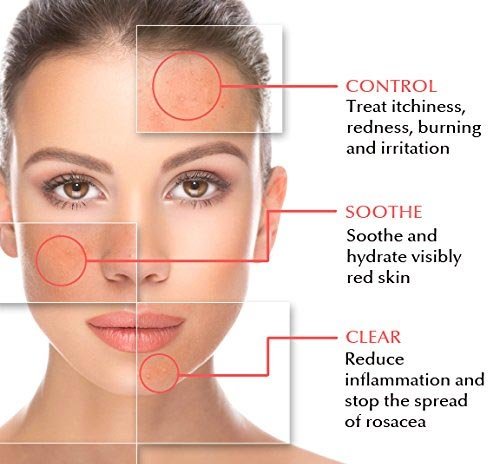
Rosacea is a common skin condition that affects many individuals worldwide. It is characterized by redness, flushing, small visible blood vessels, and in some cases, pimples or bumps. While the exact cause of rosacea remains unknown, it is believed to involve a combination of genetic and environmental factors. To effectively prevent and manage rosacea, it is crucial to identify triggers that can worsen symptoms and avoid them whenever possible.
Recognizing Trigger Factors
Understanding and recognizing the trigger factors that can aggravate rosacea is an essential step in preventing flare-ups. These triggers may vary from person to person, but some common ones include spicy foods, hot beverages, alcohol, exposure to extreme temperatures, stress, and certain skincare products. By paying close attention to the patterns and circumstances surrounding your rosacea flare-ups, you can begin to identify your personal trigger factors.
Keeping a Trigger Diary
Keeping a trigger diary can be incredibly helpful in pinpointing the specific factors that exacerbate your rosacea. In this diary, you can track your diet, activities, skincare routine, and any other factors that may influence your skin’s condition. By recording this information daily for a few weeks or months, you may start to notice patterns or correlations between certain triggers and your flare-ups. Armed with this knowledge, you can then take proactive steps to avoid or minimize exposure to these triggers, effectively preventing rosacea from worsening.
Healthy Lifestyle Choices
Dietary Considerations
Maintaining a healthy diet plays a significant role in preventing and managing rosacea. While there are no specific “rosacea diet” recommendations, certain dietary factors have been known to trigger flare-ups in some individuals. Spicy foods, hot beverages, alcohol, and caffeine are some common culprits. It can be helpful to identify and limit your intake of these trigger foods and beverages. Incorporating a balanced diet with plenty of fruits, vegetables, lean proteins, whole grains, and healthy fats can provide your body with the necessary nutrients to support overall skin health.
Maintaining a Skincare Routine
Having a consistent skincare routine is essential for preventing rosacea flare-ups. When choosing skincare products, opt for gentle, non-irritating formulations that are specifically formulated for sensitive skin. Avoid harsh cleansers, exfoliants, and abrasive scrubs, as they can aggravate your skin and trigger inflammation. Always use lukewarm water when cleansing your face and pat dry with a soft towel instead of rubbing. Additionally, be cautious when using skincare products containing fragrances or dyes, as they can potentially irritate your skin further.
Optimal Exercise Habits
Regular exercise is beneficial for overall health and can help reduce stress, which is a known trigger for rosacea. However, it is essential to engage in exercise habits that are suitable for your skin condition. Activities that induce excessive sweating or increase body temperature significantly, such as high-intensity workouts, hot yoga, or prolonged exposure to sauna or steam rooms, can trigger flare-ups. Opt for low to moderate-intensity exercises such as walking, swimming, or gentle yoga, and ensure you cool down and hydrate adequately after each session.
Effective Skincare Practices
Gentle Cleansing Techniques
Proper cleansing is crucial for individuals with rosacea, but it is important to use gentle cleansing techniques to avoid aggravating your skin. Choose a mild, non-foaming cleanser that is formulated for sensitive or rosacea-prone skin. When cleansing, avoid scrubbing or rubbing your face vigorously, as this can lead to irritation and redness. Instead, use your fingertips to gently massage the cleanser onto your skin in circular motions. Rinse with lukewarm water and pat your face dry with a soft towel.
Suitable Moisturizers and Sunscreens
Choosing the right moisturizer and sunscreen is essential for individuals with rosacea. Look for lightweight, non-comedogenic moisturizers that are specifically formulated for sensitive skin. These should provide hydration without clogging your pores or irritating your skin. When it comes to sunscreen, select a broad-spectrum, oil-free formula with an SPF of 30 or higher. Sunscreen not only protects your skin from harmful UV rays but also helps to minimize rosacea flare-ups triggered by sun exposure.
Avoiding Harsh Ingredients
When selecting skincare products, be sure to avoid those that contain harsh ingredients. Products containing alcohol, menthol, eucalyptus oil, witch hazel, and fragrance can all potentially irritate your already sensitive skin and trigger rosacea flare-ups. Instead, opt for gentle, fragrance-free formulations that are specifically developed for sensitive or rosacea-prone skin. It is also a good practice to patch test new products on a small area of your skin before applying them to your face to ensure they do not cause any adverse reactions.
Protection from Sun Exposure
Wearing Sunscreen Daily
Protecting your skin from the damaging effects of the sun is crucial for individuals with rosacea. Even on cloudy days, harmful UV rays can penetrate through the clouds and trigger flare-ups. Thus, it is essential to wear sunscreen with broad-spectrum protection daily. Apply a generous amount of sunscreen to your face, neck, and any other exposed areas at least 15 to 30 minutes before sun exposure. Reapply every two hours or more frequently if you are sweating or swimming. Wearing a wide-brimmed hat and sunglasses can further shield your face from the sun.
Covering Up in the Sun
In addition to applying sunscreen, it is beneficial to cover up your skin when spending time outdoors. Choose lightweight, breathable clothing that covers your arms and legs to minimize sun exposure. If you are prone to rosacea flare-ups on your face, consider wearing a wide-brimmed hat or using a parasol to provide additional shade and protection. By reducing direct exposure to the sun, you can help prevent sunburn and minimize the risk of triggering your rosacea symptoms.
Avoiding Midday Sun
The sun’s rays are the strongest between 10 a.m. and 4 p.m., so it is wise to avoid prolonged sun exposure during this time. If possible, plan outdoor activities for early morning or late afternoon when the sun’s intensity is lower. If you do need to be outside during midday, seek shaded areas or create your own shade using an umbrella or canopy. By limiting your exposure to the midday sun, you can significantly reduce the risk of triggering rosacea flare-ups.

Stress Management
Identifying Stressors
Stress is a well-known trigger for rosacea flare-ups. Identifying and managing your stressors is crucial to prevent the onset or aggravation of symptoms. Take the time to reflect on situations, activities, or people that tend to induce stress and trigger your rosacea. These stressors can be personal or work-related and may differ from person to person. Once you identify these triggers, you can then take steps to minimize stress and develop effective stress management strategies.
Relaxation Techniques
Incorporating relaxation techniques into your daily routine can have a significant impact on managing stress and preventing rosacea flare-ups. Deep breathing exercises, meditation, and practicing mindfulness can help calm your mind and reduce stress levels. Explore different relaxation techniques to discover what works best for you. Whether it’s taking a warm bath, practicing yoga, or listening to soothing music, find activities that help you relax and unwind.
Mindfulness and Meditation
Mindfulness and meditation are powerful tools that can help improve overall well-being and reduce stress. Set aside a few minutes each day to practice mindfulness or meditation. Find a quiet and comfortable space where you can sit or lie down. Focus on your breath, allowing your thoughts to come and go without judgment. Guided meditation apps or online resources can be valuable tools to help you get started. By incorporating mindfulness and meditation into your daily routine, you can cultivate a sense of calmness and reduce stress, ultimately preventing rosacea flare-ups.
Avoiding Extreme Temperatures
Limiting Exposure to Heat
Exposure to extreme heat can trigger rosacea flare-ups in many individuals. It is important to limit your exposure to hot environments and activities that generate excessive heat, such as saunas, hot tubs, and heated swimming pools. During hotter months, stay indoors or seek shade during the hottest parts of the day. When cooking, use oven mitts or utensils to handle hot objects. By minimizing your exposure to excessive heat, you can help prevent the dilation of blood vessels and the aggravation of rosacea symptoms.
Protecting Skin in Cold Weather
Cold weather can also be a trigger for rosacea flare-ups. Protect your skin from harsh winds and cold temperatures by wearing scarves, hats, and gloves. Whenever possible, limit your time spent outdoors in cold weather and ensure your skin remains adequately moisturized. Applying a moisturizer designed for dry skin can help to lock in moisture and prevent dryness and irritation during colder months.
Avoiding Hot Baths and Showers
While a hot bath or shower may be tempting, it is crucial to avoid exposing your skin to hot water for extended periods. Hot water can strip your skin of its natural oils and disrupt its moisture barrier, potentially triggering rosacea flare-ups. Instead, opt for lukewarm water when showering or bathing. It is also advisable to keep your shower or bath time short to minimize the potential for skin irritation.

Avoiding Irritants
Choosing Gentle Products
When it comes to skincare and household products, choosing gentle options is vital for individuals with rosacea. Avoid products that contain harsh ingredients such as alcohol, abrasive exfoliants, or fragrance, as they can irritate your skin and worsen your symptoms. Instead, opt for mild and non-irritating products designed for sensitive skin. Look for labels that indicate the product is fragrance-free, hypoallergenic, and suitable for sensitive or rosacea-prone skin.
Avoiding Fragrances and Dyes
Fragrances and dyes are known irritants that can exacerbate rosacea symptoms in many individuals. When purchasing skincare, cosmetic, or household products, always check the ingredient list and avoid those that contain fragrances or artificial dyes. Fragrance-free alternatives are available for most products, including moisturizers, cleansers, makeup, and laundry detergents. By eliminating fragrances and dyes from your surroundings, you can minimize the risk of triggering rosacea flare-ups.
Using Mild Detergents
Laundry detergents and fabric softeners often contain harsh chemicals that can irritate your skin. When washing your clothes, choose mild and hypoallergenic detergents that are specifically formulated for sensitive skin. Avoid fabric softeners or dryer sheets that contain fragrances or dyes, as these can also trigger rosacea symptoms. Additionally, rinse your clothes thoroughly to remove any residual detergent that may come into contact with your skin.
Treating Skin Gently
Patting Dry instead of Rubbing
When drying your face or body after washing, avoid rubbing your skin vigorously with a towel. Instead, gently pat your skin dry using a soft towel or patting motion with your hands. Rubbing your skin aggressively can lead to irritation and increased redness, worsening your rosacea symptoms. By treating your skin gently, you can help minimize skin sensitivity and reduce the likelihood of flare-ups.
Avoiding Scrubbing or Exfoliating
For individuals with rosacea, scrubbing or exfoliating your skin can be too harsh and cause irritation. Avoid using abrasive scrubs or physical exfoliants that can potentially aggravate your skin. Instead, choose chemical exfoliants that contain gentle ingredients like alpha-hydroxy acids (AHAs) or beta-hydroxy acids (BHAs). These chemical exfoliants work to gently remove dead skin cells without causing excessive friction or irritation.
Using Soft Fabrics for Clothing
Clothing made from rough or scratchy fabrics can irritate your skin and trigger rosacea symptoms. Opt for clothing made from soft, breathable fabrics such as cotton or bamboo. These materials are less likely to cause friction against your skin and can help minimize irritation. Additionally, be mindful of any accessories, such as scarves or hats, that come into contact with your face. Choose materials that feel soft and comfortable against your skin to prevent any unnecessary irritation.

Seeking Professional Help
Visiting a Dermatologist
If you are struggling to manage your rosacea symptoms effectively, it may be beneficial to seek professional help from a dermatologist. A dermatologist can properly diagnose your condition, provide personalized advice, and recommend appropriate treatment options. They may prescribe medications, such as topical creams or oral medications, and provide guidance on lifestyle modifications to help manage your rosacea effectively.
Prescription Medications
In some cases, over-the-counter skincare products may not provide sufficient relief for rosacea symptoms. Your dermatologist may prescribe prescription medications that can help control inflammation and reduce the frequency and severity of flare-ups. These medications can include topical antibiotics, anti-inflammatories, or even oral medications. It is crucial to follow your dermatologist’s instructions carefully and discuss any concerns or side effects you may experience.
Laser and Light Therapies
For individuals with persistent redness or visible blood vessels associated with rosacea, laser and light therapies may be effective treatment options. These therapies target and destroy the dilated blood vessels, resulting in a reduction of redness and overall improvement in skin appearance. Your dermatologist can assess your specific skin condition and determine whether laser or light therapies are suitable for you. However, it is essential to note that these treatments may require multiple sessions and may not completely eliminate rosacea.
Supporting Research and Awareness
Participating in Clinical Trials
Clinical trials play a vital role in advancing the understanding and treatment of rosacea. By participating in clinical trials, you not only contribute to scientific research but also gain access to potential new treatments or interventions for your condition. Discuss with your dermatologist the possibility of participating in a clinical trial and the potential benefits and risks associated with it.
Supporting Rosacea Organizations
Supporting rosacea organizations can help raise awareness, fund research, and provide resources for individuals living with rosacea. Consider donating to or volunteering for organizations dedicated to rosacea advocacy and support. Through your contributions, you can contribute to the ongoing efforts to improve the lives of individuals affected by rosacea.
Educating Others about Rosacea
Raising awareness and educating others about rosacea is an important aspect of preventing and managing the condition. Share your own experiences, knowledge, and resources with friends, family, and colleagues. By fostering understanding and empathy, you can help create a supportive environment for individuals with rosacea. Encourage others to learn more about the condition and spread accurate information to dispel misconceptions surrounding rosacea.
In conclusion, preventing rosacea requires a comprehensive approach that involves identifying triggers, adopting a healthy lifestyle, practicing effective skincare, protecting your skin from sun exposure, managing stress, avoiding extreme temperatures and irritants, treating your skin gently, seeking professional help when necessary, and supporting research and awareness. By implementing these strategies and making conscious choices, you can significantly reduce the frequency and severity of rosacea flare-ups, leading to improved quality of life and healthier skin.