
In this article, we’ll provide you with all the information you need to recognize the symptoms of a yeast infection. It’s important to be able to identify this common condition as early as possible, as it can cause discomfort and inconvenience if left untreated. By understanding the tell-tale signs, you’ll be able to seek appropriate treatment and ensure a quick recovery. So, if you’ve been wondering “how do I know if I have a yeast infection?”, you’ve come to the right place. Let’s get started!

Common Symptoms of a Yeast Infection
If you’re experiencing a yeast infection, there are several common symptoms that you may notice. Vaginal itching is one of the main signs to look out for. You may feel an intense itching sensation in and around your vagina. This itchiness can be quite bothersome and may increase in intensity over time.
Another common symptom is vaginal discharge. You may observe an abnormal discharge that is thick, white, and cottage cheese-like in texture. It may have a distinct odor, which can be unpleasant. This discharge is usually accompanied by discomfort and irritation.
Burning sensation during urination is another symptom that may be present. When you have a yeast infection, the irritated and inflamed vaginal tissues can cause a stinging or burning feeling when you urinate. This can be quite uncomfortable and is one of the signs to look out for.
In addition to the above, pain during sexual intercourse is a symptom that some individuals may experience. The infection can cause the vaginal tissues to become inflamed and tender, making sexual activity painful. If you are experiencing pain during sex, it is worth considering the possibility of a yeast infection.
Less Common Symptoms of a Yeast Infection
While the symptoms mentioned are more commonly associated with yeast infections, there are also some less common symptoms that you should be aware of. Swelling and redness in the vulva are signs that can indicate a yeast infection. The inflammation can make the vulva appear swollen and red, causing discomfort and sensitivity.
Soreness and irritation can also occur as a result of a yeast infection. You may notice increased sensitivity and tenderness in the vaginal area. This can make everyday activities, such as walking or sitting, uncomfortable.
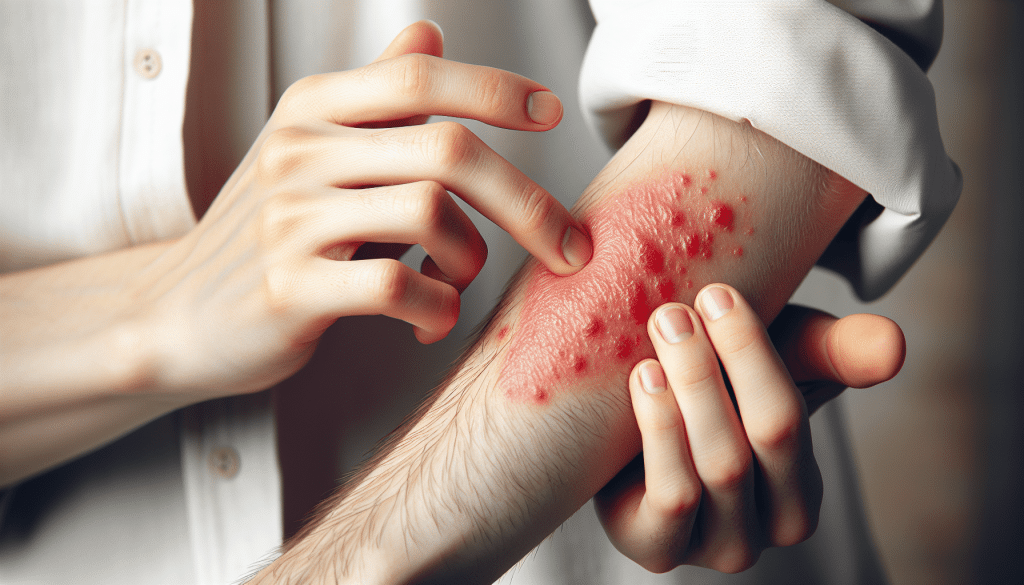
Another less common symptom is the presence of a rash on the skin around the vagina. The rash can be red, itchy, and may sometimes be accompanied by small bumps or sores. If you notice any unusual rashes or skin changes in the vaginal area, it is advisable to consult a healthcare professional.
It’s important to note that yeast infections can also affect men. Some symptoms in men may include redness and itching on the penis, discomfort during urination, and the presence of a white, thick discharge under the foreskin.

Symptoms in Babies
Yeast infections can affect individuals of all ages, including babies. In infants, some common symptoms of yeast infections include oral thrush, diaper rash, and white patches on the tongue and inside the mouth. Oral thrush appears as white patches or spots on the tongue, inner cheeks, and roof of the mouth. Diaper rash caused by yeast infections can be more severe and resistant to typical diaper rash treatments. If you notice any of these symptoms in your baby, it is important to consult a pediatrician for proper diagnosis and treatment.
Factors That Can Trigger Yeast Infections
Yeast infections can be triggered by various factors. Understanding these triggers can help you take preventive measures and reduce the risk of developing an infection. Some common triggers include antibiotic use, pregnancy, a weakened immune system, uncontrolled diabetes, hormonal changes (such as those occurring during menstruation), and poor hygiene.
Antibiotics can disrupt the natural balance of bacteria in the body, including the beneficial bacteria that help keep yeast in check. This imbalance can lead to the overgrowth of Candida, the fungus responsible for yeast infections. Pregnancy and hormonal changes can also alter the vaginal environment, making it more susceptible to yeast overgrowth. A weakened immune system, which can occur due to factors like stress, illness, or certain medications, can also increase the likelihood of developing a yeast infection. People with uncontrolled diabetes may have elevated levels of sugar in their urine and vaginal secretions, creating an ideal environment for yeast to thrive. Additionally, practicing good hygiene, such as regularly washing the vaginal area with mild, unscented soap and water, can help prevent yeast infections.

Determining Whether It’s a Yeast Infection or Something Else
If you’re experiencing symptoms that could potentially indicate a yeast infection, it’s important to determine whether it is indeed a yeast infection or another condition. There are a few methods you can use to make this determination.
Self-diagnosis can be done by monitoring your symptoms and comparing them to those commonly associated with yeast infections. However, it’s important to note that self-diagnosis may not always be accurate, as some symptoms can overlap with other conditions. If you’re unsure, it’s always best to seek medical diagnosis to confirm the presence of a yeast infection.
Medical diagnosis involves visiting a healthcare professional who can perform a physical examination, take a detailed medical history, and may collect samples for laboratory testing. These tests can help identify the presence of a yeast infection and rule out other potential causes of your symptoms.
Seeking professional advice is always recommended if you’re unsure about your symptoms or if your symptoms persist or worsen despite self-treatment. Healthcare professionals can provide guidance, advice, and appropriate treatment options based on your specific situation.
When to See a Doctor
While yeast infections can often be managed with over-the-counter treatments, there are certain situations where it is advisable to see a doctor.
Recurrent or severe symptoms should not be ignored. If you have consistently recurring yeast infections, it is essential to seek medical advice. Recurrent infections may be a sign of an underlying condition that needs to be addressed. Similarly, if you experience severe symptoms that are significantly affecting your quality of life, it is best to consult a healthcare professional for proper evaluation and treatment.
First-time symptoms can also warrant a visit to the doctor. If you have never experienced symptoms of a yeast infection before and are unsure about the best course of action, it is recommended to consult a healthcare professional for an accurate diagnosis and appropriate treatment.
Persistent symptoms that do not improve or worsen after a few days of self-treatment should also be evaluated by a healthcare professional. It’s important to ensure that your symptoms are not indicative of another condition that requires different treatment.
Remember, healthcare professionals are there to provide support and guidance, so don’t hesitate to reach out if you have any concerns about your symptoms.
Prevention Tips
Preventing yeast infections involves incorporating simple lifestyle changes and practicing good personal hygiene. Here are some tips to help reduce the risk of developing a yeast infection:
-
Maintain good hygiene: Properly clean the vaginal area with mild, unscented soap and water. Avoid using harsh soaps, douches, or feminine hygiene sprays, as these can disrupt the natural balance of the vaginal environment.
-
Avoid douching: Douching can disturb the delicate balance of bacteria in the vagina and increase the risk of developing an infection. Avoid douching unless specifically instructed by a healthcare professional.
-
Change out of wet bathing suits and workout clothes: Moist environments create an ideal breeding ground for yeast. Change out of wet clothes, including bathing suits and sweaty workout clothes, as soon as possible to reduce the risk of yeast overgrowth.
-
Wear breathable cotton underwear: Choose underwear made from natural, breathable materials like cotton to allow for proper air circulation and reduce moisture build-up.
-
Avoid tight-fitting clothing: Tight-fitting clothes, especially synthetic fabrics, can trap moisture and heat, creating an environment where yeast can thrive. Opt for loose-fitting clothing whenever possible.
-
Practice safe sex: Engage in safe sex practices to reduce the risk of sexually transmitted infections, which can increase the likelihood of developing a yeast infection.
-
Limit the use of antibiotics: Antibiotics can disrupt the natural balance of bacteria in the body, increasing the risk of yeast overgrowth. Use antibiotics only as prescribed by a healthcare professional and avoid unnecessary use.
By implementing these preventive measures, you can significantly reduce the risk of developing a yeast infection and maintain optimal vaginal health.
Treatment Options
If you suspect you have a yeast infection, there are various treatment options available. The choice of treatment may depend on the severity of your symptoms and whether it is the first occurrence or a recurrent infection. Here are some treatment options to consider:
-
Over-the-counter antifungal medications: Many yeast infections can be effectively treated with over-the-counter antifungal medications in the form of creams, suppositories, or ointments. These medications typically contain active ingredients like clotrimazole or miconazole, which help combat the fungal infection.
-
Prescription antifungal medications: In cases of severe or recurrent yeast infections, a healthcare professional may prescribe stronger antifungal medications. These may be oral medications or stronger topical treatments.
-
Home remedies: Some individuals may opt for home remedies to alleviate symptoms and promote healing. These remedies may include applying yogurt or tea tree oil to the affected area, taking probiotic supplements, or practicing good hygiene habits.
-
Probiotics: Probiotics, such as Lactobacillus acidophilus, can help restore the natural balance of bacteria in the vagina and prevent yeast overgrowth. Probiotics can be taken orally or applied topically in the form of creams or suppositories.
It is important to note that if you are experiencing persistent or recurrent symptoms, it is advisable to seek medical advice for proper diagnosis and treatment.
Complications of Untreated Yeast Infections
While yeast infections can be bothersome, they can also lead to potential complications if left untreated. Here are some of the complications associated with untreated yeast infections:
-
Recurrent infections: If a yeast infection is not properly treated, it may recur frequently. This can be frustrating and may require more extensive treatment to manage.
-
Chronic infections: Prolonged untreated yeast infections can lead to chronic infections that are more challenging to treat. Chronic yeast infections may necessitate more aggressive treatment options, such as long-term use of antifungal medications.
-
Increased risk of sexually transmitted infections: Some studies suggest that untreated yeast infections may increase the risk of acquiring certain sexually transmitted infections (STIs). This is because untreated yeast infections can cause inflammation and damage to the vaginal tissues, making it easier for STIs to be transmitted.
To avoid these potential complications, it is crucial to seek prompt medical attention and proper treatment for yeast infections. Don’t hesitate to reach out to a healthcare professional if you suspect you have a yeast infection or if your symptoms persist or worsen despite self-treatment.
In conclusion, yeast infections are common and can affect individuals of all ages, from babies to adults. Recognizing the symptoms, understanding the triggers, and taking preventive measures are key to managing and preventing yeast infections. If you suspect you have a yeast infection, consider self-diagnosis, medical diagnosis, or seeking professional advice. Treatments options include over-the-counter or prescription medications, home remedies, and probiotics. Remember that untreated yeast infections can lead to complications, so timely medical intervention is essential. By following these guidelines and practicing good hygiene, you can promote vaginal health and reduce the risk of yeast infections.