Having ear pain can be a real discomfort, but fret not! In this article, you will discover effective ways to relieve ear pain and get some much-needed relief. Whether it’s caused by an infection, pressure changes, or excessive earwax, we’ve got you covered with easy-to-follow remedies that will help soothe the ache and bring back your peace of mind. So, sit back, relax, and learn how to alleviate that bothersome ear pain in no time. It’s something that many of us have experienced at some point in our lives, and it can be incredibly uncomfortable. Whether it’s a sharp, stabbing pain or a dull ache, ear pain can disrupt our daily routines and make it difficult to focus on anything else. But fear not – there are ways to relieve ear pain and get back to feeling like yourself again. In this comprehensive article, we will explore the various causes of ear pain, home remedies that can provide relief, alternative remedies worth trying, and tips for preventing future bouts of ear pain. We will also delve into specific treatments for common conditions such as ear infections, sinus infections and allergies, and fluid buildup in the ears. Additionally, we will address the unique nature of ear pain in children and provide guidance on when it is necessary to seek medical help. So, without further ado, let’s dive in and discover how to effectively address ear pain.

Identifying the Cause of Ear Pain
Determining the underlying cause
When it comes to ear pain, understanding the underlying cause is crucial in finding the most effective means of relief. There are several potential causes of ear pain, including ear infections, sinus infections, allergies, and fluid buildup in the ears. Additional factors such as earwax accumulation, foreign objects in the ear, and changes in air pressure can also contribute to discomfort. By closely observing your symptoms and evaluating any accompanying factors, you can begin to narrow down the potential causes of your ear pain and tailor your approach to finding relief.
Consulting a healthcare professional
While it’s possible to alleviate mild cases of ear pain at home, it is important to consult a healthcare professional if your symptoms persist or worsen. A medical expert will not only help identify the underlying cause of your ear pain but can also provide personalized recommendations for effective treatment. They may recommend specific medications, prescribe antibiotics in the case of an infection, or suggest further tests or procedures if necessary. Remember, seeking professional medical advice is always a wise decision when it comes to matters of your health, especially when it involves your ears.
Recognizing common symptoms
Before delving into the various remedies and treatments for ear pain, it is essential to familiarize yourself with the common symptoms associated with different causes of ear pain. These symptoms can include sharp or throbbing pain in the ear, a feeling of fullness or pressure, reduced hearing or muffled sounds, dizziness or vertigo, and discharge from the ear. Recognizing these symptoms can help you pinpoint the cause of your ear pain and guide your choice of treatment. If you are experiencing any of these symptoms, it’s important to take them seriously and seek appropriate medical guidance.
Home Remedies for Ear Pain
Applying warm compresses
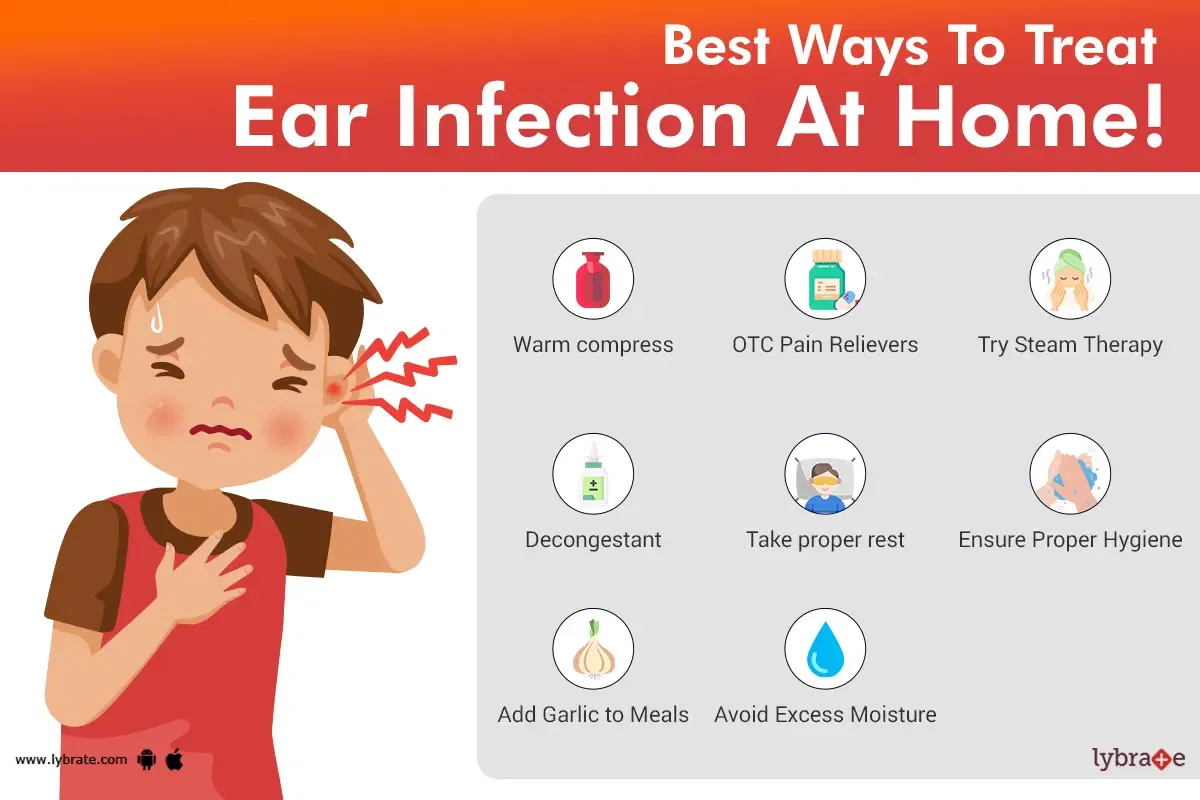
One of the easiest and most accessible ways to relieve ear pain at home is by applying warm compresses to the affected ear. The warmth helps soothe inflammation and promotes healing. To make a warm compress, soak a clean cloth in warm water, wring out the excess, and gently place it against the affected ear. Make sure the temperature is comfortable and not too hot to avoid burning sensitive skin. Leave it on for about 10-15 minutes and repeat as needed throughout the day.
Utilizing over-the-counter pain relievers
Over-the-counter pain relievers such as ibuprofen or acetaminophen can provide temporary relief from ear pain. These medications not only help alleviate pain but can also reduce inflammation, making them a valuable asset in your home remedy arsenal. Remember to carefully follow the instructions for dosage and consult with a healthcare professional if you have any pre-existing conditions or are taking other medications.
Using hydrogen peroxide drops
If your ear pain is accompanied by excessive earwax buildup, hydrogen peroxide drops can help break down the wax and provide relief. To use this remedy, lie on your side with the affected ear facing up. Use a dropper or a clean cotton ball to apply a few drops of hydrogen peroxide into the ear canal. Allow it to sit for a few minutes, then tilt your head to let the solution drain out. Gently clean the outer ear with a soft cloth or tissue. Always consult with a healthcare professional before using hydrogen peroxide drops, especially if you have a perforated ear drum or any other ear-related medical conditions.
Alternative Remedies for Ear Pain
Using garlic oil drops
Garlic has long been recognized for its natural antibacterial and anti-inflammatory properties. Using garlic oil drops can help combat infections and reduce pain associated with earaches. To create garlic oil drops, crush a few garlic cloves and mix them with warm olive oil. Let the mixture sit for about 30 minutes, then strain it to remove any solids. Using a dropper, apply a few drops of the garlic-infused oil into the affected ear, ensuring it reaches the ear canal. Repeat this process a few times a day until the pain subsides.
Trying essential oils
Essential oils have gained popularity for their various therapeutic properties, including pain relief. When used correctly and in appropriate dilutions, certain essential oils can help alleviate ear pain. Tea tree oil, lavender oil, and chamomile oil are some options worth considering. Start by diluting a few drops of your chosen essential oil in a carrier oil, such as olive oil or coconut oil. Apply a drop or two of the diluted mixture to a cotton ball and gently place it at the entrance of the ear canal, taking care not to insert it too deeply. Leave it in for about 20 minutes and repeat as needed. Remember to always perform a patch test for allergies or sensitivities before using any essential oil.
Applying acupressure
Acupressure is an ancient practice that involves applying gentle pressure to specific points on the body to promote healing and relieve pain. Certain acupressure points are believed to be beneficial for ear pain relief. One such point is located just behind the earlobe, in the depression where the ear meets the jaw. Apply gentle pressure to this point using your index and middle fingers, and massage in a circular motion for a few minutes. Another acupressure point is located in the fleshy area between the thumb and index finger. Apply firm pressure to this point with your opposite thumb and hold for a few minutes. Experiment with these acupressure techniques and adjust the pressure according to your comfort level.
Preventing Ear Pain
Maintaining good ear hygiene
One of the key ways to prevent ear pain is by practicing good ear hygiene. This includes regularly cleaning the outer ear with a soft cloth or tissue, but avoid inserting anything into the ear canal. Excessive cleaning or the use of cotton swabs can push wax further into the ear and cause blockages or damage.
Avoiding exposure to loud noises
Protecting your ears from loud noises is essential in preventing ear pain, as prolonged exposure to loud sounds can damage the delicate structures within the ear. Whenever you anticipate exposure to loud noises, such as at concerts or while operating machinery, use earplugs or earmuffs to protect your ears. Additionally, be mindful of the volume levels when using headphones or listening to music through speakers.
Protecting ears during swimming
Swimming, particularly in chlorinated pools or natural bodies of water, can increase the risk of ear infections due to excess moisture. To protect your ears while swimming, consider using earplugs made specifically for water activities. These plugs help keep water out of the ear canal, reducing the chances of infection and subsequent pain. Additionally, thoroughly dry your ears after swimming by tilting your head to each side and gently pulling on the earlobe to allow any trapped water to drain out.

Treating Ear Infections
Understanding the types of ear infections
Ear infections can be a common cause of ear pain, especially in children. There are three main types of ear infections: outer ear infections (otitis externa), middle ear infections (otitis media), and inner ear infections (otitis interna). Outer ear infections typically result from water exposure and are often referred to as swimmer’s ear. Middle ear infections occur when the middle ear becomes infected and inflamed, usually due to bacteria or viruses. Inner ear infections are less common and result from viral infections.
Using prescribed antibiotics
For bacterial ear infections, healthcare professionals often prescribe antibiotics to combat the infection and alleviate the associated pain. It’s crucial to follow the prescribed dosage and complete the full course of antibiotics, even if symptoms improve before the medication is finished. This helps ensure that all bacteria are eradicated and reduces the risk of recurring or more severe infections.
Seeking medical intervention
If ear pain persists or worsens despite home remedies or over-the-counter pain relievers, it may be necessary to seek medical intervention. In some cases, specialized procedures or treatments such as ear tube placement may be required to address recurring infections or fluid buildup in the middle ear. A healthcare professional will be able to assess your specific situation and provide appropriate guidance for more advanced treatments.
Managing Sinus Infections and Allergies
Using saline nasal sprays
Sinus infections and allergies can cause ear pain due to inflammation and congestion. Using saline nasal sprays can help alleviate these symptoms by clearing the nasal passages and reducing inflammation. Saline nasal sprays are available over the counter or can be made at home by mixing non-iodized salt with sterile water. Use the spray according to the package directions or as recommended by a healthcare professional.
Taking over-the-counter antihistamines
If your ear pain is related to allergies, over-the-counter antihistamines can provide relief by blocking histamine release and reducing inflammation. Antihistamines can help alleviate congestion and reduce pressure in the sinuses and ears. However, it’s important to choose a non-drowsy formulation if you need to remain alert throughout the day, and consult with a healthcare professional if you have any pre-existing medical conditions or are taking other medications.
Avoiding allergens
Preventing exposure to allergens is crucial in managing ear pain caused by allergies. Identify the specific allergens triggering your symptoms and take appropriate steps to minimize exposure. This may include keeping windows closed during peak pollen seasons, using air purifiers, regularly cleaning and dusting your living spaces, and avoiding contact with known allergens as much as possible. By reducing your exposure to allergens, you can help prevent and manage ear pain.
Addressing Fluid Buildup in the Ears
Performing the Valsalva maneuver
If you are experiencing ear pain or pressure due to fluid buildup in the ears, the Valsalva maneuver can help equalize pressure and provide relief. To perform the maneuver, close your mouth, pinch your nostrils closed with your fingers, and gently blow air out of your nose. The gentle pressure generated can help open the Eustachian tubes and allow the fluid to drain. Be cautious not to blow too forcefully, as this can potentially damage the eardrum. If you are unsure about performing the Valsalva maneuver, consult with a healthcare professional for guidance.
Using nasal decongestant sprays
Nasal decongestant sprays can help reduce inflammation and congestion in the nasal passages, which in turn can alleviate fluid buildup in the ears. However, it’s important to use these sprays sparingly and strictly follow the package instructions. Overuse of nasal decongestant sprays can lead to a condition known as rebound congestion, where the nasal passages become dependent on the spray for relief. If you experience prolonged or worsening symptoms, consult with a healthcare professional.
Considering surgical options
In certain cases, when fluid buildup in the ears becomes chronic or severe, surgical options may be considered. These options can include the insertion of ear tubes, also known as tympanostomy tubes, to help equalize pressure and facilitate drainage. A healthcare professional will be able to evaluate your specific situation and determine if surgical intervention is necessary or beneficial.
Relieving Ear Pain in Children
Identifying ear pain in children
Children may have difficulty communicating their discomfort, so it’s essential to be vigilant in identifying signs of ear pain. Some common indications include excessive crying or irritability, pulling or tugging on the ears, difficulty sleeping or lying down, changes in appetite, and fevers. If you suspect your child is experiencing ear pain, it’s important to consult with a healthcare professional for a proper evaluation and suitable treatment options.
Using warm olive oil drops
Warm olive oil drops can provide relief for children experiencing ear pain due to wax buildup or mild irritation. Heating a small amount of olive oil to a comfortable temperature and gently applying a few drops into the affected ear using a dropper can help soothe and lubricate the ear canal. Encourage your child to lie down on their side for a few minutes to allow the oil to reach deeper into the ear, then gently wipe away any excess oil from the outside.
Placing a warm cloth on the affected ear
Another gentle remedy to alleviate ear pain in children is placing a warm cloth on the affected ear. Take a clean cloth, preferably moistened with warm water, and gently place it over the ear. The warmth can help relieve pain and provide comfort. Ensure that the cloth is not too hot to avoid burning the sensitive skin of the child. The warmth from the cloth can also help relax your child, making it easier for them to cope with the discomfort.

Knowing When to Seek Medical Help
Recognizing severe symptoms
While most cases of ear pain can be effectively managed at home, it’s important to be aware of severe symptoms that require immediate medical attention. If you experience severe pain, sudden hearing loss, discharge from the ear that is bloody or pus-like, swelling around the ear, high fever, or severe dizziness or vertigo, seek medical help right away. These symptoms may indicate a more serious underlying condition that requires immediate evaluation and treatment.
Understanding complications of untreated ear pain
If left untreated, ear pain can potentially lead to complications. These can include recurrent infections, chronic pain, hearing loss, balance problems, and even damage to the structures of the ear. By seeking prompt medical attention and following appropriate treatment plans, you can significantly reduce the risk of long-term complications associated with untreated ear pain.
Consulting a healthcare professional
If your ear pain persists or worsens despite home remedies or over-the-counter treatments, it’s important to consult a healthcare professional. They will be able to conduct a thorough evaluation and provide personalized recommendations for relief. A healthcare professional can determine the underlying cause of your ear pain and recommend specific treatments or interventions tailored to your needs. Remember, you don’t have to suffer in silence – seeking medical help is an important step in your journey to finding relief from ear pain.
Conclusion
Dealing with ear pain can be a distressing experience, but the good news is that you don’t have to suffer indefinitely. By understanding the underlying causes and recognizing common symptoms, you can take steps towards finding relief. From home remedies such as warm compresses and over-the-counter pain relievers to alternative remedies like garlic oil drops and essential oils, there are a variety of options for soothing ear pain. Additionally, taking necessary precautions to prevent ear pain, treating specific conditions such as ear infections and sinus infections, and addressing fluid buildup are crucial for long-term relief. Remember to be vigilant when it comes to ear pain in children and seek professional guidance when necessary. By staying informed and proactively caring for your ears, you can take control of your ear pain and get back to enjoying life uninterrupted.