
If you find yourself dealing with a blister, whether it’s from new shoes or excessive friction, you’re probably wondering how to treat it and prevent any potential infections. Don’t worry, we’ve got you covered! In this article, we will explore effective methods to treat blisters, ranging from simple home remedies to advanced medical treatments. Additionally, we will provide valuable tips on how to prevent infections from developing in these troublesome and painful little bubbles. So, grab a cup of tea and get ready to learn the best ways to heal and protect your blisters in a friendly and informative manner!
Overview of Blisters
Blisters are small pockets of fluid that form on the outer layer of the skin. They are commonly caused by friction, burns, chemical irritation, or infections. Blisters can be painful and can make daily activities uncomfortable. However, with proper care and treatment, blisters can heal quickly and without complications. In this article, we will explore the causes of blisters, ways to prevent them, how to treat blisters, and what to do if a blister becomes infected.
Causes of Blisters
Friction
Friction is one of the most common causes of blisters. When your skin rubs against a rough surface repeatedly, such as during long periods of walking or running, blisters can form. The friction causes the top layer of the skin to separate from the underlying layers, creating a pocket of fluid.
Burns
Burns, whether caused by heat, chemicals, or electricity, can also lead to blister formation. When your skin is exposed to extreme temperatures or harmful substances, it can cause damage to the skin cells, resulting in blisters. It is important to seek medical attention for severe burns to prevent infection and promote proper healing.
Chemical irritation
Exposure to certain chemicals, such as harsh cleaning agents or solvents, can irritate your skin and trigger the development of blisters. These blisters can be painful and may require medical treatment or professional advice on how to properly manage the condition.
Infections
In some cases, blisters can be a symptom of an underlying infection, such as herpes or impetigo. These infections can cause blisters to appear on various parts of the body and may require specialized medical attention to treat effectively. If you suspect that your blister is due to an infection, it is important to consult a healthcare professional for proper diagnosis and treatment.
Preventing Blisters
Prevention is key when it comes to blisters. By taking a few simple precautions, you can significantly reduce the risk of developing blisters. Here are some effective ways to prevent blisters:
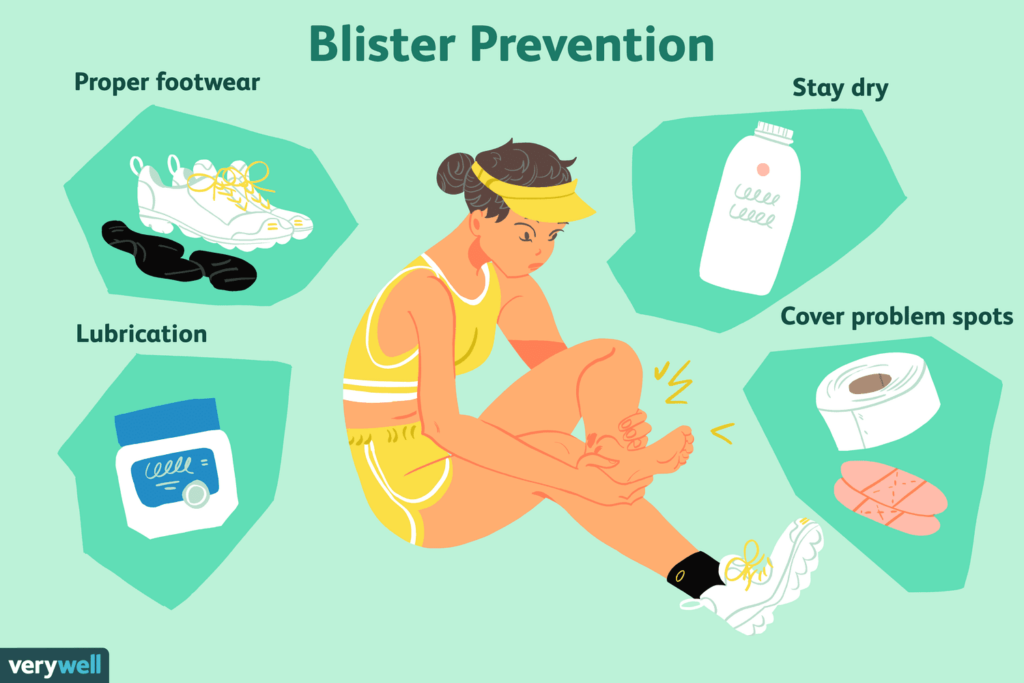
Wearing appropriate footwear
One of the best ways to prevent blisters is by wearing footwear that fits properly and provides adequate support. Ill-fitting shoes can lead to friction and discomfort, which can ultimately result in blisters. When choosing shoes, make sure they are the right size, have cushioning, and allow for proper airflow.
Using moisture-wicking socks
Moisture-wicking socks are designed to absorb and move moisture away from the skin, keeping your feet dry and reducing the risk of friction. These socks are especially useful during physical activities or in hot weather when sweat production is increased. By keeping your feet dry, you can minimize the chance of blisters forming.
Applying petroleum jelly or powders
Another effective preventive measure is to apply a thin layer of petroleum jelly or a specialized foot powder to areas prone to blisters. These products help reduce friction by creating a protective barrier between the skin and the surface. By reducing friction, you can prevent blisters from forming.
Using cushioning pads or orthotics
If you frequently experience blisters in specific areas, such as the heels or toes, using cushioning pads or orthotics can provide additional support and protection. These specialized inserts or pads can help alleviate pressure and reduce the risk of friction, thus preventing blisters from forming.
Treating Blisters
Despite taking preventive measures, you may occasionally still develop blisters. It is important to know how to properly treat them to promote healing and prevent infection. Here are some steps you can take to treat blisters:
Leave it alone if possible
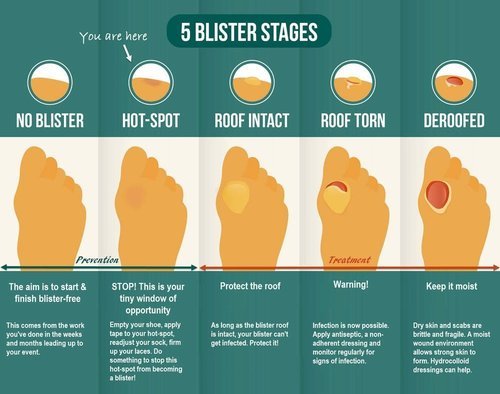
In many cases, blisters will heal on their own without any intervention. If the blister is small and not causing much discomfort, it is best to leave it intact. The fluid inside the blister acts as a natural barrier, protecting the underlying skin and promoting healing.
Keep the blister clean
If the blister pops on its own or you need to drain it, it is important to keep the area clean to prevent infection. Gently clean the blister and the surrounding skin with mild soap and water, then pat dry with a clean towel. Avoid scrubbing or applying harsh cleansing agents, as this can further irritate the skin.
Protect the blister with a bandage or dressing
After cleaning the blister, apply a sterile bandage or dressing to protect it from further friction and irritation. Be sure to choose a bandage that is the appropriate size and shape for the blister to ensure proper coverage. Change the bandage regularly, especially if it becomes wet or soiled.
Drain the blister if necessary
If your blister is large, painful, or causing significant discomfort, you may need to drain it. To drain a blister safely, follow these steps:
-
Wash your hands and the blister: Prior to draining the blister, wash your hands thoroughly with soap and water to minimize the risk of introducing bacteria. Then clean the blister itself as mentioned before.
-
Sterilize a needle or pin: Use rubbing alcohol or hydrogen peroxide to disinfect a needle or pin. Heat the tip of the needle or pin with a flame to sterilize it further.
-
Puncture the edge of the blister: Gently pierce the edge of the blister with the sterilized needle or pin. Make a small hole to allow the fluid to drain out slowly. Do not remove the skin covering the blister; it acts as a protective layer.
-
Gently squeeze out the fluid: Apply mild pressure around the blister to coax out the fluid. Avoid forcefully squeezing the blister, as this can cause additional damage to the surrounding tissue.
-
Apply an antibiotic ointment and cover the blister: After draining the blister, apply an antibiotic ointment to prevent infection. Cover the blister with a sterile bandage or dressing to protect it as it continues to heal.

How to Properly Drain a Blister
Knowing how to properly drain a blister can be useful in certain situations. While it is generally recommended to leave blisters intact, there are times when drainage is necessary for relief and quicker healing. Follow these steps to safely drain a blister:
-
Wash your hands and the blister: Prior to draining the blister, wash your hands thoroughly with soap and water to minimize the risk of introducing bacteria. Then carefully clean the blister and the surrounding area with mild soap and water.
-
Sterilize a needle or pin: Use rubbing alcohol or hydrogen peroxide to thoroughly disinfect a needle or pin. Heat the tip of the needle or pin with a flame to sterilize it further.
-
Puncture the edge of the blister: Gently and slowly puncture the edge of the blister with the sterilized needle or pin. Make a small hole, avoiding deep or aggressive puncturing. Remember that the purpose is to release the fluid inside, not to remove the skin covering the blister.
-
Gently squeeze out the fluid: Using light pressure, gently squeeze the blister to encourage the fluid to flow out. Do not forcefully squeeze the blister, as this can cause additional damage to the skin.
-
Apply an antibiotic ointment and cover the blister: After draining the blister, apply a thin layer of antibiotic ointment to prevent infection. Cover the blister with a sterile bandage or dressing to protect it from further friction and irritation.
Treating Infected Blisters
Sometimes, despite your best efforts, a blister can become infected. It is important to recognize the signs of infection and take appropriate action to prevent further complications. Here’s what you should do if you suspect your blister has become infected:
Recognizing signs of infection
Signs of an infected blister include increased redness, swelling, pain, warmth, and discharge of pus. The area around the blister may appear inflamed or feel tender to touch. If you notice any of these symptoms, it is crucial to seek medical attention promptly.
Seeking medical attention
If your blister shows signs of infection or if you have underlying medical conditions that may affect healing, it is best to seek medical attention. A healthcare professional can assess the condition of the blister, prescribe any necessary medications, and provide appropriate wound care instructions.
Taking prescribed oral or topical antibiotics
In cases where the blister is infected, your healthcare provider may prescribe oral or topical antibiotics to treat the infection. Follow the prescribed treatment plan diligently and complete the full course of antibiotics as directed, even if the symptoms improve before the medication is finished.

Home Remedies for Infected Blisters
While medical attention is recommended for infected blisters, there are some home remedies you can use to alleviate symptoms and promote healing. Here are a few remedies you can try:
Keep the area clean and dry
Regularly cleansing the infected blister with mild soap and water can help prevent the spread of infection. After cleaning, make sure to pat the area dry gently with a clean towel. Avoid using harsh cleansers or excessive scrubbing, as this can further irritate the skin.
Apply warm compresses
Warm compresses can help reduce pain and inflammation associated with infected blisters. Soak a clean cloth or towel in warm water, wring out the excess, and gently apply it to the affected area. Leave it in place for 10-15 minutes, repeating the process several times a day. Always ensure the compress is warm, not hot, to avoid burns.
Use antibacterial ointments
After cleaning the infected blister, apply an over-the-counter antibacterial ointment to the area. This can help prevent further infection and promote healing. Be sure to read and follow the instructions on the packaging for proper application and usage.
Elevate the affected area
To help reduce swelling and discomfort, elevate the affected area above heart level. You can use pillows or cushions to prop up the area, allowing fluid to drain naturally and reducing pressure on the blister. Elevating the area can also improve blood circulation, aiding in the healing process.
Preventing Infections in Blisters
Preventing infections in blisters is essential for optimal healing and minimizing complications. Here are a few measures you can take to reduce the risk of infection:
Clean the affected area
If you have a blister, it is important to keep the area clean to prevent infections. Regularly clean the blister and the surrounding skin with mild soap and water, patting dry with a clean towel afterwards. Avoid using harsh cleansers or scrubbing the area vigorously, as this can irritate the skin.
Avoid touching or popping blisters
It may be tempting to touch or pop a blister, especially if it is causing discomfort. However, this can introduce bacteria and increase the risk of infection. It is best to leave the blister intact if possible, allowing the body’s natural healing process to take place.
Keep blisters covered
Protecting blisters with a sterile bandage or dressing is crucial for preventing infections. Covering the blister helps create a barrier between the skin and potential contaminants. Choose a bandage that is the appropriate size and shape for the blister, and change it regularly to maintain cleanliness.
Change bandages regularly
To prevent infection and promote healing, it is important to change bandages regularly. Depending on the size and severity of the blister, you may need to change the bandage daily or more frequently as needed. Ensure the area is clean and dry before applying a new bandage.
When to Seek Medical Help
While most blisters can be managed at home with proper care, there are instances where medical attention is necessary. Here are a few situations in which you should seek medical help:
If the blister is very large or painful
If your blister is exceptionally large or causing severe pain, it is recommended to seek medical attention. A healthcare professional can assess the blister and provide appropriate treatment to alleviate pain and promote healing.
If the blister is accompanied by signs of infection
If you notice signs of infection, such as increased redness, swelling, warmth, or discharge of pus, it is essential to consult a healthcare professional. Infections in blisters can worsen if left untreated and may require specialized medical interventions.
If you have a medical condition that affects healing
Individuals with certain medical conditions, such as diabetes or impaired immune systems, may have a higher risk of complications from blisters. It is crucial to seek medical help to prevent further problems or infections.
Conclusion
Blisters can be a frustrating and uncomfortable condition, but with the right knowledge and care, they can be managed effectively. By understanding the causes of blisters, adopting preventive measures, and knowing how to properly treat and care for blisters, you can promote healing and reduce the risk of infections. If you have any concerns about a blister, always consult a healthcare professional for proper diagnosis and guidance. Remember, taking proactive steps to prevent blisters is the best way to keep your skin healthy and pain-free.