
If you’ve ever experienced the discomfort of acid reflux, you know how it can ruin your day. But what if there was a simple, accessible remedy that could provide relief? Look no further than your kitchen cupboard, where a humble ingredient – baking soda – may hold the key to soothing your acid reflux woes. In this article, we’ll explore the incredible benefits of using baking soda to alleviate the symptoms of acid reflux, and show you exactly how to incorporate it into your daily routine for maximum relief. Say goodbye to those uncomfortable moments and hello to a happier, more comfortable you.
Understanding Acid Reflux
What is acid reflux?
Acid reflux, also known as gastroesophageal reflux disease (GERD), is a common condition where the stomach acid flows back into the esophagus. This can cause a burning sensation in the chest, known as heartburn. The lower esophageal sphincter (LES), a ring of muscle that acts as a valve, is responsible for preventing the stomach acid from refluxing into the esophagus. When the LES becomes weak or relaxes inappropriately, acid reflux can occur.
Causes of acid reflux
There are several factors that can contribute to the development of acid reflux. Some of the common causes include:
- Hiatal hernia: This occurs when a part of the stomach pushes through the diaphragm into the chest cavity.
- Obesity: Excess weight can put pressure on the stomach, causing stomach acid to flow back into the esophagus.
- Pregnancy: Hormonal changes during pregnancy can relax the LES, leading to acid reflux.
- Smoking: Smoking can weaken the LES and increase the risk of acid reflux.
- Certain foods and beverages: Spicy foods, citrus fruits, fatty or fried foods, caffeine, alcohol, and carbonated beverages can trigger acid reflux.
- Lying down after eating: Reclining or lying down immediately after a meal can allow stomach acid to flow back into the esophagus.
Symptoms of acid reflux
The most common symptom of acid reflux is heartburn, characterized by a burning sensation in the chest or throat. Other symptoms may include:
- Regurgitation: A sour or bitter taste in the mouth, often accompanied by the sensation of fluid coming back up into the throat or mouth.
- Difficulty swallowing: The narrowing of the esophagus due to inflammation can make swallowing painful or difficult.
- Chest pain: Chest pain that may mimic a heart attack, especially in severe cases.
- Chronic cough: A persistent cough, often due to irritation caused by acid reflux.
- Hoarseness or sore throat: Acid reflux can cause inflammation of the vocal cords, resulting in a hoarse voice or a sore throat.
Risks and complications
If left untreated, acid reflux can lead to complications that can negatively impact your quality of life. Some of the potential risks and complications include:
- Esophagitis: Inflammation of the esophagus caused by chronic exposure to stomach acid. This can lead to ulcers, bleeding, and narrowing of the esophagus.
- Barrett’s esophagus: Long-term acid reflux can cause changes in the cells lining the esophagus, increasing the risk of esophageal cancer.
- Respiratory problems: Acid reflux can cause or aggravate asthma, chronic cough, and other respiratory conditions.
- Dental issues: The acidity of the stomach acid can erode tooth enamel and contribute to dental problems such as tooth decay and gum disease.
Introduction to Baking Soda
What is baking soda?
Baking soda, also known as sodium bicarbonate, is a white crystalline substance that is commonly used in baking and cooking. It has a slightly alkaline pH, which can help neutralize acids. In addition to its culinary uses, baking soda has been explored as a potential remedy for acid reflux.
How does baking soda work for acid reflux?
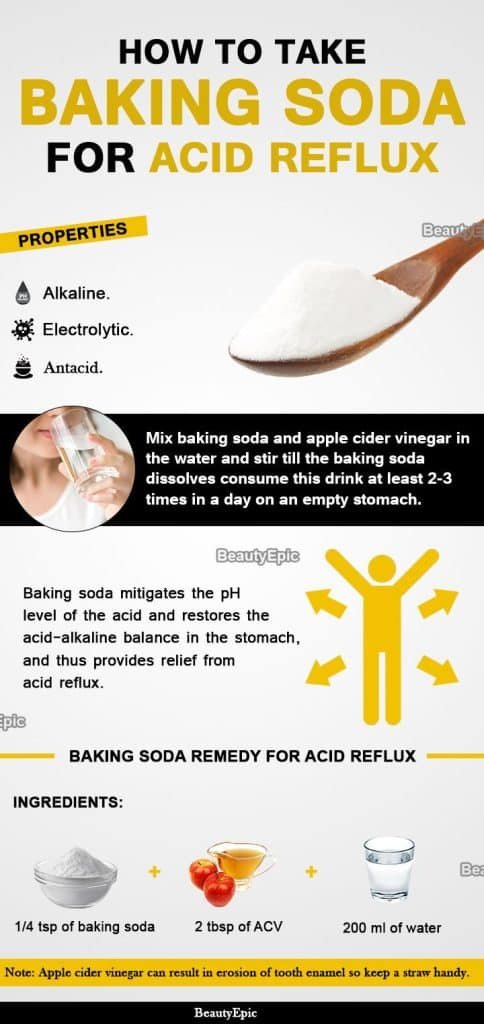
Baking soda works by neutralizing excess stomach acid. When it comes into contact with stomach acid, it reacts to form water, carbon dioxide, and salt. This chemical reaction can help reduce the acidity in the stomach and provide temporary relief from acid reflux symptoms.
Safety considerations
While baking soda can provide temporary relief from acid reflux, it is important to use it with caution and under the guidance of a healthcare professional. Using baking soda excessively or over a prolonged period can disrupt the natural pH balance in the stomach and may have potential side effects. It is essential to consider the safety precautions and recommended dosages before using baking soda for acid reflux.
Using Baking Soda for Acid Reflux
1. Choosing the right baking soda
When using baking soda for acid reflux relief, it is crucial to choose the right type. Look for baking soda that is free from additives and aluminum, as these substances may cause unwanted effects. It is recommended to opt for organic or food-grade baking soda, which is generally safer for consumption.
2. Baking soda and its effect on stomach acidity
As mentioned earlier, baking soda has an alkaline pH which can help neutralize stomach acid. This temporary reduction in stomach acidity can provide relief from acid reflux symptoms such as heartburn and regurgitation.
3. Baking soda and its role in neutralizing acid reflux
The chemical reaction that occurs between baking soda and stomach acid can effectively neutralize excess acidity. By neutralizing the acid, baking soda can help alleviate the discomfort associated with acid reflux and provide short-term relief.
4. Recommended dosage of baking soda
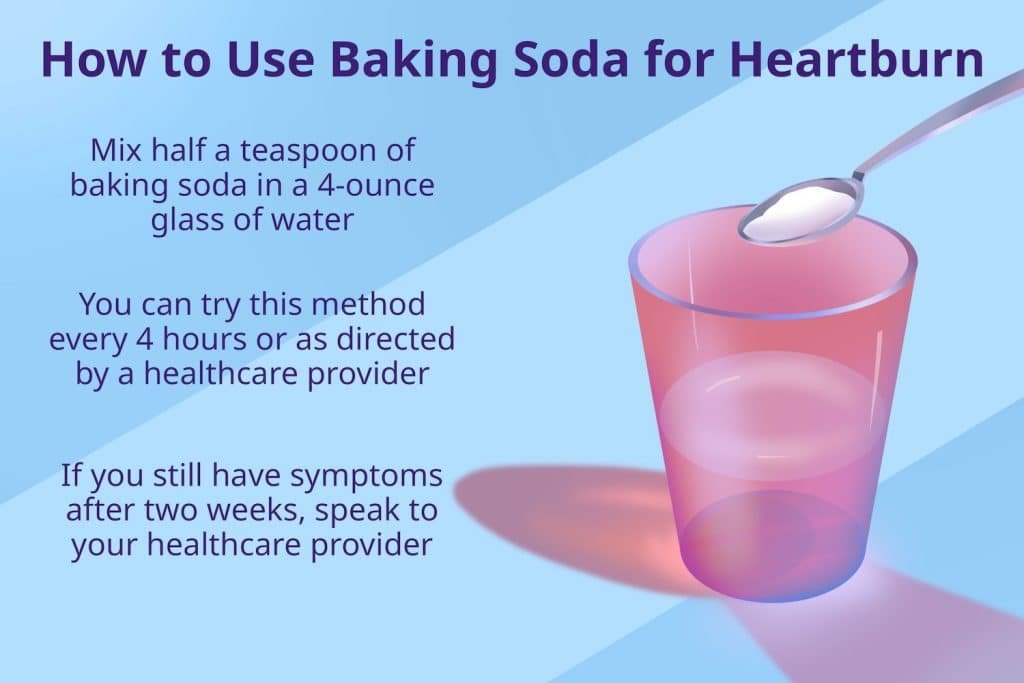
It is important to use baking soda in moderation and follow the recommended dosage guidelines. Typically, a teaspoon of baking soda mixed with a glass of water is advised. However, it is essential to consult with a healthcare professional before using baking soda for acid reflux, as the appropriate dosage may vary based on individual factors such as age, overall health, and severity of symptoms.
5. Tips for using baking soda safely
To ensure safe and effective use of baking soda for acid reflux relief, consider the following tips:
- Dissolve properly: Mix the baking soda thoroughly in a glass of water to ensure proper dissolution and minimize the risk of irritation.
- Time of consumption: It is recommended to take baking soda on an empty stomach or at least an hour after eating to avoid interactions with food.
- Avoid excessive use: Do not exceed the recommended dosage or use baking soda as a long-term treatment without proper medical guidance.
- Watch for adverse reactions: Pay attention to how your body responds to baking soda. If you experience any adverse reactions such as stomach pain, cramping, or increased heartburn, discontinue use and consult a healthcare professional.
Precautions and Limitations
1. Consulting a healthcare professional
Before using baking soda for acid reflux, it is crucial to consult with a healthcare professional. They can assess your specific condition, medical history, and provide personalized advice on whether baking soda is suitable for you.
2. Possible side effects of baking soda
While baking soda can offer temporary relief from acid reflux, it is not without potential side effects. Excessive use or misuse of baking soda can lead to electrolyte imbalances, metabolic alkalosis, and other complications. It is essential to understand the risks and use baking soda cautiously.
3. Limitations of baking soda for long-term treatment
Baking soda is not intended as a long-term treatment for acid reflux. It is a temporary solution that may alleviate symptoms temporarily. Chronic or severe acid reflux requires a comprehensive approach and personalized treatment plan designed by healthcare professionals.
4. Individual sensitivity and allergies
Individuals may have varying levels of sensitivity or allergies to baking soda. It is essential to be aware of any potential allergic reactions or sensitivities before using baking soda for acid reflux. If you experience any adverse effects, discontinue use and seek medical advice.

Alternative Remedies for Acid Reflux
1. Lifestyle modifications
Making certain lifestyle changes can help manage and prevent acid reflux. These may include:
- Avoiding trigger foods: Identify and avoid foods and beverages that trigger your acid reflux symptoms. These can vary from person to person but commonly include spicy foods, citrus fruits, chocolate, caffeine, alcohol, and fatty or fried foods.
- Maintaining a healthy weight: Excess weight can put pressure on the stomach, increasing the risk of acid reflux. Maintain a healthy weight through regular exercise and a balanced diet.
- Elevating the head of the bed: Raising the head of the bed by 6 to 8 inches can help prevent stomach acid from flowing back into the esophagus during sleep.
- Eating smaller, more frequent meals: Consuming smaller portions and avoiding large meals can prevent excessive pressure on the LES and reduce the likelihood of acid reflux.
- Managing stress: Stress and anxiety can worsen acid reflux symptoms. Engage in stress-reducing activities like exercise, meditation, or hobbies to help manage stress levels.
2. Dietary changes
Apart from avoiding trigger foods, incorporating certain dietary changes can help alleviate acid reflux symptoms. These may include:
- Fiber-rich foods: Consuming foods high in fiber, such as fruits, vegetables, whole grains, and legumes, can help regulate digestion and prevent acid reflux.
- Low-fat options: Opt for lean sources of protein and low-fat dairy products to reduce the risk of triggering acid reflux.
- Probiotics: Probiotics, found in foods like yogurt and fermented vegetables, can promote gut health and potentially reduce acid reflux symptoms.
3. Over-the-counter medications
Over-the-counter (OTC) medications, such as antacids and H2 blockers, can provide temporary relief from acid reflux symptoms. Antacids work by neutralizing stomach acid, while H2 blockers reduce acid production. These medications should only be used as directed and for short-term relief. If symptoms persist, it is important to seek medical advice.
4. Herbal remedies
Some herbal remedies may provide relief from acid reflux symptoms. These include:
- Peppermint: Peppermint has been traditionally used to soothe digestive issues, but it may relax the LES and worsen acid reflux in some individuals. It is important to monitor its effects on your symptoms and discontinue use if it aggravates acid reflux.
- Ginger: Ginger has been shown to have anti-inflammatory properties and may help reduce acid reflux symptoms. Consider incorporating ginger into your diet or consuming ginger tea.
- Chamomile: Chamomile tea is often used as a natural remedy for various digestive issues, including acid reflux. It can help soothe the digestive tract and promote digestion.
5. Medical procedures
In severe cases of acid reflux that do not respond to lifestyle changes or medication, medical procedures may be recommended. These may include:
- Endoscopy: A procedure that allows a doctor to examine the esophagus and stomach using a flexible tube with a camera. It can help diagnose and assess the severity of acid reflux.
- Surgery: In some cases, surgical interventions may be considered to strengthen the LES or repair the hiatal hernia, if present.
Tips for Acid Reflux Prevention
Taking proactive steps to prevent acid reflux can significantly reduce its occurrence and severity. Consider the following tips:
1. Maintaining a healthy weight
As mentioned earlier, excess weight can contribute to acid reflux. Maintaining a healthy weight through a balanced diet and regular exercise can help reduce the risk of acid reflux.
2. Elevating the head of the bed
By elevating the head of the bed, you can prevent stomach acid from flowing back into the esophagus during sleep. Use blocks or a foam wedge to raise the head of the bed by 6 to 8 inches.
3. Avoiding trigger foods and beverages
Identify and avoid foods and beverages that trigger your acid reflux symptoms. Keep a food diary to track your symptoms and identify any patterns or triggers.
4. Eating smaller, more frequent meals
Instead of consuming large meals, opt for smaller, more frequent meals. This can help prevent excessive pressure on the LES and reduce the likelihood of acid reflux.
5. Managing stress
Stress can exacerbate acid reflux symptoms. Engaging in stress-reducing activities such as exercise, meditation, or hobbies can help manage stress levels and minimize the impact on acid reflux.

When to Seek Medical Advice
While baking soda and alternative remedies can provide temporary relief, it is important to seek medical advice in certain situations. Consider consulting a healthcare professional if you experience the following:
1. Persistent or severe acid reflux symptoms
If your acid reflux symptoms persist despite lifestyle modifications and over-the-counter remedies, it is important to seek medical advice for a proper evaluation and personalized treatment plan.
2. Frequent reliance on baking soda
Regular or excessive use of baking soda for acid reflux may mask underlying issues or worsen the condition. If you find yourself relying on baking soda frequently, it is crucial to consult a healthcare professional for an accurate diagnosis and appropriate treatment.
3. Complications of acid reflux
If you experience complications such as difficulty swallowing, chronic cough, chest pain, or dental problems, it is essential to consult a healthcare professional for a thorough evaluation and appropriate management.
4. Developing new symptoms
If you develop new or worsening symptoms alongside acid reflux, such as unintentional weight loss, bloody stools, or severe abdominal pain, seek immediate medical attention as these may indicate more serious underlying conditions.
Conclusion
In conclusion, baking soda can offer temporary relief from acid reflux symptoms by neutralizing stomach acid. However, it is important to use baking soda cautiously and under the guidance of a healthcare professional. Lifestyle modifications, dietary changes, and other alternative remedies can also play a significant role in managing acid reflux. It is crucial to maintain a balanced approach, seek medical advice when necessary, and prioritize personalized healthcare advice for effective long-term management of acid reflux.
Additional Resources
For further information on acid reflux and home remedies, consider exploring the following resources:
-
Websites and organizations:
- International Foundation for Gastrointestinal Disorders (www.iffgd.org)
- American College of Gastroenterology (www.gi.org)
- National Institute of Diabetes and Digestive and Kidney Diseases (www.niddk.nih.gov)
-
Books and publications:
- “Dropping Acid: The Reflux Diet Cookbook & Cure” by Jamie Koufman, Jordan Stern, and Marc Michel Bauer
- “The Acid Watcher Diet: A 28-Day Reflux Prevention and Healing Program” by Jonathan Aviv, MD