
In this article, we will explore the crucial nursing considerations and management strategies that are essential during plastic surgery procedures. Whether you are a nurse working directly with patients undergoing these surgeries or simply curious about the role nurses play in this field, we will discuss the importance of pre-operative assessments, monitoring vital signs, medication management, and post-operative care. By understanding these key nursing considerations, we can ensure the safety and well-being of patients throughout their plastic surgery journey.
Preoperative Assessment
Patient’s medical history
Before undergoing plastic surgery, a thorough assessment of the patient’s medical history is essential. This includes gathering information about any preexisting medical conditions, previous surgeries, and family history of complications. It’s important to identify any potential risks or factors that may affect the surgery or the patient’s recovery. By understanding the patient’s medical history, nurses can tailor their care to meet the specific needs of each individual.
Allergies and sensitivities
Allergies and sensitivities are crucial considerations when planning for plastic surgery. Nurses must identify any known allergies or sensitivities that the patient may have, such as latex allergy or sensitivity to certain medications or anesthesia. This information ensures that the surgical team can take appropriate precautions and use alternative products or medications if necessary to prevent any adverse reactions.
Medication use
The patient’s medication use is an essential aspect of the preoperative assessment. Nurses must obtain a detailed list of all the medications the patient is currently taking, including prescription medications, over-the-counter drugs, and supplements. This information is vital as some medications can interact with anesthesia or other medications used during the surgery. Additionally, certain medications, such as blood-thinners, may need to be temporarily discontinued before the surgery to minimize the risk of bleeding.
Smoking history
A patient’s smoking history is an important consideration in plastic surgery. Smoking can have a significant impact on wound healing and increases the risk of complications during and after surgery. Nurses should inquire about the patient’s smoking habits, including the number of cigarettes smoked per day and the duration of smoking. It is essential to educate patients about the importance of quitting smoking at least several weeks before the scheduled surgery to optimize their outcomes and minimize the risk of complications.
Psychological readiness
The psychological readiness of a patient undergoing plastic surgery is vital for a successful outcome. Nurses play a crucial role in assessing the patient’s emotional well-being and ensuring they have realistic expectations about the procedure. It is essential to provide emotional support and address any concerns or fears the patient may have. Additionally, nurses should assess for signs of body dysmorphic disorder or any underlying psychological conditions that may require further evaluation or intervention.
Patient Education
Explanation of the procedure
One of the primary responsibilities of nurses is to educate patients about their upcoming plastic surgery procedure. This includes explaining the purpose of the surgery, the steps involved, and the expected outcomes. Clear and concise explanations help patients understand the rationale behind the surgery and alleviate any anxiety or fears they may have.
Potential risks and complications
While plastic surgery can yield transformative results, it is not without risks and potential complications. Nurses must thoroughly explain the potential risks involved in the procedure, such as bleeding, infection, scarring, or adverse reactions to anesthesia. By providing this information, patients can make informed decisions and have realistic expectations about the possible outcomes.
Expected outcomes
Discussing the expected outcomes of the plastic surgery procedure is crucial for patient education. Nurses should explain what can be realistically achieved through the surgery and any limitations or factors that may affect the final results. This discussion helps manage patient expectations and ensures they have a realistic understanding of the potential outcomes.
Postoperative care instructions
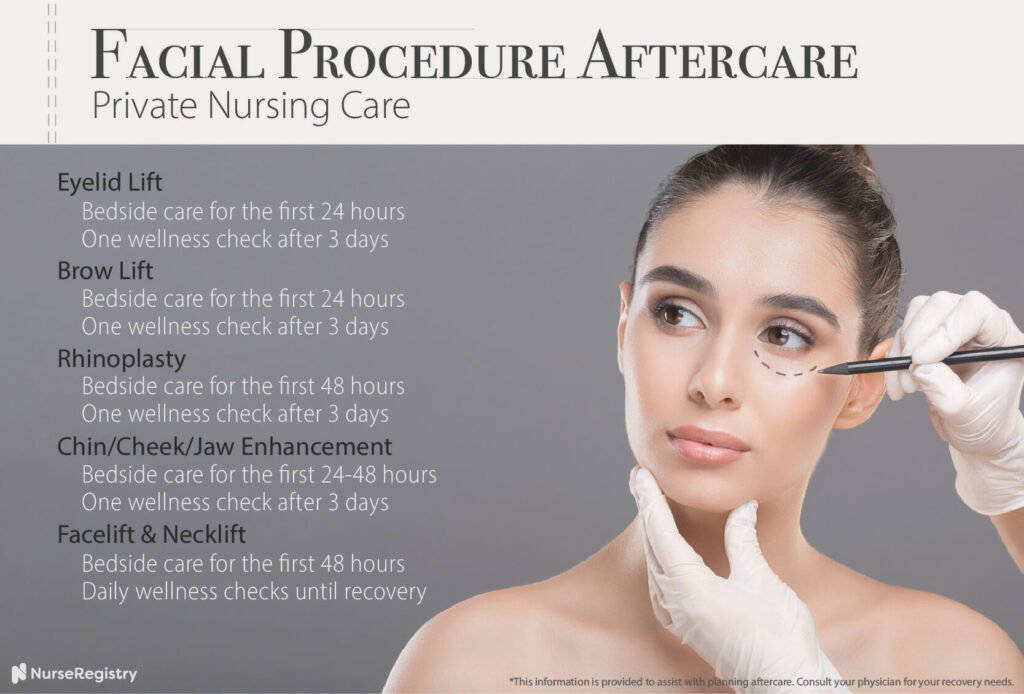
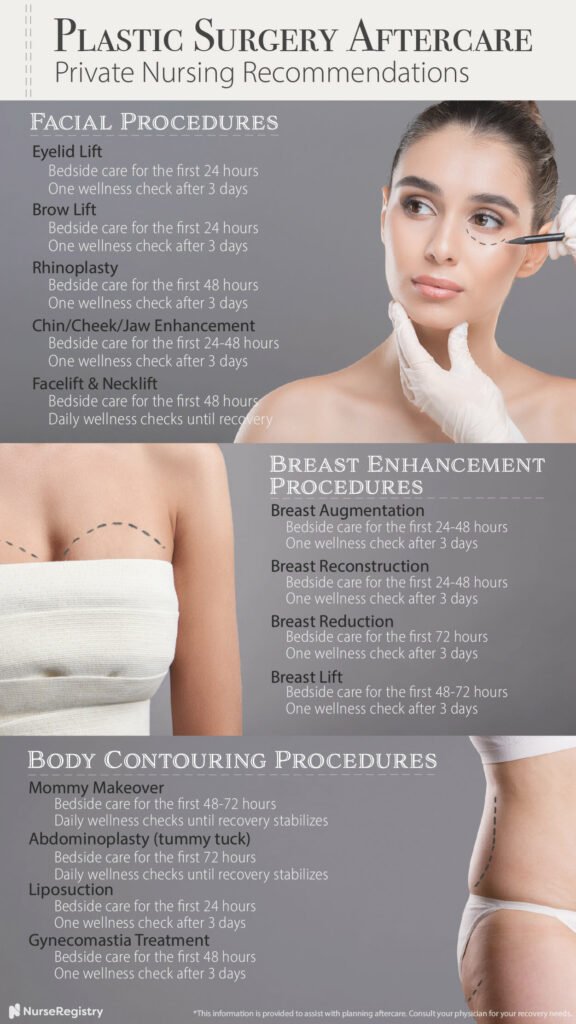
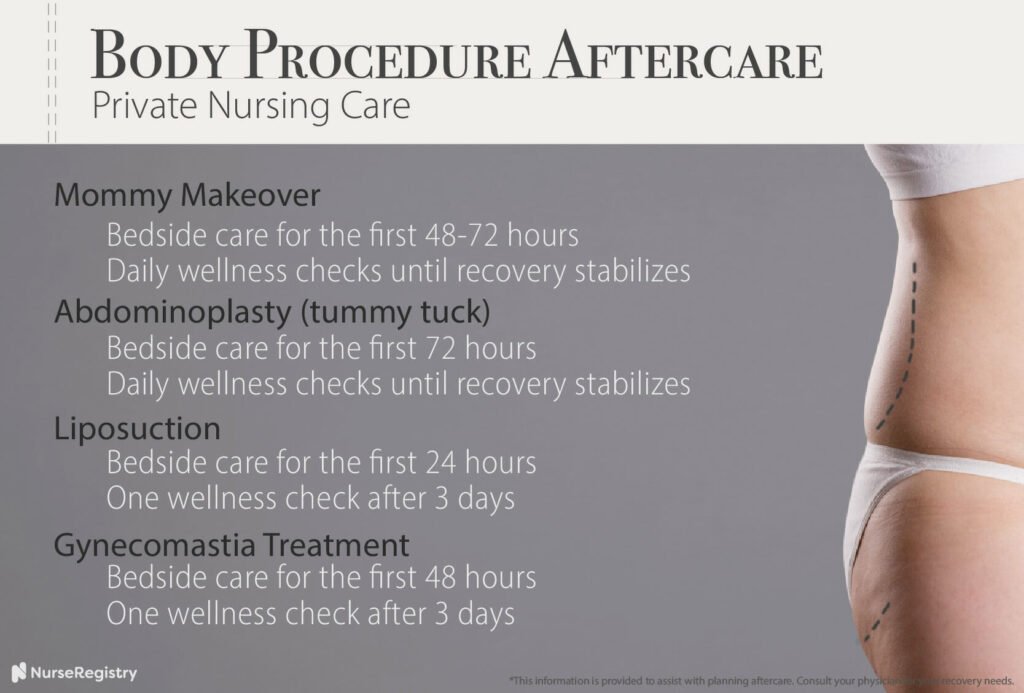
After the plastic surgery procedure, proper postoperative care is essential for optimal healing and recovery. Nurses must provide clear and comprehensive instructions on wound care, medication management, and any activity restrictions. Patients should also be educated on signs of complications to watch out for and when to seek medical attention. By providing thorough postoperative care instructions, nurses empower patients to actively participate in their recovery process.
Management of expectations
Managing patient expectations is crucial throughout the entire plastic surgery process. Nurses must be honest and transparent about what can be achieved through the procedure and discuss any potential limitations. By setting realistic expectations, nurses help patients have a positive surgical experience and ensure their satisfaction with the outcomes.
Informed Consent
Ensuring patient understanding
Obtaining informed consent is a critical step before any medical procedure, including plastic surgery. Nurses play a vital role in ensuring that the patient fully understands the risks, benefits, and alternatives associated with the surgery. They should provide clear and concise explanations, answer any questions, and address any concerns the patient may have. It is essential to verify that the patient has a thorough understanding of the procedure and its potential outcomes.
Discussion of potential risks
During the informed consent process, nurses must discuss the potential risks and complications associated with the plastic surgery procedure. This includes informing the patient about the possibility of infection, bleeding, scarring, or adverse reactions to anesthesia. By discussing these risks, nurses empower patients to make informed decisions about their treatment and actively participate in their care.
Answering patient questions
Patients may have various questions and concerns before giving their consent for plastic surgery. Nurses should be knowledgeable about the procedure and able to address any concerns or questions the patient may have. By providing accurate and thorough information, nurses help patients make informed decisions and alleviate any anxiety or uncertainties they may have.
Documentation of consent
Proper documentation of informed consent is essential to ensure legal and ethical compliance. Nurses must accurately document the patient’s consent, including the date, time, and a summary of the discussion. This documentation serves as a legal record and provides evidence that the patient was adequately informed and understood the risks and benefits of the procedure.
Preoperative Preparation
Preparation of the surgical site
Preparing the surgical site is a crucial nursing responsibility before plastic surgery. Nurses must ensure that the area to be operated on is clean and properly sterilized to minimize the risk of infection. This may involve performing a surgical scrub, applying antiseptic solution, or placing sterile drapes to maintain a sterile field.
Administration of preoperative medications
As part of the preoperative preparation, nurses may be responsible for administering preoperative medications to the patient. This may include medications to alleviate anxiety, prevent nausea or vomiting, or promote relaxation before the surgery. Nurses must ensure that the medications are administered safely and at the appropriate time to facilitate the smooth progression of the surgical procedure.
Obtaining baseline vital signs
Before the surgery, it is essential to obtain the patient’s baseline vital signs. This includes measuring their blood pressure, heart rate, respiratory rate, and temperature. By establishing baseline values, nurses can monitor the patient’s physiological stability throughout the surgical procedure and detect any deviations from the norm.
Preparation of necessary equipment
Nurses must collaborate with the surgical team to ensure that all necessary equipment and supplies are readily available. This includes ensuring that the surgical instruments are properly sterilized, setting up the sterile field, and verifying the availability of emergency equipment, such as defibrillators or airway management devices. Proper preparation of equipment helps ensure a safe and efficient surgical procedure.
Collaboration with anesthesia team
Collaboration with the anesthesia team is essential during the preoperative preparation phase. Nurses must communicate important patient information, such as allergies, sensitivities, and medications, to the anesthesia team. They must work together to ensure the patient’s safety and comfort during the surgical procedure.
Intraoperative Nursing Care
Assisting the surgical team
Nurses play a crucial role in assisting the surgical team during plastic surgery procedures. They collaborate closely with the surgeon and scrub nurse, providing additional support and assistance as needed. This may include passing instruments, maintaining a clear surgical field, and documenting the surgical procedure accurately. By working as a cohesive team, nurses contribute to the successful completion of the surgery.
Ensuring patient safety
Patient safety is of utmost importance during plastic surgery. Nurses must monitor the patient’s vital signs, oxygen saturation, and level of consciousness throughout the procedure. They must also ensure that the patient is in a proper position, with appropriate padding and support to prevent pressure injuries or nerve damage. By prioritizing patient safety, nurses contribute to positive surgical outcomes.
Monitoring vital signs and anesthesia
Continuous monitoring of vital signs and anesthesia is a crucial component of intraoperative nursing care. Nurses closely monitor the patient’s blood pressure, heart rate, oxygen saturation, and respiratory rate. They also assist the anesthesia team in assessing the patient’s level of consciousness, maintaining an appropriate depth of anesthesia, and managing any potential complications related to anesthesia.
Management of surgical specimens
During plastic surgery procedures, nurses are responsible for managing surgical specimens. This includes appropriately labeling, handling, and transporting specimens to the pathology department for analysis. Nurses must ensure that specimens are handled according to established protocols to maintain their integrity and minimize the risk of contamination.
Effective communication within the team
Effective communication within the surgical team is vital for a successful plastic surgery procedure. Nurses must communicate clearly and concisely with the surgeon, anesthesia team, and other members of the surgical team. This includes relaying important patient information, responding promptly to requests, and addressing any concerns or issues that may arise. By fostering open communication, nurses contribute to a cohesive and efficient team environment.
Postoperative Assessment
Monitoring for signs of complications
After plastic surgery, nurses must closely monitor patients for signs of complications. This includes assessing for signs of infection, excessive bleeding, hematoma formation, or adverse reactions to medications or anesthesia. By promptly identifying and addressing any complications, nurses ensure the patient’s safety and facilitate a smooth recovery process.
Assessment of surgical site
Assessing the surgical site is an essential component of postoperative nursing care. Nurses must carefully inspect the incision site for any signs of redness, swelling, or drainage. They also monitor for proper wound healing and assess the presence of any complications, such as wound dehiscence or infection. By performing thorough assessments of the surgical site, nurses can intervene appropriately and promote optimal wound healing.
Pain assessment and management
Pain assessment and management are crucial aspects of postoperative nursing care. Nurses must assess the patient’s pain level using standardized pain assessment scales and administer appropriate pain medications as prescribed. They must also educate patients on non-pharmacological pain management strategies and provide emotional support to alleviate any discomfort or anxiety related to pain.
Evaluation of peripheral perfusion
Evaluating peripheral perfusion is an important nursing consideration after plastic surgery. Nurses must assess the patient’s circulation by checking capillary refill, assessing skin temperature and color, and monitoring distal pulses. This assessment helps identify any impairment in blood flow and allows for early intervention to prevent complications, such as ischemia or tissue necrosis.
Respiratory and cardiovascular assessment
Postoperative respiratory and cardiovascular assessments are essential for identifying any potential complications. Nurses must monitor the patient’s respiratory rate, oxygen saturation, and lung sounds to ensure adequate oxygenation and ventilation. They must also assess the patient’s cardiovascular status by monitoring blood pressure, heart rate, and rhythm. By performing thorough assessments, nurses can detect any abnormalities and initiate appropriate interventions promptly.

Immediate Postoperative Care
Airway management
Immediately after plastic surgery, ensuring patient airway management is crucial. Nurses must monitor the patient’s respiratory status and airway patency, intervening promptly if any signs of airway obstruction or respiratory distress are observed. This may involve repositioning the patient, suctioning the airway if necessary, or providing supplemental oxygen to maintain adequate oxygenation.
Hemodynamic stabilization
Hemodynamic stabilization is another vital aspect of immediate postoperative care. Nurses must monitor the patient’s blood pressure, heart rate, and perfusion status. If any signs of hypotension or hemodynamic instability are present, nurses must intervene promptly by administering intravenous fluids or initiating other appropriate interventions to maintain adequate perfusion.
Management of pain and nausea
Managing postoperative pain and nausea is crucial for patient comfort and recovery. Nurses must assess the patient’s pain and nausea levels and administer appropriate medications or interventions as prescribed. They may use pharmacological and non-pharmacological approaches to alleviate discomfort and reduce the risk of complications such as postoperative nausea and vomiting.
Monitoring of vital signs
Continuous monitoring of vital signs is essential during the immediate postoperative period. Nurses must closely observe the patient’s blood pressure, heart rate, respiratory rate, and oxygen saturation. This monitoring helps identify any changes in the patient’s physiological status and allows for early intervention if necessary.
Drain management
In some plastic surgeries, drains may be inserted to remove excess fluid and promote wound healing. Nurses are responsible for monitoring and managing these drains. This includes assessing the drain output, maintaining proper functioning of the drains, and ensuring that the drainage system is properly secured and labeled. Nurses must also educate the patient on drain care and monitor for any signs of complications, such as infection or blockage.
Postoperative Nursing Interventions
Wound care and dressing changes
Proper wound care and dressing changes are vital for optimal wound healing after plastic surgery. Nurses must follow sterile technique when performing dressing changes and use appropriate wound care products as prescribed. Regular assessment of the wound and documentation of its progress are essential for monitoring healing and identifying any signs of infection or complications.
Promoting mobility and preventing complications
Promoting mobility and preventing complications are important nursing interventions during the postoperative period. Nurses should encourage patients to engage in early ambulation, range of motion exercises, and deep breathing exercises to prevent complications such as deep vein thrombosis and pneumonia. Education on proper body mechanics and mobilization techniques is also essential to ensure patient safety.
Promoting psychological well-being
Plastic surgery procedures can have a significant impact on a patient’s psychological well-being. Nurses must provide emotional support and reassurance to patients during the postoperative period. They should address any concerns or anxieties the patient may have and encourage a positive body image. Encouraging self-care practices and providing resources for additional support are also important in promoting psychological well-being.
Assisting with activities of daily living
During the postoperative period, patients may require assistance with activities of daily living (ADLs) due to temporary physical limitations or pain. Nurses should provide support and assistance with essential ADLs, such as bathing, toileting, and dressing. This assistance helps promote patient comfort, maintain hygiene, and prevent any complications related to impaired self-care abilities.
Education on medication and self-care
Educating patients on postoperative medication use and self-care practices is crucial for a successful recovery. Nurses should provide clear instructions on medication administration, timing, and potential side effects. They should also educate patients on proper wound care, activity restrictions, and any necessary lifestyle modifications. By providing comprehensive education, nurses empower patients to actively participate in their recovery process and optimize their outcomes.

Patient Discharge Planning
Evaluation of readiness for discharge
Before discharging a patient after plastic surgery, nurses must evaluate their readiness for safe and appropriate discharge. This includes assessing the patient’s physiological stability, pain level, ability to perform ADLs, and understanding of postoperative care instructions. It is essential to ensure that the patient is mentally and physically prepared to continue their recovery at home.
Arranging necessary follow-up appointments
Nurses must coordinate the necessary follow-up appointments for patients after plastic surgery. This may involve scheduling appointments with the surgeon, wound care specialists, or other healthcare providers involved in the patient’s care. Ensuring that follow-up appointments are made allows for close monitoring of the patient’s healing progress and early intervention if any complications arise.
Providing instructions for postoperative care
Clear instructions for postoperative care are essential before the patient’s discharge. Nurses must provide written and verbal instructions on wound care, medication management, and any activity or dietary restrictions. It is crucial to ensure that the patient understands these instructions and has the necessary resources and support at home to comply with them.
Addressing any concerns or questions
Before discharging a patient, nurses must address any concerns or questions the patient may have. They should provide a safe and supportive environment for the patient to express their worries or uncertainties. By addressing these concerns, nurses alleviate anxiety and promote the patient’s confidence in managing their recovery after plastic surgery.
Ensuring patient comfort during transportation
Transportation after plastic surgery can be uncomfortable for patients. Nurses must ensure that patients are adequately supported during their transportation home or to their designated care facility. This may include providing pillows or cushions for comfort, assisting the patient in positioning, or arranging for appropriate transportation services if needed.
Collaborative Care
Collaboration with plastic surgeon
Collaboration with the plastic surgeon is essential during the entire plastic surgery process. Nurses communicate important patient information, such as medical history, allergies, and surgical site preparation instructions, to the surgeon. They also collaborate during the intraoperative phase, assisting and providing support as needed. Postoperatively, nurses provide feedback and updates to the plastic surgeon regarding the patient’s progress and any complications that may have arisen.
Collaboration with other healthcare providers
Plastic surgery procedures often involve collaboration with other healthcare providers, depending on the patient’s specific needs. Nurses should communicate and collaborate with wound care specialists, physical therapists, nutritionists, or any other healthcare professionals involved in the patient’s care. This collaboration ensures that the patient receives comprehensive and multidisciplinary care throughout the recovery process.
Communication regarding patient progress
Clear and timely communication regarding the patient’s progress is crucial for collaborative care. Nurses must provide updates to all relevant healthcare providers, including the plastic surgeon and other specialists involved. This includes sharing information about wound healing, pain management, and any complications or adjustments to the postoperative care plan. Effective communication promotes continuity of care and ensures that all healthcare providers are informed and involved in the patient’s recovery.
Multidisciplinary approach to care
Plastic surgery often requires a multidisciplinary approach to care. Nurses collaborate with other healthcare professionals, such as anesthesiologists, surgical assistants, and operating room staff, to ensure comprehensive and coordinated care. This multidisciplinary approach ensures that the patient’s physical, psychological, and emotional needs are addressed throughout the plastic surgery process.
Supporting patient’s overall well-being
Supporting the patient’s overall well-being is a fundamental aspect of nursing care during plastic surgery. Nurses should provide emotional support, address psychological and social concerns, and promote a positive and healing environment. By fostering a holistic approach to care, nurses contribute to the patient’s overall well-being and enhance their recovery experience.
In conclusion, plastic surgery requires comprehensive nursing considerations and management to ensure optimal patient outcomes. From assessing the patient’s medical history and psychological readiness to providing postoperative care instructions and collaborating with other healthcare providers, nurses play a crucial role in the entire plastic surgery process. Through proper preoperative assessment, patient education, and postoperative nursing interventions, nurses facilitate a safe and supportive environment for patients undergoing plastic surgery, promoting their overall well-being and satisfaction with the surgical outcomes.