
Dementia is a term that encompasses a range of cognitive impairments, primarily affecting memory, thinking, and social abilities. As you delve into the complexities of dementia, it becomes clear that this condition is not a single disease but rather a collection of symptoms that can arise from various underlying causes. Alzheimer’s disease is the most common form of dementia, but there are others, such as vascular dementia and Lewy body dementia.
Each type presents its own unique challenges, yet they all share the common thread of memory loss and cognitive decline. Understanding these nuances is crucial for anyone looking to support a loved one or friend grappling with this condition. Memory loss in dementia patients can manifest in various ways.
You may notice that individuals struggle to recall recent events or find it difficult to remember names and faces. They might also repeat questions or stories, as their short-term memory becomes increasingly compromised. This gradual decline can be distressing not only for the person experiencing it but also for their family and friends.
Recognizing the signs of memory loss is the first step in providing effective support and care. By understanding the nature of dementia and its impact on memory, you can better equip yourself to help those affected navigate their daily lives.
Key Takeaways
- Dementia is a syndrome characterized by a decline in memory, thinking, behavior, and the ability to perform everyday activities.
- Memory improvement is crucial for dementia patients as it can enhance their quality of life and slow down the progression of the disease.
- Strategies for enhancing memory in dementia patients include using memory aids, maintaining a routine, and breaking tasks into smaller steps.
- Creating a supportive environment for memory improvement involves reducing distractions, providing clear instructions, and offering emotional support.
- Memory-boosting activities and exercises such as puzzles, reminiscence therapy, and physical exercise can help improve cognitive function in dementia patients.
Importance of Memory Improvement for Dementia Patients
Improving memory in dementia patients is not merely about enhancing cognitive function; it plays a vital role in preserving their quality of life. As you consider the implications of memory loss, it becomes evident that maintaining cognitive abilities can significantly impact an individual’s independence and emotional well-being. When memory is compromised, individuals may struggle with daily tasks, leading to frustration and a sense of helplessness.
By focusing on memory improvement, you can help restore a sense of agency and dignity to those living with dementia. Moreover, enhancing memory can foster deeper connections between dementia patients and their loved ones. When individuals can recall shared experiences or recognize familiar faces, it strengthens relationships and provides comfort in an otherwise challenging situation.
You may find that engaging in memory improvement activities not only benefits the patient but also enriches the lives of caregivers and family members. The emotional rewards of shared memories can create a supportive environment where everyone feels valued and understood.
Strategies for Enhancing Memory in Dementia Patients
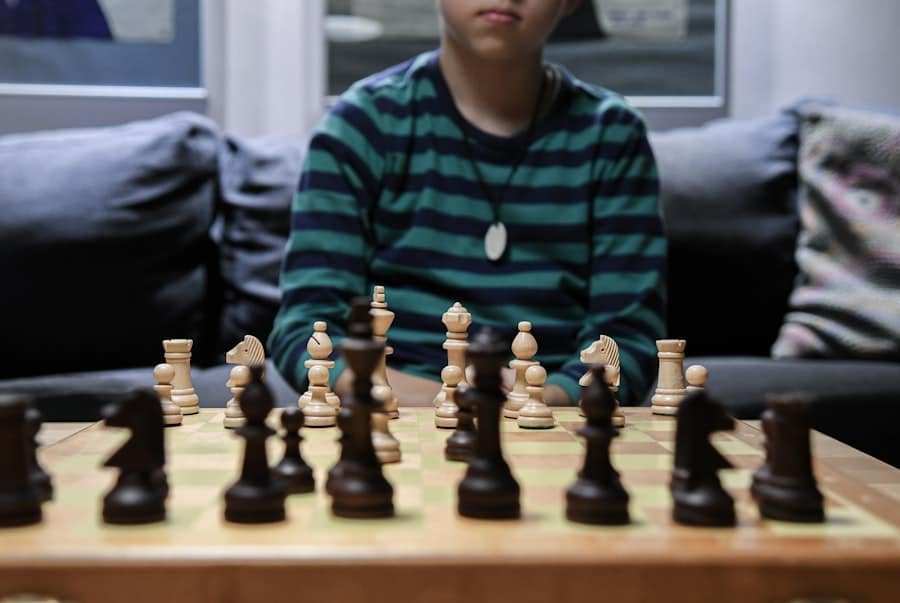
There are numerous strategies you can employ to enhance memory in dementia patients, each tailored to individual needs and preferences. One effective approach is to establish a consistent routine. Predictability can provide a sense of security for those with dementia, making it easier for them to remember daily activities.
By incorporating familiar tasks into their daily schedule, you can help reinforce memory through repetition and familiarity. This structured environment allows individuals to feel more in control, reducing anxiety associated with forgetfulness. Another strategy involves using visual aids and cues to stimulate memory recall.
You might consider creating a memory board filled with photographs of family members, friends, and significant life events. This visual representation serves as a powerful reminder of cherished moments and relationships. Additionally, labeling items around the home can provide helpful prompts for daily tasks.
For instance, placing labels on kitchen cabinets or bathroom doors can assist individuals in navigating their environment more confidently. By utilizing these strategies, you can create a supportive framework that encourages memory enhancement.
Creating a Supportive Environment for Memory Improvement
Creating an environment conducive to memory improvement is essential for dementia patients. You may want to focus on minimizing distractions and simplifying surroundings to help individuals concentrate better. A clutter-free space can reduce confusion and anxiety, allowing them to engage more fully with their surroundings.
Consider organizing common areas in a way that promotes familiarity and ease of access to frequently used items. In addition to physical space, emotional support plays a crucial role in fostering a positive environment for memory improvement. You should strive to cultivate patience and understanding when interacting with dementia patients.
A calm demeanor can help alleviate stress and encourage open communication. Engaging in gentle conversations about past experiences or shared interests can stimulate cognitive function while reinforcing emotional bonds. By prioritizing both physical and emotional aspects of the environment, you can create a nurturing atmosphere that supports memory enhancement.
Incorporating Memory-Boosting Activities and Exercises
Incorporating memory-boosting activities into the daily routine of dementia patients can yield significant benefits. Engaging in puzzles, word games, or memory exercises can stimulate cognitive function while providing an enjoyable experience. You might consider introducing simple games like crossword puzzles or Sudoku that challenge the mind without overwhelming it.
These activities not only promote mental agility but also offer opportunities for social interaction when done in groups or with family members. Physical activity is another essential component of memory enhancement. Research has shown that regular exercise can improve cognitive function and overall brain health.
You could encourage dementia patients to participate in gentle exercises such as walking, stretching, or even dancing to their favorite music. These activities not only promote physical well-being but also create joyful moments that can be cherished long after the activity has ended. By integrating both mental and physical exercises into their routine, you can foster an environment rich in opportunities for memory improvement.
Utilizing Memory Aids and Techniques
Memory aids and techniques are invaluable tools for supporting dementia patients in their daily lives. One effective method is the use of calendars and planners to help individuals keep track of important dates and appointments. You might consider creating a large wall calendar that highlights significant events, such as family gatherings or medical appointments, making it easy for them to reference at a glance.
Another technique involves the use of mnemonic devices to aid recall. You could encourage patients to associate new information with familiar concepts or create acronyms that simplify complex ideas. For example, if they are trying to remember a list of items, you might suggest creating a story that incorporates each item into a narrative format.
This creative approach not only makes remembering more enjoyable but also reinforces connections between different pieces of information. By utilizing these memory aids and techniques, you empower dementia patients to take an active role in their cognitive health.
Encouraging Social Interaction and Cognitive Stimulation
Social interaction is a critical component of cognitive stimulation for dementia patients. Engaging with others can help maintain cognitive function while providing emotional support and companionship. You might consider organizing regular social gatherings with family members or friends, creating opportunities for meaningful conversations and shared experiences.
These interactions not only stimulate memory recall but also foster a sense of belonging and connection. In addition to family gatherings, participating in community activities can provide valuable social engagement for dementia patients. Local support groups or recreational programs designed for individuals with cognitive impairments offer opportunities for interaction while promoting cognitive health.
You could explore options such as art classes, music therapy sessions, or group outings that encourage participation and collaboration among peers. By prioritizing social interaction and cognitive stimulation, you contribute significantly to the overall well-being of those living with dementia.
Seeking Professional Help for Memory Improvement
While there are many strategies you can implement at home to enhance memory in dementia patients, seeking professional help is often essential for comprehensive care. Healthcare professionals specializing in geriatric care or neuropsychology can provide valuable insights into tailored interventions that address specific needs. You may want to consider consulting with a neurologist or geriatrician who can assess cognitive function and recommend appropriate therapies or medications.
Additionally, occupational therapists can play a crucial role in developing personalized strategies for daily living that promote independence while addressing memory challenges. They can work closely with both patients and caregivers to create customized plans that incorporate memory-enhancing techniques into everyday routines. By seeking professional help, you ensure that dementia patients receive the most effective support possible, ultimately improving their quality of life and fostering a sense of hope amidst the challenges they face.
In conclusion, understanding dementia and its impact on memory loss is essential for providing effective support to those affected by this condition. By prioritizing memory improvement through various strategies—such as creating supportive environments, incorporating engaging activities, utilizing memory aids, encouraging social interaction, and seeking professional assistance—you can make a meaningful difference in the lives of dementia patients. Your efforts not only enhance cognitive function but also contribute to preserving dignity and fostering connections that enrich the human experience amidst the challenges posed by dementia.
FAQs
What is dementia?
Dementia is a general term for a decline in mental ability severe enough to interfere with daily life. It is not a specific disease, but rather a group of symptoms caused by disorders that affect the brain.
What are the common symptoms of dementia?
Common symptoms of dementia include memory loss, difficulty communicating, difficulty with complex tasks, disorientation, and changes in mood and behavior.
How can memory be improved for dementia patients?
Memory can be improved for dementia patients through various techniques such as cognitive stimulation therapy, reminiscence therapy, and memory aids. Additionally, maintaining a healthy lifestyle, engaging in regular physical and mental exercise, and socializing can also help improve memory.
What are some memory aids for dementia patients?
Memory aids for dementia patients include using calendars, to-do lists, labeled photographs, and electronic reminders. These aids can help patients remember important tasks and events.
What is cognitive stimulation therapy?
Cognitive stimulation therapy is a non-pharmacological intervention for people with mild to moderate dementia. It involves a series of themed activities and exercises designed to stimulate thinking, concentration, and memory.
What is reminiscence therapy?
Reminiscence therapy involves discussing past activities, events, and experiences with the help of prompts such as photographs, music, and familiar objects. This therapy can help improve mood, cognition, and communication in dementia patients.