
You’re here because you’re looking for answers about insulin resistance – and that’s a smart place to start. Before we dive into treatment, it’s crucial to grasp what insulin resistance actually is, why it’s affecting you (and so many others), and the real implications of ignoring it. Think of it as getting a solid understanding of the problem before you start looking for the solutions.
What Exactly is Insulin Resistance?
Imagine your body is a bustling city, and insulin is the key that unlocks the doors of your cells, allowing sugar (glucose) – the city’s energy source – to enter and be used. In a healthy scenario, insulin does its job efficiently. However, with insulin resistance, those cell doors become “sticky.” Insulin still shows up, knocking persistently, but the cells aren’t responding as readily. They become less sensitive to insulin’s signal.
To compensate for this sluggishness, your pancreas, the body’s insulin factory, works overtime. It churns out more and more insulin to try and force the glucose into the cells. This means you’ll see higher levels of both insulin and glucose in your bloodstream. While your body is heroically trying to manage, this constant overproduction and elevated blood sugar are where the long-term problems begin.
The Vicious Cycle: How Resistance Develops and Persists
So, how do you get to this state of resistance? It’s rarely a single culprit, but rather a complex interplay of factors. Genetics can play a role, meaning some individuals are predisposed. However, lifestyle choices are often the major drivers.
Key Contributing Factors to Insulin Resistance
- Excess Body Weight, Especially Abdominal Fat: Carrying extra pounds, particularly fat around your middle, is a significant contributor. This visceral fat is metabolically active and releases substances that can interfere with insulin signaling. The more fat cells you have, the more they can contribute to inflammation and resistance.
- Sedentary Lifestyle: Our bodies are designed to move. When you’re not physically active, your muscles don’t efficiently use the glucose in your bloodstream. This can lead to elevated blood sugar and, over time, contribute to insulin resistance. Think of it as not using the available parking spaces in your city, causing traffic jams.
- Unhealthy Diet: A diet high in processed foods, refined carbohydrates (like white bread, sugary cereals, and pastries), and unhealthy fats can overwhelm your system. These foods cause rapid spikes in blood sugar, forcing your pancreas to pump out large amounts of insulin. Over time, this constant hormonal surge can desensitize your cells.
- Lack of Sleep: Believe it or not, insufficient or poor-quality sleep can disrupt your hormones, including those that regulate appetite and glucose metabolism. Studies have shown that sleep deprivation can negatively impact insulin sensitivity.
- Chronic Stress: When you’re stressed, your body releases cortisol, a hormone that can raise blood sugar levels. Chronically high cortisol levels can contribute to insulin resistance.
- Certain Medications: Some medications, such as corticosteroids and certain antipsychotics, can have side effects that include insulin resistance.
- Age: As you get older, your body’s ability to manage blood sugar can naturally decrease, making you more susceptible to insulin resistance.
Why You Can’t Just “Live With It”: The Long-Term Consequences
Ignoring insulin resistance is like ignoring a leaky faucet in your house – it might seem minor at first, but it can lead to significant damage over time. The elevated blood sugar and insulin levels aren’t just temporary inconveniences; they are precursors to serious health issues.
The Domino Effect of Unmanaged Insulin Resistance:
- Type 2 Diabetes: This is the most well-known consequence. When your pancreas can no longer produce enough insulin to overcome the resistance, your blood sugar levels will consistently remain too high, leading to a diagnosis of Type 2 diabetes.
- Heart Disease: Insulin resistance is a major risk factor for cardiovascular problems. It’s linked to high blood pressure, unhealthy cholesterol levels (high LDL, low HDL), and inflammation, all of which put a strain on your heart and blood vessels.
- Non-Alcoholic Fatty Liver Disease (NAFLD): When your body can’t effectively use glucose, it can convert excess sugar into fat, which can accumulate in your liver, leading to NAFLD. This can progress to more serious liver conditions.
- Polycystic Ovary Syndrome (PCOS): Insulin resistance is a common underlying factor in PCOS, a hormonal disorder affecting women that can lead to irregular periods, fertility issues, and other health problems.
- Certain Cancers: Research suggests a link between insulin resistance and an increased risk of certain types of cancer, including endometrial, breast, and colon cancer.
- Neurological Issues: High blood sugar and inflammation associated with insulin resistance can also impact brain health, potentially contributing to cognitive decline and increasing the risk of Alzheimer’s disease.
Understanding these risks isn’t about scaring you; it’s about empowering you. Knowing what’s at stake provides the motivation to implement the changes necessary for a healthier future. The good news is that insulin resistance is often reversible or manageable, and you have the power to make a significant difference.
2. The Cornerstone of Treatment: Lifestyle Modifications
When it comes to tackling insulin resistance, remember this: you are the most powerful tool in your own treatment plan. While medical interventions can play a role, the true, sustainable changes happen when you embrace and commit to specific lifestyle modifications. These aren’t temporary fixes; they are fundamental shifts that address the root causes of your body’s resistance. Think of this section as your comprehensive guide to rebuilding your body’s sensitivity, starting from the inside out.
Diet: Fueling Your Body for Sensitivity
Your diet is your primary weapon in the fight against insulin resistance. What you eat directly impacts your blood sugar and insulin levels, making mindful food choices absolutely critical. It’s not about deprivation; it’s about smart nutrition that supports your body’s natural processes.
Embracing the Principles of a Balanced, Insulin-Friendly Diet
- Prioritize Whole, Unprocessed Foods: This is your golden rule. Focus on foods that are as close to their natural state as possible. This includes:
- Non-starchy vegetables: Leafy greens (spinach, kale), broccoli, cauliflower, bell peppers, zucchini, asparagus, tomatoes, cucumbers. These are packed with fiber, vitamins, and minerals, and have a minimal impact on blood sugar.
- Lean proteins: Chicken breast, turkey, fish, eggs, tofu, legumes (beans, lentils). Protein helps you feel full and doesn’t cause the same blood sugar spikes as carbohydrates.
- Healthy fats: Avocados, nuts, seeds (chia seeds, flax seeds, almonds, walnuts), olive oil. These fats are essential for hormone production and can help improve insulin sensitivity.
- Whole grains (in moderation): Oats, quinoa, barley, brown rice. These contain fiber that slows down glucose absorption, leading to a more gradual rise in blood sugar.
- Control Carbohydrate Intake Strategically: This doesn’t mean eliminating carbs entirely, but being smart about the type and amount.
- Choose complex carbohydrates over refined ones: Opt for whole-wheat bread, whole-wheat pasta, and brown rice instead of white bread, white pasta, and white rice. The fiber content makes a huge difference.
- Limit sugary drinks and added sugars: Sodas, fruit juices (even 100% juice can be concentrated in sugar), candy, pastries, and desserts are major culprits that cause rapid blood sugar spikes and contribute to insulin resistance. Being mindful of hidden sugars in processed foods is also key.
- Portion control is vital: Even healthy carbohydrates can raise blood sugar if consumed in excess. Be aware of serving sizes.
- Increase Fiber Intake: Fiber is your best friend when it comes to managing blood sugar. It slows down the digestion and absorption of carbohydrates, preventing sharp spikes in blood glucose. Aim for at least 25-30 grams of fiber per day from sources like vegetables, fruits, legumes, and whole grains.
- Hydration is Key: Drinking plenty of water throughout the day is essential for overall health and can help with appetite control and metabolism. Sometimes thirst can be mistaken for hunger.
Practical Dietary Strategies You Can Implement
- Meal Prepping: Dedicate some time each week to prepare healthy meals and snacks. This makes it easier to stick to your dietary goals when you’re busy.
- Read Food Labels: Become a detective! Look for sugar content, fiber, and overall carbohydrate counts.
- Mindful Eating: Pay attention to your hunger and fullness cues. Eat slowly and savor your food.
- Don’t Skip Meals: Skipping meals can lead to overeating later and more drastic blood sugar fluctuations. Aim for regular, balanced meals and snacks.
- Consult a Registered Dietitian: For personalized guidance, working with a dietitian can be invaluable. They can help you create a meal plan that fits your individual needs and preferences.
Exercise: Moving Towards Insulin Sensitivity
If diet is the cornerstone, then exercise is the powerhouse that drives your body toward better insulin sensitivity. Physical activity is incredibly effective at improving how your cells respond to insulin, and the benefits extend far beyond just blood sugar control.
The Dual Power of Aerobic and Strength Training
- Aerobic Exercise (Cardio): Activities that get your heart rate up are fantastic for improving cardiovascular health and burning calories.
- Examples: Brisk walking, jogging, cycling, swimming, dancing, hiking.
- Frequency & Duration: Aim for at least 150 minutes of moderate-intensity aerobic activity or 75 minutes of vigorous-intensity aerobic activity per week. Even short bursts of activity can be beneficial.
- How it Helps: Cardio exercises use glucose for energy, directly lowering blood sugar levels. Over time, regular cardio improves your body’s ability to use glucose efficiently, enhancing insulin sensitivity.
- Strength Training (Resistance Training): Building muscle mass is one of the most effective ways to combat insulin resistance.
- Examples: Lifting weights, using resistance bands, bodyweight exercises (squats, push-ups, lunges).
- Frequency & Duration: Aim for at least two days per week, targeting major muscle groups.
- How it Helps: Muscle tissue is metabolically active and acts as a sponge for glucose. The more muscle you have, the more glucose your body can store and use, independent of insulin. Strength training also improves your body composition, reducing body fat, especially abdominal fat.
Making Movement a Habit
- Find Activities You Enjoy: You’re more likely to stick with something you find fun. Explore different options and don’t be afraid to try new things.
- Incorporate Movement into Your Daily Routine: Take the stairs instead of the elevator, park further away from your destination, go for a walk during your lunch break, stand up and stretch every 30 minutes if you have a desk job.
- Start Gradually: If you’re new to exercise, begin slowly and gradually increase the intensity and duration. Avoid overdoing it, which can lead to injury and discouragement.
- Listen to Your Body: Pay attention to how your body feels and rest when you need to.
- Consider a Fitness Buddy or Group: Exercising with others can provide motivation and accountability.
- Consult Your Doctor: Before starting any new exercise program, especially if you have underlying health conditions, it’s essential to talk to your doctor.
Sleep: The Often-Overlooked Pillar of Health
You’ve heard it a million times: “get enough sleep.” But for those struggling with insulin resistance, the importance of quality sleep cannot be overstated. Disrupted sleep patterns can wreak havoc on your hormones, including those that govern appetite and blood sugar.
The Sleep-Insulin Resistance Connection
- Hormonal Regulation: Sleep deprivation disrupts the balance of hormones like ghrelin (which stimulates appetite) and leptin (which signals fullness). This can lead to increased cravings for unhealthy foods, especially those high in sugar and carbohydrates.
- Cortisol Levels: Insufficient sleep can lead to elevated levels of cortisol, the stress hormone. High cortisol can increase blood glucose levels and promote insulin resistance.
- Inflammation: Chronic sleep deprivation is linked to increased inflammation throughout the body, a key factor in the development and progression of insulin resistance.
- Glucose Metabolism: Studies have shown that even a single night of poor sleep can negatively impact your body’s ability to manage glucose, leading to impaired insulin sensitivity.
Strategies for Better Sleep Hygiene
- Establish a Consistent Sleep Schedule: Go to bed and wake up around the same time every day, even on weekends. This helps regulate your body’s natural sleep-wake cycle (circadian rhythm).
- Create a Relaxing Bedtime Routine: This could include a warm bath, reading a book, gentle stretching, or meditation. Avoid stimulating activities close to bedtime.
- Optimize Your Sleep Environment: Make sure your bedroom is dark, quiet, and cool. Invest in comfortable bedding.
- Limit Screen Time Before Bed: The blue light emitted from electronic devices can interfere with melatonin production, a hormone that promotes sleep.
- Avoid Caffeine and Alcohol Before Bed: These substances can disrupt sleep patterns.
- Regular Exercise (But Not Too Close to Bedtime): While exercise improves sleep, don’t engage in vigorous activity too close to when you plan to sleep.
- Manage Stress: Develop healthy coping mechanisms for stress, as stress can significantly interfere with sleep.
3. Medical Interventions: When Lifestyle Isn’t Enough on Its Own

While your proactive lifestyle changes are the most powerful tools at your disposal, there are times when medical interventions become necessary to support your journey with insulin resistance. These treatments can help bridge the gap, especially when insulin resistance is advanced or when lifestyle modifications alone are not yielding the desired results. Remember, this is about a comprehensive approach, where your proactive efforts are amplified by medical science.
Medications for Insulin Resistance
Your doctor may prescribe medications to help manage insulin resistance and its associated conditions. These medications work in different ways to improve insulin sensitivity, lower blood glucose levels, or address contributing factors like weight gain.
Key Medications and Their Roles
- Metformin: This is often the first-line medication prescribed for insulin resistance and Type 2 diabetes.
- How it Works: Metformin primarily works by:
- Decreasing the amount of glucose your liver produces.
- Increasing the sensitivity of your cells to insulin, allowing them to take up glucose more effectively.
- Slightly reducing the absorption of glucose from your intestines.
- Benefits: It can help lower blood sugar levels, promote modest weight loss, and may reduce the risk of developing Type 2 diabetes in individuals with prediabetes.
- Common Side Effects: Gastrointestinal issues (nausea, diarrhea, abdominal discomfort) are common, especially when starting the medication. These often subside over time or can be managed by starting with a low dose and gradually increasing it.
- Thiazolidinediones (TZDs) – e.g., Pioglitazone, Rosiglitazone: These medications are known as insulin sensitizers.
- How it Works: TZDs help improve insulin sensitivity by making fat cells, muscle cells, and liver cells more responsive to insulin. They essentially help activate certain receptors that improve glucose uptake.
- Benefits: They can effectively lower blood sugar levels and may have beneficial effects on lipid profiles.
- Potential Side Effects: These can include weight gain, fluid retention (edema), and an increased risk of heart failure in some individuals. Your doctor will carefully monitor you if you are on TZDs.
- GLP-1 Receptor Agonists (e.g., Liraglutide, Semaglutide, Dulaglutide): While primarily used for diabetes management, these medications are also becoming increasingly recognized for their benefits in managing insulin resistance due to their weight loss effects and direct impact on glucose metabolism.
- How it Works: They mimic the action of incretin hormones, which stimulate insulin secretion, suppress glucagon (a hormone that raises blood sugar), slow gastric emptying (making you feel full longer), and promote weight loss.
- Benefits: Significant weight loss, improved glycemic control, and a reduced risk of cardiovascular events.
- Potential Side Effects: Nausea, vomiting, and diarrhea are common. Some have a risk of pancreatitis, and they are typically administered via injection.
- SGLT2 Inhibitors (e.g., Empagliflozin, Dapagliflozin, Canagliflozin): Another class of diabetes medications proving beneficial for insulin resistance.
- How it Works: SGLT2 inhibitors work in the kidneys to increase the excretion of glucose in the urine. This lowers blood sugar levels and can also lead to some weight loss.
- Benefits: Reduced blood sugar, cardiovascular benefits, and kidney protection, particularly in individuals who also have heart disease or kidney disease.
- Potential Side Effects: Increased risk of urinary tract and yeast infections, dehydration, and rare but serious conditions like ketoacidosis.
Weight Management Medications
For individuals struggling with significant obesity, which is a major driver of insulin resistance, weight management medications can be a valuable adjunct to diet and exercise.
Options for Medical Weight Management
- Various classes of medications: These work through different mechanisms, such as suppressing appetite, increasing metabolism, or reducing fat absorption. Examples include phentermine, orlistat, liraglutide (also used for diabetes), and naltrexone/bupropion.
- How they help: By facilitating weight loss, these medications can significantly improve insulin sensitivity, reduce blood pressure, and improve cholesterol levels.
- Important Note: Weight management medications are typically prescribed in conjunction with comprehensive lifestyle changes and under strict medical supervision. They are not a magic bullet but a tool to support more significant, sustainable weight loss.
Hormone Therapy (in Specific Cases)
While not a primary treatment for typical insulin resistance, hormone imbalances can sometimes exacerbate the condition. In specific situations, like managing menopause or certain endocrine disorders, hormone therapy might be considered, but this is always on a case-by-case basis and under the guidance of an endocrinologist.
Considerations for Hormone Balance
- Estrogen and Insulin Sensitivity: Fluctuations in estrogen levels, particularly during menopause, can impact insulin sensitivity. Hormone replacement therapy (HRT) might be considered for eligible individuals to help manage these hormonal shifts, which could indirectly improve insulin resistance.
- Thyroid Function: An underactive thyroid (hypothyroidism) can slow metabolism and contribute to weight gain and insulin resistance. Treating underlying thyroid issues is crucial.
- Androgen Levels: In conditions like PCOS, elevated androgen levels are often linked to insulin resistance. Addressing these imbalances through medication or other therapies can be part of the treatment plan.
4. Monitoring and Tracking: Your Compass on the Journey
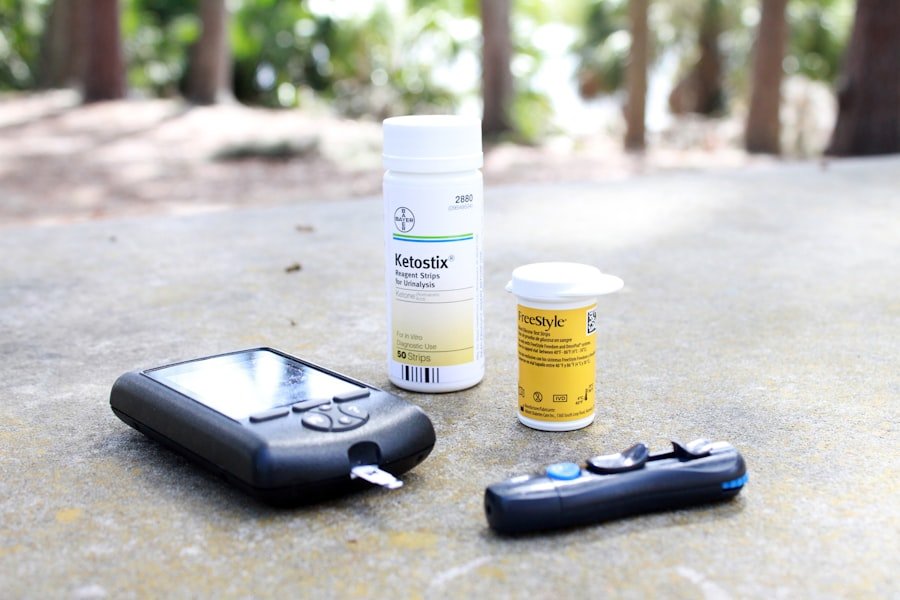
You’ve made the commitment to change your lifestyle, and perhaps you’re working with your doctor on medical interventions. Now, how do you know if what you’re doing is actually working? This is where vigilant monitoring and tracking become your essential compass. Without knowing where you stand, it’s hard to navigate your path to better insulin sensitivity.
Understanding Your Key Health Markers
Successfully managing insulin resistance involves keeping an eye on specific indicators that reflect your body’s response. These aren’t just numbers; they are crucial pieces of information that help you and your healthcare team make informed decisions.
Blood Glucose Monitoring
- What it is: Regularly checking your blood sugar levels. This can be done with a standard glucometer or a continuous glucose monitor (CGM).
- Why it matters:
- Immediate Feedback: Glucometers provide instantaneous readings, showing you how your diet, exercise, and other factors are impacting your blood sugar in the short term.
- Identifying Patterns: Consistent monitoring helps you identify patterns – what foods cause spikes, how exercise affects your levels, and how stress impacts your glucose.
- Early Detection of Hypoglycemia or Hyperglycemia: Essential for preventing dangerous fluctuations.
- Frequency and Timing: Your doctor will guide you on how often and at what times to check your blood sugar. This might include fasting blood glucose, post-meal readings, or even routine checks throughout the day.
HbA1c (Glycated Hemoglobin) Test
- What it is: A blood test that provides an average of your blood glucose levels over the past 2-3 months. It measures the amount of hemoglobin in your red blood cells that has been coated with sugar.
- Why it matters:
- Long-Term Picture: Unlike daily glucose checks, HbA1c gives you a broader perspective on your blood sugar control over an extended period.
- Assessing Treatment Effectiveness: It’s a key indicator of how well your overall treatment plan is working and is used to diagnose and monitor diabetes.
- Reducing Complication Risk: Higher HbA1c levels are associated with an increased risk of diabetes-related complications.
- Frequency: Typically done every 3-6 months, depending on your individual situation.
Insulin Levels
- What it is: A blood test to measure the amount of insulin your pancreas is producing.
- Why it matters:
- Directly Reflects Resistance: In insulin resistance, you’ll often see elevated insulin levels, even if your blood sugar is still within a normal range. This indicates your pancreas is working harder.
- Tracking Improvement: As your insulin sensitivity improves, you should see your fasting insulin levels gradually decrease.
- When it’s done: Often done by your doctor, especially if they suspect insulin resistance or metabolic syndrome. It’s usually a fasting blood test.
Lipid Panel (Cholesterol and Triglycerides)
- What it is: A blood test that measures your total cholesterol, LDL (“bad”) cholesterol, HDL (“good”) cholesterol, and triglycerides.
- Why it matters:
- Cardiovascular Risk: Insulin resistance is strongly linked to unhealthy lipid profiles, which are significant risk factors for heart disease.
- Monitoring Progress: As you improve your diet and exercise, you should see improvements in your lipid panel.
- Frequency: Typically checked at your annual physical or as recommended by your doctor.
Blood Pressure
- What it is: The force of blood against the walls of your arteries.
- Why it matters:
- Hypertension Link: Insulin resistance is often associated with high blood pressure (hypertension).
- Overall Cardiovascular Health: Maintaining healthy blood pressure is crucial for preventing heart disease and stroke.
- Frequency: Regularly checked at doctor’s appointments and can be monitored at home.
Tools and Technologies for Tracking
The digital age offers a wealth of tools to help you stay on top of your health. Leveraging these can make tracking less of a chore and more of an integrated part of your life.
Food and Activity Tracking Apps
- Examples: MyFitnessPal, Cronometer, Lose It!, Fitbit app, Apple Health.
- What they do: Allow you to log your food intake, track your physical activity, and often provide insights into your nutritional intake and calorie expenditure.
- Benefits for Insulin Resistance:
- Increased Awareness: Logging forces you to be more mindful of what you’re eating and drinking.
- Identifying Nutritional Gaps: You can see if you’re getting enough fiber or protein and if you’re consuming too many processed foods or added sugars.
- Connecting Diet to Blood Sugar: Some apps can integrate with glucose monitors, allowing you to directly see the impact of specific meals or foods on your blood sugar.
Wearable Fitness Trackers
- Examples: Fitbit, Apple Watch, Garmin devices.
- What they do: Monitor your daily steps, heart rate, sleep patterns, and can often track specific workouts.
- Benefits for Insulin Resistance:
- Motivation: Seeing your daily activity goals can be highly motivating.
- Understanding Sleep: Tracking sleep quality and duration can highlight potential issues affecting your insulin sensitivity.
- Heart Rate Monitoring: Can provide insights into your cardiovascular response to exercise.
Continuous Glucose Monitors (CGMs)
- What they are: Small devices worn on the body that continuously measure glucose levels throughout the day and night, sending data to a smartphone or receiver.
- Who they are for: While traditionally for diabetes management, CGMs are increasingly being used by individuals with insulin resistance to gain a deeper understanding of their glucose fluctuations.
- Benefits for Insulin Resistance:
- Real-time Data: Provides immediate insights into how food, exercise, stress, and even sleep affect your blood sugar.
- Identifying Trends: Helps uncover patterns that might not be evident with self-monitoring.
- Empowerment: Gives you direct feedback on the consequences of your choices, empowering you to make adjustments.
- Consideration: CGMs can be expensive and may require a prescription, but their value in understanding metabolic health is growing.
Personal Health Journals or Spreadsheets
- What they are: Simple notebooks or digital spreadsheets where you can manually record your blood sugar, food intake, exercise, mood, and other relevant factors.
- Benefits:
- Simplicity: A low-tech, accessible way to track.
- Customization: You can tailor what you record to your specific needs.
- Deep Reflection: The act of writing can encourage deeper reflection on your habits and their impact.
5. The Power of a Supportive Approach: Beyond the Individual
| Treatment | Effectiveness | Side Effects |
|---|---|---|
| Diet and Exercise | Effective in improving insulin sensitivity | No significant side effects |
| Medication (Metformin) | Helps lower blood sugar levels | Possible gastrointestinal side effects |
| Insulin Therapy | Effective in controlling blood sugar levels | Possible weight gain and hypoglycemia |
You’re not alone in this journey, and recognizing the importance of support is a crucial step in your long-term success. While the primary responsibility for managing insulin resistance lies with you, creating a robust support system – both personal and professional – can significantly enhance your efforts and help you stay motivated and accountable. Think of this as building your personal “cheering squad” and having expert guides along the way.
Building a Strong Personal Support Network
Your friends, family, and loved ones can be invaluable allies in your quest for better health. Their understanding and encouragement can make a world of difference.
The Role of Loved Ones
- Emotional Support and Encouragement: When you’re feeling discouraged or struggling with cravings, having someone to talk to and offer encouragement is vital.
- Accountability Partners: A family member or friend who joins you in healthy eating or exercise can provide mutual accountability.
- Understanding and Patience: Explaining what you’re going through to your close circles can foster understanding and patience, especially during times of adjustment.
- Practical Help: They might offer to cook healthy meals with you, join you for walks, or help you navigate social situations where food is involved.
Cultivating a Supportive Environment
- Open Communication: Don’t be afraid to talk about your health goals and challenges with your loved ones.
- Setting Boundaries: It’s okay to politely decline unhealthy food options or social invitations that might derail your progress.
- Involving Them in Your Journey: If they are willing, involve them in your healthy meal preparation or exercise routines.
- Educating Them: Sometimes, sharing reliable information about insulin resistance can help your support network understand your needs better.
The Indispensable Role of Healthcare Professionals
Beyond your primary care physician, a team of specialists can provide targeted expertise and personalized guidance for managing insulin resistance effectively.
Key Medical Professionals to Partner With
- Your Primary Care Physician (PCP): Your PCP is your central point of contact, monitoring your overall health, diagnosing conditions, prescribing initial treatments, and referring you to specialists when needed. They are crucial for managing your blood pressure, cholesterol, and initial blood sugar levels.
- Endocrinologist: If your insulin resistance is significant, or if Type 2 diabetes is involved, an endocrinologist is a specialist in hormonal disorders. They can provide in-depth management of blood sugar, insulin resistance, and related endocrine issues.
- Registered Dietitian (RD) or Nutritionist: As emphasized earlier, RDs are experts in food and nutrition. They can create personalized meal plans to improve insulin sensitivity, manage weight, and address any nutritional deficiencies. They help you translate dietary principles into practical, sustainable eating habits.
- Certified Diabetes Educator (CDE): If you have been diagnosed with Type 2 diabetes or are at high risk, a CDE can provide comprehensive education on managing your condition, including blood glucose monitoring, medication education, and lifestyle strategies.
- Exercise Physiologist or Certified Personal Trainer: For those who need guidance on structuring an effective and safe exercise program, these professionals can design personalized workout plans tailored to your fitness level and health goals, ensuring you maximize the benefits for insulin sensitivity.
- Mental Health Professional (Therapist or Counselor): The emotional toll of managing a chronic condition like insulin resistance can be significant. A therapist can help you develop coping mechanisms for stress, manage anxiety or depression, and work through any psychological barriers to adopting and maintaining healthy lifestyle changes. They can also help with disordered eating patterns.
The Power of Community: Support Groups
Connecting with others who are facing similar health challenges can provide a unique and powerful form of support.
Benefits of Joining a Support Group
- Shared Experiences and Understanding: Hearing stories from others in similar situations can be incredibly validating and less isolating.
- Practical Tips and Strategies: Group members often share practical advice that has worked for them.
- Motivation and Inspiration: A sense of community and shared goals can be a strong motivator.
- Learning from Experts: Many support groups are facilitated by healthcare professionals or feature guest speakers who share valuable information.
- Safe Space to Share: A support group provides a non-judgmental space to discuss your challenges and successes.
Finding the Right Support Group
- Ask Your Doctor: Your healthcare team can often recommend local or online support groups.
- Online Platforms: Explore online forums, social media groups, and dedicated health communities. Look for reputable organizations that host these groups.
- Local Hospitals or Community Centers: Many community health organizations offer support groups for chronic conditions.
- Disease-Specific Organizations: Organizations focused on diabetes, metabolic syndrome, or heart health often have resources for finding support groups.
Your journey with insulin resistance is a marathon, not a sprint. By integrating these lifestyle modifications, embracing medical interventions when necessary, diligently monitoring your progress, and building a strong support system, you are equipping yourself with the knowledge and resources to not only manage insulin resistance but to thrive. Remember, every positive step you take is an investment in a healthier, more vibrant future.
FAQs
What is insulin resistance?
Insulin resistance is a condition in which the body’s cells become resistant to the effects of insulin, leading to high blood sugar levels. This can eventually lead to type 2 diabetes if left untreated.
What are the symptoms of insulin resistance?
Common symptoms of insulin resistance include fatigue, increased hunger, difficulty losing weight, high blood sugar levels, and dark patches of skin on the neck and armpits.
How is insulin resistance diagnosed?
Insulin resistance is typically diagnosed through blood tests that measure fasting insulin levels, fasting glucose levels, and the HOMA-IR index, which calculates insulin resistance based on fasting glucose and insulin levels.
What are the treatment options for insulin resistance?
Treatment for insulin resistance often involves lifestyle changes such as regular exercise, a healthy diet, and weight loss. In some cases, medication such as metformin may be prescribed to help improve insulin sensitivity.
What are the potential complications of insulin resistance?
If left untreated, insulin resistance can lead to serious health complications such as type 2 diabetes, heart disease, stroke, and kidney disease. It is important to manage insulin resistance to reduce the risk of these complications.