
Is there really a clear winner between frozen yogurt and ice cream when it comes to a healthier treat? It seems that both options have their fans, and the debate continues to swirl around which one is better for you. Let’s break down the facts, taste, and nutrition of both these delightful desserts, so you can make an informed decision that fits your lifestyle.
Understanding Frozen Yogurt and Ice Cream
Understanding what you’re consuming is the first step in making healthier choices in your diet. Both frozen yogurt and ice cream share a creamy texture and sweet flavors, but they are distinctly different in their ingredients and nutritional profiles.
What is Frozen Yogurt?
Frozen yogurt is made from yogurt and sometimes other dairy products. It’s often marketed as a healthier alternative to ice cream because it contains live bacterial cultures, which can be beneficial for your digestive health. The type of yogurt used, whether it’s whole, low-fat, or fat-free, can dramatically affect the nutritional content of the frozen yogurt.
What is Ice Cream?
Ice cream, on the other hand, is generally made from cream, sugar, and flavoring. The key ingredient here is the cream, which typically contains more fat than yogurt. Ice cream also usually has a higher sugar content, making it a richer, more decadent treat. Depending on the type, it can be sensationally creamy or light and airy.
The Nutritional Breakdown
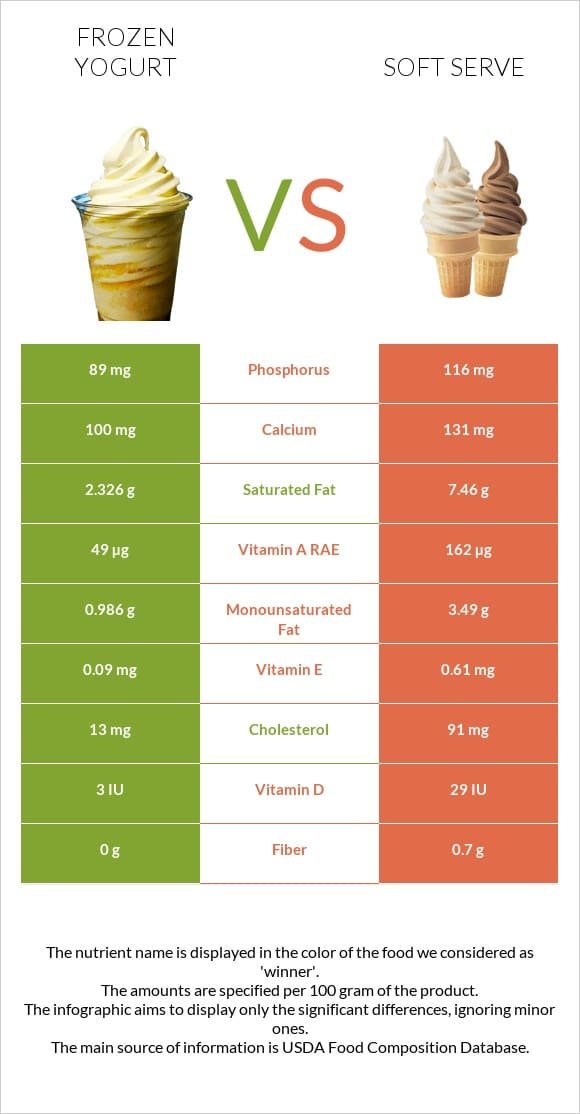
To truly understand what makes a dessert healthier, let’s take a closer look at the nutritional components of frozen yogurt compared to ice cream.
| Nutritional Component | Frozen Yogurt (per 100g) | Ice Cream (per 100g) |
|---|---|---|
| Calories | 100 – 130 | 150 – 250 |
| Total Fat | 2 – 5g | 7 – 15g |
| Saturated Fat | 1 – 3g | 4 – 10g |
| Sugar | 12 – 20g | 14 – 25g |
| Protein | 3 – 5g | 2 – 4g |
| Calcium | 100 – 150mg | 60 – 120mg |
This table provides a rough idea of what to expect nutritionally. While frozen yogurt may offer fewer calories and less fat, the differences can vary widely based on the specific brands and flavors.
Calories
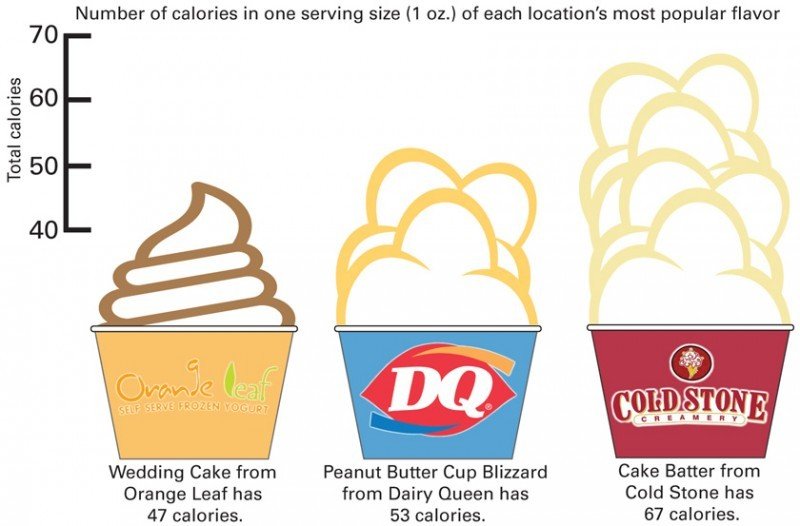
When it comes to calories, frozen yogurt typically wins out, making it a solid option for those watching their caloric intake. However, it’s essential to consider portion sizes and toppings; those can quickly add up and turn a “healthier” choice into a calorie-laden one.
Fat Content
Frozen yogurt has a lower overall fat content on average, which can be appealing if you’re looking to reduce saturated fats in your diet. Remember, fat content influences not just calories, but also how filling a dessert may feel. Ice cream’s richness often leads to smaller serving sizes, as a spoonful can be quite satisfying.
Sugar Levels
Sugar is another significant factor when you’re contemplating the healthier option. While both frozen yogurt and ice cream contain sugar, the amount can vary widely depending on flavors and additives. You might choose fruit-flavored frozen yogurt for a lower sugar option, while indulging in chocolate ice cream could result in a sugar overload.
Nutrients
Frozen yogurt often contains probiotics, which are beneficial bacteria that can promote gut health. Ice cream, on the other hand, provides protein and calcium, thanks to its dairy content. If you’re seeking nutritional benefits, it’s wise to assess what you desire from your dessert. Are you looking to boost your gut health, or do you need a bit of protein after a workout?
The Role of Ingredients
Understanding the ingredients in both frozen yogurt and ice cream can significantly influence your choice. The quality of the ingredients will affect not only the nutritional value but also the taste and texture.
Frozen Yogurt Ingredients
While you might assume all frozen yogurt is created equal, that’s far from the truth. Some frozen yogurts use lower-quality ingredients or artificial flavorings. If you opt for frozen yogurt, check the ingredient list for natural yogurt, real fruit, and minimal artificial additives.
Ice Cream Ingredients
Similarly, ice cream can vary from artisanal, high-quality creations made with real cream and organic sugar to mass-produced versions filled with artificial ingredients. Premium ice creams often use higher fat content, meaning you’ll enjoy a creamier texture and deeper flavors, but be cautious about added ingredients like stabilizers and emulsifiers.
Toppings and Serving Sizes
No discussion of frozen yogurt and ice cream is complete without considering toppings! You can dress both desserts up with an array of toppings, and these can significantly alter the nutritional value.
Frozen Yogurt Toppings
The toppings for frozen yogurt can range from fresh fruits like blueberries and strawberries to granola or even cookie crumbles. While fruit toppings can add beneficial vitamins, they also bring additional sugar. Granola may boost fiber, yet it can be deceptively high in calories.
Ice Cream Toppings
When it comes to ice cream, the classic toppings like chocolate syrup, sprinkles, and whipped cream can turn a small serving into a calorie-rich creation. Consider pairing ice cream with nuts or fresh fruits for a bit of balance.
Serving Sizes
Controlling portion sizes is crucial for both desserts. You’ll often find that a single serving of frozen yogurt is smaller than a typical serving of ice cream. Keep an eye on serving sizes and toppings to maintain a healthy treat experience.
Health Benefits of Frozen Yogurt
Frozen yogurt can offer several health benefits that set it apart from ice cream, especially in certain contexts.
Probiotics
One of the standout features of frozen yogurt is its live bacterial cultures. These probiotics can aid in digestion, support your immune system, and even enhance nutrient absorption. While these benefits may not be significant on their own, they can contribute to overall health when incorporated into a balanced diet.
Lower Caloric Intake
If you’re precisely monitoring your calorie consumption, frozen yogurt is often the better choice. A significant difference in calorie counts means that you can enjoy a more substantial portion without going overboard on calories.
Customization
Frozen yogurt shops frequently offer non-dairy or low-sugar options, catering to various dietary needs and preferences. You can often find versions sweetened with less sugar or natural alternatives, making it easier to tailor your dessert to your dietary goals.
Health Benefits of Ice Cream
Though ice cream might seem like a less healthy choice at first glance, it does come with its own set of perks.
Satisfying Indulgence
Ice cream’s richer flavor and texture can provide a more satisfying experience and may help curb cravings. Sometimes, a small scoop of high-quality ice cream is more gratifying than a larger serving of frozen yogurt.
Calcium and Protein Content
Being a dairy product, ice cream contains a higher amount of calcium and protein than most frozen yogurts, which can contribute positively to your diet, especially if you’re using it as a post-workout treat.
Personal Preferences and Allergies
When deciding between frozen yogurt and ice cream, consider your personal tastes and dietary needs. Your choice may depend on the experience you seek or the health considerations that resonate most with you.
Dairy-Free Options
Many frozen yogurt shops now offer dairy-free alternatives using almond, coconut, or soy milk as a base. This makes frozen yogurt a more viable option for those avoiding dairy. Ice cream brands are starting to catch on, providing dairy-free versions, but they can be limited.
Flavor Profiles
Your enjoyment of these desserts often comes down to individual taste preferences. If you enjoy the tangy zing of yogurt, frozen yogurt might hit the spot. Conversely, if you prefer a rich, creamy experience, a scoop of ice cream could be what you’re craving.
The Final Verdict: Is Frozen Yogurt Healthier?
When it boils down to the age-old question of whether frozen yogurt is healthier than ice cream, there isn’t a definitive answer. It depends on variety, ingredients, serving sizes, and personal preferences.
Consider Your Goals
If you prioritize lower calories and the possibility of probiotics, frozen yogurt might be your go-to. But if you value satisfaction, richness, and nutritional content from calcium and protein, ice cream could be the choice for you.
Moderation is Key
Ultimately, moderation is essential. Enjoying either dessert can fit into a balanced lifestyle. If you love to indulge in both, that’s perfectly okay! Perhaps balance a healthier option with a more indulgent treat from time to time.
Making Informed Choices
As you contemplate your next dessert, consider not just the choice between frozen yogurt and ice cream but the overall picture of your dietary habits. It’s crucial to listen to your body and make decisions based on how you feel. Additionally, checking nutrition labels, opting for quality ingredients, and controlling portion sizes can help you enjoy your dessert guilt-free.
Conclusion: Your Choice Matters
Whichever treat you choose, remember that the occasional scoop of either frozen yogurt or ice cream can bring joy. Make choices that align with your health goals and personal experiences, allowing you to enjoy the sweetness of life in moderation. Your taste buds and your body will thank you!