
Is There A Cure for Dementia? Exploring Current Research
Dementia is a term that can evoke a mix of emotions—confusion, sadness, and sometimes fear. For many, it represents the relentless march of time, the gradual loss of memory, and the struggle to hold on to the threads of identity. As your understanding of dementia deepens, you may wonder, “Is there a cure for this condition?” The truth is that the answer is complex. In this article, we will explore the dimensions of dementia, the tireless research behind potential cures, and the hope that science provides.

Understanding Dementia: What Is It?
Dementia is not a singular disease but rather an umbrella term that encompasses various cognitive impairments, primarily characterized by a decline in memory, thinking, and social abilities severe enough to interfere with daily life. Alzheimer’s disease, vascular dementia, Lewy body dementia, and frontotemporal dementia are just a few examples under this umbrella. You might be surprised to learn that dementia affects millions of people worldwide, making it a global health issue.
In essence, dementia alters the way you process and interact with the world around you. It can steal small moments—like recalling a cherished memory or recognizing a loved one—gradually transforming the way you experience life. While this can feel daunting, understanding dementia is the first step toward addressing its impact and exploring potential treatments.
The Causes of Dementia: What You Should Know
Diving deeper into the realms of dementia means delving into its varied causes. You might be surprised to know that factors contributing to dementia can range from genetics and age to lifestyle choices and environmental influences. Aging is the most significant risk factor; as you grow older, the likelihood of developing dementia increases. Moreover, your genetic makeup can also play a crucial role; some genetic mutations are linked directly to certain types of dementia.
However, it’s crucial to recognize that not all memory loss results from dementia. Conditions like depression, anxiety, and nutritional deficiencies can present similarly. Understanding the root cause of cognitive decline is vital, as it will influence which treatment or intervention may be appropriate. By illuminating the myriad causes of dementia, you can equip yourself with knowledge to pursue better health outcomes.

Research Landscape: What’s Happening Right Now
In recent years, research into dementia has accelerated significantly. Innovative scientists and healthcare professionals across the globe are tirelessly working to unravel the mysteries of this condition. Huge strides are being made in understanding the biological underpinnings of dementia, and with that knowledge, potential treatments are inching closer to fruition.
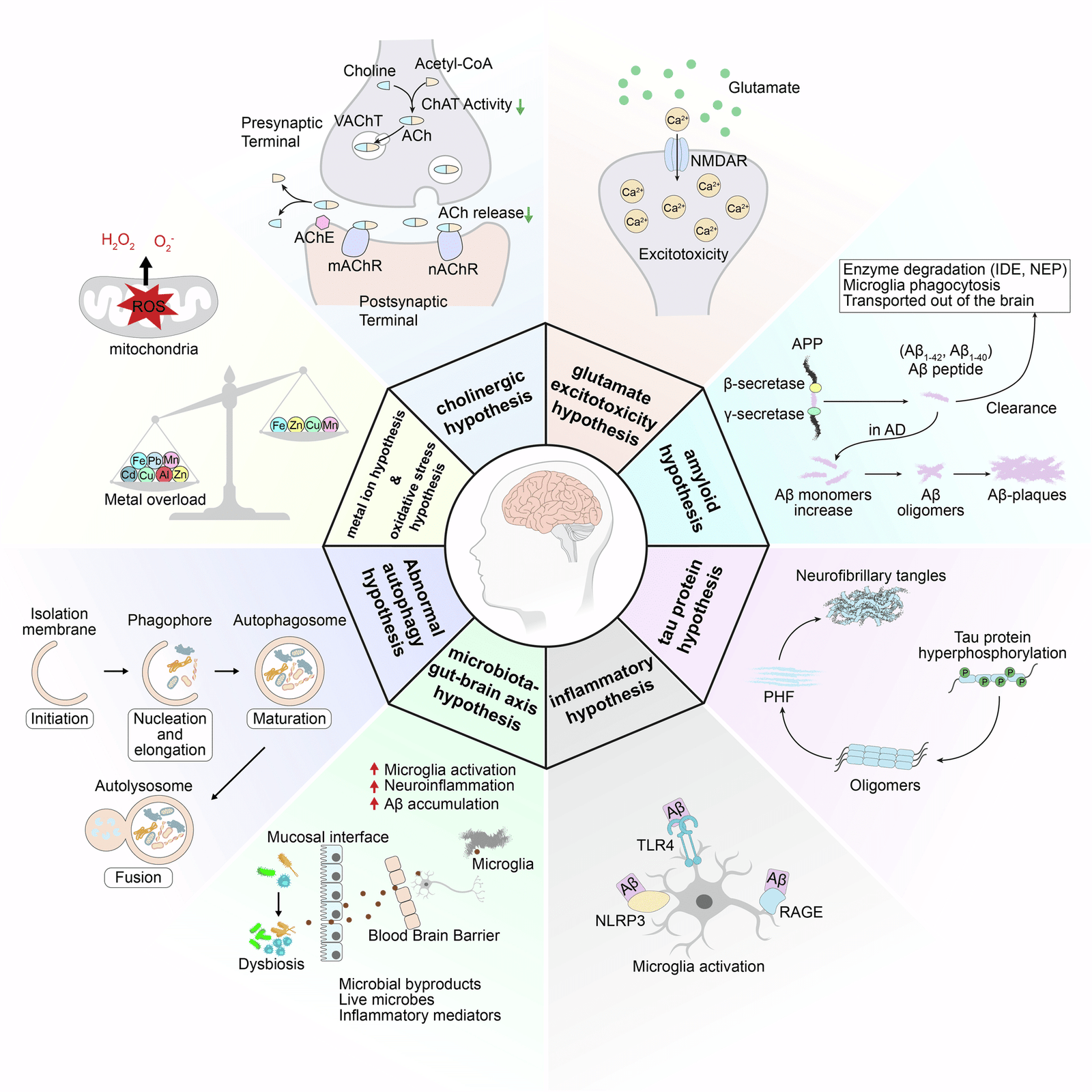
From studying the proteins that contribute to neurodegeneration to investigating the role of inflammation in the brain, researchers are leaving no stone unturned. You should feel encouraged by this wealth of investigations, as they often uncover new pathways and mechanisms that could eventually lead to effective therapies or even a cure.
The Search for a Cure: Current Treatments Available
You may be curious about the current treatments available for dementia and whether they can be classified as cures. At present, there is no definitive cure for dementia. Instead, treatment approaches aim to manage symptoms, slow cognitive decline, and improve quality of life. Medications like cholinesterase inhibitors and memantine are among the most commonly prescribed drugs to help manage symptoms associated with Alzheimer’s disease specifically.
In addition to medications, therapeutic interventions play a crucial role in managing dementia. Cognitive stimulation therapy, reminiscence therapy, and even physical activity can help slow the progression of the disease while enhancing overall well-being. The focus here shifts from “curing” the condition to embracing a holistic approach that prioritizes quality of life.
Breakthroughs in Clinical Trials: Glimmers of Hope
As you navigate the world of dementia research, you may discover numerous clinical trials aiming to test promising new treatments. These trials often focus on immunotherapy, which is intended to harness the body’s immune system to target the proteins associated with neurodegenerative diseases. Investigational drugs are on the horizon, and their success could change the narrative around dementia treatment.
Keep an eye on key developments within clinical trials. For instance, drugs such as aducanumab have been the subject of much debate recently. While its efficacy remains to be fully determined, the possibility that it can modifying the course of Alzheimer’s disease provides much-needed hope. The increasing momentum behind these trials signifies a collective grasp of the urgency surrounding dementia care.
Lifestyle Interventions: Empowering Your Health
While medical advancements are crucial, you may find that lifestyle choices can play an equally vital role in dementia prevention and management. Research suggests that a heart-healthy lifestyle—one rich in fruits, vegetables, whole grains, and healthy fats—might also be beneficial for cognitive health. Additionally, engaging in regular physical activity and social interactions can have lasting positive effects on your brain.
These lifestyle interventions can empower you to take control over your health. Why wait for a cure when you can actively work toward maintaining your cognitive function? By embracing changes to your daily routine, you may not only enhance your current cognitive capabilities but also support your long-term brain health.
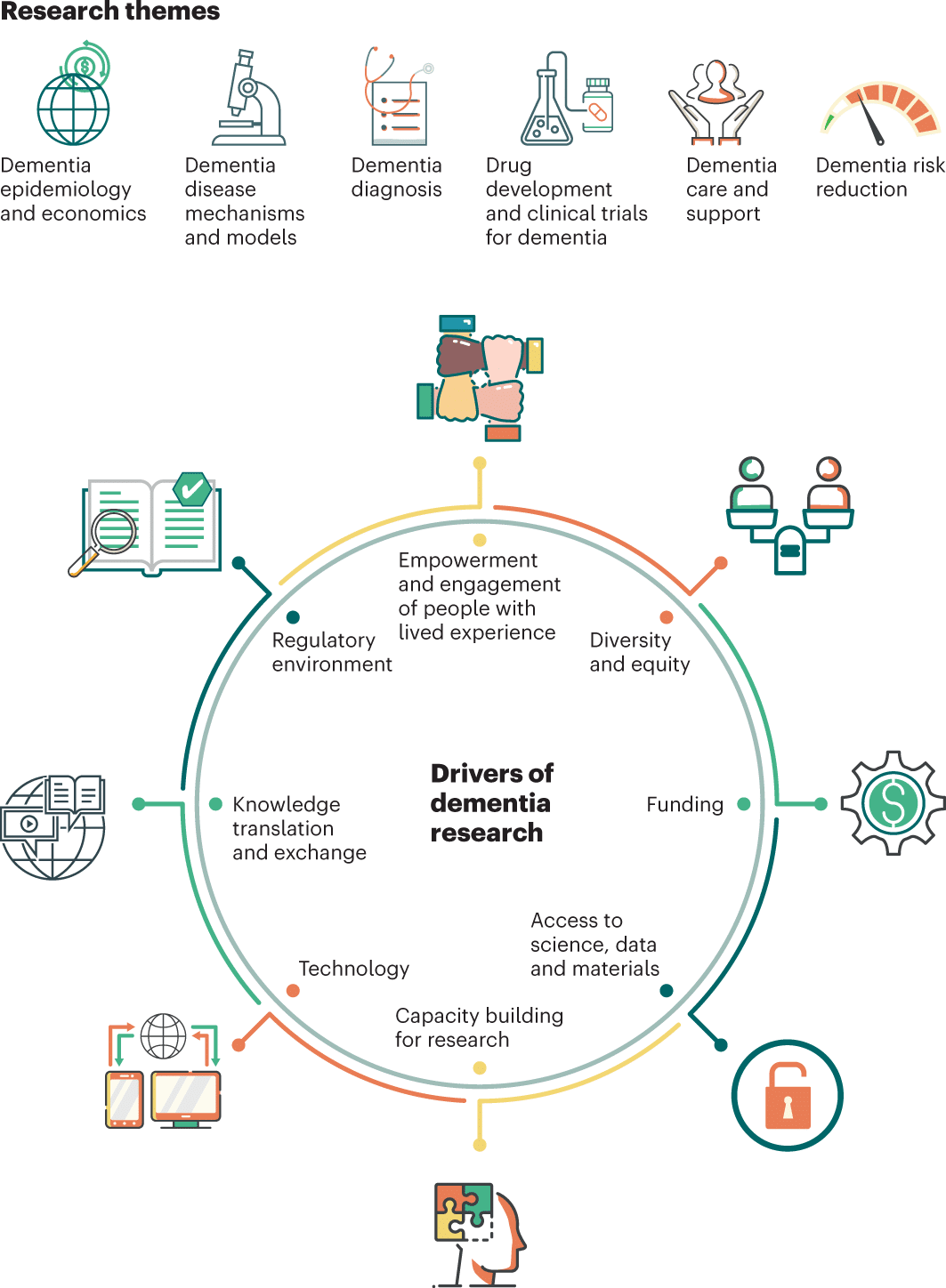
The Importance of Early Diagnosis: Catching It in Time
When reflecting on dementia, one crucial factor to consider is the importance of early diagnosis. Recognizing the signs and symptoms early can lead to better management options and potential treatment strategies. You may find participation in cognitive screening tools beneficial. These assessments can identify early cognitive decline and allow for timely interventions.
Early diagnosis also opens the door to conversations about advanced care planning. You (or your loved ones) can begin to address legal, financial, and caregiving needs before symptoms progress. By placing a significant emphasis on early detection, you can foster a greater sense of control and empower both yourself and those around you in the journey ahead.
The Role of Caregivers: Heart of the Matter
Behind every individual with dementia, there is often a caregiver who plays a pivotal role in their life. This role can be both rewarding and challenging, and if you find yourself in this position, know that you are not alone. Millions of caregivers are dedicated to supporting those with dementia, connecting on emotional and practical levels daily. Your compassion and commitment can make all the difference in the world.
Understanding the importance of self-care is integral for caregivers. You must take time to recharge, whether through support groups, respite care services, or simply engaging in activities that bring joy. By prioritizing your well-being, you are better equipped to support your loved one.
The Future of Dementia Research: A Bright Horizon
Looking ahead, the future of dementia research glimmers with possibility. As you remain curious about ongoing studies, consider that breakthroughs will continue to emerge. The multidimensional approach encompassing genetic studies, clinical trials, and lifestyle considerations is instrumental for progress.
Furthermore, collaborative research initiatives are becoming increasingly prominent. Interdisciplinary teams are joining forces to pool knowledge and resources to tackle dementia more effectively. With each passing day, these collaborative efforts expand the boundaries of what we know and what can be achieved.
Advocacy and Awareness: Your Role Matters
You might wonder how you can contribute to the fight against dementia. Advocacy and awareness play crucial roles in changing perceptions surrounding the disease. By becoming informed, you can engage in meaningful discussions with others, sharing knowledge and resources to combat stigma and raise awareness.
Furthermore, consider supporting organizations that fund research and support services for those affected by dementia. Your involvement—whether through volunteering, donating, or spreading awareness—can create waves of positive change in the lives of countless individuals and families.
Conclusion: Hope Amidst Uncertainty
In summary, the question “Is there a cure for dementia?” remains layered and nuanced. Although the current landscape lacks a definitive cure, the realm of research shines with promoting innovative approaches. From lifestyle interventions to the excitement of clinical trials, there is hope. While grappling with the challenges of dementia may feel overwhelming, recognizing the vital role of awareness, research, and community can lift the burden just a little.
As you navigate the complexities of this topic, remember: knowledge is power. Stay informed and connected, engage with others in passionate dialogue, and continue to learn. The possibility of a brighter future for those affected by dementia is within our grasp.
If you found this article insightful, please clap, leave a comment, and don’t forget to subscribe to my Medium newsletter for updates on future discussions that matter to you. Thank you for being part of this important conversation!