
Is there anything more refreshing on a hot summer day than a big slice of watermelon? It’s juicy, sweet, and often brings back memories of carefree days spent under the sun. But if you’re managing diabetes, you may have some questions about whether watermelon actually fits into your diet plan. Can you enjoy that delicious fruit without worrying about your blood sugar levels? Let’s unpack that together.
Understanding Diabetes
Before we can determine if watermelon is suitable for you, it’s essential to understand diabetes itself. Diabetes is a condition that affects how your body processes blood sugar—also known as glucose. When you eat, your body converts food into glucose, which is then released into the bloodstream. Insulin, a hormone produced by the pancreas, helps shuttle this glucose into cells for energy.
In diabetes, this process is compromised. There are two main types:
Type 1 Diabetes
If you have Type 1 diabetes, your body doesn’t produce any insulin at all. This type is usually diagnosed in children and young adults, hence the name “juvenile diabetes.” Individuals must manage their condition with insulin injections or an insulin pump.
Type 2 Diabetes
Type 2 diabetes is more common and typically develops later in life. In this case, the body either doesn’t produce enough insulin or the cells become resistant to insulin’s effects. This form is often associated with lifestyle factors like diet and physical activity level.
Understanding your specific diagnosis helps in knowing how to manage your blood sugar levels effectively.
The Nutritional Profile of Watermelon
Watermelon is about 92% water, making it incredibly hydrating. But when it comes to its nutritional content, there are several factors to consider, particularly for diabetes management.
Key Nutritional Components
Here’s a breakdown of what you can expect from a one-cup serving of watermelon:
| Nutrient | Amount per 1 cup (152g) |
|---|---|
| Calories | 46 |
| Carbohydrates | 11.6 grams |
| Sugars | 9.4 grams |
| Dietary Fiber | 0.6 grams |
| Protein | 0.9 grams |
| Fat | 0.2 grams |
| Vitamin C | 21% of the Daily Value |
| Vitamin A | 18% of the Daily Value |
| Potassium | 5% of the Daily Value |
Carbohydrates and Glycemic Index
The carbohydrate content in watermelon is a crucial factor to consider. Carbohydrates can raise blood sugar levels, so it’s important to be mindful of how much you consume.
Watermelon has a glycemic index (GI) of around 76, which falls into the high GI category. The GI measures how quickly a food can raise blood sugar levels after consumption. However, this doesn’t tell the full story, especially when we look at watermelon in the context of its overall nutritional content.
The Glycemic Load of Watermelon
While watermelon has a high glycemic index, it’s worth noting that it also has a low glycemic load (GL). Glycemic load takes portion size into account, providing a more realistic picture of how a food affects your blood sugar.
Watermelon’s glycemic load is therefore low because the serving size results in fewer carbohydrates consumed overall. This factor suggests that you can enjoy watermelon in moderation without causing drastic spikes in blood sugar levels.
Benefits of Watermelon
You might be wondering if there are any health benefits to eating watermelon, especially when considering diabetes. Let’s talk about some of the advantages of including watermelon in your diet.
Hydration
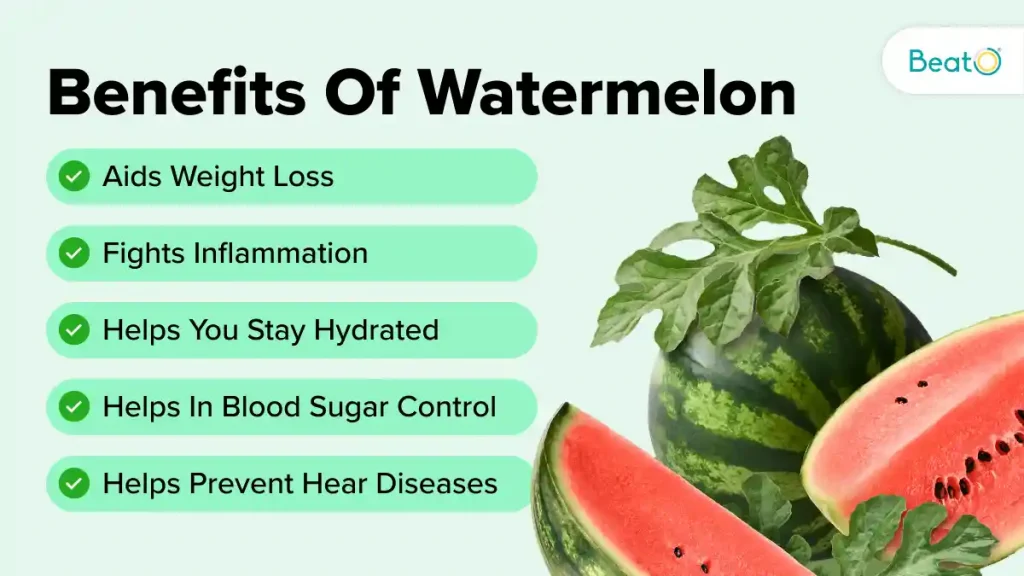
As previously mentioned, watermelon is 92% water, making it one of the most hydrating fruits available. Staying hydrated is crucial—especially for those managing diabetes, as dehydration can lead to increased blood sugar levels.
Nutrient-Dense
Watermelon is low in calories and provides essential vitamins and minerals. The presence of vitamins A and C can help support your immune system and enhance your overall health. The hydration and nutrients combined make it a wise choice for many.
Antioxidants
Watermelons are rich in antioxidants such as lycopene and beta-carotene. Lycopene, in particular, may have anti-inflammatory properties and could potentially help reduce the risk of certain chronic diseases.

How to Incorporate Watermelon into Your Diet
If you’ve decided that watermelon can be a part of your life, the next question is, how can you include it in a diabetes-friendly way? Here are some helpful tips.
Portion Control
Portion sizes are essential in diabetes management. A single serving of watermelon can be around one cup of diced fruit. It’s helpful to measure your servings to avoid unintentionally overindulging.
Pairing with Other Foods
Combining watermelon with other foods can also help mitigate blood sugar spikes. Consider pairing watermelon with a protein source like Greek yogurt or nuts to create a more balanced snack.
Use in Salads and Smoothies
Adding watermelon to salads is a delicious way to incorporate it into meals. You can toss it in a fresh salad with leafy greens, cucumbers, and a light vinaigrette. Alternatively, blending watermelon into smoothies with other low-GI fruits can make for a refreshing treat.
Understanding Your Body’s Response
Every individual is different, and food affects each person in unique ways. For those managing diabetes, it’s essential to monitor your blood sugar levels to see how they respond after eating watermelon. Take notes and adjust your consumption accordingly.
Keeping a Food Diary
Consider maintaining a food diary to keep track of what you eat, when you eat it, and how it affects your blood glucose levels. This practice can help you understand the impact of watermelon and any other foods on your diabetes management.

Alternatives to Watermelon
While watermelon can be a delightful, refreshing treat, you may also want to consider other fruits that are lower on the glycemic index. Here are some options you might enjoy:
Strawberries
Strawberries are another hydrating fruit that is lower in sugar compared to watermelon. They have a GI of 41 and are rich in fiber, making them an excellent choice for someone managing diabetes.
Blueberries
These small berries are bursting with flavor and nutrients. Blueberries have a lower GI and are high in antioxidants, providing both health and taste benefits.
Cherries
Cherries are not only delicious but also have a low glycemic index of 20. They can be enjoyed fresh, in smoothies, or even as a part of dessert recipes.
The Bottom Line
So, is watermelon good for diabetes? The answer is yes, but it depends on how you include it in your overall diet. The key is moderation and mindfulness.
Watermelon can be enjoyed as part of a balanced diet if you’re conscious about portion sizes and how it fits into your overall carbohydrate intake.
Remember to listen to your body and make adjustments based on how you feel. With thoughtful consideration of your choices, you can enjoy the summer sweetness of watermelon without compromising your health goals.

Final Thoughts
In the world of managing diabetes, understanding your body and its responses is crucial. You know your body better than anyone else, so allow yourself some grace as you navigate your food options. The journey to managing diabetes can feel overwhelming at times, but including hydrating, nutrient-rich foods into your diet can provide both joy and nourishment.
Next time you bite into that cool, juicy slice of watermelon, take a moment to savor the experience and all the memories it brings. It’s okay to indulge once in a while—just do it thoughtfully! Your journey with diabetes doesn’t have to be flavorless or dull. It can be bright, refreshing, and, yes, even sweet when you approach it with wisdom and care.