
Have you ever experienced a sharp pain in your lower back that just wouldn’t go away? If so, you may have encountered the common and unpleasant phenomenon known as kidney stones. These tiny, hard deposits can cause various symptoms, including excruciating pain and discomfort. In this article, we will explore the symptoms of kidney stones and shed light on the available treatment options to help you better understand and manage this condition.
Kidney Stones: Causes, Symptoms, Diagnosis, and Treatment Options
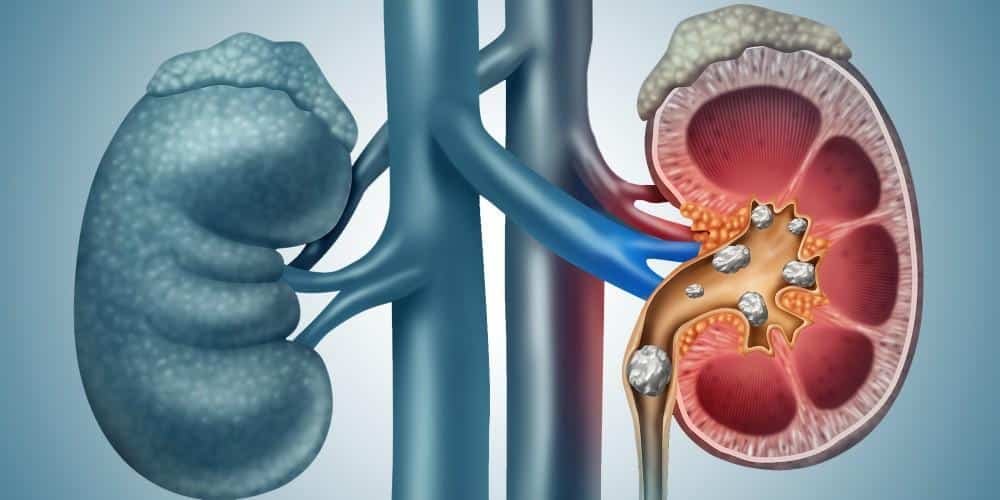
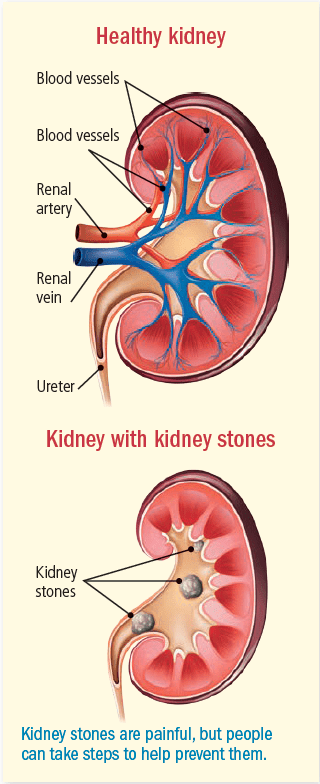
Kidney stones, also known as renal calculi, are hard deposits that are formed in the kidneys. These stones can vary in size and shape and can cause a range of symptoms and complications. In this comprehensive article, we will explore the causes, symptoms, diagnosis, treatment options, prevention, and home remedies for kidney stones. By understanding this condition better, you can take appropriate measures to prevent and manage kidney stones effectively.

Causes of Kidney Stones
Dehydration
Dehydration is one of the leading causes of kidney stones. When your body does not have enough fluid, it cannot effectively flush out waste products, leading to the formation of kidney stones. It is crucial to maintain an adequate fluid intake to prevent the concentration of minerals in your urine, thus reducing your risk of developing kidney stones.
Diet
Your diet plays a significant role in the formation of kidney stones. Consuming high amounts of certain minerals, such as calcium, oxalate, and uric acid, can increase your risk of developing kidney stones. Additionally, a diet high in sodium or protein may also contribute to the formation of these deposits. It is essential to maintain a balanced diet and limit the consumption of foods that are known to promote kidney stone formation.
Family History
If you have a family history of kidney stones, your risk of developing them is higher. Genetic factors can influence the way your body processes certain minerals, making you more susceptible to kidney stone formation. If you have a family history of kidney stones, it is crucial to take preventive measures, such as adopting a healthy diet and lifestyle, to reduce your risk.
Certain Medical Conditions
Certain medical conditions can increase your risk of developing kidney stones. These conditions include urinary tract infections, cystic kidney diseases, and metabolic disorders such as hyperparathyroidism or gout. If you have any underlying medical conditions, it is essential to work closely with your healthcare provider to manage them effectively and reduce the risk of kidney stone formation.
Medications
Some medications can increase your risk of developing kidney stones. These include diuretics, certain antacids, and medications that contain calcium or vitamin D. It is essential to discuss any medications you are taking with your healthcare provider to determine if they may be contributing to the formation of kidney stones.
Symptoms of Kidney Stones
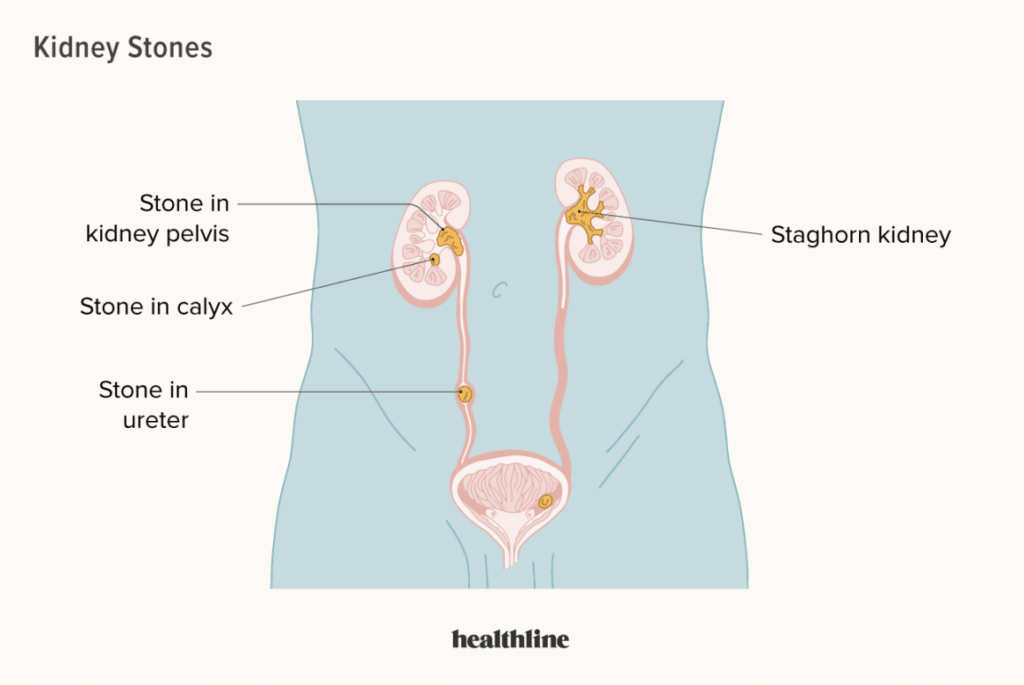
Kidney stones often cause noticeable symptoms when they pass through the urinary tract. The specific symptoms can vary depending on the location and size of the stone. Common symptoms of kidney stones include:
Intense Pain in the Back or Side
One of the primary symptoms of kidney stones is intense pain in the back or side. This pain, known as renal colic, often comes in waves and can be excruciating. It is typically caused by the stone obstructing the urinary tract, causing pressure and stretching of the surrounding tissues.
Blood in Urine
The presence of blood in the urine, known as hematuria, is another common symptom of kidney stones. The urine may appear pink, red, or brown due to the bleeding caused by the passage of the stone through the urinary tract.
Frequent Urination
Kidney stones can also lead to increased frequency of urination. You may find yourself needing to urinate more often than usual, which is often accompanied by a sense of urgency.
Cloudy or Foul-Smelling Urine
Kidney stones can affect the appearance and odor of your urine. If you notice that your urine appears cloudy or has a foul smell, it may be a sign of kidney stones.
Nausea and Vomiting
In some cases, kidney stones can cause nausea and vomiting. These symptoms may occur as a result of the intense pain or as a response to the obstruction of the urinary tract.
Diagnosis of Kidney Stones
To diagnose kidney stones, your healthcare provider will perform a thorough evaluation, which may include:
Physical Examination
Your healthcare provider will conduct a physical examination to check for signs of tenderness or swelling in your abdomen or lower back. These signs can indicate the presence of kidney stones.
Medical History
Providing your medical history is crucial in the diagnosis of kidney stones. Your healthcare provider will ask about your symptoms, family history, and any medical conditions or medications that may contribute to kidney stone formation.
Urinalysis
A urinalysis involves analyzing a urine sample to check for the presence of blood, crystals, or other substances that may indicate kidney stones. This test can help confirm the presence of kidney stones and provide insights into their composition.
Imaging Tests
Imaging tests, such as X-rays, ultrasound, or CT scans, can provide detailed images of your kidneys and urinary tract. These tests help identify the location and size of kidney stones, as well as any other abnormalities that may be contributing to your symptoms.
Blood Tests
Blood tests can help assess your kidney function and determine if any underlying medical conditions are contributing to the formation of kidney stones. These tests may include a complete blood count (CBC), electrolyte levels, and kidney function tests.
Types of Kidney Stones
Kidney stones can vary in composition, and understanding the type of stone you have is essential in determining the most appropriate treatment and prevention strategies. The most common types of kidney stones include:
Calcium Stones
Calcium stones are the most common type of kidney stones, accounting for approximately 80% of cases. These stones are primarily composed of calcium oxalate or calcium phosphate. Consuming excessive amounts of calcium-rich foods or having a high oxalate diet can increase the risk of developing calcium stones.
Struvite Stones
Struvite stones, also known as infection stones, typically develop as a result of urinary tract infections. These stones can grow rapidly and can be quite large. Treatment for struvite stones often involves addressing and treating the underlying infection.
Uric Acid Stones
Uric acid stones generally form in individuals with high uric acid levels in their urine. These stones can be influenced by factors such as diet, obesity, or certain medical conditions, such as gout or metabolic syndrome.
Cystine Stones
Cystine stones are rare and typically occur in individuals with a genetic disorder called cystinuria. This condition affects the transport of certain amino acids, leading to the formation of cystine stones.
Treatment Options for Kidney Stones
The appropriate treatment for kidney stones depends on factors such as the size, location, and composition of the stones, as well as the severity of your symptoms. Treatment options for kidney stones include:
Watchful Waiting
In cases where the stones are small and not causing any symptoms, your healthcare provider may recommend a watchful waiting approach. This involves monitoring the stones over time to ensure they do not grow or cause any complications. During this period, your healthcare provider may recommend lifestyle modifications and increased fluid intake to promote the natural passage of the stones.
Medication
Certain medications can help manage kidney stones effectively. These may include medications to control pain, reduce inflammation, or dissolve specific types of stones. Medications can be prescribed in conjunction with other treatment options or as a preventive measure for individuals prone to recurrent stone formation.
Fluid Intake
Increasing your fluid intake is crucial in the prevention and management of kidney stones. Adequate hydration helps dilute the urine, reducing the concentration of minerals and preventing the formation of stones. Your healthcare provider may recommend increasing your water intake and avoiding dehydration.
Extracorporeal Shock Wave Lithotripsy (ESWL)
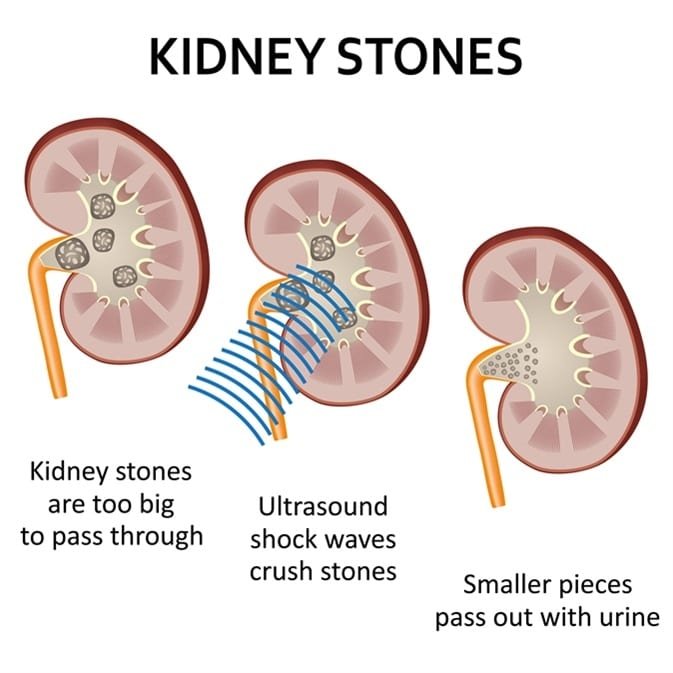
Extracorporeal Shock Wave Lithotripsy (ESWL) is a non-invasive procedure that uses shock waves to break down kidney stones into smaller fragments. These smaller fragments can then pass through the urinary tract more easily. ESWL is commonly used for smaller stones and may be performed on an outpatient basis.
Ureteroscopy
In cases where the stone is located in the ureter or closer to the bladder, your healthcare provider may recommend ureteroscopy. This procedure involves the insertion of a thin tube with a camera (ureteroscope) into the urethra and up into the urinary tract to locate and remove the stone. Ureteroscopy is often performed under general anesthesia.
Percutaneous Nephrolithotomy (PCNL)
Percutaneous Nephrolithotomy (PCNL) is a surgical procedure used to remove large or complex kidney stones. During this procedure, a small incision is made in your back, and a tube is inserted directly into your kidney to remove the stones. PCNL is typically performed under general anesthesia and may require a hospital stay.
Open Surgery
Open surgery is rarely needed for the treatment of kidney stones and is typically reserved for large stones that cannot be removed using less invasive methods. This procedure involves making a larger incision in your abdomen or side to access the kidney and remove the stones. Open surgery may require a more extended recovery period and a hospital stay.
Prevention of Kidney Stones
Preventing kidney stones is crucial to avoid the pain and discomfort associated with this condition. To reduce your risk of kidney stone formation, consider the following preventive measures:
Hydration
Adequate hydration is key in preventing kidney stones. Aim to drink at least 8 glasses of water or other fluids daily. If you live in a hot climate or engage in physical activities, you may need to increase your fluid intake further.
Dietary Changes
Adopting a healthy diet can significantly reduce your risk of developing kidney stones. Focus on consuming a variety of fruits, vegetables, whole grains, and low-fat dairy products. Limit your intake of high-oxalate foods, such as spinach, rhubarb, and beetroot, as well as foods high in sodium or animal protein.
Medication
Based on your individual risk factors and medical history, your healthcare provider may recommend specific medications to prevent kidney stone formation. These medications can help normalize urine levels of different minerals, reducing the likelihood of stone formation.
Lifestyle Modifications
Making certain lifestyle changes can also help prevent kidney stones. Avoid excessive consumption of alcohol and limit your intake of sugary beverages. Engage in regular exercise to maintain a healthy weight and manage conditions such as obesity or metabolic syndrome that can contribute to kidney stone formation.
Complications of Kidney Stones
If left untreated, kidney stones can lead to several complications. These may include:
Urinary Tract Infection (UTI)
The presence of a kidney stone can increase your risk of developing a urinary tract infection. Bacteria can become trapped in the urinary tract due to the obstruction caused by the stone, leading to infection. Recurrent UTIs can further complicate the management of kidney stones.
Blockage of the Ureter
A large stone or multiple stones may obstruct the ureter, which is the tube that connects the kidneys to the bladder. This blockage can cause severe pain and discomfort and may require immediate medical attention.
Kidney Damage
In certain cases, kidney stones can cause damage to the kidneys. This can occur due to blockage and subsequent impairment of kidney function. Prompt treatment and preventive measures are crucial in preventing long-term kidney damage.
Recurrent Kidney Stones
Once you have experienced kidney stones, your risk of developing them again increases. Taking appropriate preventive measures, such as lifestyle modifications and medication, can help reduce the likelihood of recurrent kidney stones.
Home Remedies for Kidney Stones
In addition to medical treatments, certain home remedies can help alleviate symptoms and prevent further stone formation. Consider the following home remedies:
Increasing Fluid Intake
Drinking plenty of fluids is one of the most effective ways to manage kidney stones at home. Water is the best choice, but other fluids like lemon water, herbal teas, and diluted fruit juices can also help improve hydration levels.
Taking Lemon Juice or Citrate Supplements
Lemon juice and citrate supplements can help prevent the formation of certain types of kidney stones, such as calcium oxalate stones. These remedies can increase urine citrate levels, which can inhibit stone formation.
Using Heat Therapy
Applying a heating pad or warm compress to the affected area can help alleviate pain and discomfort caused by kidney stones. Heat therapy can relax the muscles and promote blood circulation, providing temporary relief from symptoms.
Maintaining a Healthy Diet
Adopting a kidney-friendly diet can support the management of kidney stones. Focus on consuming foods that are low in oxalate and sodium while incorporating adequate amounts of calcium-rich foods. Consult with a healthcare provider or a registered dietitian for personalized dietary recommendations.
When to See a Doctor
While some mild symptoms of kidney stones may improve with home remedies, there are certain situations that warrant medical attention. Seek prompt medical attention if you experience:
Severe Pain
If you are experiencing severe, unrelenting pain in the back or side, it is crucial to seek immediate medical attention. Severe pain can indicate a significant obstruction or other complications that require medical intervention.
Persistent Symptoms
If your symptoms persist or worsen despite home remedies and self-care measures, it is essential to consult with a healthcare professional. They can evaluate your condition and recommend appropriate treatment options.
Fever and Chills
The presence of fever and chills may indicate a urinary tract infection or a more severe kidney-related infection. These symptoms should not be ignored and should be evaluated by a healthcare provider.
Difficulty Urinating
If you are unable to pass urine or are experiencing significant difficulty or pain while urinating, it is crucial to seek immediate medical attention. This could be a sign of a complete urinary tract blockage, which requires urgent intervention.
Conclusion
Kidney stones can cause significant pain and discomfort, but with proper understanding and management, they can be effectively treated and prevented. By following a healthy lifestyle, adopting a balanced diet, staying adequately hydrated, and seeking timely medical attention, you can minimize your risk of developing kidney stones and avoid complications associated with this condition. Remember to consult with a healthcare provider for personalized advice and recommendations based on your specific circumstances.