Are you one of the millions of people who suffer from knee pain? If so, you’re not alone. In this article, we will explore the various causes of knee pain and help you understand what may be behind your discomfort. Whether it’s due to injury, overuse, or underlying medical conditions, knowing the cause is the first step towards finding relief and improving your quality of life. So, let’s dive in and unravel the mystery behind knee pain!

Common Knee Pain Causes
Knee pain is a prevalent issue that affects many individuals, causing discomfort and hindering daily activities. Understanding the causes of knee pain is essential in order to relieve symptoms and prevent further damage. There are several common causes of knee pain, which can range from injury to structural abnormalities. By exploring these causes in detail, you can gain a better understanding of what may be causing your knee pain and take appropriate measures to address it.
Injury or Trauma
One of the leading causes of knee pain is injury or trauma. The knee joint is complex and susceptible to various types of injuries, such as sprains, strains, fractures, dislocations, and tears of tendons or ligaments. These injuries can occur due to accidents, falls, sports-related incidents, or sudden, forceful movements. If you have recently experienced any form of trauma to your knee, it is essential to seek medical attention for proper diagnosis and treatment.

Arthritis
Arthritis is another common cause of knee pain, especially among older individuals. There are different types of arthritis that can affect the knee joint, including osteoarthritis, rheumatoid arthritis, post-traumatic arthritis, gout, and septic arthritis. Osteoarthritis is the most common form, characterized by the degeneration of cartilage within the joint. Rheumatoid arthritis, on the other hand, is an autoimmune disorder that causes inflammation and damage to the joint. If you suspect that arthritis may be causing your knee pain, it is crucial to consult with a healthcare professional for an accurate diagnosis and appropriate treatment plan.
Overuse or Repetitive Stress
Overuse or repetitive stress on the knee joint is a common cause of pain, particularly among athletes and individuals who engage in activities that place repetitive strain on the knees. Running, jogging, jumping, landing, cycling, and knee-dominant sports can all contribute to knee pain when performed excessively or with poor form. Additionally, certain occupational activities that require repetitive knee movements can also lead to overuse injuries. It is important to listen to your body and give it adequate rest and recovery to prevent or alleviate knee pain caused by overuse.
Muscle Imbalances
Muscle imbalances can also contribute to knee pain. When certain muscles surrounding the knee joint are weak or tight compared to their counterparts, it can disrupt the proper movement and alignment of the joint, leading to pain. Common muscle imbalances associated with knee pain include quadriceps dominance, hamstring weakness, hip weakness, calf weakness, and weak glutes. Strengthening and stretching exercises targeted at these muscles can help correct imbalances and reduce knee pain. Consulting with a physical therapist or exercise professional can provide guidance on specific exercises that can address muscle imbalances.
Ligament or Meniscus Tears
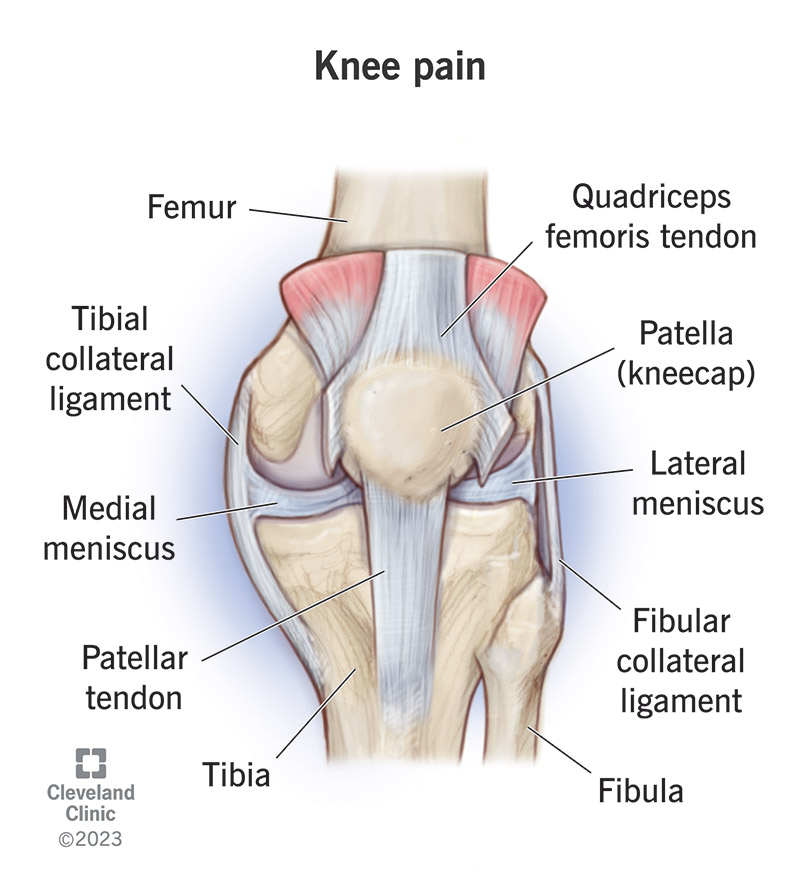
Tears in the ligaments or meniscus of the knee joint can cause significant knee pain. The anterior cruciate ligament (ACL) and medial collateral ligament (MCL) are particularly prone to tears, often occurring during sports activities or sudden, twisting movements. A meniscus tear, which involves the cartilage in the knee, can also lead to knee pain. These types of injuries typically require medical intervention, including physical therapy or surgical repair, depending on the severity of the tear. If you suspect a ligament or meniscus tear, it is crucial to consult with a healthcare professional for proper diagnosis and treatment.

Excess Weight
Excess weight can place additional pressure on the knees, leading to knee pain and discomfort. The knee joint carries the body’s weight, and any excess pounds can intensify this load, causing wear and tear on the joint. Cartilage damage and inflammation can occur as a result, contributing to knee pain. If you are overweight or obese, losing weight can help alleviate knee pain and reduce the risk of further damage to the joint. Incorporating a combination of healthy eating habits and regular exercise, such as low-impact activities, can support weight loss and improve knee health.
Poor Footwear
The footwear you choose to wear can have a significant impact on your knee health. Poorly fitting shoes, lack of cushioning, and inadequate arch support can all contribute to knee pain. Ill-fitting shoes can alter your gait and place excessive strain on the knees, while inadequate cushioning fails to absorb shock effectively. Additionally, improper arch support can disrupt the alignment of the feet, leading to knee pain. Worn-out shoes also lose their ability to provide proper support and cushioning. Investing in well-fitting shoes with adequate cushioning and arch support can help prevent knee pain and promote overall foot and knee health.

Incorrect Form during Exercise
Incorrect form during exercise, particularly exercises that involve the knees, can contribute to knee pain. Improper squat technique, lunge technique, and running form can place unnecessary stress on the knees, leading to pain and discomfort. Inadequate warm-up or cool-down routines and excessive training intensity can also contribute to knee pain. It is essential to learn and practice proper exercise techniques, gradually increase training intensity, and incorporate sufficient warm-up and cool-down routines to minimize the risk of knee pain. Consulting with a certified fitness professional or physical therapist can provide guidance on proper exercise form and intensity.
Structural Abnormalities
Structural abnormalities of the knee joint can be an underlying cause of knee pain. Patellofemoral pain syndrome, bursitis, iliotibial (IT) band syndrome, patellar tendinitis, and chondromalacia patellae are all conditions associated with structural abnormalities. Patellofemoral pain syndrome, for example, occurs when the patella (kneecap) does not properly track within the femoral groove, resulting in pain and discomfort. Bursitis involves inflammation of the bursa, small fluid-filled sacs that cushion the joint, while IT band syndrome affects the connective tissues on the outside of the knee. Specific treatments for structural abnormalities depend on the nature and severity of the condition and may include physical therapy, medication, or in some cases, surgery.
In conclusion, knee pain can stem from various causes, ranging from injury and arthritis to overuse and structural abnormalities. It is essential to identify the underlying cause of your knee pain to receive appropriate treatment and prevent further damage. Consulting with a healthcare professional, such as a doctor or physical therapist, can help diagnose the cause of your knee pain and develop a personalized treatment plan. Additionally, practicing proper exercise form, maintaining a healthy weight, wearing appropriate footwear, and addressing muscle imbalances can all contribute to maintaining good knee health and preventing knee pain. Remember to listen to your body, incorporate adequate rest and recovery, and seek professional guidance when needed to ensure the well-being of your knees.