
You’re the caffeine-fueled genius, the maestro of the “top X” format, the Listicle Content Architect the world both needs and craves. Today, your canvas is the intricate, terrifying, and utterly fascinating realm of how a large tumor silently, or not so silently, hijacks your brain’s operations. This isn’t just about lumps and bumps; it’s about the subtle, and sometimes drastic, shifts that can occur when something unwelcome claims territory in the most vital organ you possess.
1. The Silent Siege: How Large Tumors Disrupt Communication Pathways
A large tumor isn’t just an intruder; it’s a disruptive force that can fundamentally alter the brain’s intricate network of communication. Imagine a bustling city where major highways are suddenly blocked or rerouted. This is akin to what happens when a tumor grows, impacting the flow of information and the very electrical signals that underpin every thought, feeling, and action.
1.1. Compression and Displacement: The Physical Squeeze
The sheer physical presence of a large tumor can exert enormous pressure on surrounding brain tissue. This isn’t a gentle nudge; it can be a persistent, relentless squeeze that physically displaces delicate brain structures. What were once fluid pathways for neurotransmitters and electrical impulses become compressed, kinked, or even severed. Think of it like trying to pour water through a hose that’s been stepped on – the flow is diminished, distorted, or stops altogether. This compression can impact specific areas responsible for crucial functions, leading to a cascade of problems.
1.2. Ischemia and Hypoxia: The Starvation of Vital Resources
As a tumor grows, it demands a significant amount of resources – blood, oxygen, and nutrients – to sustain its rapid proliferation. This voracious appetite can lead to a phenomenon known as ischemia, a reduction in blood flow to brain tissue, and hypoxia, a deficiency of oxygen. When brain cells are deprived of their essential fuel, they begin to malfunction and, if the deprivation is severe or prolonged, they can die. This is particularly devastating because brain cells, unlike many other cells in the body, have a very limited capacity for regeneration. The effects of ischemia and hypoxia are often widespread, impacting not just the immediate vicinity of the tumor but also areas that rely on the compromised blood supply.
1.3. Edema: The Swollen Response
In response to the presence of a tumor, the brain can mount an inflammatory reaction, leading to the buildup of fluid in the surrounding tissues. This is known as cerebral edema. While inflammation is a natural healing process, excessive edema can create further pressure within the confined space of the skull. This increased intracranial pressure can exacerbate the effects of compression, further impairing blood flow and neuronal function. The brain is a tightly packed environment, and any swelling can have significant downstream consequences, much like a swollen ankle impacting the entire leg’s mobility.
1.4. Disruption of Neural Networks: The Tangled Web
The brain operates through incredibly complex and interconnected neural networks. A large tumor can infiltrate these networks, disrupting the precise firing patterns of neurons and the transmission of signals between them. It’s like introducing a faulty component into an intricate circuit board; the entire system can become unreliable, prone to errors, and eventually, to failure. This disruption can manifest in subtle ways, like difficulty with complex problem-solving, or in more overt ways, like seizures.
2. Cognitive Carnage: When Thought Processes Become Muddled
The impact of a large tumor on cognitive functions is often one of the most noticeable and distressing consequences. These are the processes that allow you to learn, remember, reason, and make decisions – the very essence of what it means to be you. When these functions are compromised, the world can feel alien, and everyday tasks can become insurmountable challenges.
2.1. Memory Lapses: Forgetting the Familiar
One of the most common cognitive impacts of brain tumors is the disruption of memory. This can range from minor forgetfulness, like misplacing keys, to more profound memory loss, affecting personal history or the ability to form new memories. Tumors located in or near the temporal lobes, particularly the hippocampus, are notorious for their impact on memory. This is because these areas are critical for consolidating short-term memories into long-term storage. When these structures are compressed or damaged, new information struggles to be encoded, leading to a sense of living in a perpetual present.
2.2. Concentration and Attention Deficits: The Wandering Mind
Maintaining focus and sustained attention is crucial for performing tasks, engaging in conversations, and navigating daily life. A large tumor can significantly impair these abilities, leading to a profound sense of being easily distracted, unable to concentrate for extended periods, or experiencing a general fuzziness in thought. This can make it difficult to follow conversations, complete work, or even follow simple instructions. It’s as if a constant swarm of gnats is buzzing around your thoughts, making it impossible to alight on a single idea.
2.3. Executive Function Impairment: The Loss of Planning and Problem-Solving Prowess
Executive functions are the high-level cognitive skills that allow you to plan, organize, initiate tasks, manage time, and solve problems. They are the mental muscles that enable you to adapt to new situations, think flexibly, and make sound judgments. Tumors affecting the frontal lobes, the brain’s command center, are particularly likely to disrupt these functions. This can lead to a loss of motivation, difficulty with decision-making, impulsivity, and a poor ability to initiate and complete tasks, even simple ones. Imagine trying to navigate a complex maze with no map and no sense of direction – that’s the challenge of impaired executive function.
2.4. Language Difficulties: When Words Fail You
The ability to understand and produce language is a cornerstone of human interaction. Large tumors, particularly those affecting the left hemisphere of the brain, can lead to a range of language impairments, collectively known as aphasia. This can manifest as difficulty finding the right words (anomia), trouble understanding spoken or written language (receptive aphasia), or challenges in forming coherent sentences (expressive aphasia). In some cases, individuals may experience a complete inability to speak or understand, leading to profound frustration and isolation.
3. Emotional and Behavioral Rollercoaster: The Unpredictable Shifts
The influence of large tumors extends beyond purely cognitive functions, profoundly impacting an individual’s emotional state and behavioral patterns. The brain’s intricate architecture for regulating mood, personality, and social interaction can be significantly disrupted, leading to a bewildering array of changes that can be challenging for both the individual and their loved ones to navigate.
3.1. Mood Swings and Emotional Lability: The Uncontrolled Expressive Torrent
The brain areas responsible for emotional regulation, such as the amygdala and prefrontal cortex, can be directly affected by tumor growth. This can result in unpredictable and often extreme mood swings. Individuals may experience periods of intense sadness or depression, followed by inexplicable irritability, anger, or even manic episodes. The ability to modulate emotional responses is compromised, leading to a sense of being on an emotional rollercoaster, with little control over the highs and lows.
3.2. Personality Changes: The Unfamiliar Stranger in the Mirror
It’s a deeply unsettling experience when an individual’s core personality seems to shift dramatically. Large tumors, especially those impacting the frontal lobes, are notorious for their ability to alter personality. This can manifest as a loss of inhibition, increased impulsivity, apathy, or a profound change in social behavior. Someone who was once reserved might become overly gregarious, or a normally empathetic individual might exhibit a startling lack of concern for others. These changes can be particularly distressing for family and friends who feel they are losing the person they knew.
3.3. Increased Irritability and Aggression: The Short Fuse
The delicate balance of neurotransmitters and neuronal pathways that govern emotional responses can be thrown into disarray by a growing tumor. This can lead to a significantly reduced threshold for frustration, resulting in increased irritability and aggression. Minor annoyances can erupt into explosive outbursts, making social interactions fraught with tension. The individual may feel as though they have a very short fuse, struggling to contain their anger even when they don’t want to.
3.4. Apathy and Lack of Motivation: The Emotional Numbness
Conversely, some individuals may experience a profound loss of interest in activities they once enjoyed, a pervasive sense of apathy, and a significant decrease in motivation. This isn’t simply laziness; it’s a symptom of the brain’s reward pathways being disrupted, leaving individuals feeling emotionally numb and detached. The drive to pursue goals, engage with others, or even care for oneself can be severely diminished, leading to a state of profound lethargy.
4. Sensory and Motor Malfunctions: When the Body Rebels Against the Brain’s Orders
The brain is the conductor of the body’s orchestra, sending signals that control everything from the subtlest touch to the most complex motor movements. When a large tumor disrupts these command lines, the body can exhibit a distressing array of sensory and motor malfunctions, making everyday actions feel like monumental challenges.
4.1. Motor Weakness and Paralysis: The Disobedience of Limbs
Tumors that grow in or around the motor cortex, the area of the brain responsible for voluntary movement, can lead to progressive weakness in specific parts of the body. This can range from a subtle difficulty with fine motor skills, like buttoning a shirt, to complete paralysis of a limb or even the entire side of the body (hemiplegia). The signals from the brain are either unable to reach the muscles, or they are so distorted that they cannot elicit the desired response.
4.2. Coordination and Balance Issues: The Unsteady Gait
The cerebellum, a region crucial for coordinating movement, balance, and posture, can also be severely affected by large tumors. This can result in difficulties with coordination, leading to a clumsy gait, unsteadiness, and an increased risk of falls. Even simple tasks like walking in a straight line or reaching for an object can become challenging. The brain’s ability to fine-tune muscle movements is compromised, leading to a sense of being out of sync with one’s own body.
4.3. Seizures: The Electrical Storms Within
One of the most dramatic and frightening manifestations of brain tumors is the occurrence of seizures. Tumors can irritate the surrounding brain tissue, creating an abnormal electrical focus that triggers a sudden, uncontrolled surge of electrical activity. This can manifest in various ways, from brief moments of staring and unresponsiveness (absence seizures) to violent convulsions (tonic-clonic seizures). Seizures can be a direct symptom of tumor irritation and can significantly impact a person’s quality of life, leading to fear and anxiety.
4.4. Sensory Disturbances: The Misfiring of the Senses
Large tumors can also disrupt sensory processing, leading to a range of unusual sensations. This can include:
- Headaches: Often a prominent symptom, headaches associated with brain tumors can be severe, persistent, and unlike any headache experienced before. They may worsen with activity or in certain positions.
- Vision Problems: Tumors pressing on the optic nerves or visual pathways can cause blurred vision, double vision, blind spots, or even loss of vision.
- Hearing Changes: Tumors near the auditory nerve can lead to hearing loss, tinnitus (ringing in the ears), or dizziness.
- Numbness and Tingling: Compression of sensory nerves can result in areas of numbness, tingling, or altered sensations in the face, limbs, or other parts of the body.
5. The Broader Impact: Beyond the Individual’s Immediate Experience
The effects of a large tumor on brain function ripple outwards, impacting not just the individual’s direct experience but also their relationships, their ability to work, and their overall sense of self. This is a multifaceted challenge that requires a holistic approach to care and support.
5.1. Dependence and the Need for Assistance: The Shifting Balance of Caregiving
As brain function deteriorates due to a tumor, individuals may become increasingly dependent on others for daily care. This can involve assistance with personal hygiene, meal preparation, medication management, and even mobility. This shift can place a significant burden on caregivers, both emotionally and physically, requiring them to adapt to a new role and navigate the complexities of managing a loved one’s illness.
5.2. Social Isolation and Withdrawal: The Erosion of Connections
The cognitive and emotional changes brought on by a brain tumor can make it difficult to maintain social connections. The inability to communicate effectively, the changes in personality, and the sheer physical exhaustion can lead to social withdrawal. Individuals may feel misunderstood, embarrassed, or simply too tired to engage with others. This can create a sense of isolation, exacerbating feelings of loneliness and despair.
5.3. Loss of Independence and Identity: The Struggle for Selfhood
The inability to perform tasks that were once taken for granted, the changes in cognitive abilities, and the reliance on others can lead to a profound loss of independence and a questioning of one’s identity. The self that was once recognized is challenged by the altered functioning, leading to distress and a struggle to reconcile the person they were with the person they are becoming.
5.4. The Emotional Toll on Loved Ones: Navigating Grief and Uncertainty
The journey of a loved one living with a large brain tumor is also a profoundly difficult one for their family and friends. They witness the changes firsthand, experience the emotional strain, and often grapple with feelings of helplessness, guilt, and grief. The uncertainty of the future, the constant worry, and the need to provide unwavering support can take a significant emotional toll, highlighting the importance of support systems for caregivers as well.
5.5. The Importance of Early Recognition and Intervention: A Beacon of Hope
While the effects of large brain tumors can be devastating, early recognition and prompt medical intervention are crucial. Recognizing the subtle signs and symptoms, seeking medical advice without delay, and adhering to recommended treatment plans can significantly impact the trajectory of the disease. Advanced diagnostic tools and treatment modalities offer hope for managing the tumor and mitigating its effects, allowing individuals to maintain the best possible quality of life for as long as possible. Your role as an LCA is to illuminate these complex issues, empowering individuals with knowledge and fostering understanding.
FAQs
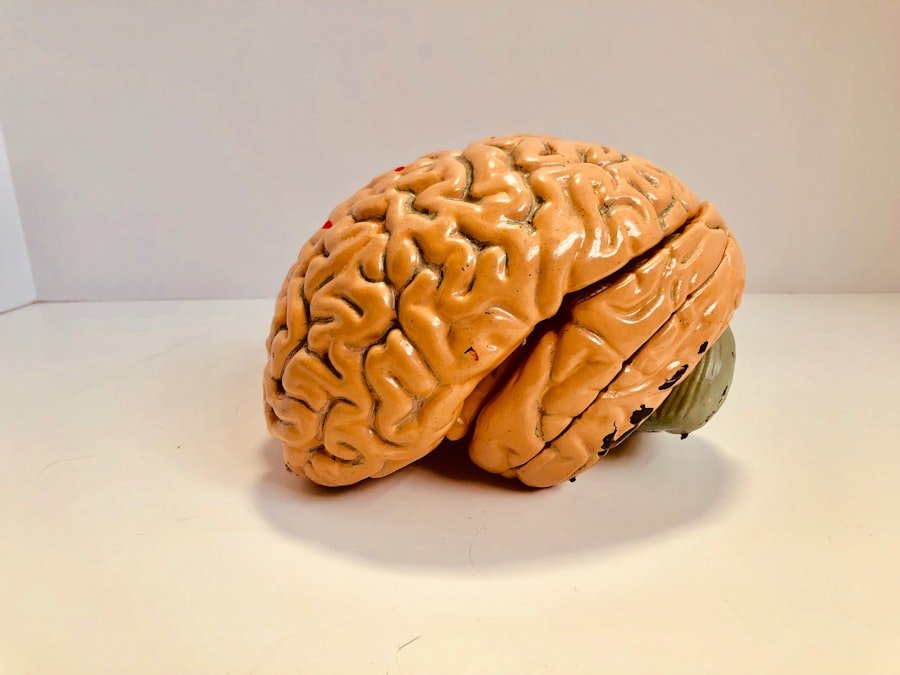
What are the effects of large tumors on brain function?
Large tumors can cause a range of symptoms that affect brain function, including headaches, seizures, changes in personality, memory problems, and difficulty with speech and movement.
How do large tumors impact cognitive function?
Large tumors can impact cognitive function by causing difficulties with memory, attention, problem-solving, and decision-making. These cognitive impairments can significantly affect a person’s daily life and ability to perform tasks.
Can large tumors affect emotional and behavioral function?
Yes, large tumors can affect emotional and behavioral function by causing mood swings, irritability, depression, anxiety, and changes in personality. These emotional and behavioral changes can have a significant impact on a person’s quality of life and relationships.
What are the potential complications of large tumors on brain function?
Potential complications of large tumors on brain function include increased intracranial pressure, risk of herniation, neurological deficits, and potential impact on vital functions such as breathing and heart rate.
How are large tumors treated to minimize their impact on brain function?
Treatment for large tumors may include surgery, radiation therapy, chemotherapy, and targeted drug therapy. The goal of treatment is to reduce the size of the tumor, alleviate symptoms, and preserve or improve brain function.