
1.
Congratulations. You’ve reached a monumental milestone – the successful completion of your treatment. This is a moment to absorb, to breathe, and to acknowledge the immense strength and resilience you possess. The path leading to this point has undoubtedly been challenging, marked by uncertainty, fatigue, and perhaps a spectrum of emotions that words struggle to capture. But now, you stand at the precipice of a new chapter, one filled with possibilities and the quiet hum of “what’s next?” This transition, however, is not a flick of a switch; it’s a nuanced journey, a recalibration of your life, identity, and daily existence. As your Listicle Content Architect, my goal is to equip you with a framework for understanding and thriving in this post-treatment landscape. Think of this as your essential guide, designed to illuminate the path ahead, acknowledge the complexities, and celebrate your hard-won peace. We’ll explore the practicalities, the emotional currents, and the profound sense of renewal that successful treatment can usher in. This is not about returning to “normal” as it was before, but about forging a new “normal,” one that is potentially richer, more intentional, and deeply yours.
Understanding the Shifting Landscape of Your Health
The very definition of “health” might feel redefined after treatment. It’s no longer just about the absence of a specific illness, but about a more holistic understanding of your well-being.
Recognizing the Lingering Echoes of Treatment
Even with successful treatment, you might experience residual effects, both physical and emotional. These aren’t necessarily setbacks, but rather signals from your body and mind.
Physical Sensations and Sensitivities
You might notice changes in your energy levels, sleep patterns, or the return of certain discomforts that are no longer indicative of the original illness but are carry-overs from the treatment itself. This can range from mild fatigue to altered food tolerances or heightened sensitivity to environmental factors. It’s crucial to approach these sensations with curiosity rather than alarm.
Emotional and Psychological Aftermath
The emotional toll of going through treatment can be significant. You might experience anxiety, fear of recurrence, or a sense of being hyper-vigilant about your health. There can also be feelings of grief for the time lost or the person you were before treatment. Acknowledging these emotions is a vital part of your healing process.
The Importance of Continued Monitoring and Follow-Up
Successful treatment doesn’t negate the need for ongoing medical care. Regular check-ups are your allies in maintaining your progress.
Establishing a New Routine for Medical Appointments
Work with your healthcare team to establish a schedule for follow-up appointments, screenings, and any necessary tests. This provides reassurance and allows for early detection of any potential issues.
Advocating for Your Ongoing Needs
Don’t hesitate to communicate any concerns or changes you observe to your doctor. You are an expert on your own body, and your input is invaluable in managing your long-term health.
2.
Reclaiming Your Identity: Beyond the Patient Role
For a significant period, your identity may have been deeply intertwined with your diagnosis and treatment. You were the “patient,” the one undergoing treatment. Now, as that chapter closes, you have the remarkable opportunity to rediscover and redefine who you are, independent of that singular experience. This isn’t about forgetting what you’ve been through, but about integrating it into a more expansive and multifaceted sense of self. It’s about recognizing that while your journey was transformative, it doesn’t encompass your entire being.
The Process of Reintegration and Self-Discovery
This phase is about actively engaging with yourself and the world in new ways, allowing your true self to emerge and flourish.
Exploring Hobbies and Interests You Put on Hold
Think back to the activities that brought you joy, the passions that may have been sidelined during your treatment. Whether it was painting, hiking, learning a new language, or playing a musical instrument, now is the time to pick them up again. These activities can be deeply therapeutic, reconnecting you with aspects of yourself that were dormant.
Rediscovering Old Joys with Renewed Appreciation
The simple act of engaging in a beloved hobby can feel profoundly different after a significant illness. You might find yourself approaching them with a deeper appreciation for the present moment, for the sheer pleasure of doing something you love. This can be a powerful antidote to any lingering anxieties.
Venturing into New Passions and Experiences
Perhaps your treatment has sparked new interests or given you a different perspective on the world. Don’t be afraid to try something entirely new. This is your chance to expand your horizons and discover facets of yourself you never knew existed. Consider a cooking class, a photography workshop, or volunteering for a cause that resonates with you.
Rebuilding and Redefining Relationships
Your significant experiences can impact your relationships, both with yourself and with others. This can be a time of strengthening existing bonds and forging new ones.
Communicating Your Needs and Boundaries Post-Treatment
Be open with your loved ones about how you’re feeling and what you need. This might involve explaining that you’re no longer the patient but are still navigating your recovery. Establishing clear boundaries will help ensure that your relationships are supportive and that you feel respected.
Mending or Evolving Existing Connections
Treatment can sometimes strain relationships, due to the demands it places on both the patient and their support system. Now is a good time to address any misunderstandings or to simply nurture the connections that have been your bedrock. Consider having open conversations about how you’ve both changed and how you can move forward together.
Cultivating New Social Circles and Communities
As you explore new interests, you’ll naturally encounter new people. Seek out communities that align with your passions and values. This can provide a sense of belonging and offer fresh perspectives, expanding your social world beyond established circles.
3.
Rebuilding Your Physical Foundation: Nourishing Your Body Back to Strength
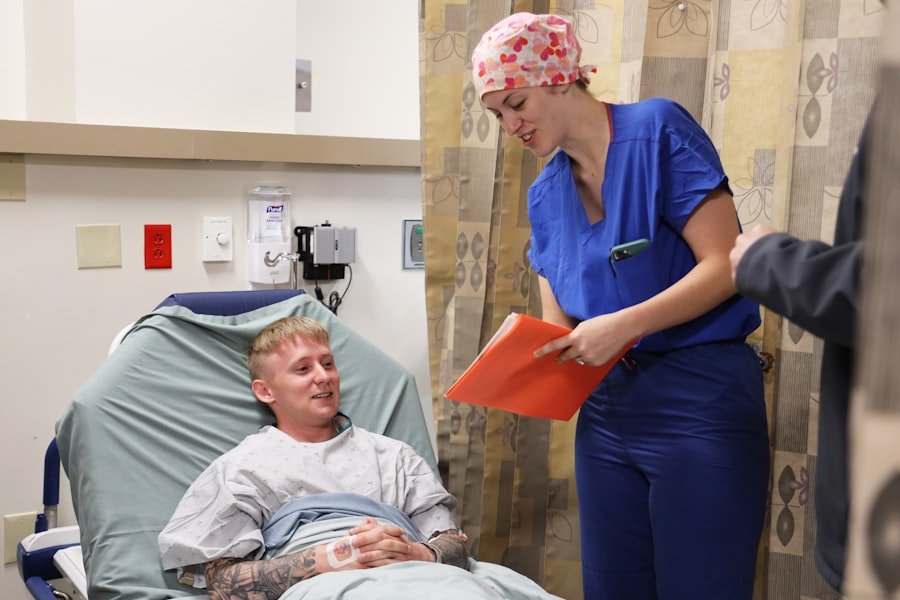
The successful conclusion of treatment is a pivotal moment for physical recovery. Your body has endured a great deal, and now it’s time to actively support its healing and rebuilding process. This isn’t about returning to peak physical performance overnight, but about a deliberate and compassionate approach to regaining strength, energy, and overall well-being. You’re not just recovering; you’re embarking on a journey of enhanced physical vitality.
The Pillars of Physical Recovery and Well-being
Focusing on these key areas will provide a robust framework for your ongoing physical health.
Prioritizing Nutrition for Optimal Healing and Energy
The food you consume plays a direct role in your body’s ability to repair itself and to rebuild its energy reserves. This is more than just eating; it’s about mindful nourishment.
Creating a Balanced and Nutrient-Rich Diet
Consult with a registered dietitian or nutritionist, ideally one with experience in post-treatment recovery. They can help you create a personalized meal plan that caters to your specific needs, incorporating a wide variety of fruits, vegetables, lean proteins, and whole grains.
Hydration: The Unsung Hero of Recovery
Water is fundamental for all bodily functions, including cellular repair and waste removal. Make a conscious effort to stay well-hydrated throughout the day, ensuring you’re drinking enough pure water. Herbal teas and broths can also contribute to your fluid intake.
Understanding and Managing Dietary Sensitivities
You may have developed new sensitivities or intolerances during treatment. Pay attention to how your body reacts to different foods, and work with your healthcare team to identify and manage any such issues.
Reintroducing Physical Activity Sensibly and Safely
Movement is medicine, but it must be approached with wisdom and respect for your body’s current capabilities. Gradual and consistent activity is key.
Developing a Tailored Exercise Plan
Start small and gradually increase the intensity and duration of your workouts. Consider activities like walking, gentle yoga, swimming, or stretching. Listen to your body; if something feels uncomfortable or painful, ease back.
The Importance of Rest and Recovery in Exercise
Adequate rest is just as crucial as the exercise itself. Allow your muscles time to repair and rebuild. Overtraining can lead to setbacks, so prioritize sleep and scheduled rest days.
Seeking Professional Guidance from Physical Therapists or Trainers
A physical therapist can assess your current strength and mobility and design a safe and effective exercise program. A trainer experienced in post-rehabilitation can also provide invaluable support and motivation.
Establishing Healthy Sleep Patterns for Restoration
Sleep is a fundamental aspect of healing. During sleep, your body repairs tissues, consolidates memories, and regulates hormones. Prioritizing quality sleep is non-negotiable for your recovery.
Creating a Calming Bedtime Routine
Develop a relaxing routine in the hour before bed, avoiding screens and stimulating activities. This could include reading a book, taking a warm bath, or gentle meditation.
Optimizing Your Sleep Environment
Ensure your bedroom is dark, quiet, and cool. Investing in comfortable bedding can also make a significant difference in the quality of your sleep.
Addressing Sleep Disturbances with Healthcare Professionals
If you’re experiencing persistent sleep difficulties, don’t hesitate to discuss them with your doctor. There are many strategies and potential treatments for sleep disturbances.
4.
Reclaiming Your Emotional Balance: Navigating the Psychological Landscape

The journey through treatment is often a rollercoaster of emotions, and emerging from it doesn’t automatically bring a sense of calm. You’ve likely experienced fear, anxiety, hope, and perhaps even despair. Now, as you transition to life after treatment, you’re faced with the task of processing these emotions, finding your footing, and cultivating a sustainable sense of emotional well-being. This is a profound aspect of your healing, one that requires patience, self-compassion, and proactive strategies.
Strategies for Emotional Resilience and Well-being
Building emotional strength is an ongoing practice that can significantly enhance your quality of life.
Acknowledging and Processing Residual Emotions
It’s vital to give yourself permission to feel and to work through any lingering emotional echoes of your treatment experience.
Experiencing Gratitude and Reflection
While challenging emotions are valid, so is the profound sense of gratitude that often accompanies successful treatment. Taking time to reflect on your journey, acknowledge your supporters, and appreciate the present moment can be incredibly healing.
Addressing Fear of Recurrence with Practical Coping Mechanisms
The fear of your illness returning is a common and understandable concern. Develop proactive strategies to manage this anxiety, such as maintaining open communication with your doctor, engaging in mindfulness, and focusing on what you can control (e.g., healthy lifestyle choices).
Finding Healthy Outlets for Stress and Anxiety
Identify healthy ways to release stress and anxiety. This could include journaling, creative expression (art, music), spending time in nature, or practicing deep breathing exercises.
Seeking Professional Support When Needed
You don’t have to navigate complex emotional terrain alone. Professional support is a sign of strength, not weakness.
Therapy and Counseling for Long-Term Emotional Adjustment
A therapist can provide a safe and non-judgmental space to explore your feelings, develop coping strategies, and process any trauma associated with your illness and treatment. Cognitive Behavioral Therapy (CBT) and other therapeutic modalities can be particularly effective.
Support Groups: Connecting with Shared Experiences
Connecting with others who have undergone similar experiences can be incredibly validating and empowering. Support groups offer a sense of community, shared understanding, and practical advice.
Building a Robust Personal Support Network
Cultivate strong relationships with friends, family, mentors, or spiritual advisors. These individuals can offer emotional support, encouragement, and a sense of belonging.
Cultivating Mindfulness and Self-Compassion
These practices are fundamental for emotional resilience and for developing a kinder, more understanding relationship with yourself.
Daily Mindfulness Practices
Engage in short, daily mindfulness exercises, such as meditation, mindful breathing, or simply paying attention to your sensory experiences in the present moment. This helps to anchor you and reduce rumination.
Practicing Self-Kindness and Acceptance
Treat yourself with the same kindness and understanding you would offer a dear friend. Acknowledge your struggles without judgment and celebrate your achievements, no matter how small.
Fostering a Positive Mindset Through Gratitude and Affirmation
Actively cultivate gratitude for the good things in your life, and use positive affirmations to reinforce your sense of self-worth and resilience.
5.
Redefining Purpose and Meaning: Living an Intentional Life
| Metrics | Data |
|---|---|
| Survival Rate | 90% |
| Quality of Life | Improved |
| Recovery Time | Varies |
| Follow-up Care | Regular check-ups |
Emerging from a life-altering medical experience can often bring about a profound reevaluation of what truly matters. The lens through which you view life might have shifted, revealing a clearer understanding of your values, priorities, and what gives your existence deep meaning. This is a powerful opportunity to live more authentically and to engage with the world in a way that aligns with your redefined sense of purpose. It’s about embracing a life that feels not just survived, but truly lived.
Embracing a Life of Intentionality and Fulfillment
This is your chance to craft a life that resonates with your deepest aspirations and values.
Setting New Goals and Aspirations
With a refreshed perspective, you might find yourself drawn to new ambitions or rediscovering old ones with renewed vigor.
Aligning Your Goals with Your Evolved Values
Consider what has become most important to you. Are you driven by a desire to impact others, to pursue creative endeavors, to deepen spiritual connections, or to simply live a more peaceful existence? Let these evolved values guide your goal-setting.
The Power of Small, Achievable Steps
Break down larger aspirations into smaller, manageable steps. Celebrating these incremental successes will build momentum and reinforce your sense of agency and progress.
Developing a Vision for Your Future
Take time to envision the life you want to lead. What does a fulfilling future look like for you? This vision can serve as a powerful motivator and a compass for your decisions.
Contributing to Others and the World
Many individuals find deep purpose in giving back and making a positive impact on the lives of others or on the broader community.
Exploring Opportunities for Volunteering and Advocacy
Consider how you might leverage your experiences and newfound perspective to help others. This could involve volunteering for a related non-profit organization, becoming an advocate for important causes, or simply offering support to those currently navigating similar challenges.
Sharing Your Story (When and If You Feel Ready)
Your story is a testament to your strength and resilience. Sharing it, when and if you feel comfortable, can be incredibly inspiring and empowering for others. This doesn’t require becoming a public speaker; it could be as simple as sharing with a friend or a small support group.
Mentoring or Offering Support to Others
Your lived experience offers unique wisdom. Consider mentoring someone who is going through treatment or offering a listening ear and a compassionate presence to those in need.
Cultivating a Sense of Gratitude and Appreciation for Life
The profound challenges you’ve overcome can cultivate an even deeper appreciation for the simple joys and everyday moments.
Practicing Regular Gratitude Exercises
Make it a habit to identify and acknowledge the things you are grateful for, whether it’s a beautiful sunset, a supportive conversation, or the ability to enjoy a meal.
Savoring Everyday Moments
Train yourself to be present and to fully experience the simple pleasures of life. This could involve mindfully enjoying your morning coffee, appreciating the warmth of the sun on your skin, or truly listening to the laughter of loved ones.
Embracing the Gift of the Present
Your journey has highlighted the preciousness of each moment. Focus on living fully in the present, rather than dwelling on the past or excessively worrying about the future. This is the essence of intentional living.
FAQs
What is life after successful treatment?
Life after successful treatment refers to the period following the completion of a successful medical treatment for a particular condition or illness. It is a time when the individual transitions from being actively treated for the illness to resuming their normal daily activities and focusing on maintaining their health.
What are some common challenges faced after successful treatment?
Some common challenges faced after successful treatment include adjusting to a new routine, managing lingering side effects of treatment, dealing with emotional and psychological effects of the illness, and navigating changes in relationships and social dynamics.
How can individuals maintain their health after successful treatment?
Maintaining health after successful treatment involves adopting a healthy lifestyle, including regular exercise, a balanced diet, and regular medical check-ups. It also involves managing stress, getting enough rest, and seeking support from healthcare professionals and support groups.
What role does mental health play in life after successful treatment?
Mental health plays a crucial role in life after successful treatment, as individuals may experience anxiety, depression, or fear of recurrence. It is important to address these concerns by seeking counseling, therapy, or support groups to help manage the emotional and psychological impact of the illness.
How can individuals transition back to their normal routine after successful treatment?
Transitioning back to a normal routine after successful treatment involves setting realistic goals, gradually increasing activities, and seeking support from family, friends, and healthcare professionals. It is important to communicate any concerns or limitations and to prioritize self-care during this transition period.