
Living with Bone Tumors gives you an insightful glimpse into the lives of individuals coping with this challenging condition. This article sheds light on the physical and emotional aspects of battling bone tumors, exploring the resilience, support, and hope that accompany such journeys. Discover the stories of those living with bone tumors and gain a deeper understanding of their experiences, in order to foster empathy and offer a helping hand to those facing similar struggles.
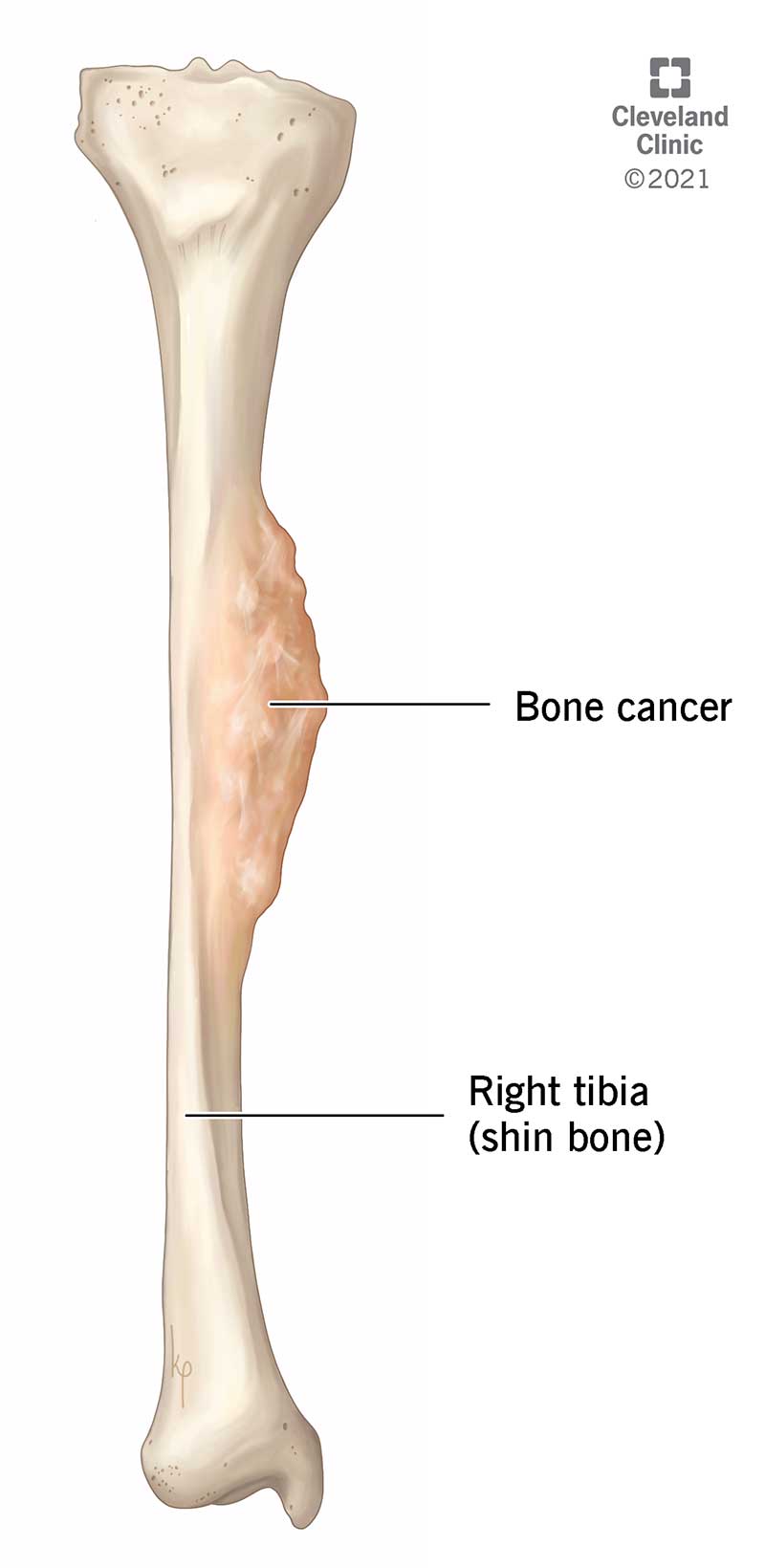
Types of Bone Tumors
Benign Bone Tumors
Benign bone tumors are non-cancerous growths that occur in the bones. While they can still cause discomfort and complications, they do not invade nearby tissues or spread to other parts of the body. Common types of benign bone tumors include osteochondroma, osteoid osteoma, and enchondroma. These tumors are usually slow-growing and have a low risk of becoming malignant.
Malignant Bone Tumors
Malignant bone tumors, also known as bone cancer, are cancerous growths that develop in the bone. Unlike benign tumors, malignant tumors can invade nearby tissues and metastasize to other parts of the body, making them more dangerous. The most prevalent types of malignant bone tumors are osteosarcoma, Ewing sarcoma, and chondrosarcoma. Prompt diagnosis and treatment are crucial for managing malignant bone tumors.
Primary Bone Tumors
Primary bone tumors originate in the bone and are classified as either benign or malignant. These tumors usually develop within the bone’s cells and tissues and account for the majority of bone tumor cases. Primary bone tumors can affect individuals of all ages, but certain types, such as osteosarcoma and Ewing sarcoma, are more common in children and young adults.
Secondary Bone Tumors
Secondary bone tumors, also known as metastatic bone tumors, occur when cancer from other parts of the body spreads to the bone. These tumors are more common than primary bone tumors and can originate from various types of cancer, such as breast, lung, prostate, or kidney cancer. Secondary bone tumors often cause significant pain and can weaken the bones, leading to fractures.
Causes of Bone Tumors
Genetic Factors
Genetic factors play a role in the development of some bone tumors. Certain inherited conditions, such as multiple osteochondromas, Li-Fraumeni syndrome, and hereditary retinoblastoma, increase the risk of developing bone tumors. Understanding one’s family medical history can provide valuable information regarding potential genetic risk factors.
Radiation Exposure
Exposure to high levels of radiation, either through radiation therapy for other cancers or environmental sources, can increase the risk of developing bone tumors. Prolonged exposure to radiation damages the DNA in bone cells, leading to abnormal growth and the formation of tumors. It is important to balance the benefits and risks of radiation therapy under the guidance of a medical professional.
Paget’s Disease
Paget’s disease of the bone is a chronic condition characterized by the abnormal breakdown and formation of bone tissue. Individuals with Paget’s disease have an increased risk of developing bone tumors, particularly osteosarcoma. Regular monitoring and early intervention can help manage this condition and reduce the likelihood of tumor development.
Bone Dysplasias
Certain bone dysplasias, such as Ollier disease and Maffucci syndrome, can increase the risk of developing bone tumors. These conditions are characterized by abnormal bone development and growth. Regular check-ups and monitoring can help detect any changes or signs of tumor development in individuals with bone dysplasias.
Chemical Exposure
Exposure to certain chemicals, such as those found in pesticides, may increase the risk of developing bone tumors. Prolonged exposure to these harmful substances can lead to DNA damage in bone cells, ultimately resulting in tumor growth. It is important to take necessary precautions and follow safety guidelines when working with potentially hazardous chemicals.
Injury or Trauma
Severe injury or trauma to the bone can sometimes trigger the development of a bone tumor. While the exact mechanism is not fully understood, it is believed that the body’s response to trauma may stimulate abnormal cell growth and the formation of tumors. Prompt medical attention and appropriate treatment of bone injuries can help minimize the risk of tumor development.

Symptoms of Bone Tumors
Pain
Pain is a common symptom of bone tumors. It typically worsens over time and is often more intense at night or with activity. The pain may be localized at the site of the tumor or may radiate to nearby areas. Chronic, unexplained bone pain should always be evaluated by a medical professional.
Swelling
Swelling around a bone or joint can be a symptom of a bone tumor. The swelling may be accompanied by warmth and tenderness in the affected area. It is important to note that not all bone tumors cause visible swelling, but any unexplained swelling should be evaluated by a healthcare provider.
Lumps or Masses
The presence of a palpable lump or mass near a bone or joint can indicate the presence of a bone tumor. These lumps may be firm or tender to the touch. If you notice any unusual lumps or masses, it is important to have them examined by a healthcare professional.
Fractures or Weakness
Bone tumors can weaken the affected bone, making it more susceptible to fractures. Fractures caused by bone tumors are often spontaneous or occur with minimal trauma. It is important to seek medical attention for any unexplained fracture or persistent weakness in a bone.
Fatigue or Anemia
Bone tumors can cause fatigue and a general feeling of tiredness due to the body’s response to abnormal cell growth. Additionally, bone tumors can sometimes affect the production of healthy blood cells, leading to anemia. If you experience persistent fatigue or unexplained anemia, it is important to consult with a healthcare professional.
Unexplained Weight Loss
Unexplained weight loss can sometimes be a symptom of bone tumors, particularly in cases of advanced or metastatic tumors. Weight loss may be accompanied by a loss of appetite and a general decline in overall health. If you notice unexplained weight loss, it is crucial to consult with a healthcare provider to determine the underlying cause.
Diagnosis of Bone Tumors
Medical History
During the diagnostic process, your healthcare provider will begin by taking a detailed medical history. They will ask about your symptoms, family medical history, and any previous medical conditions or treatments that may be relevant. This information helps guide further diagnostic tests and provides valuable insight into the possible causes of your symptoms.
Physical Examination
A physical examination will be conducted to evaluate the affected area. Your healthcare provider will carefully assess any visible lumps, swelling, or tenderness. They may also check for limited range of motion or any other physical abnormalities. This examination helps narrow down the potential causes of your symptoms and may provide initial clues to the presence of a bone tumor.
Imaging Tests
Imaging tests, such as X-rays, CT scans, MRI scans, and bone scans, are commonly used to visualize the bones and identify any abnormal growths. These tests provide detailed information about the size, location, and characteristics of the tumor. They also help determine whether the tumor is benign or malignant and whether it has spread to other areas.
Biopsy
A biopsy is a procedure in which a small sample of the tumor is removed for further analysis. This tissue sample is examined by a pathologist to determine the type of tumor, its aggressiveness, and whether it is cancerous or non-cancerous. Biopsies can be performed using various techniques, such as needle biopsies or surgical biopsies, depending on the location and size of the tumor.
Blood Tests
Blood tests may be conducted to evaluate the overall health and function of your body. Certain blood markers, such as alkaline phosphatase or lactate dehydrogenase, may be elevated in the presence of bone tumors. These tests can provide additional information about the tumor’s activity and its potential impact on other organ systems.

Treatment Options for Bone Tumors
Surgery
Surgery is a primary treatment option for many bone tumors. The goal of surgery is to remove the tumor, along with a margin of healthy tissue, to reduce the risk of recurrence. The specific surgical approach depends on factors such as tumor size, location, and whether it is benign or malignant. In some cases, limb-sparing surgery or amputation may be necessary to achieve complete tumor removal.
Radiation Therapy
Radiation therapy uses high-energy radiation to target and kill cancer cells. It is often used in combination with surgery to destroy remaining tumor cells or as a primary treatment for inoperable tumors. Radiation therapy can help alleviate pain and discomfort associated with bone tumors and reduce the risk of recurrence. However, it may cause temporary side effects such as skin changes and fatigue.
Chemotherapy
Chemotherapy involves the use of powerful drugs to kill cancer cells. It is commonly used in the treatment of malignant bone tumors and may be administered before or after surgery. Chemotherapy is typically administered intravenously or orally in cycles, allowing the body to recover between treatments. Side effects of chemotherapy can vary but may include nausea, hair loss, and increased susceptibility to infections.
Targeted Therapy
Targeted therapy utilizes drugs that specifically target the specific genetic or molecular changes within cancer cells. These drugs can disrupt the growth and survival of cancer cells, while sparing healthy cells. Targeted therapy is an evolving field and may be used in combination with other treatments, such as chemotherapy or radiation therapy, to improve treatment outcomes and reduce side effects.
Immunotherapy
Immunotherapy is a treatment approach that harnesses the body’s immune system to recognize and attack cancer cells. It can be used in certain cases of bone cancer, such as osteosarcoma. Immunotherapy drugs encourage the immune system to identify and destroy cancer cells while minimizing damage to healthy tissues. This treatment approach offers promise for improving outcomes in bone tumor patients.
Palliative Care
Palliative care focuses on providing relief from symptoms and improving the quality of life for patients with advanced or metastatic bone tumors. It is a multidisciplinary approach that addresses physical, emotional, and spiritual needs. Palliative care aims to manage pain, alleviate side effects of treatments, and support patients and their families throughout their journey. It can be provided alongside curative treatments or as the main focus of care.
Managing Symptoms and Side Effects
Pain Management Techniques
Pain management is an essential aspect of bone tumor treatment. Various pain management techniques, such as medication, physical therapies, and complementary approaches, can help alleviate pain and improve overall comfort. Medical professionals specializing in pain management can develop personalized plans to address the specific needs and preferences of each patient.
Physical Therapy
Physical therapy plays a critical role in managing bone tumor symptoms and improving overall function. A physical therapist can design exercises and rehabilitation programs tailored to an individual’s needs, aiming to restore or maintain strength, flexibility, and mobility. Physical therapy can also aid in reducing pain and enhancing overall quality of life.
Nutrition and Exercise
Maintaining a healthy diet and engaging in regular exercise can support overall well-being during bone tumor treatment. Proper nutrition provides essential nutrients for healing and supports the body’s immune system. Exercise, as recommended by healthcare professionals, can help maintain muscle strength, prevent stiffness, and improve mood and energy levels.
Psychological Support
Coping with a bone tumor diagnosis can be emotionally challenging for patients and their caregivers. Psychological support, such as counseling or therapy, can provide a safe space to share concerns, manage anxiety or depression, and develop coping strategies. Support groups with individuals going through similar experiences can also offer valuable emotional support and camaraderie.
Medication for Side Effects
Various medications may be prescribed to manage the side effects of bone tumor treatments. These may include anti-nausea medications, pain relievers, or medications to address specific symptoms such as fatigue or insomnia. It is important to communicate any side effects to the healthcare team to ensure appropriate management and support.

Supportive Care for Patients
Home Care
Home care services can provide practical assistance and help maintain independence for individuals with bone tumors. These services may include nursing care, assistance with activities of daily living, and assistance with medication management. Home care can ensure a safe and supportive environment for individuals during their treatment and recovery.
Assistive Devices
Assistive devices and medical equipment can help individuals with bone tumors maintain mobility and independence. Crutches, canes, or walkers may be recommended to relieve pressure on affected bones or joints. In some cases, braces or orthotic devices can provide additional support. Assistive devices are personalized to meet individual needs and can greatly improve quality of life.
Transportation and Accessibility
Transportation can be a challenge for individuals undergoing bone tumor treatment, especially if they experience mobility limitations or rely on regular medical appointments. Local transportation services or community programs can provide assistance with transportation needs. Additionally, ensuring accessibility in the home environment, such as ramps or grab bars, can vastly improve safety and comfort.
Complementary and Alternative Medicine
Complementary and alternative medicine (CAM) approaches can be considered alongside conventional treatments to help manage symptoms and improve well-being. CAM therapies such as acupuncture, massage, or herbal supplements can provide additional support, although it is important to consult with healthcare professionals before pursuing these options to ensure their safety and effectiveness.
Financial Assistance
The cost of bone tumor treatment and supportive care can be significant. Financial assistance may be available through government programs, charitable organizations, or health insurance coverage. Exploring these resources and discussing financial concerns with healthcare providers can provide guidance and support in managing the financial aspects of treatment.
Long-Term Outlook and Prognosis
Survival Rates
Survival rates for bone tumors vary depending on various factors, including tumor type, stage, and individual patient characteristics. Early detection and prompt treatment can significantly improve outcomes. Healthcare providers can provide information specific to each patient’s diagnosis and prognosis, guiding them through the treatment journey and providing ongoing support.
Recurrence and Metastasis
Recurrence and metastasis are concerns with bone tumors, particularly with malignant tumors. Regular follow-up care, including imaging tests and monitoring of tumor markers, is crucial for detecting any signs of recurrence or metastasis. It is important to promptly report any new symptoms or changes in health to the healthcare team.
Rehabilitation and Recovery
Rehabilitation and recovery are key aspects of bone tumor treatment. Depending on the type of treatment received and its impact on functional abilities, rehabilitation may be necessary to regain mobility and strength. Physical therapy, occupational therapy, and other rehabilitative interventions can help individuals regain independence and improve quality of life.
Follow-Up Care
Ongoing follow-up care is essential for individuals who have undergone treatment for bone tumors. Regular check-ups, imaging tests, and laboratory studies are conducted to monitor for recurrence or new tumor development. Healthcare professionals work closely with patients to develop personalized follow-up plans to address their specific needs.
Quality of Life
Maintaining a good quality of life is a primary goal of bone tumor treatment. Healthcare providers aim to manage symptoms, improve physical function, and address emotional well-being. Additionally, support from caregivers, community resources, and patient and caregiver support networks can greatly enhance quality of life during and after treatment.

Patient and Caregiver Resources
Cancer Support Organizations
Numerous cancer support organizations offer information, resources, and support for individuals with bone tumors and their caregivers. These organizations may provide educational materials, helplines, or counseling services. Examples of such organizations include the American Cancer Society, the Bone Cancer Research Trust, and the Sarcoma Foundation of America.
Online Forums and Support Groups
Online forums and support groups can provide a platform for individuals with bone tumors and their caregivers to connect, share experiences, and seek advice. These communities can offer valuable emotional support, practical tips, and a sense of camaraderie. Online platforms such as CancerCare, Smart Patients, or HealthUnlocked can help individuals find relevant forums and support groups.
Educational Materials
Educational materials, such as brochures, websites, or books, can provide valuable information about bone tumors, treatment options, and supportive care. Leading cancer centers and reputable medical websites often offer comprehensive educational resources specifically tailored to bone tumor patients and their families.
Financial Aid Programs
Various financial aid programs exist to assist individuals with the financial burdens associated with bone tumor treatment. These programs may offer grants, scholarships, or financial assistance for medical expenses and supportive care. Organizations like the Patient Advocate Foundation or CancerCare’s Financial Assistance Fund may provide information and resources regarding financial aid programs.
Conclusion
Living with bone tumors can be a challenging journey, but with proper medical care, support, and resources, individuals can effectively manage their condition and maintain a good quality of life. Early detection, prompt treatment, and appropriate follow-up care are crucial for optimal outcomes. The support of healthcare professionals, caregivers, and patient and caregiver resources can provide the necessary guidance and support throughout the treatment and recovery process. By understanding the types, causes, symptoms, and treatment options for bone tumors, individuals and their loved ones can navigate this journey with confidence and resilience.