
Living with Discoid Eczema can be challenging, but there are coping strategies and self-care practices that can help ease the discomfort and manage the symptoms. In this article, you’ll discover practical tips and techniques to alleviate the itchiness, redness, and inflammation associated with discoid eczema. From gentle skincare routines to soothing remedies, this guide will empower you with the knowledge and tools you need to keep your eczema under control and live a more comfortable, confident life. So, let’s explore the world of discoid eczema together and find effective ways to manage and care for your skin.
Understanding Discoid Eczema
What is Discoid Eczema?
Discoid eczema, also known as nummular eczema or nummular dermatitis, is a chronic skin condition characterized by round or oval-shaped patches of inflamed, red, and itchy skin. These patches may be raised and have well-defined borders. Discoid eczema can occur on any part of the body, but is commonly found on the limbs and torso. It is a non-contagious condition that can affect individuals of any age, although it is more common in adults.
Causes of Discoid Eczema
The exact cause of discoid eczema is unknown, but several factors may contribute to its development. These include:
-
Dry skin: People with dry skin are more prone to developing discoid eczema as the skin’s natural barrier is compromised, allowing irritants to penetrate the skin more easily.
-
Genetic predisposition: If you have a family history of eczema or other allergic conditions, you may be at a higher risk of developing discoid eczema.
-
Allergens: Exposure to certain allergens such as dust mites, pollen, pet dander, or certain foods can trigger or worsen discoid eczema symptoms.
-
Irritants: Contact with irritants like harsh soaps, detergents, fragrances, and chemicals can cause flare-ups of discoid eczema.
Symptoms of Discoid Eczema
The common symptoms of discoid eczema may include:
- Itchy and inflamed patches of skin that may appear red or pink
- Dry, scaly, or crusty skin
- Raised or weepy blisters
- Swelling and tenderness of the affected area
- Itching, which may be intense
- Thickened or leathery skin over time
It is important to note that discoid eczema can vary in severity, with symptoms ranging from mild to severe. It is crucial to seek proper medical diagnosis and treatment for effective management of the condition.
Medical Treatment Options
Topical Steroids
Topical steroids are commonly prescribed to reduce inflammation and relieve itching associated with discoid eczema. They come in different strengths and forms, such as creams, ointments, or lotions, and should be applied as directed by your healthcare provider.
Emollients
Emollients are moisturizing creams or ointments that help to hydrate and protect the skin, reducing dryness and itchiness. Regular use of emollients can help maintain the skin’s moisture barrier and prevent flare-ups.
Calcineurin Inhibitors
Calcineurin inhibitors are medications that suppress the immune system and reduce inflammation. They are often used as a second-line treatment when topical steroids are not effective or not suitable for a specific area of the body.
Antihistamines
Antihistamines can help alleviate itching and reduce the severity of allergic reactions associated with discoid eczema. They are available over-the-counter or by prescription, depending on the specific medication.
Oral Steroids
In severe cases of discoid eczema, oral steroids may be prescribed for short-term use to quickly reduce inflammation and symptoms. However, long-term use of oral steroids can have side effects, so they are typically used as a last resort.
Phototherapy
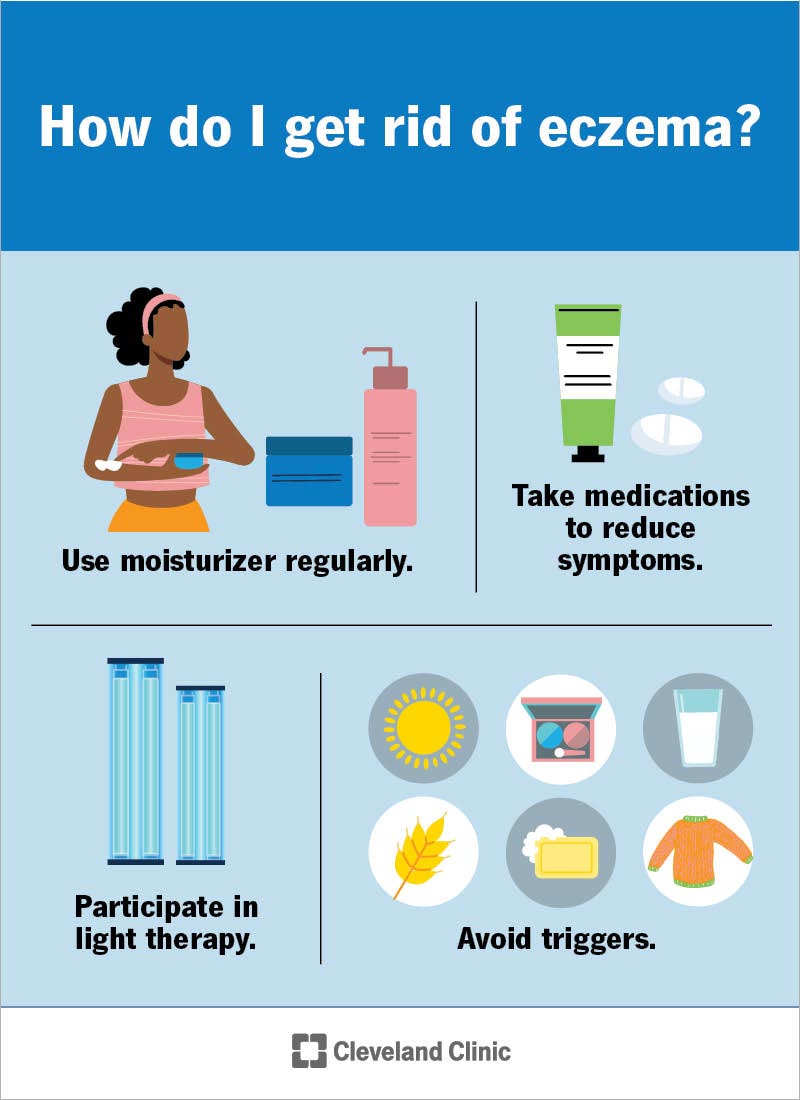
Phototherapy involves exposing the affected skin to particular types of ultraviolet light under medical supervision. This treatment can help reduce inflammation and itchiness, promoting healing and symptom relief.
Systemic Medications
In cases where other treatments have not been effective, systemic medications may be prescribed. These medications are taken orally or through injections and work by controlling the immune system’s response to reduce inflammation.

Self-Care Techniques
Keeping the Skin Moisturized
One of the most important self-care techniques for managing discoid eczema is to keep the skin moisturized. Applying emollients or moisturizers regularly helps to replenish the skin’s moisture and maintain its barrier function.
Avoiding Triggers
Identifying and avoiding triggers that worsen discoid eczema symptoms is crucial for managing the condition effectively. Common triggers include harsh soaps, detergents, certain fabrics, extreme temperatures, stress, and allergens. By minimizing exposure to triggers, you can reduce the frequency and severity of flare-ups.
Using Mild Soaps and Detergents
Using mild soaps and detergents that are free from fragrances, dyes, and other irritants can help prevent further drying and irritation of the skin. Opt for gentle hypoallergenic products that are specifically formulated for sensitive skin.
Wearing Loose and Breathable Clothing
Tight clothing made from synthetic materials can trap moisture and irritants against the skin, exacerbating discoid eczema symptoms. Opt for loose-fitting clothing made from natural fabrics like cotton or silk, which allow the skin to breathe and minimize irritation.
Protecting the Skin from Scratching
Scratching can further damage the skin and worsen discoid eczema symptoms. Trim your nails regularly and consider wearing soft gloves at night to prevent unconscious scratching during sleep. Additionally, applying emollients or using cold compresses can help soothe itching and reduce the urge to scratch.
Using Cold Compresses
When experiencing intense itching or inflammation, applying cold compresses can provide immediate relief. Simply wrap a clean cloth or an ice pack in a towel and apply it to the affected area for a few minutes at a time.
Coping with the Emotional Impact
Seeking Emotional Support
Living with discoid eczema can be emotionally challenging, especially if it affects your self-esteem or causes feelings of frustration and distress. Seeking emotional support from friends, family, or support groups can provide a safe space to share your experiences and find comfort in knowing you are not alone.
Managing Stress and Anxiety
Stress and anxiety can trigger or worsen discoid eczema symptoms. Finding healthy ways to manage stress, such as practicing relaxation techniques, engaging in regular physical activity, and pursuing hobbies or interests, can help reduce flare-ups and improve overall well-being.
Practicing Relaxation Techniques
Relaxation techniques, such as deep breathing exercises, meditation, or mindfulness, can help calm the mind and reduce stress levels. Incorporating these practices into your daily routine can have a positive impact on both your emotional and physical well-being.

Diet and Nutrition
Identifying Food Triggers
While diet alone may not cause discoid eczema, certain foods can potentially trigger or exacerbate symptoms, especially if you have underlying food sensitivities or allergies. Keeping a food diary and working with a healthcare professional can help identify any potential food triggers and make informed dietary choices.
Maintaining a Balanced Diet
Eating a balanced diet rich in fruits, vegetables, whole grains, lean proteins, and healthy fats can support overall skin health and strengthen the immune system. Incorporating foods that are known to have anti-inflammatory properties, such as fatty fish, leafy greens, and nuts, may also be beneficial.
Supplements for Skin Health
Certain supplements, such as omega-3 fatty acids, probiotics, and vitamin D, have been shown to benefit skin health and may have a positive impact on discoid eczema symptoms. However, it is important to consult with a healthcare professional before starting any supplements to ensure safety and effectiveness.
Alternative Therapies
Natural Remedies for Discoid Eczema
While there is limited scientific evidence to support the use of natural remedies for discoid eczema, some individuals find relief from symptoms through alternative therapies. These may include applying natural oils, such as coconut oil or tea tree oil, taking soothing oatmeal baths, or using specific herbal creams or ointments. It is essential to discuss any alternative therapies with a healthcare professional to ensure they are safe and compatible with your treatment plan.
Aromatherapy
Aromatherapy involves using essential oils to alleviate symptoms and promote relaxation. Some essential oils, such as lavender, chamomile, or rose, may help reduce inflammation and soothe irritated skin. However, it is important to ensure proper dilution and consult with a certified aromatherapist or healthcare professional before using essential oils.
Acupuncture
Acupuncture, a traditional Chinese medicine practice, involves placing thin needles at specific points on the body to restore balance and promote healing. While not specifically targeted for discoid eczema, some individuals find acupuncture helpful for managing stress, promoting relaxation, and supporting overall well-being.
Herbal Supplements
Certain herbal supplements, such as evening primrose oil, borage oil, or sarsaparilla, are believed to have anti-inflammatory properties and may offer relief from discoid eczema symptoms. However, it is crucial to consult with a healthcare professional before starting any herbal supplements to ensure safety and effectiveness.

Support Groups and Online Resources
Joining Supportive Communities
Connecting with others who share similar experiences can provide validation, support, and practical tips for managing discoid eczema. Consider joining local or online support groups or communities where you can exchange experiences, share coping strategies, and find encouragement.
Finding Reliable Online Resources
When seeking information about discoid eczema, it is important to rely on reputable sources. Look for websites or organizations that specialize in dermatology or eczema information to ensure accuracy and reliability. Avoid anecdotal accounts or unverified sources that may spread misinformation.
Sharing Experiences and Tips
Sharing your own experiences and tips can not only provide support to others but also help raise awareness about discoid eczema. Consider sharing your journey through blog posts, social media, or participating in awareness campaigns to foster understanding and empathy.
Managing Flare-Ups
Recognizing Early Signs of Flare-Ups
By being aware of the early signs of a flare-up, you can take timely action to prevent or minimize its severity. These signs may include increased itching, redness, dryness, or a warm sensation in the affected area. Paying attention to your body’s signals can help you address flare-ups before they become more severe.
Using Topical Treatments
Having topical treatments readily available can help alleviate symptoms during flare-ups. Follow your healthcare provider’s instructions on how and when to use your prescribed medications, such as topical steroids or calcineurin inhibitors, to manage inflammation and reduce itching.
Avoiding Irritants
During a flare-up, it is crucial to avoid exposing the affected skin to potential irritants or triggers. This may include refraining from using harsh soaps, wearing tight or rough clothing, or exposing the skin to extreme temperatures. Minimizing contact with irritants can help reduce further inflammation and discomfort.
Seeking Medical Assistance
If you experience severe or persistent symptoms during a flare-up, it is important to seek medical assistance. Your healthcare provider may suggest additional treatment options, adjust your current treatment plan, or provide further guidance on managing flare-ups effectively.

Skin Care Tips and Recommendations
Gentle Cleansing Methods
When cleansing the skin affected by discoid eczema, it is important to use gentle cleansing methods. Avoid harsh exfoliators or scrubbing too vigorously as it can further irritate the skin. Opt for mild, fragrance-free cleansers and gently pat the skin dry with a soft towel.
Choosing the Right Moisturizer
Selecting the right moisturizer plays a crucial role in managing discoid eczema. Look for moisturizers that are fragrance-free, hypoallergenic, and specifically formulated for sensitive skin. Consider using thicker ointments or creams that provide better hydration and create a protective barrier over the skin.
Protecting the Skin from the Sun
Sun exposure can trigger or worsen discoid eczema symptoms, so it is important to protect your skin from the sun’s harmful rays. Apply a broad-spectrum sunscreen with a high SPF value, wear protective clothing, and seek shade during peak sun hours to minimize the risk of flare-ups.
Creating a Personalized Eczema Management Plan
Identifying Triggers and Symptoms
Creating a personalized eczema management plan begins with identifying your specific triggers and recognizing the symptoms associated with your discoid eczema. Maintain a diary to track potential triggers and take note of any patterns or reactions. This information will help you make informed decisions and plan your management strategies accordingly.
Developing a Skin Care Routine
Establishing a consistent skin care routine is vital for managing discoid eczema effectively. This may involve gentle cleansing, regular application of moisturizers or emollients, and the appropriate use of prescribed medications as directed by your healthcare provider. Customize your routine based on your skin’s needs and consult with your healthcare provider to ensure it aligns with your treatment plan.
Maintaining Consistency
Consistency is key when managing discoid eczema. Follow your personalized eczema management plan diligently, even during periods when your symptoms are under control. Consistent skin care routines, avoidance of triggers, and proactive measures can help prevent flare-ups and maintain optimal skin health in the long run.
By understanding discoid eczema, exploring medical treatment options, practicing self-care techniques, and utilizing available resources and support, individuals living with this chronic skin condition can effectively manage symptoms, reduce flare-ups, and improve their overall quality of life. Remember, it is essential to consult with a healthcare professional for an accurate diagnosis and personalized treatment plan.