Are you tired of feeling overwhelmed and stressed out by anxiety? In this article, you will discover practical tips and techniques to help you effectively manage anxiety. Whether you are dealing with daily stress or facing specific triggers, these strategies will empower you to regain control of your emotions and find a sense of calm. Say goodbye to sleepless nights and constant worrying as you embark on this journey towards a more peaceful and anxiety-free life.
Understanding Anxiety
Anxiety is a common and normal emotion that everyone experiences from time to time. It is a feeling of unease, fear, or worry about something uncertain or threatening. While it is natural to feel anxious in certain situations, such as before an important presentation or a job interview, anxiety can become a problem when it starts to interfere with your daily life and well-being.
Definition of Anxiety
Anxiety is classified as a mental health disorder when it becomes excessive, persistent, and uncontrollable. It is characterized by feelings of excessive worry, fear, and apprehension that can be accompanied by physical symptoms such as a racing heart, sweating, trembling, and shortness of breath. People with anxiety disorders often experience irrational thoughts and find it challenging to relax or concentrate.
Types of Anxiety Disorders
There are different types of anxiety disorders, each with its own set of symptoms and triggers. Generalized Anxiety Disorder (GAD) involves excessive worry and anxiety about everyday situations and events. Panic Disorder is characterized by recurring panic attacks, which are sudden and intense episodes of fear that may last for minutes or even hours. Social Anxiety Disorder (SAD) is marked by an intense fear of being judged, embarrassed, or humiliated in social situations. Other common anxiety disorders include specific phobias, obsessive-compulsive disorder (OCD), and post-traumatic stress disorder (PTSD).
Causes of Anxiety
Anxiety disorders can stem from a variety of factors, including genetics, brain chemistry, traumatic experiences, and environmental stressors. Some individuals may have a higher risk of developing an anxiety disorder due to a family history of anxiety or other mental health conditions. Imbalances in brain chemicals called neurotransmitters, such as serotonin and dopamine, may also contribute to the development of anxiety disorders. Additionally, certain life experiences, such as a traumatic event, major life changes, or ongoing stress, can trigger or exacerbate anxiety symptoms.
Recognizing Signs and Symptoms
Recognizing the signs and symptoms of anxiety is crucial in seeking appropriate help and support. Symptoms can manifest themselves physically, emotionally, and psychologically, varying from person to person.
Physical Symptoms of Anxiety
Anxiety often manifests through a range of physical symptoms, which can include a rapid heartbeat, shortness of breath, chest tightness, trembling or shaking, sweating, nausea or stomachaches, headaches, dizziness or lightheadedness, and muscle tension. These physical symptoms can be distressing and may lead individuals to worry about potential health issues, creating a cycle of anxiety.
Emotional and Psychological Symptoms of Anxiety
In addition to physical manifestations, anxiety can also impact a person’s emotional and psychological well-being. Common emotional symptoms of anxiety include feelings of restlessness, irritability, or edginess. You may find yourself constantly on edge, anticipating the worst outcomes and feeling tense. Anxiety can also lead to difficulty concentrating, excessive worry or fear, and trouble sleeping. It is not uncommon for individuals with anxiety to experience panic attacks, which are sudden and intense bouts of anxiety that can be accompanied by a pounding heart, sweating, trembling, and a sense of impending doom.
Seeking Professional Help
If anxiety begins to significantly interfere with your daily life, relationships, and overall well-being, it may be time to seek professional help. Mental health professionals can offer guidance, support, and evidence-based treatments for managing anxiety disorders effectively.
When to Seek Professional Help
It can be challenging to determine when seeking professional help is necessary, as everyone’s experiences and thresholds may differ. However, if you consistently experience severe anxiety symptoms that disrupt your ability to function or enjoy life, it is advisable to seek the assistance of a mental health professional. If anxiety is affecting your relationships, work or school performance, or if it is accompanied by depression or substance abuse, seeking professional help becomes even more crucial.
Types of Professionals Who Can Help with Anxiety
Several types of professionals are trained to provide support and treatment for anxiety disorders. Psychiatrists are medical doctors who specialize in mental health and can diagnose anxiety disorders, prescribe medications, and provide therapy. Psychologists are professionals with a doctoral degree in psychology who can diagnose and treat anxiety disorders through therapy and other interventions. Licensed therapists, such as licensed professional counselors or licensed clinical social workers, can also provide effective treatments for anxiety through talk therapy.
Treatment Options for Anxiety Disorders
Anxiety disorders can be effectively managed and treated through a combination of therapies, medications, and self-help techniques. Cognitive-behavioral therapy (CBT) is a widely recognized and evidence-based treatment for anxiety disorders. It helps individuals identify and modify negative thinking patterns and behaviors that contribute to anxiety. Medications, such as selective serotonin reuptake inhibitors (SSRIs) or benzodiazepines, may also be prescribed by a psychiatrist to alleviate anxiety symptoms. Additionally, self-help techniques and lifestyle changes play a crucial role in managing anxiety disorders, which we will explore in the following sections.
Self-Help Techniques
There are several self-help techniques that you can incorporate into your daily life to manage and reduce anxiety. While these techniques may not completely eliminate anxiety, they can provide significant relief and help you regain control over your emotions and thoughts.
Breathing Exercises
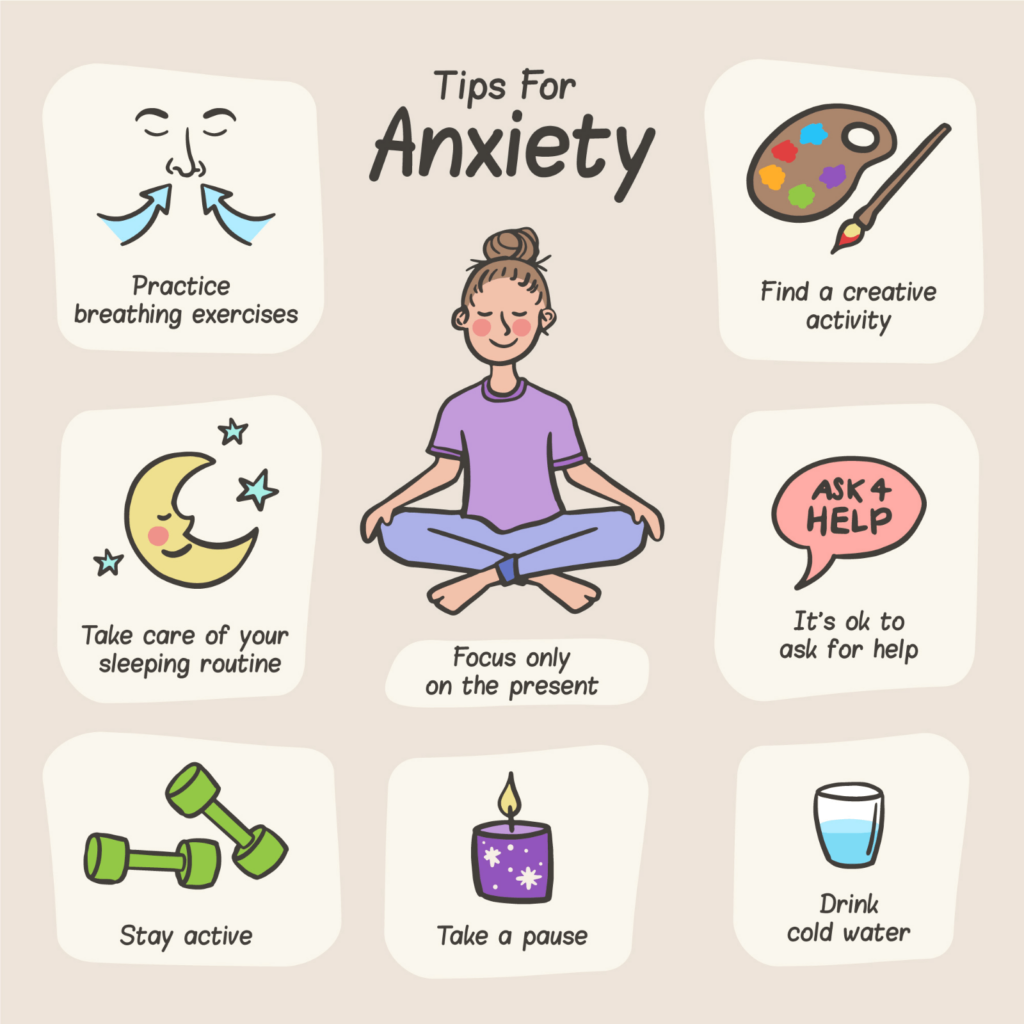
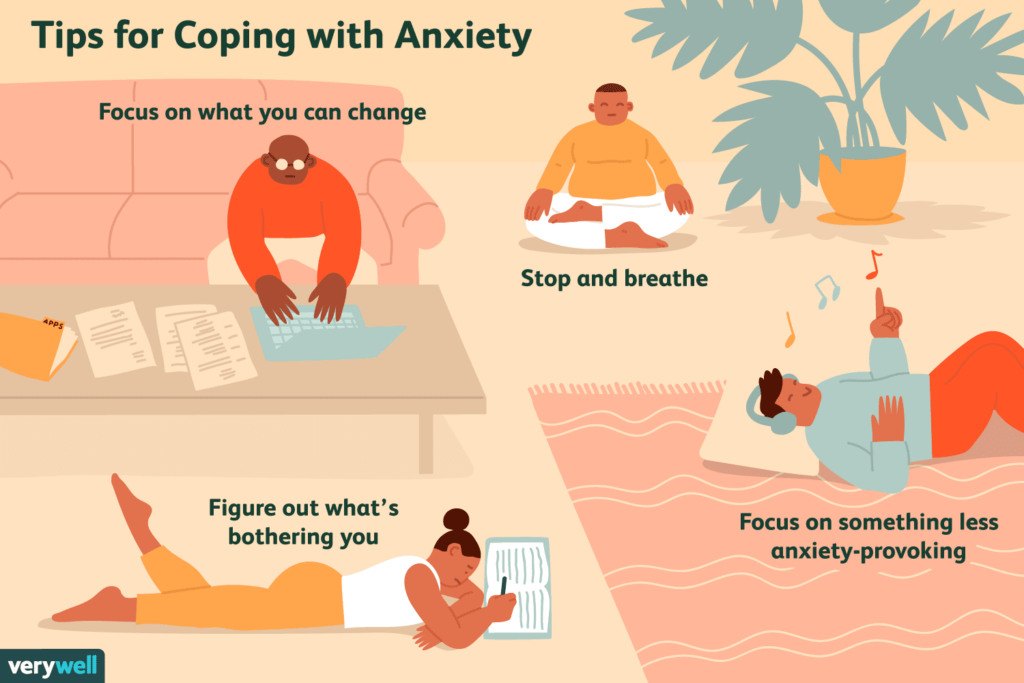
One effective self-help technique for anxiety is practicing breathing exercises. Deep breathing exercises can activate the body’s relaxation response, counteracting the physical symptoms of anxiety. An example of a breathing exercise is diaphragmatic breathing, where you focus on slow, deep breaths, allowing your abdomen to expand as you inhale and contract as you exhale. This technique helps regulate your heart rate and promotes relaxation.
Progressive Muscle Relaxation
Progressive muscle relaxation is another technique that can help alleviate anxiety. It involves tensing and then relaxing each muscle group in your body, systematically moving from one group to another. This practice can help release tension and promote a sense of calm. You can find guided progressive muscle relaxation exercises or scripts online or through mobile apps to help you through the process.
Mindfulness and Meditation
Mindfulness and meditation practices have gained significant popularity in recent years for their positive effects on mental well-being. These practices involve focusing on the present moment and cultivating an attitude of non-judgmental awareness. By practicing mindfulness and meditation, you can train your mind to become more resilient and better able to handle anxiety-provoking situations. Mobile apps and online resources, such as guided meditations or mindfulness courses, can be particularly helpful for beginners.
Engaging in Physical Activity
Engaging in regular physical activity is not only beneficial for your physical health but can also have a positive impact on your mental well-being. Exercise releases endorphins, which are natural mood boosters, and helps reduce stress and anxiety. Aim for at least 30 minutes of moderate-intensity exercise, such as brisk walking, swimming, or cycling, on most days of the week. Find activities that you enjoy and that fit into your schedule to make exercise a sustainable part of your routine.
Practicing Positive Self-Talk
The way we talk to ourselves can significantly influence our emotions and behavior. Negative self-talk can fuel anxiety and make it more challenging to manage. By practicing positive self-talk, you can challenge negative thoughts and replace them with more realistic and positive ones. Remind yourself of your strengths, accomplishments, and the progress you have made. Affirmations and gratitude practices can also be helpful in cultivating a positive mindset.

Maintaining a Healthy Lifestyle
In addition to self-help techniques, maintaining a healthy lifestyle is vital for managing anxiety effectively. Several lifestyle factors can either contribute to or alleviate symptoms of anxiety.
Effects of Diet on Anxiety
What you eat can have an impact on your mental well-being, including anxiety levels. A diet rich in whole foods, including fruits, vegetables, whole grains, lean proteins, and healthy fats, can support brain health and stabilize mood. Avoid or limit the consumption of caffeine, alcohol, and sugar, as these substances can exacerbate anxiety symptoms. Additionally, staying hydrated by drinking enough water throughout the day is essential for overall well-being, including mental health.
The Importance of Exercise
As mentioned earlier, exercise plays a crucial role in managing anxiety. Regular physical activity not only promotes the release of endorphins but also helps reduce muscle tension, improves sleep quality, and boosts self-confidence. Incorporate exercises that you enjoy into your routine, such as yoga, jogging, or dancing. Choose activities that fit your fitness level and preferences, ensuring that you can maintain them in the long term.
Getting Enough Sleep
Quality sleep is essential for both physical and mental health. Lack of sleep or poor sleep quality can significantly worsen anxiety symptoms. Establish a consistent sleep schedule, aiming for seven to nine hours of sleep per night. Create a relaxing bedtime routine and ensure that your sleep environment is conducive to restful sleep by keeping it cool, dark, and quiet. Avoid screen time and stimulating activities close to bedtime, as they can interfere with your ability to fall asleep.
Avoiding Substances That Worsen Anxiety
Substances such as alcohol, nicotine, and recreational drugs can exacerbate anxiety symptoms. While they may provide temporary relief or distraction, they can intensify anxiety in the long run. It is essential to recognize the potential impact of these substances on your mental well-being and to seek healthier coping mechanisms. If you find it challenging to reduce or quit using these substances, consider seeking professional help or joining support groups that can provide guidance and resources.
Cognitive Behavioral Therapy
Cognitive-behavioral therapy (CBT) is a widely recognized and effective form of therapy for managing anxiety disorders. It focuses on identifying and modifying negative thinking patterns and behaviors that contribute to anxiety.
Overview of Cognitive Behavioral Therapy (CBT)
CBT is based on the idea that our thoughts, feelings, and behaviors are interconnected and influence one another. By identifying and challenging negative thoughts, individuals can alter their emotional reactions and develop healthier coping strategies. CBT helps individuals understand the root causes of their anxiety and provides practical tools to manage anxious thoughts and reactions.
Techniques Used in CBT
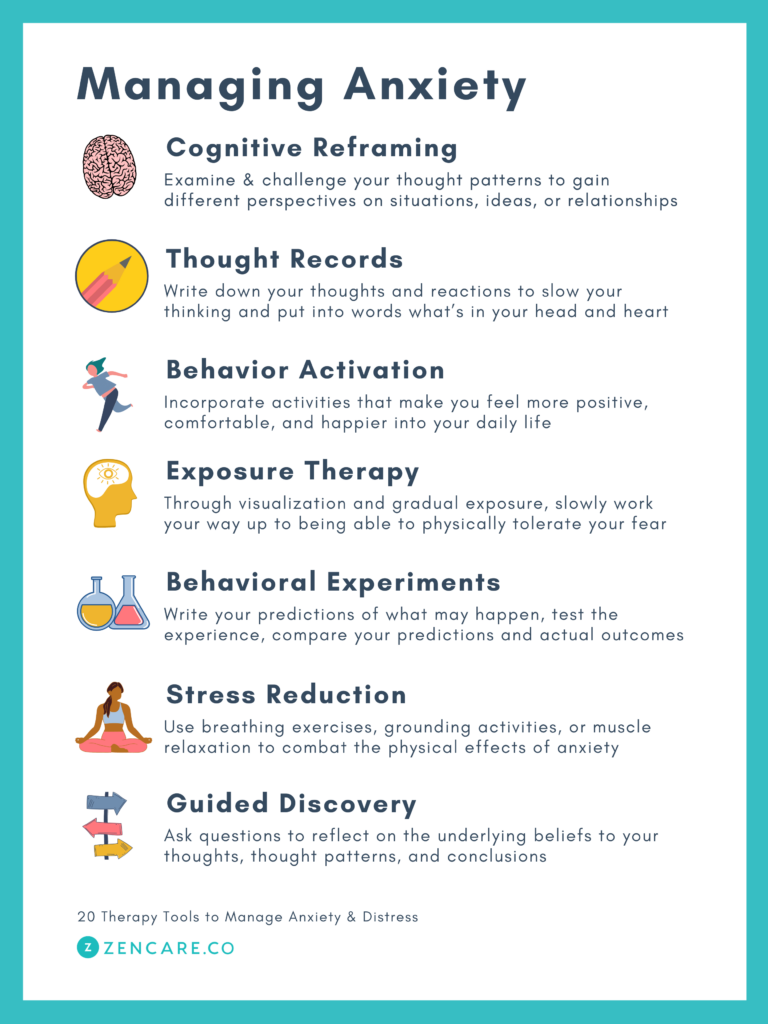
Several techniques are used in CBT to help individuals manage anxiety. These include cognitive restructuring, which involves identifying and challenging irrational thoughts and replacing them with more rational and adaptive beliefs. Behavioral experiments are used to test the accuracy and validity of anxiety-provoking thoughts and beliefs. Exposure therapy is also commonly used to gradually expose individuals to feared situations or objects, allowing them to face their fears in a controlled and supportive environment.
Self-Help Resources for CBT
While attending therapy sessions with a trained professional is highly beneficial, there are self-help resources available for those who want to implement CBT techniques on their own. Self-help books, workbooks, and online courses based on CBT can provide guidance and exercises to help you understand and manage your anxiety. Mobile apps and websites may also offer interactive tools and resources that allow you to track your progress and practice CBT techniques in daily life.
Stress Management Techniques
Stress is often a significant contributor to anxiety, and managing stress effectively is essential for reducing anxiety symptoms. By developing effective stress management techniques, you can better navigate anxiety-provoking situations and maintain a sense of well-being.
Identifying and Managing Stress Triggers
One of the first steps in stress management is identifying your stress triggers. Take note of situations, people, or circumstances that consistently lead to stress and anxiety. Once you identify them, you can develop strategies to manage or avoid these triggers. It can be helpful to keep a stress journal to track specific instances and understand the patterns and commonalities.
Time Management and Prioritization
Proper time management and prioritization are crucial for reducing stress and maintaining a sense of control. Set realistic goals and create a structured schedule to ensure you have enough time to complete tasks without feeling overwhelmed. Learn to delegate tasks when possible and avoid overloading your plate with unnecessary commitments. Prioritize self-care and make time for activities that help you relax and recharge.
Setting Realistic Goals
Setting realistic goals allows you to focus on achievable tasks and reduces the pressure that often leads to anxiety. Break larger, overwhelming goals into smaller, manageable steps. Celebrate small victories along the way, as achieving these milestones can boost your confidence and motivation. Avoid perfectionism and remember that it’s okay to adjust your goals as circumstances change.
Practicing Relaxation Techniques
In addition to the previously mentioned self-help techniques, such as breathing exercises and progressive muscle relaxation, there are other relaxation techniques that can help manage stress and anxiety. These include activities such as taking a warm bath, practicing aromatherapy with calming scents, listening to soothing music or nature sounds, and engaging in artistic or creative hobbies. Find activities that promote a sense of calm and help you unwind.
Building a Support Network
Building a support network is crucial when managing anxiety. Having trusted individuals who understand and support you can provide encouragement, guidance, and a listening ear.
Communicating with Loved Ones About Anxiety
Open communication with loved ones about your anxiety is essential in establishing a support network. Express your needs and feelings openly, as this can help others understand what you are going through. Educate your loved ones about anxiety disorders to dispel any misunderstandings or misconceptions they may have. Encourage them to ask questions and offer their support in practical ways.
Support Groups and Therapy Groups
Support groups and therapy groups can be especially helpful for individuals struggling with anxiety. These groups provide a safe space to share experiences, receive support, and learn from others facing similar challenges. Group therapy sessions, led by trained professionals, can provide valuable insights and coping strategies through the collective wisdom of the group.
Connecting with Online Communities
In today’s digital age, online communities and forums offer a space for individuals with anxiety to connect, share, and find support. Online platforms dedicated to mental health provide a sense of belonging and understanding. However, it is crucial to prioritize reputable and well-moderated communities to ensure a safe and supportive environment.

Developing Coping Strategies
Developing coping strategies is an essential aspect of managing anxiety. Coping strategies help you effectively deal with difficult emotions and situations, empowering you to maintain control and resilience.
Identifying and Challenging Negative Thoughts
Anxiety often feeds off negative thoughts and irrational beliefs. Developing the skill of identifying negative thoughts and challenging their accuracy is vital in managing anxiety. Practice questioning the evidence and exploring alternative perspectives. Replace negative thoughts with more balanced and realistic ones. Journaling can be an effective tool in capturing these thoughts and analyzing them objectively.
Creating a Toolbox of Coping Strategies
Building a personal toolbox of coping strategies allows you to have a variety of techniques at your disposal. Experiment with different strategies and identify what works best for you. Some individuals find solace in creative outlets, such as painting or writing. Others may prefer engaging in physical activity or practicing relaxation techniques. Explore different coping strategies and keep a list of those that provide relief and comfort.
Establishing a Self-Care Routine
Prioritizing self-care is essential for managing anxiety and promoting overall mental health. Establish a self-care routine that includes activities you enjoy, such as reading a book, taking a walk in nature, practicing mindfulness, or spending time with loved ones. Engage in activities that nourish your mind, body, and soul, and schedule them into your daily or weekly routine.
Managing Anxiety in Specific Situations
While anxiety can affect various aspects of your life, there are specific situations in which anxiety tends to arise more commonly. Developing strategies to manage anxiety in these situations can be particularly helpful in maintaining a sense of control and reducing distress.
Anxiety at Work or School
Work or school-related anxiety is common, especially when facing deadlines, presentations, or assessments. To manage anxiety in these situations, break tasks into smaller, more manageable steps, and focus on one at a time. Practice time management techniques to avoid feeling overwhelmed. Seek support from colleagues, friends, or mentors who can offer guidance and encouragement. Implement relaxation techniques, such as deep breathing exercises, during breaks to reduce stress.
Anxiety in Social Situations
For individuals with social anxiety, navigating social situations can be challenging. To manage anxiety in social settings, start by exposing yourself gradually to situations that trigger anxiety. Practice positive self-talk and remind yourself that everyone has insecurities. Focus on the present moment and engage in active listening rather than worrying about how others perceive you. Set small, achievable goals in social situations, such as initiating a conversation with one person or joining a group discussion.
Dealing with Panic Attacks
Panic attacks can be intense and overwhelming experiences. If you experience panic attacks, it is crucial to remember that they are temporary and will pass. Focus on your breathing, using techniques such as diaphragmatic breathing to help regulate your heart rate. Grounding techniques, such as noticing and describing your surroundings, can help anchor you in the present moment. Reach out to trusted individuals for support and consider speaking with a mental health professional who can offer guidance on managing panic attacks.
Managing Anxiety During Travel
Travel can be a source of anxiety for many individuals, especially when facing unfamiliar environments or situations. Planning and preparation can help alleviate anxiety during travel. Research your destination, create a checklist, and ensure you have all necessary documents and information. Maintain a routine as much as possible to provide a sense of familiarity. Practice relaxation techniques, such as deep breathing or progressive muscle relaxation, during transit to manage anxiety. Consider bringing comforting objects or engaging in calming activities, such as listening to music or reading, to distract yourself during travel.
In conclusion, understanding anxiety, recognizing its signs and symptoms, seeking professional help when needed, and implementing self-help techniques are all crucial steps in effectively managing anxiety. By maintaining a healthy lifestyle, incorporating coping strategies, and building a support network, individuals can navigate anxiety in various situations and regain control over their lives. Remember, managing anxiety is a continuous journey, and it is essential to be patient and kind to yourself throughout the process. With the right tools, support, and resources, anxiety can be effectively managed, allowing you to live a fulfilling and anxiety-free life.