
Living with asthma can be challenging, but with the right management techniques, you can ensure a healthy and fulfilling lifestyle. This article provides valuable tips and strategies to help you effectively manage asthma and maintain a high quality of life. From understanding common triggers to adopting healthy habits, you’ll discover practical advice to keep your asthma symptoms under control. By taking proactive steps and making small changes to your daily routine, you can experience fewer asthma attacks and enjoy a healthier, more active life.
Understanding Asthma
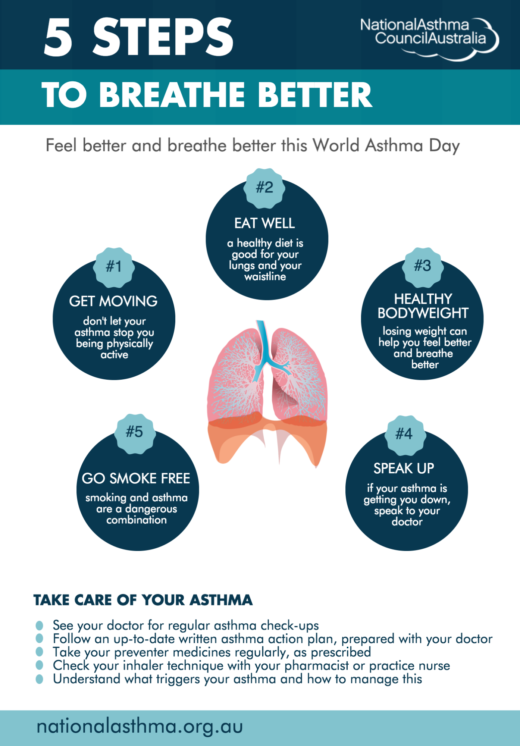
Asthma is a chronic respiratory condition that affects millions of people worldwide. It is characterized by inflammation and narrowing of the airways, leading to symptoms such as wheezing, shortness of breath, chest tightness, and coughing. Understanding asthma is crucial in order to effectively manage and control the condition.
Definition of Asthma
Asthma is a long-term lung disease that causes breathing difficulties due to the inflammation and narrowing of the airways. This inflammation can be triggered by various factors, leading to symptoms such as coughing, wheezing, shortness of breath, and chest tightness. While asthma cannot be cured, it is a manageable condition with the right treatment and lifestyle modifications.
Causes and Triggers of Asthma
There isn’t a single known cause for asthma, but it is believed to be a combination of genetic and environmental factors. Some common triggers that can exacerbate asthma symptoms include allergens like pollen, dust mites, and pet dander, respiratory infections, air pollution, cold air, exercise, stress, and certain medications. Understanding and avoiding these triggers can greatly help in managing asthma effectively.
Common Symptoms of Asthma
The symptoms of asthma can vary from person to person, but there are some common signs to look out for. These include recurring episodes of wheezing, especially during exhaling, coughing, particularly at night or early in the morning, shortness of breath or rapid breathing, chest tightness or pain, and difficulty sleeping due to asthma symptoms. It is important to seek medical attention if you experience any of these symptoms to get an accurate diagnosis and appropriate treatment.
Medical Management of Asthma
While asthma is a chronic condition, it can be effectively managed through medical treatment and proper care. Medical management plays a significant role in controlling asthma symptoms and preventing asthma attacks.
Importance of Medical Treatment
Medical treatment is essential in managing asthma as it helps reduce inflammation, open up the airways, and control symptoms. There are various medications available for asthma, including inhalers, oral medications, and nebulizers. It is important to work closely with your healthcare provider to develop an individualized treatment plan that suits your specific needs.
Types of Medications Used for Asthma
There are two main types of medications used for asthma: preventers (controller medications) and relievers (rescue medications). Preventers, such as inhaled corticosteroids and long-acting beta-agonists, are taken regularly to control and prevent inflammation in the airways. Relievers, such as short-acting beta-agonists, provide quick relief during asthma attacks by relaxing the muscles around the airways. It is crucial to use these medications as prescribed by your healthcare provider for optimal asthma control.
Inhaler Technique and Proper Medication Administration
Using inhalers is a common method of delivering asthma medication directly to the lungs. It is essential to learn the proper inhaler technique to ensure that the medication reaches the intended target effectively. Your healthcare provider or a pharmacist can demonstrate the correct inhaler technique and provide guidance on how to use your inhaler properly. Taking medications as prescribed and in the right way is vital for managing asthma effectively.
Regular Check-Ups and Asthma Action Plans
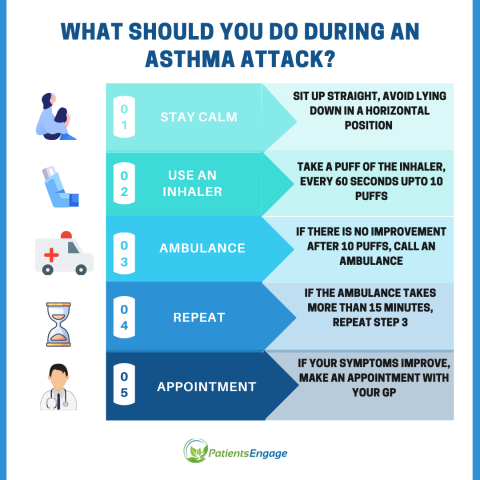
Regular check-ups with your healthcare provider are crucial in monitoring your asthma control and adjusting your treatment plan as needed. These visits allow for the evaluation of symptoms, lung function tests, and assessment of medication effectiveness. Your healthcare provider can also help you develop an asthma action plan, which outlines specific steps to take when your symptoms worsen or during an asthma attack. Following this action plan can help you manage your asthma more effectively and reduce the risk of severe complications.
Creating an Asthma-Friendly Environment
In addition to medical management, creating an asthma-friendly environment is key to minimizing asthma triggers and maintaining optimal respiratory health.
Removing Allergens and Irritants from Your Home
One of the first steps in creating an asthma-friendly environment is to identify and remove potential allergens and irritants from your home. Dust mites, pet dander, mold, and tobacco smoke are common triggers for asthma symptoms. Regularly cleaning and vacuuming your home, washing bedding in hot water, keeping pets out of bedrooms, and avoiding smoking indoors can significantly reduce exposure to these triggers.
Maintaining Cleanliness and Proper Ventilation
Maintaining cleanliness in your home plays a vital role in reducing asthma triggers. Regular dusting, sweeping, and vacuuming can help remove dust and allergens, while minimizing clutter can prevent the accumulation of dust and mold. Proper ventilation is also important, as it helps circulate fresh air and reduces the concentration of indoor pollutants. Opening windows, using exhaust fans in kitchens and bathrooms, and utilizing air purifiers can contribute to a cleaner and healthier indoor environment.
Using Air Filters and Humidifiers
Air filters and humidifiers can be beneficial in creating an asthma-friendly environment. High-efficiency particulate air (HEPA) filters can help trap allergens and pollutants, improving the air quality in your home. Humidifiers, on the other hand, can add moisture to the air, alleviating dryness and reducing the risk of asthma symptoms. However, it is essential to clean and maintain these devices regularly to prevent the growth of mold and bacteria.
Workplace Considerations for Asthma
For individuals with asthma, it is important to create an asthma-friendly environment at work as well. Certain occupational environments may expose individuals to respiratory irritants or allergens, which can exacerbate asthma symptoms. Discussing your condition with your employer or occupational health department can help identify potential triggers and implement appropriate measures to minimize exposure. This may include proper ventilation, use of personal protective equipment, and adjustments to work practices if necessary.
Developing a Healthy Exercise Routine
Regular physical activity is important for everyone, including individuals with asthma. Exercise can help improve lung function, increase fitness levels, and reduce the risk of asthma symptoms.
Importance of Regular Physical Activity
Engaging in regular physical activity has numerous benefits for individuals with asthma. It helps improve overall cardiovascular health, strengthens the respiratory muscles, enhances lung capacity, and reduces the severity and frequency of asthma symptoms. Regular exercise also contributes to weight management, which is important as obesity can worsen asthma symptoms.
Choosing Asthma-Friendly Exercises
When it comes to exercise, it is important to choose activities that are less likely to trigger asthma symptoms. Low-impact exercises such as walking, swimming, cycling, and yoga are generally well-tolerated by individuals with asthma. These exercises promote cardiovascular health without putting excessive strain on the respiratory system. However, it is always important to consult with your healthcare provider before starting any new exercise program, especially if you have poorly controlled asthma or other chronic health conditions.
Pre-Exercise Warm-Up and Proper Breathing Techniques
Before engaging in physical activity, it is crucial to warm up properly. A warm-up routine of gentle exercises and stretches helps prepare the body for more strenuous activity and reduces the risk of asthma symptoms during exercise. Additionally, practicing proper breathing techniques during exercise can help minimize the risk of exercise-induced asthma. Breathing through the nose, taking slow and controlled breaths, and using pursed-lip breathing techniques can help prevent rapid and shallow breathing, which can trigger asthma symptoms.
Exercise-Induced Asthma and Prevention Strategies
Exercise-induced asthma, also known as exercise-induced bronchoconstriction, is a common occurrence in individuals with asthma. It is characterized by the narrowing of the airways and asthma symptoms triggered by physical exertion. To prevent exercise-induced asthma, individuals may use a short-acting bronchodilator inhaler prior to exercise as prescribed by their healthcare provider. It is also important to warm up adequately, avoid exercising in extreme temperatures or high humidity, and gradually increase the intensity and duration of exercise over time.
Managing Stress and Emotional Well-Being
Stress and emotions can play a significant role in triggering asthma symptoms. Managing stress and prioritizing emotional well-being is therefore crucial for individuals with asthma.
Understanding the Relationship Between Asthma and Stress
Stress can be a common trigger for asthma symptoms. When you are stressed, your body releases stress hormones that can lead to inflammation and narrowing of the airways, making it harder to breathe. Understanding this relationship can help individuals with asthma identify stressors and develop effective coping strategies.
Stress-Reduction Techniques such as Meditation and Yoga
Incorporating stress-reduction techniques into your daily routine can help manage asthma symptoms. Meditation, deep breathing exercises, and yoga are examples of relaxation techniques that have been shown to reduce stress levels and improve emotional well-being. These practices can also help promote better breathing patterns, increase lung capacity, and support overall respiratory health.
Seeking Support from Friends, Family, and Support Groups
Building a strong support system is important for individuals with asthma. Friends and family can provide emotional support and help create a positive and understanding environment. Support groups for individuals with asthma can also be beneficial, as they provide an opportunity to connect with others who share the same experiences and learn coping strategies from one another. Sharing your concerns and experiences with trusted individuals can lighten the emotional burden and improve overall well-being.
Maintaining a Balanced Diet
Maintaining a balanced diet is important for overall health and can contribute to better asthma management.
Importance of a Healthy Diet for Asthma Management
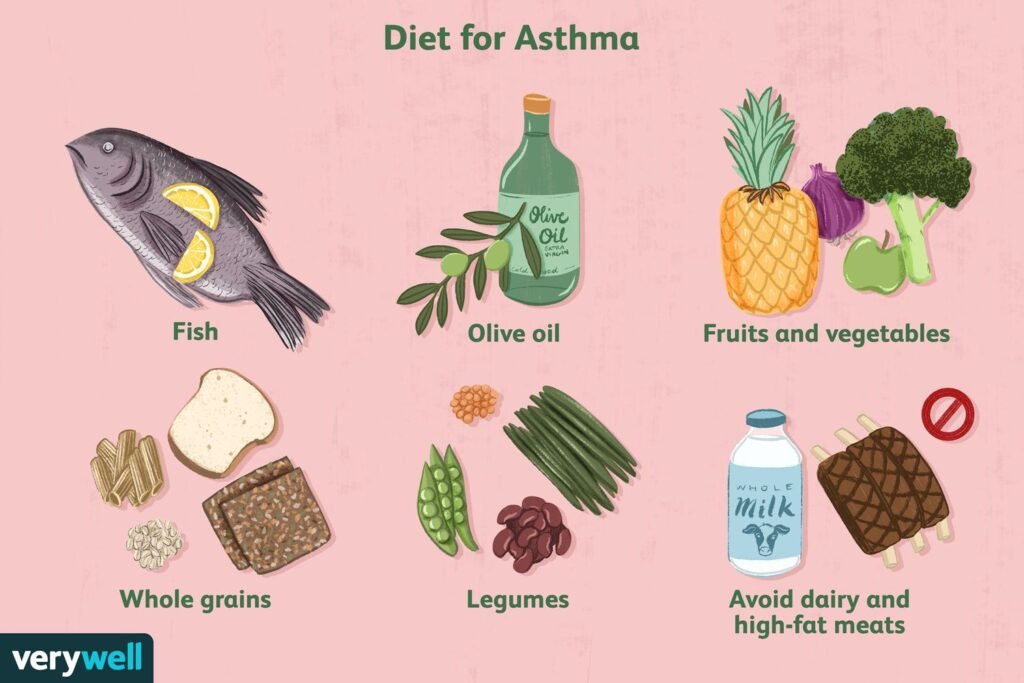
A healthy diet plays a crucial role in managing asthma symptoms. Certain nutrients and antioxidants have been found to have anti-inflammatory properties and can help reduce airway inflammation. Consuming a well-balanced diet that includes a variety of fruits, vegetables, whole grains, lean proteins, and healthy fats can provide the necessary nutrients to support respiratory health and overall well-being.
Foods That Can Help Reduce Asthma Symptoms
Some foods have been shown to have positive effects on asthma symptoms. Foods rich in omega-3 fatty acids, such as fatty fish (salmon, mackerel, and sardines), flaxseeds, and walnuts, can help reduce inflammation in the airways. Additionally, antioxidants found in fruits and vegetables, particularly vitamin C and vitamin E, have been associated with improved lung function in individuals with asthma. Including foods like oranges, strawberries, tomatoes, spinach, and almonds in your diet can help support respiratory health.
Foods to Avoid or Limit to Prevent Asthma Triggers
Certain foods can act as triggers for asthma symptoms in some individuals. These can include sulfite-containing foods (wine, dried fruits, and processed foods), foods high in histamine (aged cheese, fermented foods), and foods that commonly cause allergies (milk, eggs, nuts, shellfish). It is important to identify any specific food triggers that may worsen your asthma symptoms and avoid or limit them accordingly.
Incorporating Omega-3 Fatty Acids and Antioxidants
Incorporating omega-3 fatty acids and antioxidants into your diet can be beneficial for asthma management. Omega-3 fatty acids can be obtained from fatty fish, flaxseeds, and walnuts, while antioxidants can be found in fruits, vegetables, nuts, and seeds. These nutrients can help reduce airway inflammation and support respiratory health. Including a variety of these foods in your diet can contribute to better asthma control.

Preventing Respiratory Infections
For individuals with asthma, preventing respiratory infections is crucial in maintaining optimal lung function and minimizing asthma symptoms.
Importance of Preventing Infections for Asthma Control
Respiratory infections, such as the common cold, flu, and pneumonia, can worsen asthma symptoms and trigger asthma attacks. Preventing these infections is therefore important in maintaining good asthma control. Individuals with asthma should take extra precautions to protect themselves from respiratory infections, as they can have a more severe impact on their respiratory health.
Proper Hand Hygiene and Respiratory Etiquette
Practicing proper hand hygiene is one of the most effective ways to prevent respiratory infections. Washing your hands frequently with soap and water or using hand sanitizer, especially before eating or touching your face, can help minimize the spread of viruses and bacteria. Additionally, following respiratory etiquette, such as covering your mouth and nose with a tissue or your elbow when coughing or sneezing, can help prevent the airborne transmission of respiratory pathogens.
Getting Vaccinated for Influenza and Pneumonia
Getting vaccinated against influenza and pneumonia is highly recommended for individuals with asthma. The flu vaccine can help prevent influenza infections, which can cause severe respiratory symptoms in individuals with asthma. Pneumonia vaccines, such as the pneumococcal conjugate vaccine (PCV13) and the pneumococcal polysaccharide vaccine (PPSV23), can help protect against certain types of pneumonia. By staying up to date with vaccinations, individuals with asthma can reduce the risk of respiratory infections and their impact on asthma control.
Avoiding Exposure to Sick Individuals
Avoiding close contact with individuals who are sick, particularly those with respiratory infections, is essential for individuals with asthma. Respiratory infections are often transmitted through respiratory droplets when an infected person coughs or sneezes. Minimizing contact with sick individuals and practicing good respiratory hygiene can help reduce the risk of infection and subsequent exacerbation of asthma symptoms.
Managing Allergies
Allergies and asthma are closely related, and managing allergies can have a positive impact on asthma control.
Identifying and Avoiding Allergens That Trigger Asthma
Identifying and avoiding allergens that trigger asthma symptoms is an important aspect of managing allergies. Common allergens include pollen, dust mites, pet dander, molds, and certain foods. Keeping a diary of symptoms and potential triggers can help individuals with asthma pinpoint specific allergens that may worsen their symptoms. By avoiding or minimizing exposure to these triggers, individuals can reduce the risk of allergic reactions and asthma exacerbations.
Allergy Testing and Immunotherapy Options
For individuals with asthma and allergies, allergy testing may be beneficial in identifying specific allergens that trigger their symptoms. Allergy testing can be done through skin prick tests or blood tests, and it can provide valuable information about the specific allergens to which individuals are sensitive. Based on the results, healthcare providers may recommend allergen immunotherapy, commonly known as allergy shots, as a treatment option. Allergy shots can help desensitize the immune system to specific allergens over time, leading to a reduction in allergic reactions and asthma symptoms.
Using Antihistamines and Nasal Sprays for Allergy Relief
For individuals with asthma and allergies, antihistamines and nasal sprays can provide relief from allergy symptoms. Antihistamines work by blocking the release of histamine, a chemical that triggers allergic reactions. Nasal sprays, such as corticosteroids or antihistamine sprays, help reduce nasal congestion, sneezing, and inflammation. These medications can help alleviate allergy symptoms and reduce the impact of allergies on asthma control. It is important to consult with a healthcare provider to determine the most appropriate medication and dosage for your specific needs.
Building a Strong Support System
Building a strong support system is crucial for individuals with asthma. Having a support system in place can provide emotional support, encouragement, and assistance in managing the condition effectively.
Educating Family Members and Close Contacts about Asthma
Educating family members and close contacts about asthma is important in creating a supportive and understanding environment. Help your loved ones understand what asthma is, what triggers your symptoms, and what steps they can take to assist you during an asthma attack. By providing education and raising awareness, you can ensure that your family members and close contacts are better equipped to support you in managing your asthma.
Creating an Emergency Action Plan
Creating an emergency action plan is essential for individuals with asthma, especially in case of severe asthma attacks or emergencies. An emergency action plan outlines specific steps to take during an asthma attack and provides instructions on when to seek medical help. The plan should include important contact numbers, a list of medications and their dosages, and instructions for using rescue medications such as inhalers. Sharing this plan with family members, close contacts, and healthcare providers ensures that everyone is prepared in the event of an emergency.
Communicating with Healthcare Providers
Maintaining open and regular communication with your healthcare provider is crucial in managing asthma effectively. They can provide guidance, monitor your asthma control, adjust your treatment plan as needed, and address any concerns or questions you may have. Keeping your healthcare provider updated on any changes in symptoms or triggers can help ensure that your asthma is well-managed and that appropriate interventions are in place.
Monitoring Asthma Control
Regular monitoring of asthma control is important in assessing the effectiveness of your treatment plan and making necessary adjustments.
Importance of Regular Peak Flow Monitoring
Peak flow monitoring is a simple and effective way to assess your lung function and the severity of your asthma symptoms. A peak flow meter is a handheld device that measures how fast you can blow air out of your lungs. Regularly measuring your peak flow readings and keeping a record can help identify any patterns or changes in your lung function. This information can guide your healthcare provider in adjusting your treatment plan to optimize asthma control.
Tracking Symptoms and Medication Usage
Keeping track of your symptoms and medication usage is important in evaluating asthma control. Maintaining a symptom diary can help you identify specific triggers, track the frequency and severity of your symptoms, and monitor the effectiveness of your medications. Additionally, recording your medication usage can ensure that you are taking your medications as prescribed and that you have an adequate supply at all times. Sharing this information with your healthcare provider during regular check-ups can help guide treatment decisions.
Recognizing Patterns and Adjusting Treatment as Needed
By monitoring peak flow readings, symptoms, and medication usage, you can identify patterns or trends in your asthma control. Recognizing these patterns can help you and your healthcare provider make appropriate adjustments to your treatment plan. It is important to promptly address any worsening symptoms, changes in peak flow readings, or asthma attacks and collaborate with your healthcare provider to determine the best course of action.
In conclusion, understanding asthma and taking proactive steps to manage the condition can significantly improve the quality of life for individuals with asthma. From medical management and creating an asthma-friendly environment to developing a healthy exercise routine and managing emotional well-being, there are various strategies that can help control asthma symptoms and reduce the risk of complications. By following these guidelines and working closely with healthcare providers, individuals with asthma can lead healthy and fulfilling lives.