
Managing Endometriosis: Treatment Options is a comprehensive guide that outlines various approaches to dealing with this common gynecological condition. Whether you are newly diagnosed or have been living with endometriosis for a while, this article will provide you with valuable information on the available treatment options. From pain management techniques to hormonal therapies and even surgical interventions, you will discover an array of strategies to help you effectively manage and alleviate the symptoms associated with endometriosis. So, let’s delve into the world of treatment options and empower you to take control of your health and well-being.
Overview of Endometriosis
Endometriosis is a chronic and often painful condition that affects millions of individuals worldwide, especially those of reproductive age. It occurs when the tissue that normally lines the inside of the uterus, known as the endometrium, grows outside the uterus. This misplaced tissue can grow on the ovaries, fallopian tubes, bowel, bladder, and other organs in the pelvic region. The exact cause of endometriosis is still largely unknown, making it a challenging condition to diagnose and treat effectively.
Definition of Endometriosis
Endometriosis is a disorder characterized by the presence of endometrial-like tissue outside the uterus. This tissue behaves similarly to the endometrium during the menstrual cycle, which means it thickens, breaks down, and bleeds with each menstrual cycle. However, unlike the endometrium that sheds through menstruation, the misplaced tissue has no way to exit the body. This results in inflammation, pain, and the formation of scar tissue or adhesions.

Prevalence of Endometriosis
Endometriosis is a common gynecological condition, estimated to affect approximately 10% of women of reproductive age. It is also found in cisgender men and individuals assigned female at birth who have undergone gender-affirming procedures. However, due to the lack of awareness and misdiagnosis, the exact prevalence may be higher. Endometriosis can manifest differently from person to person, with some experiencing mild symptoms while others deal with severe pain and fertility issues.
Causes of Endometriosis
The precise cause of endometriosis remains unknown, but several theories have been proposed. One theory suggests that during menstruation, the menstrual blood containing endometrial cells flows backward through the fallopian tubes and into the pelvic cavity. These displaced cells then implant and grow in the pelvic organs, leading to endometriosis. Genetic factors, hormonal imbalances, and immune system dysfunction are also believed to play a role in the development and progression of endometriosis.

Diagnosing Endometriosis
Diagnosing endometriosis can be challenging as symptoms can vary significantly, and there is no definitive test to confirm the condition. However, healthcare providers use a combination of methods to assess the likelihood of endometriosis and develop an effective treatment plan.
Symptoms of Endometriosis
Common symptoms of endometriosis include pelvic pain, painful periods, heavy menstrual bleeding, pain during intercourse, infertility, and gastrointestinal issues like bloating and constipation. It is important to note that the severity of symptoms does not necessarily correlate with the extent of the condition. Some individuals may have severe pain but minimal visible endometriosis, while others may have extensive disease with minimal symptoms.
Physical Examination
During a physical examination, your healthcare provider will perform a pelvic exam to check for any abnormalities or masses. They may also assess the tenderness of certain areas in the pelvic region, which can be an indicator of endometriosis. However, it is important to remember that physical examination alone cannot provide a definitive diagnosis.
Imaging Tests
Imaging tests, such as ultrasound or MRI, may be recommended to visualize the pelvic organs and identify any abnormalities. While these tests can help detect large endometriotic cysts or other pelvic abnormalities, they are not always conclusive in diagnosing endometriosis. Laparoscopy remains the gold standard for definitive diagnosis.
Laparoscopy
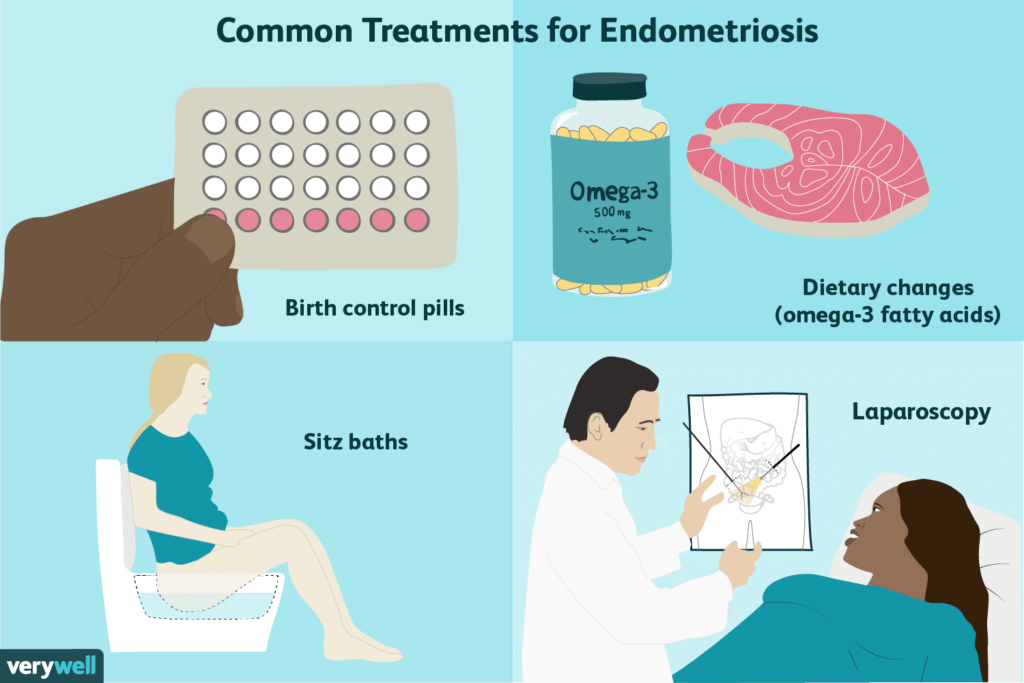
Laparoscopy is a minimally invasive surgical procedure that allows for direct visualization of the pelvic organs and the identification of endometriotic lesions. During laparoscopy, a thin, lighted tube called a laparoscope is inserted through small incisions in the abdomen. This allows the surgeon to examine the pelvic organs, remove any visible endometriotic lesions or adhesions, and obtain tissue samples for histological confirmation.
Medical Treatments for Endometriosis
Medical treatments aim to alleviate pain, reduce inflammation, and manage symptoms associated with endometriosis. They can be used alone or in combination, depending on the severity of the condition and individual preferences.
Pain Medication
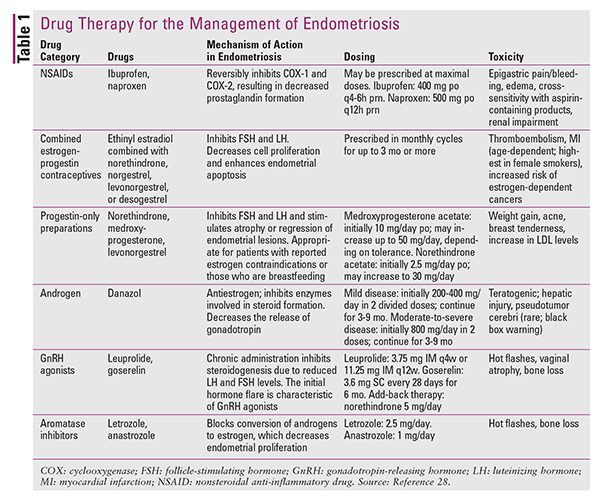
Over-the-counter nonsteroidal anti-inflammatory drugs (NSAIDs), such as ibuprofen, can help relieve mild to moderate pain associated with endometriosis. For more severe pain, prescription pain medications may be prescribed. It is important to consult with your healthcare provider before taking any medication to ensure its safety and effectiveness for your specific situation.
Hormonal Therapies
Hormonal therapies are commonly used to manage endometriosis and can include various options, such as birth control pills, hormone patches, or hormonal intrauterine devices (IUDs). These treatments work by regulating hormone levels, reducing menstrual flow, and suppressing the growth of endometriotic tissue. Hormonal therapies can help alleviate pain and slow down the progression of the condition.
Gonadotropin-Releasing Hormone (GnRH) Agonists
GnRH agonists are medications that block the production of certain hormones, including estrogen, which fuel the growth of endometriotic tissue. These medications induce a temporary state of menopause, suppressing menstruation and reducing the size of endometriotic lesions. GnRH agonists are mostly used as short-term therapies due to their potential side effects and are often accompanied by add-back hormone therapy to mitigate menopausal symptoms.
Progestin Therapy
Progestins, synthetic forms of the hormone progesterone, can help regulate the menstrual cycle and inhibit the growth of endometriotic tissue. Progestin therapy can be delivered through oral medications, injections, or intrauterine devices. It may help alleviate pain and reduce the recurrence of endometriosis lesions.

Surgical Treatments for Endometriosis
Surgical interventions are an option for individuals with severe endometriosis or those who do not respond well to medical treatments. The goal of surgery is to remove or destroy the endometriotic tissue and improve symptoms. The type of surgery performed depends on several factors, including the extent of the disease, the severity of symptoms, and the desire for fertility preservation.
Conservative Surgery
Conservative surgery aims to remove endometriotic lesions, adhesions, and other abnormalities while preserving the organs’ structure and function. It can be performed through laparoscopy or laparotomy, depending on the severity of the disease and the surgeon’s expertise.
Laparoscopic Surgery
Laparoscopic surgery, also known as keyhole surgery, is a minimally invasive procedure where small incisions are made in the abdomen to allow for the insertion of surgical instruments and a laparoscope. The surgeon can visualize and remove endometriotic lesions, adhesions, and cysts, reducing pain and improving fertility outcomes.
Laparotomic Surgery
Laparotomic surgery is a more extensive open procedure that requires a larger incision in the abdomen. This approach may be necessary for severe cases of endometriosis or when there are deeply infiltrating lesions involved. Laparotomic surgery allows for better access and more extensive removal of abnormal tissue, but it also requires a longer recovery period.
Hysterectomy
In cases where other treatments have been ineffective or fertility preservation is no longer a concern, a hysterectomy may be considered. A hysterectomy involves the surgical removal of the uterus and, in some cases, the removal of the cervix and ovaries. This procedure can provide significant relief from endometriosis symptoms, but it is a permanent solution to fertility.
Alternative and Complementary Therapies
In addition to conventional medical and surgical treatments, some individuals may explore alternative and complementary therapies to manage their endometriosis symptoms. These therapies can be used alongside traditional treatments and may provide additional support or symptom relief. It is important to discuss these options with your healthcare provider to ensure their safety and effectiveness.
Acupuncture
Acupuncture involves the insertion of thin needles into specific points on the body to promote balance and relieve pain. Some individuals may find acupuncture helpful in managing pain associated with endometriosis, although more research is needed to establish its efficacy.
Chiropractic Care
Chiropractic care focuses on the manipulation and adjustment of the spine and musculoskeletal system to improve overall health and alleviate pain. While some individuals may find chiropractic treatments beneficial for their endometriosis-related pelvic pain, it is essential to consult with a qualified chiropractor who has experience working with individuals with endometriosis.
Herbal Medicine
Herbal medicine, including the use of specific herbs and plant extracts, has been explored by some individuals with endometriosis. However, the effectiveness and safety of herbal medicine for endometriosis management are not well-established. It is crucial to consult with a trained herbalist or healthcare provider before using any herbal remedies.
Nutritional Supplements
Certain nutritional supplements, such as omega-3 fatty acids, magnesium, and vitamin E, have been suggested to alleviate pain and inflammation associated with endometriosis. However, individual responses to supplements can vary, and it is important to consult with a healthcare provider before incorporating any supplements into your treatment plan.
Pain Management Techniques
Managing pain is a crucial aspect of endometriosis treatment. Alongside medical and surgical interventions, several pain management techniques can help individuals find relief and improve their quality of life.
Heat and Cold Therapy
Applying a heating pad or taking a warm bath can help relax pelvic muscles and alleviate pain associated with endometriosis. Cold therapy, such as using an ice pack, can also provide temporary relief by numbing the affected area and reducing inflammation.
Transcutaneous Electrical Nerve Stimulation (TENS)
TENS is a technique that uses low-voltage electrical currents to stimulate nerves and relieve pain. Small electrode pads are placed on the skin near the painful areas, and the device delivers mild electrical impulses. TENS units can be used at home and provide a non-invasive option for pain relief.
Physical Therapy
Physical therapy, specifically pelvic floor physical therapy, focuses on exercises and techniques to strengthen the pelvic floor muscles and improve overall pelvic function. Physical therapists trained in treating pelvic floor dysfunction can provide personalized treatment plans to target endometriosis-related pain and pelvic floor dysfunction.
Stress Reduction Techniques
Stress can exacerbate pain and inflammation in individuals with endometriosis. Techniques such as deep breathing exercises, mindfulness meditation, yoga, and relaxation techniques can help manage stress levels and reduce pain perception.
Lifestyle Changes for Endometriosis Management
In addition to medical and complementary treatments, certain lifestyle changes can contribute to managing endometriosis symptoms and improving overall well-being.
Dietary Modifications
Some individuals find that certain dietary changes can help reduce endometriosis-related symptoms. Avoiding foods that trigger inflammation, such as processed foods, red meat, and high-fat dairy products, and incorporating a balanced diet rich in fruits, vegetables, whole grains, and lean proteins can provide relief for some individuals. Keeping a food diary can help identify any potential triggers.
Exercise and Physical Activity
Engaging in regular low-impact exercise, such as walking, swimming, or cycling, can help improve circulation, manage weight, and reduce pain associated with endometriosis. Exercise also releases endorphins, natural pain-relieving chemicals in the body, promoting a sense of well-being.
Stress Management
Finding effective stress management techniques, such as engaging in hobbies, practicing relaxation exercises, or seeking counseling, can be beneficial for individuals with endometriosis. Reducing stress levels can help decrease inflammation, pain, and overall symptom severity.
Sleep Optimization
Getting enough quality sleep is essential for managing endometriosis symptoms. Establishing a consistent sleep schedule, creating a calm sleep environment, and practicing good sleep hygiene can contribute to better sleep quality and overall well-being.
Supportive Therapies for Emotional Well-being
Living with endometriosis can be challenging emotionally, often causing feelings of frustration, sadness, or anxiety. Incorporating supportive therapies into the treatment plan can help individuals cope with the emotional impact of the condition.
Counseling and Psychotherapy
Individual or group counseling sessions with a qualified therapist can provide a safe space to discuss the emotional challenges associated with endometriosis. Therapy can help individuals develop healthy coping mechanisms, improve self-esteem, and manage stress related to their condition.
Support Groups
Joining a support group or online community of individuals with endometriosis can offer a valuable source of understanding, support, and shared experiences. Connecting with others facing similar challenges can help reduce feelings of isolation and provide a sense of empowerment.
Mindfulness and Meditation
Practicing mindfulness and meditation techniques can help individuals cultivate self-awareness, reduce stress, and improve overall well-being. Mindfulness encourages focusing on the present moment and accepting one’s experiences without judgment, allowing for a greater sense of peace.
Journaling
Keeping a journal to document thoughts, feelings, and experiences related to endometriosis can be therapeutic. Journaling offers an outlet for self-reflection and can help individuals gain insights into their emotions, track symptom patterns, and establish a sense of control over their condition.
Fertility Preservation Options
Endometriosis can impact fertility, and for individuals who desire to have children in the future, fertility preservation options may be considered. It is important to discuss these options with a reproductive specialist or fertility expert.
Fertility Medications
Fertility medications, such as gonadotropins or oral ovulation-inducing drugs, may be prescribed to stimulate egg production and improve ovulation in individuals with endometriosis. These medications can be used in combination with assisted reproductive technologies.
In Vitro Fertilization (IVF)
In Vitro Fertilization (IVF) is a fertility treatment that involves the retrieval and fertilization of eggs outside the body, followed by the transfer of embryos into the uterus. IVF can be an effective option for individuals with endometriosis-related infertility, as it bypasses obstructed or damaged fallopian tubes.
Egg Freezing
Egg freezing, or oocyte cryopreservation, allows individuals to preserve their eggs for future use. This option can be considered before undergoing surgical treatments or other interventions that may impact fertility.
Sperm Donation
For individuals without a partner or with male-factor infertility, sperm donation can be a viable option for achieving pregnancy. Sperm donors can be chosen through licensed sperm banks or through known sperm donors, depending on personal preferences.
Managing Endometriosis in Adolescents
Adolescents diagnosed with endometriosis face unique challenges due to their developmental stage and the impact of the condition on their physical and emotional well-being. Special considerations need to be taken into account when managing endometriosis in this age group.
Special Considerations for Adolescents
Adolescents need age-appropriate information about endometriosis to understand their condition and actively participate in their treatment plan. Healthcare providers should consider the impact of endometriosis on academic and social activities and provide appropriate support and accommodations.
Communication and Support
Open and effective communication is vital when managing endometriosis in adolescents. Healthcare providers, parents, and other support systems should actively listen to the adolescent’s concerns, validate their experiences, and provide emotional support throughout their journey.
Treatment Approaches
The treatment approaches for adolescents with endometriosis are similar to those for adults but may require additional consideration. Conservative medical therapies and hormonal interventions are often the first-line treatments. The use of surgical interventions is generally reserved for severe cases or when symptoms do not improve with medical management.
Educational Resources
Providing educational resources, such as books, articles, or online materials, tailored to adolescents, can help them better understand their condition and treatment options. Age-appropriate materials can empower adolescents to make informed decisions about their health and actively participate in their care.
Managing endometriosis is a multidimensional journey that requires a comprehensive approach. By combining medical treatments, surgical interventions, alternative therapies, pain management techniques, lifestyle modifications, and emotional support, individuals with endometriosis can find effective ways to manage their condition, alleviate pain, and improve their overall quality of life. It is important to consult with a healthcare provider specializing in endometriosis to develop a personalized treatment plan tailored to individual needs and goals. With the right care and support, living well with endometriosis is possible.