
Experiencing excessive sweating can be a challenging and uncomfortable ordeal, but fear not! This article is here to provide you with a comprehensive guide on managing hyperhidrosis. Whether you find yourself constantly drenched in sweat or you simply want to understand this condition better, we’ve got you covered. From potential causes and symptoms to various treatment options, this article will empower you with the knowledge and strategies needed to effectively manage excessive sweating and regain your confidence. So, let’s dive in and explore the world of hyperhidrosis together!

Understanding Hyperhidrosis
Hyperhidrosis is a medical condition characterized by excessive sweating beyond what is necessary to regulate body temperature. It can significantly impact a person’s quality of life, causing embarrassment, discomfort, and emotional distress. If you find that you are sweating excessively and it is interfering with your daily activities, it may be a good idea to understand more about hyperhidrosis.
What is hyperhidrosis?
Hyperhidrosis is a condition characterized by excessive sweating. It can occur in localized areas of the body, such as the hands, feet, underarms, or face, or it can be more generalized, affecting multiple areas at once. People with hyperhidrosis may experience profuse sweating even in cool environments or during periods of rest. This condition is not related to typical triggers like physical activity or warm weather.
Types of hyperhidrosis
There are two main types of hyperhidrosis, primary and secondary. Primary hyperhidrosis refers to excessive sweating without an underlying medical condition causing it. This type typically starts during childhood or adolescence and tends to be hereditary. Secondary hyperhidrosis, on the other hand, is caused by an underlying medical condition or a medication side effect.
Causes of hyperhidrosis
The exact cause of primary hyperhidrosis is still unknown, but it is thought to be related to an overactive sympathetic nervous system. Secondary hyperhidrosis can be caused by various factors, including medical conditions such as hyperthyroidism, menopause, obesity, diabetes, or certain infections. Medications like antidepressants and certain blood pressure medications can also cause excessive sweating. Identifying the cause of hyperhidrosis is essential in determining the most effective treatment approach.
Diagnosing Hyperhidrosis
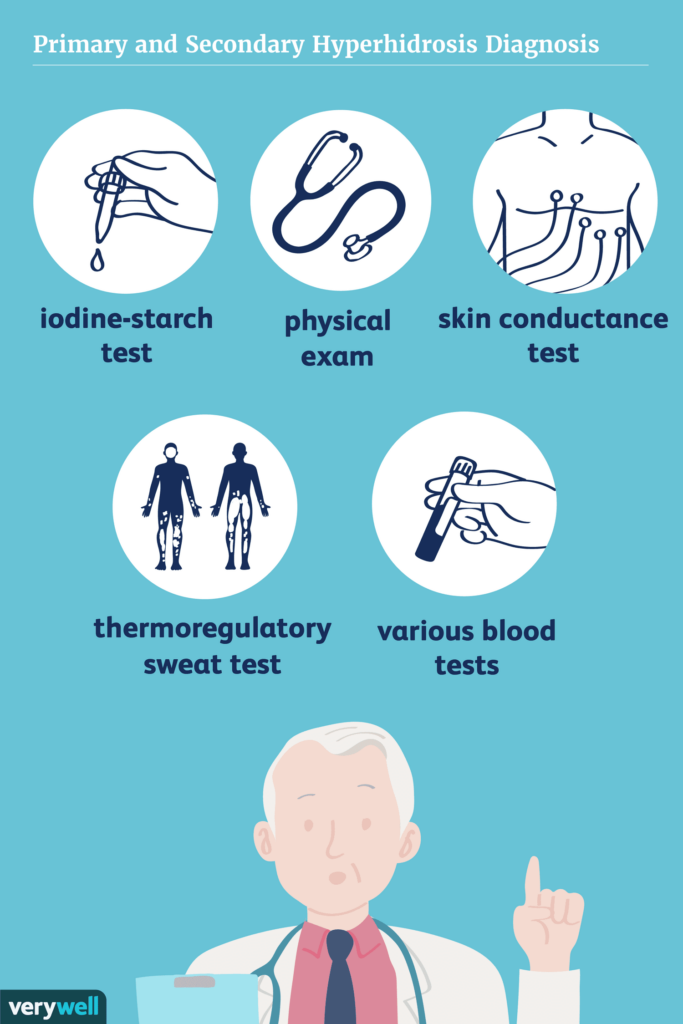
If you suspect you have hyperhidrosis, it is important to seek a medical diagnosis to confirm the condition and rule out any underlying causes. The following methods are commonly used for diagnosing hyperhidrosis:
Physical examination
During a physical examination, a healthcare professional will assess your sweating patterns, areas of the body affected, and potential triggers. They may also examine your skin for any other signs of an underlying condition.
Medical history
Providing a detailed medical history is crucial in diagnosing hyperhidrosis. Your doctor will ask about your symptoms, when they started, and any family history of excessive sweating. They may also inquire about other medical conditions or medications you are taking that could contribute to the problem.
Diagnostic tests
In some cases, your doctor may recommend additional tests to identify or rule out any underlying causes of hyperhidrosis. These tests may include blood tests, urine tests, or even a sweat test. A sweat test involves applying a powder that changes color upon contact with sweat to the affected area and measuring the amount of sweat produced.

Treating Hyperhidrosis
While hyperhidrosis may not have a cure, there are various treatment options available to manage the symptoms effectively. The choice of treatment will depend on the severity of symptoms, the areas affected, and the underlying cause of hyperhidrosis. Some common treatment methods include:
Over-the-counter treatments
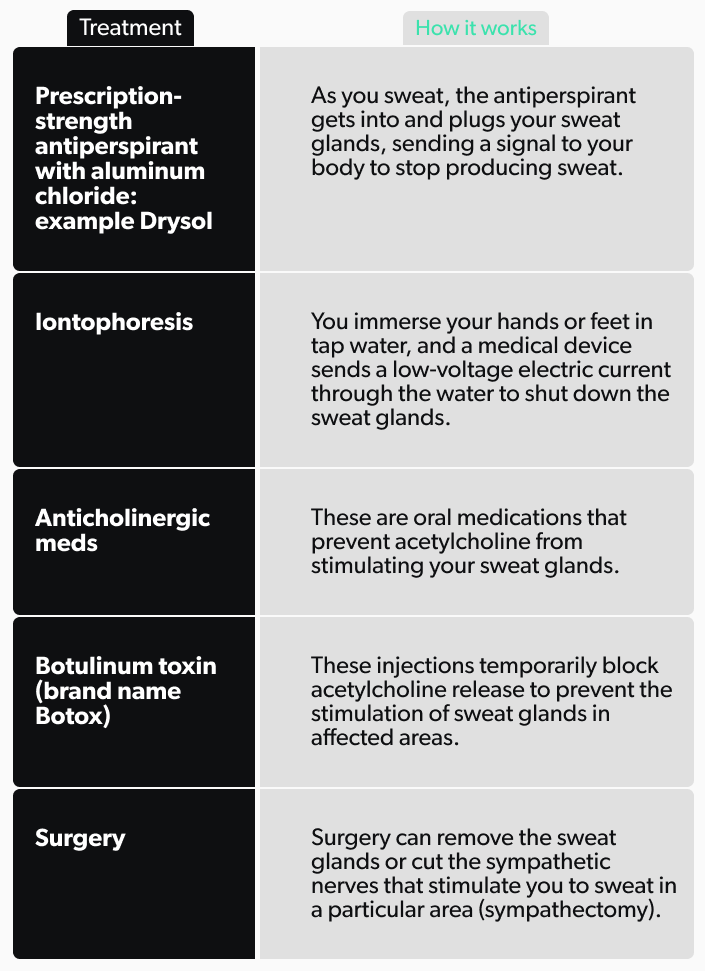
For mild cases of hyperhidrosis, over-the-counter antiperspirants can often provide relief. Look for products containing aluminum chloride, which helps block sweat ducts. These antiperspirants can be applied to the affected areas, such as the underarms or palms, before bed and washed off in the morning.
Prescription medications
In more severe cases, prescription medications may be recommended. These medications work by reducing the activity of the sweat glands. One common medication prescribed for hyperhidrosis is anticholinergics, which can help decrease sweating throughout the body.
Topical antiperspirants
Prescription-strength antiperspirants containing aluminum chloride hexahydrate can also be prescribed for hyperhidrosis. These are applied directly to the skin and can help block sweat from reaching the surface.
Iontophoresis
Iontophoresis is a treatment that involves passing a mild electrical current through water or a wet pad. It is typically used for excessive sweating on the hands and feet. The electric current temporarily blocks the sweat glands, thereby reducing sweating.
Botox injections
Botox injections are another effective treatment option for hyperhidrosis. When injected into the affected area, Botox temporarily blocks the nerves responsible for activating the sweat glands, reducing excessive sweating. However, the effects of Botox injections are temporary and typically last for several months.
Surgery
For severe cases of hyperhidrosis that do not respond to other treatments, surgical intervention may be considered. Surgical options include sweat gland removal, nerve surgery, or even sympathectomy, which involves cutting or clamping certain nerves to reduce sweating. However, surgery should only be considered as a last resort when all other treatment options have been exhausted.
Lifestyle Changes to Manage Hyperhidrosis
In addition to medical treatments, certain lifestyle changes can help manage hyperhidrosis and minimize its impact on your daily life. Here are some tips to consider:
Choosing the right clothing
Wearing loose, breathable fabrics like cotton or linen can help minimize sweating and allow for better air circulation. Opt for light-colored clothes to hide any visible sweat stains and choose clothes with moisture-wicking properties, specifically designed to keep you dry.
Managing stress
Stress and anxiety can often trigger excessive sweating. Learning stress-management techniques such as deep breathing exercises, meditation, or yoga can help reduce stress levels and minimize the occurrence of sweating episodes.
Maintaining personal hygiene
Proper hygiene is essential for managing hyperhidrosis. Take regular showers or baths using antibacterial soap to prevent any odor-causing bacteria from thriving on your skin. Dry yourself thoroughly after bathing, paying extra attention to the areas prone to excessive sweating.
Developing a healthy diet
While diet alone cannot cure hyperhidrosis, certain foods and drinks can exacerbate sweating. Avoiding spicy foods, caffeine, alcohol, and hot beverages can help reduce the likelihood of triggering excessive sweating episodes.

Natural Remedies for Hyperhidrosis
If you prefer to explore natural remedies alongside medical treatments for hyperhidrosis, several options may provide some relief. Keep in mind that natural remedies may work differently for each individual, and it is important to consult with your healthcare provider before trying any new approaches. Here are some natural remedies commonly suggested for hyperhidrosis:
Apple cider vinegar
Apple cider vinegar is believed to help balance the pH level of the skin and reduce excessive sweating. It can be applied topically to the affected areas or diluted with water and used as a natural deodorant.
Sage tea
Sage tea has been used for centuries to reduce sweating. Drinking sage tea or applying cooled sage tea topically can potentially help control excessive sweating. However, it is important to consult with a healthcare professional before using sage tea as a remedy.
Witch hazel
Witch hazel is a natural astringent that can help shrink the skin’s pores, reducing sweating. It can be applied to the affected areas using a cotton ball or added to bathwater.
Tomato juice
Drinking tomato juice regularly is believed to help regulate body temperature and reduce excessive sweating. It is recommended to drink a glass of tomato juice daily to potentially manage hyperhidrosis.
Baking soda
Baking soda can act as a natural deodorant and has absorbent properties that help soak up sweat. Applying a thin layer of baking soda to the affected areas may help reduce excessive sweating and control body odor.
Coping Strategies for Hyperhidrosis
Living with hyperhidrosis can be challenging, but there are coping strategies that can make it more manageable. Here are some helpful tips to consider:
Carrying extra clothes and towels
Always be prepared by carrying spare clothes and towels in case you experience a sweating episode. This will help you stay fresh and dry throughout the day, particularly if you are away from home or on the go.
Using sweat-proof or moisture-wicking products
Investing in sweat-proof products, such as sweat-resistant clothing or absorbent undergarments, can help keep you dry and comfortable. Moisture-wicking socks and insoles for your shoes can also provide relief for sweaty feet.
Avoiding trigger foods and drinks
Certain foods and drinks can trigger excessive sweating or worsen existing symptoms. Spicy foods, caffeine, alcohol, and hot beverages are known to increase sweating in some individuals. Paying attention to your diet and avoiding these triggers can help minimize sweating episodes.
Engaging in relaxation techniques
Stress and anxiety can contribute to excessive sweating. Trying relaxation techniques, such as deep breathing exercises, yoga, or meditation, can help calm your mind and reduce stress levels. Incorporating these techniques into your daily routine may help manage hyperhidrosis.
Managing Hyperhidrosis in Specific Areas
Hyperhidrosis can affect different areas of the body, and managing sweating in specific regions may require additional strategies. Here are some suggestions for managing hyperhidrosis in common problem areas:
Scalp
To manage excessive sweating on the scalp, consider using a antiperspirant specifically designed for the scalp or a dry shampoo that can help absorb excess moisture. You can also try wearing a sweatband or a hat to absorb sweat and prevent it from dripping down your face.
Underarms
Using clinical-strength antiperspirants can be effective in managing excessive sweating in the underarm area. Applying antiperspirant at night before bed and again in the morning can provide all-day protection. In severe cases, Botox injections may be recommended to temporarily block the nerves responsible for activating the sweat glands.
Palms and soles
For excessive sweating on the palms and soles, iontophoresis can be an effective treatment method. Soaking your hands or feet in water while a low electrical current passes through can help reduce sweating. Prescription-strength antiperspirants or Botox injections may also be considered for palm or sole hyperhidrosis.
Face and neck
Managing excessive sweating on the face and neck can be challenging. Utilizing oil-free facial wipes, blotting papers, or facial powders can help absorb excess sweat and keep your skin looking fresh. Avoiding thick makeup products can also help minimize clogged pores and reduce sweating.
Groin and buttocks
Excessive sweating in the groin and buttocks area can be managed by wearing loose-fitting, breathable underwear made of moisture-wicking fabrics. Applying talcum powder or cornstarch to the area can also help absorb moisture and reduce friction.
Seeking Professional Help
If hyperhidrosis is significantly impacting your daily life or if you are unsure about available treatment options, it is important to seek professional help. The following specialists may be able to assist you:
Dermatologist
A dermatologist specializes in conditions affecting the skin, hair, and nails. They are well-equipped to diagnose and treat hyperhidrosis and can offer a range of treatment options, both medical and surgical.
Endocrinologist
If your excessive sweating is suspected to be related to an underlying medical condition, such as hyperthyroidism, diabetes, or hormonal imbalances, an endocrinologist can evaluate and manage these conditions, which may help alleviate or reduce hyperhidrosis symptoms.
Psychiatrist
In some cases, hyperhidrosis may be exacerbated by or associated with psychological factors, such as anxiety or stress. Consulting a psychiatrist or mental health professional can provide support and help develop coping strategies to manage the emotional impact associated with hyperhidrosis.
Support and Resources for Those with Hyperhidrosis
Living with hyperhidrosis can be challenging, but you are not alone. There are various support groups and online communities available where individuals with hyperhidrosis can find understanding, share experiences, and exchange coping strategies. Additionally, educational websites can provide reliable information and resources to help individuals learn more about hyperhidrosis and its management.
Hyperhidrosis support groups
Find local or online support groups specifically tailored to hyperhidrosis. These groups offer a safe space for individuals to share their experiences, seek advice, and find support from others who understand what they are going through.
Online communities
Online communities and forums dedicated to hyperhidrosis allow individuals to connect with others facing the same challenges. These platforms provide an opportunity to ask questions, share experiences, and gain valuable insights from people who have first-hand experience with managing hyperhidrosis.
Educational websites
Educational websites, such as the International Hyperhidrosis Society, provide comprehensive information about the condition, its causes, and treatment options. These websites offer valuable resources, recommended reading material, and access to clinical trials or research studies, ensuring individuals have access to the latest information on hyperhidrosis.
Research and Future Trends in Hyperhidrosis
Doctors and researchers are continually working to advance the understanding and treatment of hyperhidrosis. Ongoing research and clinical trials aim to find new treatment approaches, explore the causes of hyperhidrosis more deeply, and delve into advancements in technology. Clinical trials offer opportunities for individuals to participate in research studies and contribute to the development of new treatment options.
Clinical trials
Participating in clinical trials can provide access to cutting-edge treatments and therapies that may not yet be widely available. Clinical trials help researchers gather data and evaluate the safety and effectiveness of new treatments, potentially revolutionizing the management of hyperhidrosis.
New treatment approaches
Researchers are constantly exploring new treatment approaches for hyperhidrosis. These may include innovative medications, surgical techniques, or non-invasive treatments that can improve the quality of life for individuals living with hyperhidrosis.
Advancements in technology
Advancements in technology, such as improved sweat-monitoring devices or wearable gadgets, may offer new ways to manage hyperhidrosis. These technological developments aim to provide individuals with real-time data and personalized solutions to better understand and control excessive sweating.
In summary, managing hyperhidrosis requires a comprehensive approach that combines medical treatments, lifestyle changes, natural remedies, and coping strategies. Seeking professional help, finding support networks, and staying informed about the latest research and treatment advancements can empower individuals with hyperhidrosis to effectively manage their condition and live a fulfilling life. Remember, you are not alone in your journey, and there are resources available to support you every step of the way.