
Are you interested in learning how to effectively manage liver failure? In this article, we will explore the importance of lifestyle changes and medications in the management of liver failure. By adopting healthier habits and utilizing prescribed medications, you can take control of your condition and improve your overall well-being. From dietary modifications to exercise routines, we will guide you through the various lifestyle changes that can make a positive impact on your liver health. Additionally, we will discuss the role of medications in reducing symptoms, preventing complications, and slowing down the progression of liver failure. So, let’s embark on this journey together and discover the key to managing liver failure effectively.
1. Understanding Liver Failure
1.1 Definition of liver failure
Liver failure is a serious medical condition that occurs when the liver is no longer able to function properly. The liver plays a crucial role in various metabolic processes, including detoxification, synthesis of proteins, and production of bile. When the liver fails, these essential functions are compromised, leading to a range of symptoms and complications.
1.2 Causes of liver failure
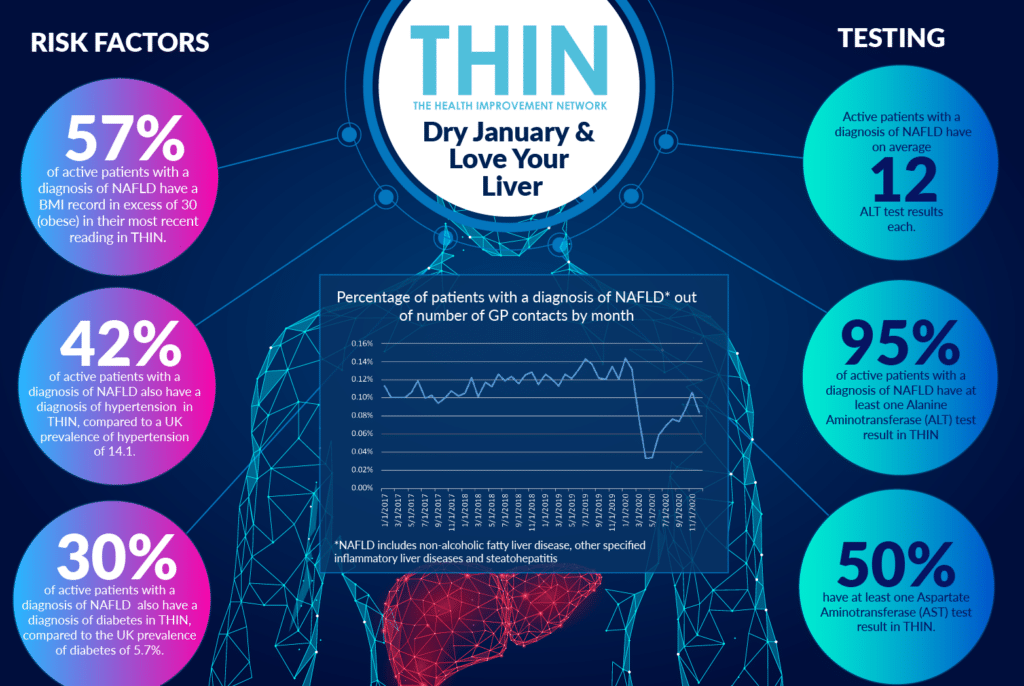
Liver failure can be caused by several factors, including chronic diseases such as hepatitis B and C, excessive alcohol consumption, non-alcoholic fatty liver disease, autoimmune hepatitis, and genetic liver diseases. Additionally, certain medications, toxins, and infections can also contribute to liver failure. Understanding the underlying cause is essential for effective management and treatment of liver failure.
2. Symptoms of Liver Failure
2.1 Early signs and symptoms
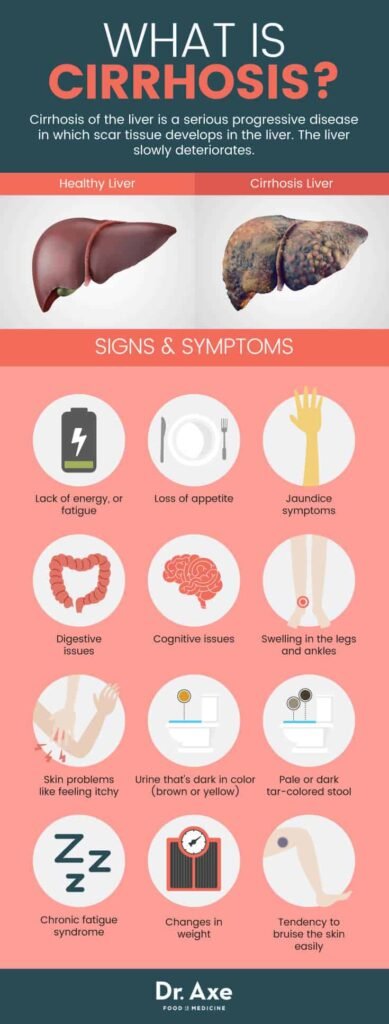
In the early stages of liver failure, you may experience symptoms such as fatigue, nausea, loss of appetite, and abdominal discomfort. You might also notice changes in your bowel movements, including diarrhea or constipation. It is important to pay attention to these early signs and seek medical attention promptly to prevent further progression.
2.2 Advanced signs and symptoms
As liver failure progresses, more severe symptoms may develop. These can include jaundice, which is the yellowing of the skin and eyes, dark-colored urine, swelling in the legs and abdomen, easy bruising or bleeding, and mental confusion. These advanced symptoms indicate a more critical stage of liver failure and require immediate medical intervention.
3. Diagnosing Liver Failure
3.1 Physical examination and medical history
When diagnosing liver failure, your healthcare provider will begin by conducting a physical examination and reviewing your medical history. They will examine your abdomen for any signs of swelling or tenderness and inquire about any symptoms you may be experiencing. Providing a comprehensive medical history allows your healthcare provider to understand any underlying conditions or factors that may contribute to liver failure.
3.2 Laboratory tests
Laboratory tests are essential in diagnosing liver failure. These tests may include blood tests to evaluate liver function, measure levels of liver enzymes, and check for markers of inflammation. Additionally, blood tests can help identify the underlying cause of liver failure, such as viral infections or autoimmune conditions. Imaging tests, such as ultrasound or MRI, may also be performed to assess the size and condition of the liver.
3.3 Imaging tests
Imaging tests play a crucial role in evaluating the liver and identifying any structural abnormalities. Ultrasound is a commonly used imaging technique that uses sound waves to create images of the liver. It can help determine if the liver is enlarged, fatty, or if there are any signs of tumors or blockages. Magnetic resonance imaging (MRI) and computed tomography (CT) scans are other imaging techniques that may be used to provide more detailed information about the liver’s condition.
4. Lifestyle Changes for Liver Failure Management
4.1 Diet modifications
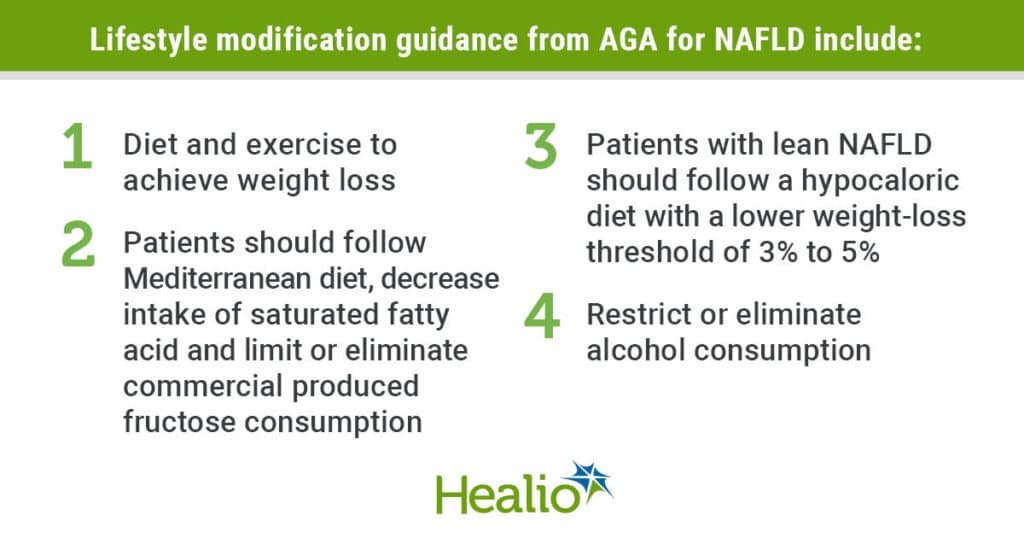
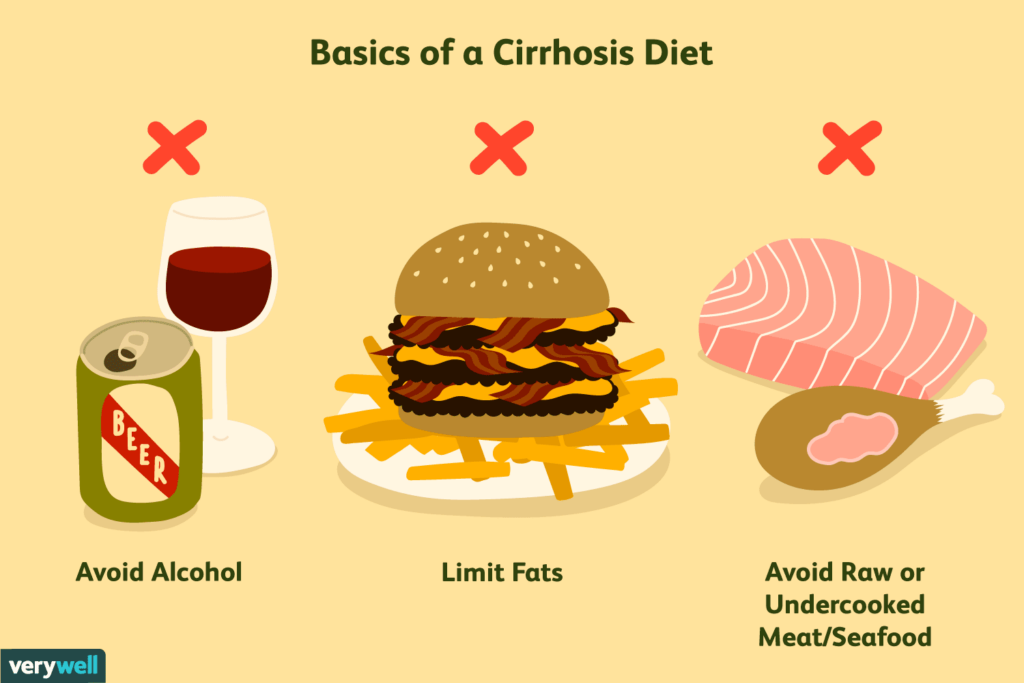
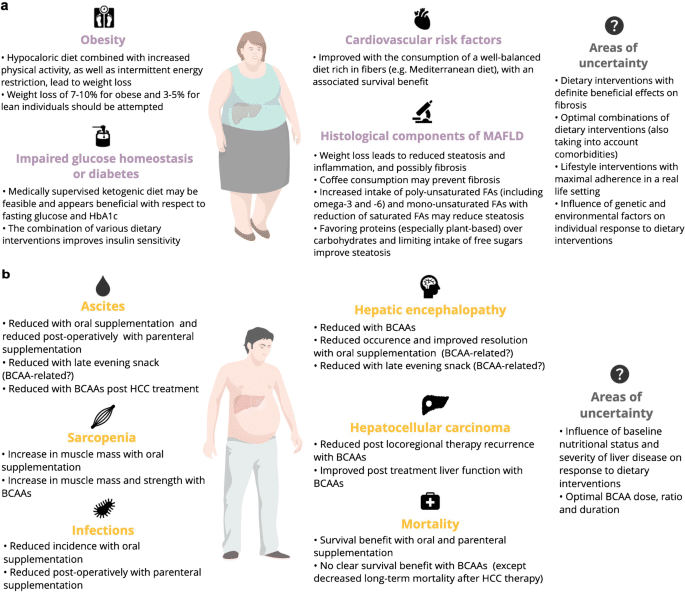
Making specific dietary changes can greatly contribute to the management of liver failure. It is important to focus on a balanced diet that includes a variety of fruits, vegetables, whole grains, and lean proteins. Limiting your intake of sodium and processed foods is crucial, as excessive sodium can lead to fluid retention. Additionally, reducing the consumption of saturated fats and added sugars can help improve liver function and overall health.
4.2 Avoiding alcohol and recreational drugs
One of the most critical lifestyle changes for managing liver failure is the complete avoidance of alcohol and recreational drugs. These substances can cause further damage to the liver and hinder its ability to regenerate or heal. It is important to seek support from healthcare professionals, counselors, or support groups to overcome any addiction and maintain long-term sobriety.
4.3 Maintaining a healthy weight
Maintaining a healthy body weight is essential for liver health. Obesity and excess weight can contribute to the development of fatty liver disease, which can progress to liver failure. Incorporating regular physical activity into your routine and following a well-balanced diet can help achieve or maintain a healthy weight. Your healthcare provider can provide guidance on suitable exercise routines and dietary plans.
5. Medications for Liver Failure Management
5.1 Symptom management medications
Certain medications can help manage the symptoms associated with liver failure. These medications may include diuretics to reduce fluid buildup in the body, anti-emetics to control nausea and vomiting, and analgesics to alleviate pain. It is important to work closely with your healthcare provider to determine the most suitable medications and dosage for your specific needs.
5.2 Medications for underlying liver conditions
If liver failure is caused by an underlying liver condition, such as hepatitis B or C, specific antiviral medications may be prescribed to manage the condition and slow down the progression of liver damage. Immunosuppressive medications may also be prescribed for autoimmune liver diseases, helping to suppress the immune system and reduce inflammation.
5.3 Medications for liver regeneration
In some cases, medications may be prescribed to promote liver regeneration and improve liver function. These medications can stimulate the growth of new liver cells and support the regeneration process. Your healthcare provider will determine if these medications are suitable for your specific situation and monitor their effectiveness closely.
6. Managing Complications of Liver Failure
6.1 Ascites management
Ascites, the accumulation of fluid in the abdomen, is a common complication of liver failure. To manage ascites, your healthcare provider may prescribe diuretics to help reduce fluid buildup and sodium restrictions to minimize fluid retention. In more severe cases, a procedure called paracentesis may be performed to remove excess fluid from the abdomen.
6.2 Hepatic encephalopathy management
Hepatic encephalopathy is a condition in which toxins build up in the bloodstream due to the liver’s inability to detoxify effectively. To manage hepatic encephalopathy, dietary modifications that restrict protein intake may be necessary. Medications such as lactulose can help eliminate toxins from the body and reduce the risk of mental confusion and impaired brain function.
6.3 Variceal bleeding management
Varices, which are enlarged veins in the esophagus or stomach, can rupture and cause life-threatening bleeding in individuals with liver failure. To manage variceal bleeding, procedures like endoscopic band ligation or sclerotherapy may be performed to stop the bleeding and prevent future episodes. Medications such as beta-blockers may also be prescribed to reduce the risk of bleeding.
7. Liver Transplantation as a Treatment Option
7.1 Criteria for liver transplantation
Liver transplantation may be considered as a treatment option for individuals with end-stage liver failure. The criteria for liver transplantation include having a life-threatening liver condition, having a high likelihood of survival following the transplantation, and meeting certain medical criteria. A thorough evaluation by a transplant team is necessary to determine eligibility for liver transplantation.
7.2 The process of liver transplantation
The process of liver transplantation involves finding a suitable donor organ, which can come from a deceased or living donor. Once a suitable donor is identified, the transplantation surgery takes place, during which the diseased liver is removed and replaced with the healthy liver. The surgery is complex and requires a specialized transplant team to ensure a successful outcome.
7.3 Post-transplant care
Following liver transplantation, post-transplant care is essential to ensure the long-term success of the procedure. This includes taking immunosuppressive medications to prevent organ rejection, regular follow-up appointments, and monitoring of liver function. Lifestyle modifications, such as avoiding alcohol and maintaining a healthy weight, are crucial to protect the transplanted liver.
8. Supportive Care for Liver Failure Patients
8.1 Nutritional support
Nutritional support plays a vital role in managing liver failure. Working with a registered dietitian can help develop a personalized meal plan that meets specific dietary needs. Nutritional supplementation may also be recommended to ensure adequate intake of essential nutrients. Additionally, support groups and counseling services can provide emotional support and guidance during the management of liver failure.
8.2 Palliative care
In advanced stages of liver failure, palliative care may be necessary to improve the quality of life and provide comfort to patients. Palliative care focuses on symptom management, pain relief, emotional support, and addressing the psychological and spiritual needs of the patient. It aims to ensure the patient’s comfort and dignity throughout the course of their illness.
9. Emphasizing Regular Monitoring and Follow-Up
9.1 Importance of regular check-ups
Regular check-ups are crucial for individuals with liver failure. These appointments allow healthcare providers to monitor liver function, assess the effectiveness of treatment plans, and address any emerging concerns. Regular check-ups also provide an opportunity to adjust medications or interventions as needed and ensure optimal management of liver failure.
9.2 Monitoring liver function
Monitoring liver function involves conducting regular blood tests to check levels of liver enzymes, markers of inflammation, and signs of liver damage. These tests help healthcare providers track the progression of liver failure, assess the effectiveness of medications or interventions, and identify any complications that may arise. Close monitoring of liver function allows for timely adjustments to treatment plans and improved overall management.
9.3 Psychosocial support
Managing liver failure can be emotionally challenging for individuals and their families. It is essential to seek psychosocial support through counseling, support groups, or therapy. These resources can provide a safe space to discuss fears, frustrations, and any psychological distress related to the diagnosis and management of liver failure. Psychosocial support plays a crucial role in maintaining overall well-being and coping with the changes and challenges that come with liver failure.
10. Prevention Strategies for Liver Failure
10.1 Vaccinations
Vaccinations are an essential preventive measure to protect against liver diseases such as hepatitis A and B. Hepatitis A and B vaccines can help prevent infection and reduce the risk of developing liver failure. It is important to discuss with your healthcare provider which vaccinations are recommended based on your medical history and individual risk factors.
10.2 Avoiding toxic substances
To prevent liver failure, it is important to avoid exposure to toxic substances that can damage the liver. This includes avoiding excessive alcohol consumption, recreational drug use, and exposure to harmful chemicals or medications without proper precautions. Taking steps to minimize exposure to toxins can significantly reduce the risk of developing liver failure.
10.3 Managing chronic liver diseases
If you have a chronic liver disease, it is crucial to manage it effectively to reduce the risk of liver failure. This may involve regular medical check-ups, following prescribed treatment plans, and incorporating healthy lifestyle practices such as maintaining a balanced diet, exercising regularly, and avoiding excessive alcohol consumption. Working closely with your healthcare provider can help effectively manage chronic liver diseases and minimize the risk of progression to liver failure.
In conclusion, understanding liver failure is vital in effectively managing this complex condition. From recognizing symptoms and seeking timely medical attention to making necessary lifestyle changes and exploring treatment options, there are various approaches to mitigating the impact of liver failure. By prioritizing regular monitoring, embracing supportive care, and implementing prevention strategies, individuals with liver failure can experience improved quality of life and better overall outcomes.