
You’ve recently been diagnosed with an acoustic neuroma, and the ringing in your ears, the persistent tinnitus, is a constant reminder. It’s understandable to feel overwhelmed. As your Listicle Content Architect, my aim is to break down the complexities of managing this specific type of tinnitus into actionable, digestible advice. You’re not alone in this, and there are strategies that can help you regain a sense of control and improve your quality of life. We’ll explore not only what acoustic neuroma-related tinnitus is but also how to confront it head-on, focusing on practical steps you can implement daily.
You might be experiencing tinnitus as an isolated symptom, or it could be accompanied by other issues related to your acoustic neuroma. Understanding the nuances is crucial for effective management. This section dives into why your acoustic neuroma is causing this specific type of tinnitus and what makes it unique.
What is Tinnitus and How Does it Relate to Acoustic Neuromas?
Tinnitus, at its core, is the perception of sound when no external sound is present. For many, it’s a high-pitched ringing, but it can manifest as buzzing, hissing, clicking, or even roaring. When it comes to acoustic neuromas, the tinnitus is typically unilateral, meaning it affects only one ear. This is a key differentiator from other causes of tinnitus.
An acoustic neuroma is a non-cancerous tumor that grows on the vestibulocochlear nerve. This nerve has two main functions: managing hearing (cochlear division) and balance (vestibular division). The tumor, as it grows, can compress this nerve, disrupting the signals sent to your brain.
- ### The Mechanism of Nerve Compression
As the tumor on the vestibulocochlear nerve enlarges, it exerts pressure. This compression can interfere with the nerve’s ability to accurately transmit auditory information. Think of it like a pinched wire; the signal gets distorted or interrupted. This disruption can be interpreted by your brain as sound, even though there’s no actual external source. The location and size of the neuroma will often dictate the severity and characteristics of the tinnitus. A smaller neuroma might cause mild, intermittent ringing, while a larger one could lead to more constant and intrusive sounds, often accompanied by other symptoms.
- ### Why Unilateral Tinnitus is a Red Flag
The fact that your tinnitus is likely in only one ear is a significant clue. While many common causes of tinnitus, like age-related hearing loss or noise exposure, can affect one or both ears, unilateral tinnitus is a more specific indicator. When coupled with other potential symptoms like hearing loss, fullness in the ear, or dizziness on the same side, it strongly suggests a problem originating from the inner ear or the cranial nerves responsible for hearing and balance. Your doctor will likely have considered this when making the diagnosis of an acoustic neuroma.
- ### Differentiating from Other Tinnitus Causes
It’s important to distinguish acoustic neuroma-related tinnitus from other forms. For instance, pulsatile tinnitus, which sounds like a heartbeat or rhythmic pulsing, is often related to blood flow issues. Tinnitus caused by earwax buildup or middle ear infections would typically have other associated ear symptoms. Understanding that your tinnitus is directly linked to the neuroma allows for a more targeted approach to management, focusing on both the direct symptom and the underlying cause.
Strategies for Managing Your Tinnitus: A Multi-faceted Approach
Managing tinnitus caused by an acoustic neuroma requires a holistic approach. There isn’t a single “cure,” but rather a combination of therapies and lifestyle adjustments designed to reduce its impact and improve your perception of it. You’ll find that a proactive stance, combined with the right support, can make a significant difference.
Lifestyle Adjustments for Tinnitus Relief
Small, consistent changes in your daily habits can have a surprisingly large impact on how you experience tinnitus. These are adjustments you have direct control over.
- ### Minimizing Exposure to Loud Noises
Your auditory system is already compromised, and further exposure to loud sounds can exacerbate your tinnitus and potentially worsen any existing hearing loss. This means being mindful of your environment.
- Everyday Situations: When you know you’ll be in noisy environments like concerts, sporting events, or even crowded restaurants, make it a habit to wear hearing protection. This can include simple earplugs or noise-canceling headphones.
- Occupational Hazards: If your job involves significant noise exposure, discuss this with your employer. They may be able to implement noise reduction measures or provide you with appropriate protection.
- Household Chores: Even activities like using a vacuum cleaner or lawnmower can produce damaging noise levels. Consider using ear protection during these times.
- ### Reducing Stimulants and Stressors
Certain substances and emotional states can amplify tinnitus. Identifying and minimizing your personal triggers is a key part of management.
- Caffeine and Nicotine: Both caffeine and nicotine are stimulants that can increase blood flow and nerve activity, which may in turn heighten the perception of tinnitus for some individuals. Gradual reduction, rather than abrupt cessation, is often recommended to avoid withdrawal symptoms.
- Alcohol: While the effects vary, alcohol can dehydrate you and interfere with sleep, both of which can indirectly worsen tinnitus. Moderation is advisable, and some may find complete avoidance beneficial.
- Salt Intake: High sodium intake can affect fluid balance in the body, and for some individuals with tinnitus, it can lead to an increase in the perceived loudness of their ear sounds. Aim for a low-sodium diet.
- ### Prioritizing Sleep Hygiene
Poor sleep quality can significantly worsen your perception of tinnitus. When you’re tired, your brain is less able to filter out the unwanted sounds.
- Consistent Schedule: Try to go to bed and wake up around the same time each day, even on weekends. This helps regulate your body’s natural sleep-wake cycle.
- Relaxing Bedtime Routine: Engage in calming activities before bed, such as reading, taking a warm bath, or gentle stretching. Avoid screens and stimulating content.
- Optimizing Your Sleep Environment: Ensure your bedroom is dark, quiet, and cool. If complete silence is difficult due to your tinnitus, consider using a white noise machine or a fan to create a more consistent, masking sound.
Sound Therapy and Masking Techniques
The goal here isn’t to eliminate the tinnitus sound, but to make it less noticeable by introducing other, more pleasant, or less intrusive sounds. Your brain can learn to prioritize these new sounds over the ringing.
- ### White Noise Machines and Apps
These devices and applications generate a continuous, randomized sound across all audible frequencies. This broad spectrum of sound can effectively “cover up” or mask the tinnitus, making it less prominent.
- How They Work: White noise is thought to provide a constant auditory backdrop that makes the tinnitus sound less distinct and therefore less bothersome. It can help retrain your brain’s auditory processing.
- What to Look For: You can find dedicated white noise machines or numerous smartphone apps that offer a variety of sound options, including white noise, pink noise, brown noise, and natural sounds like rain or ocean waves. Experiment to find what works best for you.
- Usage Tips: It’s often recommended to use sound generators at a low volume, just loud enough to be noticeable but not so loud that it interferes with your ability to hear conversations or other important sounds.
- ### Tinnitus Retraining Therapy (TRT)
TRT is a more comprehensive approach that combines sound therapy with directive counseling. The aim is to help your brain habituate to the tinnitus, essentially teaching it to ignore the sound.
- The Two Components:
- Directive Counseling: Educating you about tinnitus, its causes, and how it’s perceived. This helps reduce anxiety and the negative emotional response associated with the tinnitus.
- Sound Generation: Using specifically designed devices that produce low-level, broadband noise to facilitate habituation.
- Long-Term Goal: TRT doesn’t aim to eliminate tinnitus immediately but to make it less perceptually significant over time, so it fades into the background of your awareness. It’s a gradual process that requires commitment.
- ### Environmental Enrichment with Sound
Beyond dedicated devices, strategically using existing sounds can also be beneficial.
- Nature Sounds: Playing recordings of gentle rain, ocean waves, or forest sounds can provide a soothing auditory backdrop. Many apps and streaming services offer these.
- Calming Music: Listening to soft, instrumental music can also help mask tinnitus and promote relaxation. Avoid music with sudden loud passages or strong vocals that can be jarring.
Cognitive Behavioral Therapy (CBT) for Tinnitus Management
CBT is a powerful therapeutic tool that addresses the emotional and psychological impact of tinnitus. It helps you change your automatic thoughts and behaviors related to your tinnitus, leading to a reduction in distress.
- ### Understanding the Tinnitus Reaction Cycle
CBT recognizes that while the tinnitus sound itself might be constant, your reaction to it can fluctuate and often makes it worse. This reaction often involves negative thoughts, anxiety, and frustration, which in turn can amplify the perception of the tinnitus.
- The Vicious Cycle: You hear the tinnitus (stimulus) -> you think “This is unbearable, I’ll never get used to it” (negative thought) -> you feel anxious and stressed (emotional response) -> your body becomes more tense and your senses more heightened (physiological response), which makes the tinnitus seem louder and more noticeable.
- Breaking the Cycle: CBT aims to identify and challenge these negative thought patterns, replacing them with more balanced and constructive ones.
- ### Developing Coping Mechanisms and Strategies
CBT empowers you with practical tools to manage your thoughts and feelings about tinnitus.
- Cognitive Restructuring: This involves identifying irrational or unhelpful thoughts about your tinnitus and challenging them with evidence and alternative perspectives. For example, instead of thinking “My tinnitus is ruining my life,” a more balanced thought might be “My tinnitus is present, but I am learning to manage its impact.”
- Behavioral Strategies: This might include developing relaxation techniques like deep breathing or progressive muscle relaxation, which can help counteract the physiological stress response associated with tinnitus. It also involves learning to re-engage in activities you might have been avoiding due to your tinnitus.
- Mindfulness and Acceptance: Learning to observe your tinnitus without judgment, rather than fighting against it, can significantly reduce its perceived annoyance. Acceptance doesn’t mean liking the tinnitus, but rather acknowledging its presence and focusing on what you can control.
- ### The Role of a Trained Therapist
While you can learn some CBT principles on your own, working with a therapist trained in tinnitus management can be particularly effective. They can guide you through the process, tailor strategies to your specific needs, and provide a supportive environment for change.
Medical and Audiological Interventions: When to Seek Professional Help
Your acoustic neuroma diagnosis itself signifies a need for medical oversight. Certain interventions, aimed at managing the tumor or your hearing, can also impact your tinnitus.
Regular Audiological Assessments and Monitoring
Your hearing is directly linked to your tinnitus and the health of your vestibulocochlear nerve. Regular checks are essential.
- ### Baseline Hearing Tests and Tracking Changes
When you’re first diagnosed, comprehensive hearing tests (audiograms) will establish your baseline hearing ability. These tests are repeated periodically.
- Purpose: To monitor for any progression of hearing loss, which is common with acoustic neuromas. Tracking these changes can also help understand how they correlate with your tinnitus.
- Interpretation: Your audiologist will analyze the results, noting any shifts, and discuss how these relate to your tinnitus and potentially the growth of the neuroma.
- ### Ear-Level Sound Devices
These are not typically “treatments” in the sense of curing tinnitus, but rather assistive devices that can help.
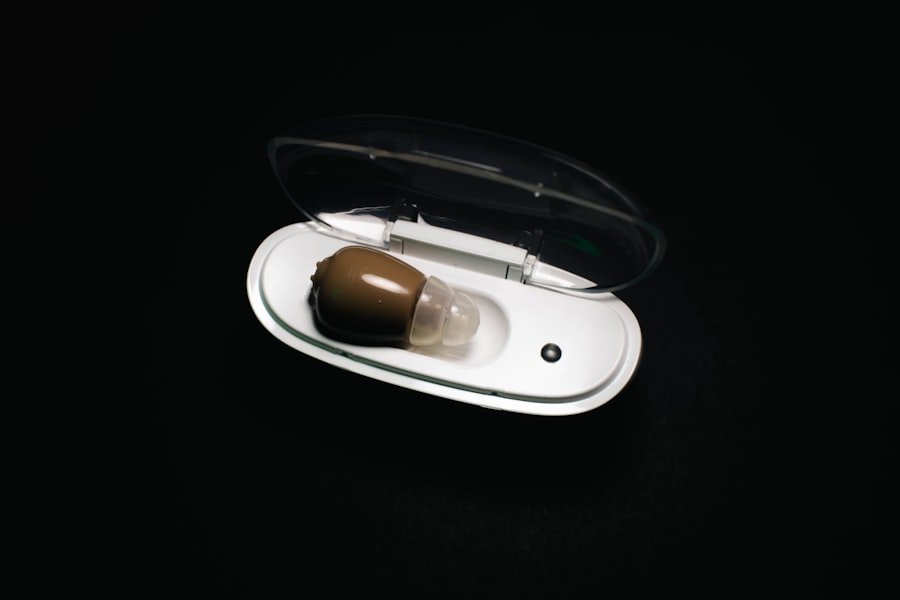
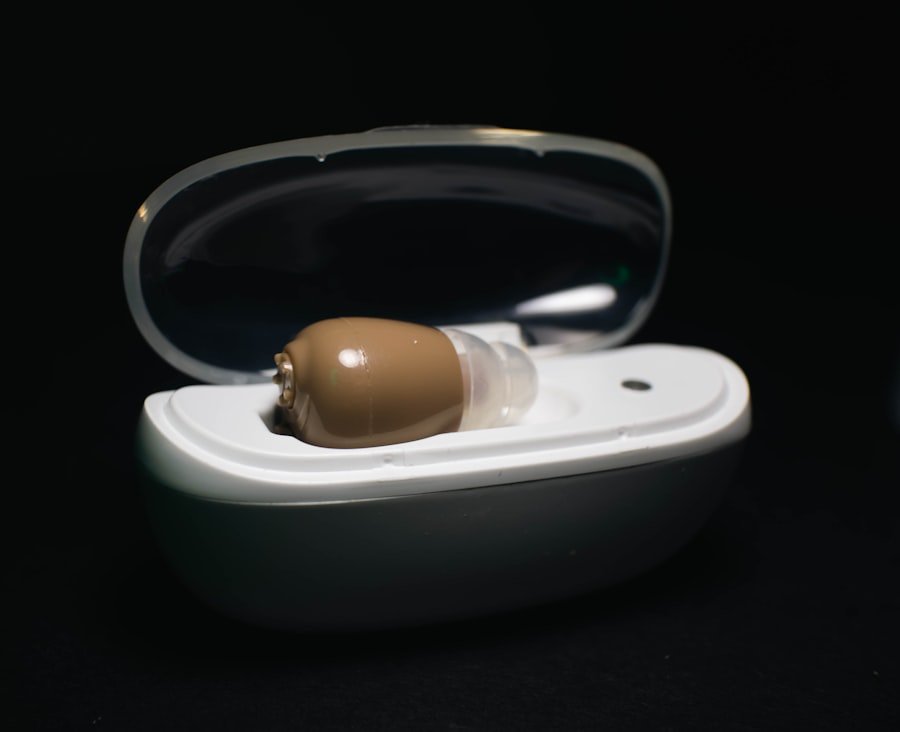
- Combination Devices: Some modern hearing aids and specialized tinnitus devices incorporate sound generators. They can amplify external sounds to improve hearing clarity while simultaneously emitting masking sounds to help manage tinnitus.
- Customized Settings: A qualified audiologist can help you select and program these devices to your specific needs, ensuring the amplification and masking settings are optimized for your hearing profile and tinnitus characteristics.
Surgical and Radiotherapy Options: Addressing the Root Cause
While primarily aimed at treating the acoustic neuroma itself, these interventions can also have profound effects on your tinnitus.
- ### Surgical Resection of the Acoustic Neuroma
If surgery is recommended for your acoustic neuroma, the goal is to remove the tumor. The outcome for tinnitus is highly variable and depends on several factors.
- Potential for Improvement: In some cases, after the tumor is removed, the pressure on the vestibulocochlear nerve is relieved, leading to a decrease or even disappearance of tinnitus. This is more likely if the tinnitus was directly caused by the compression and the nerve is not significantly damaged.
- Potential for Worsening or New Tinnitus: Conversely, the surgery itself can sometimes lead to temporary or permanent changes in hearing and tinnitus. Nerve manipulation during surgery, even with the best microsurgical techniques, can impact nerve function. The surgeon will discuss these risks thoroughly with you.
- Post-Operative Management: After surgery, you will likely undergo rehabilitation and ongoing audiological evaluations to monitor your hearing and manage any residual tinnitus.
- ### Radiotherapy (Stereotactic Radiosurgery)
This treatment uses focused radiation to control the growth of the acoustic neuroma, often without surgery.
- Impact on Tinnitus: Similar to surgery, the effects on tinnitus are variable. Radiotherapy aims to stop tumor growth, and in doing so, may prevent further compression of the nerve, potentially stabilizing or improving tinnitus over time.
- Gradual Changes: The effects of radiotherapy on the tumor and the nerve are usually gradual, and it can take months or even years to see the full impact on your tinnitus. Some individuals experience no change, while others notice an improvement.
- Monitoring: Close monitoring by your medical team is essential to assess the tumor’s response and manage any ongoing tinnitus symptoms.
Newer Therapeutic Avenues and Research
The field of tinnitus and acoustic neuroma research is continually evolving. Staying informed about potential future treatments can offer hope.
- ### Ongoing Clinical Trials
Researchers are constantly investigating new treatments and therapies for tinnitus and acoustic neuroma. Participating in a clinical trial might provide access to cutting-edge treatments.
- What to Consider: Clinical trials are research studies and may involve experimental treatments. It’s important to discuss the potential benefits, risks, and your eligibility with your doctor.
- Finding Trials: Your neurologist, neurosurgeon, or audiologist can often provide information about relevant clinical trials in your area or online resources cataloging ongoing research.
- ### Emerging Technologies
Innovations in neurotechnology and audiology are always on the horizon.
- Neuromodulation Techniques: These are experimental treatments that aim to alter nerve activity, potentially influencing how the brain processes tinnitus signals. Examples include transcranial magnetic stimulation (TMS) or electrical stimulation.
- Advanced Diagnostics: Better understanding of the neural pathways involved in tinnitus, facilitated by advanced imaging and diagnostic tools, could lead to more targeted and effective treatments in the future.
Building a Support Network: You Don’t Have to Cope Alone
Dealing with a chronic condition like tinnitus, especially when linked to a tumor, can be emotionally and mentally taxing. Connecting with others and seeking professional support is vital for your well-being.
The Importance of Emotional and Psychological Support
Your emotional response to tinnitus can significantly influence your overall experience. Learning to manage these feelings is as critical as managing the sound itself.
- ### Addressing Anxiety and Depression
Living with persistent tinnitus and the underlying diagnosis of an acoustic neuroma can understandably lead to feelings of anxiety and even depression.
- Recognizing the Signs: Be aware of persistent feelings of sadness, hopelessness, excessive worry, irritability, or loss of interest in activities you once enjoyed. These are not signs of weakness but rather understandable reactions to significant health challenges.
- Seeking Professional Help: Don’t hesitate to talk to a mental health professional, such as a therapist or counselor, who specializes in chronic illness or tinnitus. They can provide tools and strategies to manage these emotions.
- ### Relaxation Techniques and Mindfulness
These practices can help reduce the stress response that often amplifies tinnitus.
- Deep Breathing Exercises: Simple, consistent practice can calm your nervous system. Inhale deeply through your nose, hold for a few seconds, and exhale slowly through your mouth.
- Progressive Muscle Relaxation: This technique involves tensing and then releasing different muscle groups in your body, helping you become more aware of and release physical tension.
- Mindfulness Meditation: This involves focusing your attention on the present moment without judgment. It can help you observe your tinnitus without letting it dictate your emotional state. Guided mindfulness meditations are widely available.
Connecting with Others: Support Groups and Online Communities
Sharing your experiences with people who truly understand can be incredibly validating and provide practical advice.
- ### In-Person Support Groups
Connecting with individuals who live with acoustic neuromas or similar conditions can offer a unique sense of camaraderie and shared understanding.
- Finding Local Groups: Your hospital or clinic might have information about local support groups. Organizations dedicated to brain tumors or neurological conditions are also good resources.
- Benefits: These groups offer a safe space to share challenges, coping strategies, and personal victories. You can learn from others’ experiences and offer support in return.
- ### Online Forums and Social Media Groups
The internet provides a vast network of individuals facing similar health journeys.
- Anonymity and Accessibility: Online communities offer a convenient way to connect, sometimes with a greater sense of anonymity. You can find numerous forums and Facebook groups dedicated to acoustic neuroma and tinnitus.
- Information Sharing: These platforms are often abuzz with shared tips, research updates, and personal stories. However, always critically evaluate information and discuss it with your medical team.
Communicating with Your Healthcare Team
Open and honest communication with your doctors and audiologists is paramount.
- ### Keeping a Tinnitus Journal
This simple yet powerful tool can help you track your tinnitus and identify patterns.
- What to Record: Note the time of day, the loudness or nature of your tinnitus, what you were doing, what you ate, your stress levels, and any treatments you used.
- Benefits: This journal can provide valuable insights for you and your healthcare providers, helping them tailor treatment plans and understand what might be exacerbating your symptoms.
- ### Preparing for Appointments
Making the most of your appointments ensures you get the answers and support you need.
- List Your Questions: Before each appointment, jot down any questions or concerns you have about your tinnitus, your neuroma, or your treatment plan.
- Discuss Your Journal Findings: Share relevant entries from your tinnitus journal with your doctor. This provides concrete data to discuss.
- Be Honest About Your Struggles: Don’t downplay your symptoms or emotional distress. Your healthcare team is there to help you manage all aspects of your condition.
Conclusion: Navigating Your Journey with Acoustic Neuroma and Tinnitus
| Managing Tinnitus Caused by Acoustic Neuroma |
|---|
| 1. Tinnitus Retraining Therapy (TRT) |
| 2. Cognitive Behavioral Therapy (CBT) |
| 3. Sound Therapy |
| 4. Medications (e.g. antidepressants, antianxiety drugs) |
| 5. Stress Management Techniques |
You are on a journey of managing a complex condition. The tinnitus associated with your acoustic neuroma is a significant challenge, but it doesn’t have to define your life. By understanding the nature of your tinnitus, implementing a combination of lifestyle adjustments, sound therapy, and cognitive strategies, and by actively engaging with your healthcare team and support network, you can significantly improve your quality of life. This listicle has provided a framework, a structured approach to tackling this issue. Remember, progress is often incremental, and celebrating small victories along the way is crucial. You have the power to adapt, to learn, and to thrive, even with the persistent hum of tinnitus. Continue to educate yourself, advocate for your needs, and know that a more peaceful auditory existence is within reach.
FAQs
What is an acoustic neuroma?
An acoustic neuroma is a non-cancerous tumor that develops on the main nerve leading from the inner ear to the brain. It can cause hearing loss, ringing in the ear (tinnitus), and balance problems.
How does an acoustic neuroma cause tinnitus?
The presence of an acoustic neuroma can lead to tinnitus by putting pressure on the nerves responsible for hearing and balance. This pressure can cause the brain to interpret the signals as sound, leading to the perception of tinnitus.
What are the treatment options for managing tinnitus caused by acoustic neuroma?
Treatment options for managing tinnitus caused by acoustic neuroma may include medication, hearing aids, sound therapy, and in some cases, surgery to remove the tumor.
Can tinnitus caused by acoustic neuroma be cured?
In some cases, the tinnitus caused by acoustic neuroma can be managed and reduced through treatment. However, the underlying cause of the tinnitus, the acoustic neuroma, may require specific treatment or monitoring.
What should I do if I suspect I have tinnitus caused by acoustic neuroma?
If you suspect you have tinnitus caused by acoustic neuroma, it is important to seek medical attention from an ear, nose, and throat specialist or a neurologist. They can conduct tests to diagnose the underlying cause and recommend appropriate treatment options.