
Are you tired of the constant ringing or buzzing in your ears? The Mayo Clinic Tinnitus Treatment offers a comprehensive approach to managing and reducing the symptoms of tinnitus. From cutting-edge therapies to lifestyle modifications, this treatment program is designed to address the root causes of tinnitus and provide relief for those affected by this frustrating condition. With a team of experts and a personalized treatment plan, Mayo Clinic is dedicated to helping you find peace and quiet again. Discover the Mayo Clinic Tinnitus Treatment and take the first step towards a quieter life.
Overview
What is tinnitus?
Tinnitus is the perception of sound in the ears or head when no external sound is present. It is often described as a ringing, buzzing, hissing, or clicking sound. While it can be temporary or occasional for some individuals, for others, it can be a chronic condition that significantly impacts their quality of life.
Types of tinnitus
There are two main types of tinnitus: subjective tinnitus and objective tinnitus. Subjective tinnitus is the most common type and is only heard by the person experiencing it. Objective tinnitus, on the other hand, can be heard by a healthcare professional during an examination. It is often caused by blood vessel problems or muscle contractions in the ear.
Causes of Tinnitus
Age-related hearing loss
As we age, it is common for our hearing to deteriorate. This age-related hearing loss, known as presbycusis, can lead to tinnitus. The loss of hearing sensitivity can cause the brain to compensate by generating abnormal sounds.
Exposure to loud noises
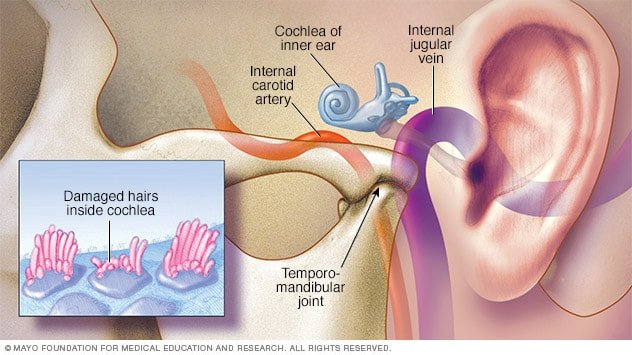
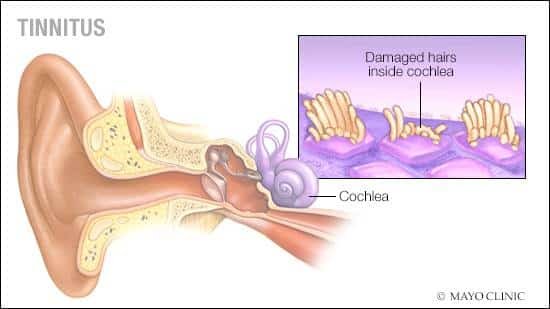
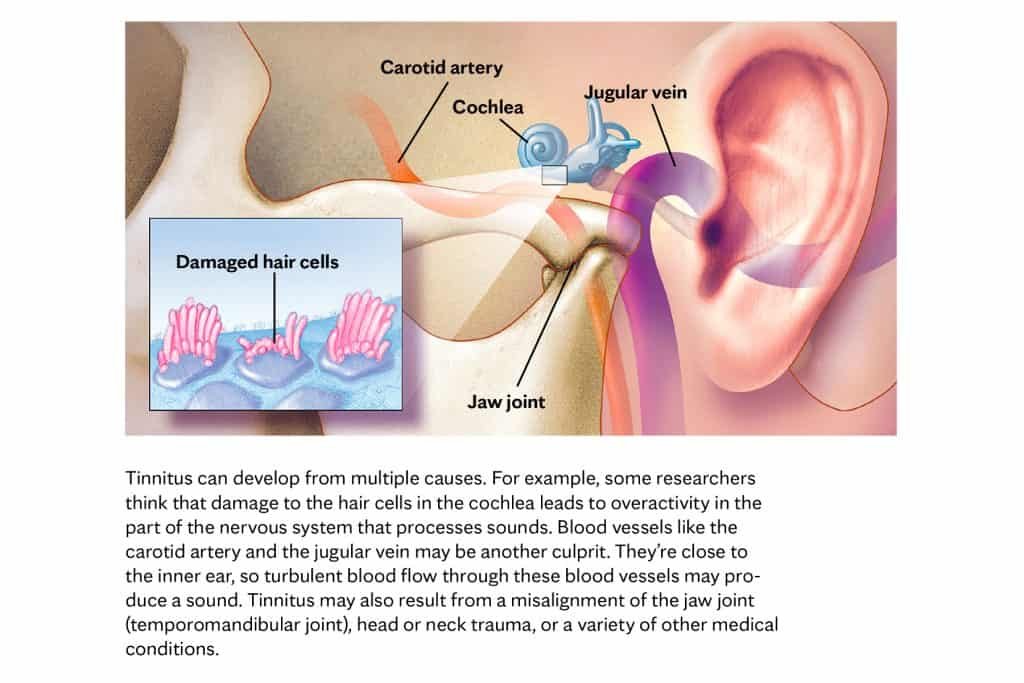
Repeated exposure to loud noises, such as music concerts, construction sites, or loud machinery, can damage the delicate structures in the inner ear. This damage can result in chronic tinnitus.
Earwax blockage
A buildup of earwax can cause a blockage in the ear canal, leading to tinnitus. This is easily treatable by a healthcare professional who can safely remove the earwax.
Ear bone changes
Abnormal growth or stiffening of the tiny bones in the middle ear can interfere with the transmission of sound and lead to tinnitus.
Certain medications
Some medications, such as antibiotics, cancer drugs, diuretics, and antidepressants, can cause tinnitus as a side effect. If you suspect a medication may be the cause of your tinnitus, consult your healthcare provider.
Medical conditions
Tinnitus can be associated with certain medical conditions, including high blood pressure, diabetes, thyroid problems, temporomandibular joint (TMJ) disorders, and ear or sinus infections. Treating these underlying conditions may help alleviate tinnitus symptoms.
Diagnosis
Physical examination
During a physical examination, a healthcare provider will check your ears, head, neck, and neurological system to determine the source of your tinnitus. They may also ask about your medical history and any medications you are taking.
Hearing tests
Hearing tests, such as audiometry and tympanometry, are commonly used to assess your hearing abilities and identify any hearing loss that may be contributing to your tinnitus.
Imaging tests
In some cases, imaging tests like magnetic resonance imaging (MRI) or computed tomography (CT) scans may be ordered to rule out any structural abnormalities or tumors that could be causing tinnitus.
Treatment Options
Addressing underlying conditions
If an underlying medical condition or medication is causing tinnitus, treating or adjusting the treatment for that condition may help alleviate tinnitus symptoms. This might involve managing blood pressure, adjusting medications, or seeking appropriate treatment for related health issues.
Sound therapy
Sound therapy uses external noises, such as white noise, nature sounds, or music, to help distract your brain from the tinnitus sounds. This can be done through devices like sound machines or hearing aids with built-in sound generators.
Behavioral therapy
Behavioral therapy aims to help you change your response to tinnitus and reduce the distress it causes. Techniques like cognitive behavioral therapy (CBT) and mindfulness-based stress reduction (MBSR) can be effective in managing tinnitus-related anxiety and depression.
Medication
While there is no specific medication designed to cure tinnitus, certain medications may be prescribed to help manage the symptoms. These can include antidepressants, anti-anxiety drugs, and even some anticonvulsant medications.
Tinnitus retraining therapy
Tinnitus retraining therapy (TRT) aims to retrain your brain’s response to tinnitus, making it less noticeable and bothersome. It combines sound therapy with counseling to help you habituate to the tinnitus sounds over time.
Cognitive behavioral therapy
Cognitive behavioral therapy (CBT) for tinnitus focuses on addressing the negative thoughts and emotions associated with tinnitus. This therapy helps you develop coping mechanisms and change your perception of tinnitus, leading to improved quality of life.
Tinnitus Retraining Therapy (TRT)
How TRT works
TRT works by teaching your brain to ignore the tinnitus sounds. It involves wearing a device that emits low-level white noise or broadband sounds to provide a background noise and retrain your brain’s response to tinnitus.
Components of TRT
TRT typically consists of sound therapy, counseling, and educational components. Sound therapy helps to divert attention from the tinnitus sounds, counseling addresses any emotional distress, and education provides a better understanding of tinnitus and its management techniques.
Duration and success rate
The duration of TRT can vary depending on the individual. Some people may experience improvement within a few months, while others may take longer. Success rates of TRT also vary, with some individuals finding significant relief, while others may experience less improvement.
Cognitive Behavioral Therapy (CBT)
Goals of CBT for tinnitus
The primary goal of CBT for tinnitus is to change your negative thought patterns and emotional response to tinnitus. It aims to help you regain control over your life and reduce the impact of tinnitus on your overall well-being.
Techniques used in CBT for tinnitus
CBT for tinnitus may include techniques such as cognitive restructuring, relaxation training, stress management, and sleep improvement strategies. These techniques help to challenge negative thoughts, reduce anxiety, and improve coping skills.
Experimental Treatments
Transcranial magnetic stimulation
Transcranial magnetic stimulation (TMS) involves using magnetic fields to stimulate specific areas of the brain to potentially reduce tinnitus symptoms. This non-invasive procedure is still being studied and is not widely available.
Neuromodulation
Neuromodulation techniques, such as vagus nerve stimulation or deep brain stimulation, aim to modify the neural activity in the brain to alleviate tinnitus symptoms. While promising, more research is needed to determine their effectiveness for tinnitus treatment.
Injectable medications
Injectable medications, such as steroids or lidocaine, may be used to help reduce inflammation or block nerve signals associated with tinnitus. These treatments are still experimental and should be discussed with a healthcare provider.
Stem cell therapy
Stem cell therapy is an emerging field of research that aims to regenerate or repair damaged cells in the inner ear. While it shows promise for treating hearing loss, its effectiveness in treating tinnitus is still being investigated.
Complementary and Alternative Therapies
Acupuncture
Acupuncture involves inserting thin needles into specific points on the body to restore the body’s balance and alleviate symptoms. While some individuals report benefits from acupuncture for tinnitus, scientific evidence supporting its effectiveness is limited.
Hypnosis
Hypnosis can be used to help individuals relax and change their perception of tinnitus. It may help reduce anxiety and stress associated with tinnitus, but its effectiveness varies from person to person.
Herbal supplements
Certain herbal supplements, such as ginkgo biloba and zinc, have been proposed as potential treatments for tinnitus. However, scientific evidence regarding their effectiveness is inconclusive, and it is important to consult with a healthcare provider before taking any supplements.
Homeopathy
Homeopathy involves using highly diluted substances to stimulate the body’s natural healing response. While some individuals may report improvements in their tinnitus symptoms with homeopathic treatments, more research is needed to evaluate their efficacy.

Lifestyle and Home Remedies
Avoiding triggers
Identifying and avoiding any triggers that worsen your tinnitus, such as loud noises, caffeine, nicotine, or certain foods, can help reduce the intensity of the symptoms.
Managing stress
Stress can exacerbate tinnitus symptoms, so finding effective stress management techniques, such as exercise, meditation, or deep breathing exercises, can be beneficial in managing tinnitus.
Using background noise
Background noise, such as a fan, white noise machine, or calming music, can help mask the tinnitus sounds and make them less noticeable, especially during bedtime or quiet moments.
Relaxation techniques
Practicing relaxation techniques, such as progressive muscle relaxation, guided imagery, or yoga, can help reduce muscle tension, anxiety, and stress associated with tinnitus.
Support and Coping Strategies
Joining support groups
Joining a support group or connecting with others who experience tinnitus can provide emotional support, shared experiences, and coping strategies. Online communities and local support groups can be valuable resources.
Seeking counseling
If tinnitus is causing significant distress or impacting your mental health, seeking counseling from a mental health professional can help you address any emotional challenges and develop effective coping mechanisms.
Managing anxiety and depression
Anxiety and depression commonly coexist with tinnitus. Managing these conditions through therapy, medication, stress reduction techniques, and support from loved ones can improve overall well-being and help cope with tinnitus.
In conclusion, tinnitus is a prevalent condition that can significantly impact one’s quality of life. While there is no cure for tinnitus, various treatments, therapies, and coping strategies exist to help manage its symptoms and reduce distress. It is crucial to consult with a healthcare provider to determine the best course of action for your specific situation. Remember, you are not alone, and there is support available for dealing with tinnitus.
