
Are you or someone you know struggling with anorexia nervosa? If so, you’ll be delighted to learn about a natural remedy that could potentially alleviate some of your symptoms. In this article, we will explore the power of a holistic approach in treating anorexia nervosa, focusing on the benefits of integrating alternative therapies and natural remedies into your recovery journey. By embracing a comprehensive and compassionate approach, you can take important steps toward reclaiming your health and well-being.

Understanding Anorexia Nervosa
Anorexia Nervosa is a serious eating disorder characterized by an intense fear of gaining weight and a distorted body image. Individuals with anorexia often have an obsession with controlling their food intake, leading to severe restriction of calories and an unhealthy obsession with weight loss. This disorder can have devastating physical, emotional, and psychological impacts, making it crucial to understand its definition, prevalence, symptoms, and causes.
Definition of Anorexia Nervosa
Anorexia Nervosa is a psychiatric disorder that falls under the category of eating disorders. It is defined by the extreme restriction of food intake, resulting in significant weight loss and a body weight below the normal range for one’s age, height, and sex. Individuals with anorexia have a persistent fear of gaining weight or becoming fat, despite being underweight. This fear often leads to distorted body image, where they perceive themselves as overweight even when significantly underweight. Anorexia Nervosa can have severe physical and mental health consequences if not properly treated.
Prevalence of Anorexia Nervosa
Anorexia Nervosa affects individuals of all genders, ages, and backgrounds. It is estimated that around 1% of the general population will experience anorexia at some point in their lifetime. However, it is important to note that these statistics may not fully capture the true prevalence due to underreporting and undiagnosed cases. Anorexia is more commonly diagnosed in females, with young women being particularly vulnerable. However, it is crucial to recognize that males and individuals of all ages can also develop this eating disorder.
Symptoms of Anorexia Nervosa
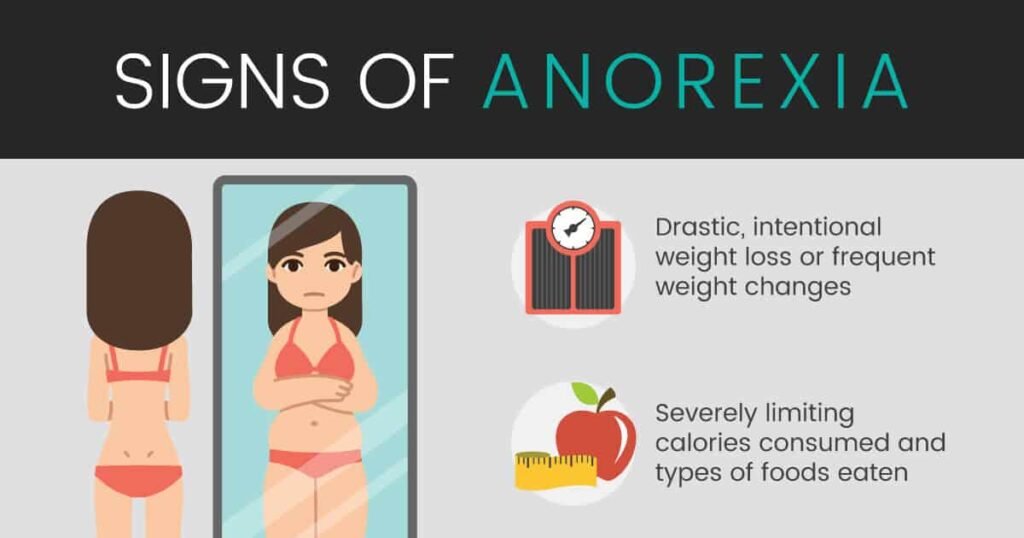
Recognizing the symptoms of anorexia is key to early intervention and effective treatment. Some common symptoms of anorexia include severe weight loss, refusal to maintain healthy body weight, an intense fear of gaining weight, obsession with food, restrictive eating habits, excessive exercise, distorted body image, low self-esteem, and denial of the seriousness of the condition. Physical symptoms can include fatigue, dizziness, loss of menstruation in females, brittle hair and nails, cold intolerance, and a weakened immune system. Identifying these symptoms and seeking professional help is crucial for recovery.
Causes of Anorexia Nervosa
The causes of anorexia are complex and multifactorial, involving a combination of genetic, biological, psychological, and sociocultural factors. While there is no single cause of anorexia, certain risk factors increase the likelihood of developing the disorder. These risk factors include genetics, temperament, low self-esteem, perfectionism, body dissatisfaction, societal pressure to be thin, trauma, history of abuse, and cultural factors that emphasize thinness. It is important to remember that anorexia is a complex condition influenced by a variety of factors, and understanding these causes can help inform effective treatment strategies.
The Role of Natural Remedies in Anorexia Nervosa
While natural remedies cannot replace professional care, they can play a supportive role in the treatment of anorexia nervosa. When used alongside evidence-based treatments, natural remedies can complement the recovery process and contribute to overall well-being.
Benefits of Natural Remedies
Natural remedies, such as herbal supplements and aromatherapy, can provide various benefits for individuals with anorexia. They can help alleviate anxiety, improve mood, increase appetite, promote relaxation, and aid in digestion. Additionally, natural remedies often have fewer side effects compared to medications, making them a potentially attractive option for those seeking alternative treatments.
Importance of Seeking Professional Help
It is crucial to emphasize that natural remedies should never be seen as a substitute for professional help. Anorexia Nervosa is a serious medical condition that requires a comprehensive and personalized treatment plan. Seeking the guidance of healthcare professionals, including doctors, psychologists, and dieticians, is vital for accurately diagnosing the disorder, addressing any underlying medical issues, and developing an appropriate treatment approach.
Natural Remedies as Complementary Treatment
Natural remedies can serve as complementary therapies to conventional treatments for anorexia nervosa. They can be incorporated into the overall treatment plan with the guidance of healthcare professionals. It is essential to discuss the use of natural remedies with your treatment team to ensure they are safe, appropriate, and effective in your specific case. A holistic approach that combines professional intervention, therapy, and natural remedies can help address the various aspects of the disorder and support the recovery process.
Use of Natural Remedies alongside Conventional Treatments
The use of natural remedies should always be discussed with a healthcare professional to ensure they are compatible with other treatments and medications. Some natural remedies may interact with medications or have contraindications that can compromise the effectiveness of conventional treatments. By working closely with healthcare professionals, individuals can make informed decisions and create a comprehensive treatment plan that integrates the benefits of natural remedies while prioritizing their overall health and well-being.
Lifestyle Changes for Anorexia Nervosa
Implementing certain lifestyle changes can play a significant role in supporting recovery from anorexia nervosa. These lifestyle changes focus on creating a supportive environment, establishing a consistent routine, promoting a positive body image, encouraging regular exercise, and implementing stress-relief techniques.
Importance of a Supportive Environment
Creating a supportive environment is crucial for individuals with anorexia. Surrounding yourself with understanding and empathetic individuals can provide emotional support during the recovery process. Loved ones should be educated about anorexia and its challenges to foster a compassionate and nurturing environment for healing.
Establishing a Consistent Routine
Establishing a consistent routine can help bring stability and structure to daily life. Regular meal times and sleep patterns can provide a sense of predictability, which can be reassuring for individuals with anorexia. Consistency can also help regulate hunger cues, maintain a healthy eating pattern, and promote overall well-being.
Promoting a Positive Body Image
Promoting a positive body image is essential for individuals with anorexia. It is important to challenge negative thoughts and beliefs about body shape and weight. Engaging in activities that promote self-acceptance, such as journaling, practicing affirmations, or engaging in body-positive exercises, can help foster a healthier relationship with one’s body.
Encouraging Regular Exercise
Exercise can have numerous benefits for individuals with anorexia, as long as it is done in a healthy and balanced manner. Engaging in physical activities that are enjoyable, rather than driven solely by weight loss goals, can help improve mood, build strength, and enhance overall well-being. It is crucial to work with healthcare professionals to determine appropriate exercise guidelines that align with an individual’s current health status.
Implementing Stress-Relief Techniques
Stress can exacerbate anorexia symptoms, making it important to implement stress-relief techniques. Techniques such as deep breathing exercises, meditation, yoga, and mindfulness can help individuals manage stress and improve their ability to cope with challenging emotions. These techniques can provide a sense of calm and support the recovery process.
Nutritional Approaches for Anorexia Nervosa
Nutritional approaches are a fundamental component of the treatment plan for anorexia nervosa. These approaches focus on re-establishing a healthy relationship with food, promoting balanced and nutrient-dense diets, implementing gradual meal plans, practicing mindful eating, and ensuring adequate intake of essential nutrients.
Balanced and Nutrient-Dense Diet
A balanced and nutrient-dense diet is essential for restoring the health of individuals with anorexia. This includes incorporating a variety of nutrient-rich foods from all food groups, such as fruits, vegetables, lean proteins, whole grains, and healthy fats. A dietitian can provide personalized guidance on appropriate portion sizes and meal planning to ensure individuals receive the necessary nutrients for their recovery and overall well-being.
Gradual Meal Plan and Regular Eating Pattern
Gradual meal plans and regular eating patterns are beneficial for individuals with anorexia to restore their relationship with food and establish a healthy eating routine. Gradual meal plans involve increasing meal frequency and portion sizes over time, helping individuals overcome their fear of food and weight gain. Regular eating patterns ensure consistent nourishment and stabilize blood sugar levels, reducing the risk of bingeing or purging behaviors.
Mindful Eating and Portion Control
Practicing mindful eating and portion control can help individuals with anorexia develop a healthier relationship with food. Mindful eating involves paying full attention to the sensory experience of eating, including taste, texture, and satisfaction. Portion control allows individuals to respect their body’s hunger and fullness cues, promoting a balanced approach to nutrition while avoiding extreme restriction.
Including Foods with Healthy Fats
Including foods with healthy fats in the diet is crucial for individuals with anorexia. Healthy fats, found in foods such as avocados, nuts, seeds, and olive oil, are essential for various bodily functions. Consuming adequate amounts of healthy fats can prevent deficiencies, support brain health, and contribute to overall well-being.
Supplementing with Essential Nutrients
Supplementing with essential nutrients may be necessary in cases of severe malnutrition or micronutrient deficiencies. This should always be done under the guidance of a healthcare professional to ensure safe and appropriate supplementation. Nutritional supplements, such as vitamins, minerals, and omega-3 fatty acids, can help bridge nutritional gaps and support the recovery process.

Herbal Remedies for Anorexia Nervosa
Herbal remedies can offer additional support for individuals with anorexia, although their effectiveness varies from person to person. It is important to discuss the use of herbal remedies with a healthcare professional, especially if you have any underlying medical conditions or are taking medications, as certain herbal remedies can have interactions or contraindications.
St. John’s Wort
St. John’s Wort is an herbal remedy often used to improve mood and reduce symptoms of depression or anxiety. It may have a calming effect and help regulate emotions, but its potential interactions with other medications should be carefully considered.
Ginger
Ginger is known for its digestive properties and may help alleviate symptoms of bloating or nausea commonly experienced by individuals with anorexia. It can be consumed as a tea or added to meals for flavor and potential therapeutic benefits.
Chamomile
Chamomile is a calming herb often used to reduce anxiety and promote relaxation. It can be consumed as a tea or in supplement form. Chamomile may have a positive impact on sleep quality and overall well-being.
Passionflower
Passionflower is another herbal remedy that can assist with relaxation and reducing anxiety. It is often consumed as a tea or taken as a supplement. While passionflower is generally considered safe, it may interact with certain medications, so caution is advised.
Green Tea
Green tea contains antioxidants and can provide a gentle energy boost due to its natural caffeine content. It may help improve focus and cognitive function but should be consumed in moderation due to its caffeine content.
Aromatherapy for Anorexia Nervosa
Aromatherapy, the use of essential oils, can be a complementary therapy for individuals with anorexia nervosa. Essential oils can be used in various ways, such as through inhalation, diffusion, or topical application. However, it is important to note that essential oils should be used cautiously and with guidance, as some individuals may be sensitive or have allergies to certain scents.
Lavender Essential Oil
Lavender essential oil is well-known for its calming properties and can help reduce anxiety and promote relaxation. It can be used in a diffuser, added to bathwater, or applied topically (diluted with carrier oil).
Peppermint Essential Oil
Peppermint essential oil has invigorating qualities and may help stimulate digestion. It can be used in a diffuser, added to massage oil, or diluted and applied topically to the abdomen.
Ylang-Ylang Essential Oil
Ylang-Ylang essential oil is often used for its mood-enhancing properties and can help reduce feelings of stress or anxiety. It can be used in a diffuser, added to bathwater, or used as a massage oil.
Bergamot Essential Oil
Bergamot essential oil has uplifting qualities and may help improve mood and reduce feelings of depression. It can be used in a diffuser or added to a carrier oil for topical application.
Rosemary Essential Oil
Rosemary essential oil is known for its stimulating properties and can help improve cognition and focus. It can be used in a diffuser, added to massage oil, or diluted and applied topically.
Homeopathic Remedies for Anorexia Nervosa
Homeopathic remedies, which work on the principle of “like cures like,” can be considered as a complementary approach to anorexia nervosa treatment. It is important to consult with a trained homeopath before using any homeopathic remedies, as they require a personalized approach to address individual symptoms and the underlying causes of the disorder.
Natrum Mur
Natrum Mur is a common homeopathic remedy used for emotional and psychological imbalances. It may be prescribed for individuals who suppress emotions or have a strong fear of rejection. Natrum Mur is often chosen if there is a history of grief or emotional trauma.
Ignatia
Ignatia is another commonly used homeopathic remedy for emotional concerns. It may be indicated for individuals who experience mood swings, intense emotional distress, or have a tendency to suppress emotions. Ignatia can be helpful for addressing grief, loss, or emotional traumas.
Pulsatilla
Pulsatilla is often recommended for individuals with anxious and dependent personalities. It may be indicated if there are mood swings, the desire for attention and comfort, and emotional sensitivity. Pulsatilla can also be helpful for addressing hormonal imbalances.
Calcarea Carb
Calcarea Carb is a homeopathic remedy often prescribed for individuals who have a strong fear of gaining weight, are overly concerned with their appearance, and tend to be perfectionistic. It may be indicated for those who experience cold intolerance, fatigue, and low stamina.
Arsenicum Album
Arsenicum Album is commonly used in homeopathy for individuals who have obsessive-compulsive tendencies, anxiety, and fear of being poisoned. It may be indicated if there are issues related to control, perfectionism, and a need for orderliness.
Psychological Support and Therapies
Psychological support and therapies are essential components of the treatment plan for anorexia nervosa. They aim to address the underlying psychological factors contributing to the disorder and provide tools for recovery. Several therapeutic modalities have shown effectiveness in treating anorexia.
Cognitive Behavioral Therapy (CBT)
Cognitive Behavioral Therapy (CBT) is a widely used therapy for anorexia nervosa. It focuses on identifying and challenging negative thoughts and behaviors related to body image, weight, and food. CBT helps individuals develop healthier coping mechanisms, establish a positive body image, and adopt more balanced eating habits.
Dialectical Behavior Therapy (DBT)
Dialectical Behavior Therapy (DBT) can be effective for individuals with anorexia who struggle with emotional regulation and impulsive behaviors. DBT combines individual therapy, group skills training, and phone coaching to teach skills in mindfulness, emotion regulation, distress tolerance, and interpersonal effectiveness.
Individual Psychotherapy
Individual psychotherapy provides a safe and supportive environment for individuals to explore the underlying emotional and psychological factors contributing to anorexia nervosa. Therapists use various techniques, such as psychodynamic therapy or interpersonal therapy, to help individuals gain insight, heal from past traumas, and develop healthier coping strategies.
Family-Based Therapy (FBT)
Family-based therapy (FBT), also known as the Maudsley method, is an evidence-based approach for adolescents with anorexia nervosa. FBT views the family as an essential resource for recovery and involves parents taking an active role in helping their child regain weight and establish healthier eating habits. FBT encourages the family to work collaboratively with therapists to support their loved one’s recovery.
Support Groups and Peer Counseling
Support groups and peer counseling offer individuals with anorexia the opportunity to connect with others who share similar experiences. These groups provide a sense of understanding, validation, and encouragement. Sharing experiences, challenges, and successes can reduce feelings of isolation and provide valuable insights and support throughout the recovery process.
Mind-Body Techniques for Anorexia Nervosa
Mind-body techniques can be helpful for individuals with anorexia nervosa to enhance self-awareness, manage stress, reduce anxiety, and cultivate a healthier relationship with their bodies. These techniques focus on the mind-body connection and can be practiced alongside professional treatment.
Meditation and Mindfulness
Meditation and mindfulness practices can help individuals with anorexia develop a greater sense of self-awareness and reduce their attachment to negative thoughts and emotions. Meditation cultivates a state of calm and inner peace, while mindfulness encourages present-moment awareness, allowing individuals to make healthier choices.
Yoga and Tai Chi
Yoga and Tai Chi are mind-body practices that involve gentle movements, breathwork, and relaxation techniques. They can provide individuals with anorexia an opportunity to reconnect with their bodies, enhance body awareness, reduce stress, and improve overall well-being. These practices promote physical strength, flexibility, and balance while fostering a compassionate self-image.
Breathing Exercises
Breathing exercises, such as diaphragmatic breathing or box breathing, can help individuals with anorexia regulate their emotions and decrease anxiety. Deep, slow breaths can activate the body’s relaxation response, promoting a sense of calm and reducing stress levels.
Body Scanning
Body scanning involves systematically focusing attention on different parts of the body, sensing and observing any physical sensations without judgment. This practice can help individuals develop a greater understanding and acceptance of their bodies and reduce self-criticism.
Progressive Muscle Relaxation
Progressive muscle relaxation is a technique that involves tensing and then releasing different muscle groups in the body to promote a state of relaxation. By consciously tensing and releasing muscles, individuals can release physical tension and achieve a deeper sense of relaxation and calmness.
Conclusion
Anorexia nervosa is a complex and serious eating disorder that requires comprehensive treatment and support. While natural remedies, lifestyle changes, nutritional approaches, herbal remedies, aromatherapy, homeopathic remedies, psychological support, and mind-body techniques can play a supportive role in recovery, it is essential to seek professional help and guidance to ensure safety and effectiveness. By approaching anorexia nervosa from a holistic perspective, individuals can enhance their overall well-being and increase the chances of successful recovery. Remember, you are not alone, and with the right combination of support, treatment, and self-care, overcoming anorexia is possible.
Related Terms About Natural Remedy For Anorexia Nervosa
Treatment Anorexia Nervosa Of, Treatment For Anorexia Nervosa Adolescent, Treatment For Anorexia Nervosa Articles, Treatment For Anorexia Nervosa Can Be Successful, Treatment For Anorexia Nervosa Eating Disorder, Treatment For Anorexia Nervosa In Indiana, Treatment For Anorexia Nervosa Include, Treatment For Anorexia Nervosa Scholarly Articles, Treatment For Anorexia Nervosa Should Include, Treatment For Anorexia Nervosa Usually Includes, What Is Anorexia Nervosa And How Do You Treat It