
Feeling under the weather? Look no further because we’ve got just the thing you need to kick that fever to the curb – a natural remedy! In this article, we’ll explore a simple yet effective solution to help alleviate fevers and get you back on your feet in no time. Say goodbye to pesky temperatures and hello to a healthier, happier you! So sit back, relax, and let’s discover the wonders of this natural remedy for fevers.
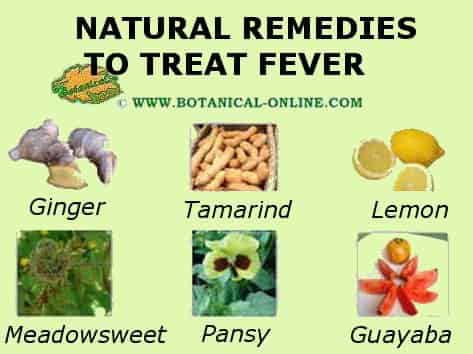
Herbs for reducing fever
Willow bark
Willow bark is a natural herb that has been used for centuries to reduce fever. It contains a compound called salicin, which is similar to the active ingredient in aspirin. Salicin has anti-inflammatory properties and can help bring down high body temperatures. To use willow bark for fever reduction, you can brew it into tea or take it as a supplement.
Elderberry
Elderberry is another herb that has been traditionally used to treat fever. It contains antioxidants and immune-boosting compounds that can help the body fight off infections. Elderberry can be consumed as a syrup, tea, or supplement. It is important to note that elderberry should not be consumed raw, as the seeds and bark of the plant can be toxic.
Ginger
Ginger is a versatile herb known for its anti-inflammatory and antimicrobial properties. It can help reduce fever by improving blood circulation and promoting sweating, which can help cool down the body. Ginger can be consumed as a tea, added to soups or stir-fries, or taken as a supplement.
Peppermint
Peppermint is a cooling herb that can help bring down body temperature during a fever. It contains menthol, which has a soothing effect on the respiratory system and can help relieve congestion and coughing that often accompany fever. Peppermint can be brewed into a tea or used in essential oil form for inhalation or topical application.
Echinacea
Echinacea is an herb commonly used to boost the immune system and fight off infections. It can also be beneficial for reducing fever due to its anti-inflammatory properties. Echinacea can be consumed as a tea, taken as a supplement, or used topically as an ointment.
Essential oils to relieve fever symptoms
Lavender oil
Lavender oil is well-known for its calming and relaxing properties. It can help reduce fever symptoms by promoting restful sleep and soothing headaches or muscle discomfort. Lavender oil can be diffused in the air, added to a warm bath, or applied topically (diluted with carrier oil) to the temples or pulse points.
Eucalyptus oil
Eucalyptus oil is commonly used for respiratory conditions, as it has decongestant and expectorant properties. It can also be beneficial for reducing fever symptoms such as coughing, sore throat, and nasal congestion. Eucalyptus oil can be diffused in the air, added to steam inhalation, or diluted with a carrier oil for topical application.
Peppermint oil
Peppermint oil, with its cooling and analgesic properties, can provide relief from fever-related headaches, body aches, and muscle pain. It can be diluted with carrier oil and applied topically to the temples, neck, or chest for soothing relief. Peppermint oil can also be added to a cool compress or used in a diffuser.
Tea tree oil
Tea tree oil has antimicrobial and antiseptic properties, which can be helpful during fever episodes to prevent secondary infections. It can be used in a diffuser or steam inhalation to purify the air and promote respiratory health. Tea tree oil should always be diluted with a carrier oil before applying topically.
Chamomile oil
Chamomile oil is known for its calming and anti-inflammatory properties. It can help reduce fever symptoms by promoting relaxation and relieving headaches or muscle tension. Chamomile oil can be added to a warm bath, used for steam inhalation, or diluted with a carrier oil and applied to the temples or pulse points.

Functional foods to reduce body temperature
Watermelon
Watermelon is a hydrating fruit that contains a high water content, which can help regulate body temperature during a fever. It also provides essential vitamins and minerals to support overall health. Consuming juicy watermelon slices or blending them into a refreshing smoothie can help alleviate fever symptoms and provide hydration.
Cucumber
Cucumber is another excellent hydrating food that can help reduce body temperature during a fever. It contains a high percentage of water and electrolytes, which can aid in maintaining hydration levels. Enjoy sliced cucumbers in salads, blend them into a cooling cucumber soup, or infuse water with cucumber slices for a refreshing and hydrating drink.
Coconut water
Coconut water is a natural source of electrolytes, including potassium and magnesium, which can help replenish fluids and minerals lost during a fever. It is a delicious and hydrating beverage that can be consumed on its own or used as a base for smoothies or refreshing summer drinks.
Pineapple
Pineapple is a tropical fruit rich in bromelain, an enzyme that has anti-inflammatory properties. Consuming pineapple during a fever can help reduce inflammation and alleviate symptoms. Enjoy fresh pineapple chunks, blend them into a tropical smoothie, or use them as a topping for yogurt or salads.
Lemon
Lemon is a citrus fruit known for its cooling and detoxifying properties. It can help bring down body temperature and support the immune system during a fever. Squeeze lemon juice into water for a refreshing drink, add it to herbal teas, or use it as a tangy dressing for salads.
Home remedies for fever reduction
Cooling washcloth
A cooling washcloth can provide immediate relief during a high fever. Wet a clean washcloth with cool water (not cold) and wring out the excess. Gently place the damp cloth on the forehead or the back of the neck. This can help bring down body temperature and provide a soothing sensation.
Hydration
Staying hydrated is crucial during a fever, as it helps the body cool down and prevents dehydration. Drink plenty of fluids, such as water, herbal teas, clear broths, and electrolyte-rich beverages like coconut water. Avoid caffeinated and sugary drinks, as they can dehydrate the body.
Rest and sleep
Resting and getting adequate sleep is essential for the body to recover from a fever. Allow yourself time to rest and avoid strenuous activities. Aim for at least 7-9 hours of sleep each night to support the healing process and boost the immune system.
Herbal teas
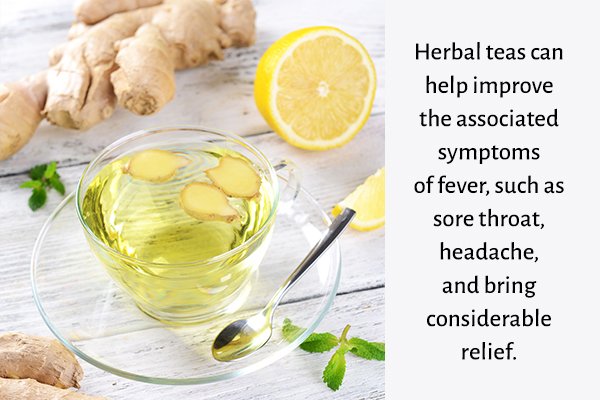
Herbal teas can provide comfort and help reduce fever symptoms. Chamomile, peppermint, ginger, and lemon balm teas are particularly beneficial for their calming, anti-inflammatory, and cooling properties. Enjoy a warm cup of herbal tea throughout the day to soothe and hydrate the body.
Warm herbal baths
Taking a warm herbal bath can promote relaxation and help reduce fever symptoms. Add a few drops of calming essential oils like lavender or chamomile to the bathwater. The warm water and aromatic herbs can help lower body temperature, relieve muscle aches, and induce peaceful sleep.

Acupuncture and acupressure for fever relief
Specific acupuncture points
Acupuncture is an ancient Chinese practice that involves the insertion of thin needles into specific points on the body to promote balance and healing. Stimulating certain acupuncture points can help regulate body temperature and reduce fever symptoms. Points such as Hegu (LI4), Quchi (LI11), and Dazhui (GV14) are commonly used for fever relief.
Techniques for acupressure
Acupressure is a non-invasive technique that involves applying pressure to specific points on the body. It can be used as an alternative to acupuncture for fever relief. Using your fingertips or a massage tool, apply firm pressure to points such as the webbing between the thumb and index finger (Hegu), the elbow crease (Quchi), or the base of the skull (Dazhui).
Benefits of acupuncture and acupressure
Both acupuncture and acupressure stimulate the body’s natural healing mechanisms and can help alleviate fever symptoms. These practices promote relaxation, improve blood circulation, and enhance the body’s immune response. They are safe and gentle methods that can be used alongside other fever reduction strategies.
Fever-reducing foods and drinks
Chicken soup
Chicken soup has long been hailed as a comforting remedy for fever. It contains nutrients and electrolytes that support the immune system and provide hydration. The warm broth can also help soothe sore throat and ease congestion. Opt for a homemade chicken soup with wholesome ingredients for the best results.
Garlic
Garlic is a potent natural remedy with antimicrobial and immune-boosting properties. It can help reduce fever symptoms by supporting the body’s defenses against infections. Incorporate garlic into your meals by adding it to soups, stir-fries, or roasted vegetables for an extra immune boost.
Ginger tea
Ginger tea, made by steeping fresh ginger slices in hot water, is a soothing and warming beverage that can help relieve fever symptoms. It promotes sweating and can help regulate body temperature. Ginger tea can be sweetened with honey or lemon for added flavor and immune support.
Turmeric milk
Turmeric milk, also known as golden milk, is a traditional Ayurvedic remedy for various ailments, including fever. Turmeric contains curcumin, a compound with anti-inflammatory and antioxidant properties. Heat milk with turmeric, ginger, and a pinch of black pepper for a comforting and immune-boosting beverage.
Honey and lemon
Honey and lemon can be combined to create a soothing and immune-boosting drink. Mix warm water with a tablespoon of honey and the juice of half a lemon. Sip on this concoction throughout the day to help alleviate fever symptoms and support overall health.
Use of cold packs and ice wraps
Cold packs on forehead and neck
Placing a cold pack or a cool washcloth on the forehead and the back of the neck can help reduce body temperature during a fever. Use a commercial cold pack or simply wrap a clean washcloth around a few ice cubes. Never apply ice directly to the skin, and ensure the cloth is cool but not freezing.
Ice wraps on wrists and ankles
The wrists and ankles are areas where blood vessels are close to the skin’s surface, making them ideal spots for cooling the body during a fever. Wrapping ice packs or cool washcloths around the wrists and ankles can help bring down body temperature. Make sure the wraps are not too tight to avoid restricting circulation.
Precautions for using cold packs
While using cold packs and ice wraps can provide relief during a fever, it is important to take precautions to avoid potential harm. Do not use ice directly on the skin, as it can cause frostbite. Always wrap ice packs or cool washcloths in a cloth or towel before applying to the body. Monitor the skin for any signs of discomfort or excessive cold.
Boosting the immune system during a fever
Vitamin C-rich foods
Consuming foods high in vitamin C can support the immune system during a fever. Citrus fruits, berries, kiwi, tomatoes, and leafy greens are excellent sources of vitamin C. Include these foods in your meals and snacks to provide essential nutrients and antioxidants.
Probiotics
Probiotics are beneficial bacteria that can support the immune system and promote gut health. Yogurt, kefir, sauerkraut, kimchi, and other fermented foods contain probiotics. Consuming these foods during a fever can help maintain a healthy gut microbiome and enhance immune function.
Garlic supplements
Supplementing with garlic capsules or tablets can provide a concentrated dose of its immune-boosting compounds. Garlic supplements can help reduce fever symptoms and support the body’s natural defense mechanisms. Consult with a healthcare professional before starting any new supplements.
Herbal immune boosters
Several herbs, such as astragalus, echinacea, and ginseng, are known for their immune-boosting properties. These herbs can be taken as supplements or incorporated into herbal teas. They can enhance immune function during a fever and promote overall well-being.
Adequate rest and sleep
Resting and getting enough sleep is crucial for supporting the immune system during a fever. Allow your body time to heal and regenerate by prioritizing restful activities and creating a calm environment. Aim for 7-9 hours of quality sleep each night to optimize immune function.

Hydrotherapy for fever reduction
Contrast showers
Contrast showers involve alternating between hot and cold water to stimulate blood circulation and promote immune function. Start with a warm shower for a few minutes, then switch to cold water for 30 seconds to a minute. Repeat this cycle several times, always ending with cold water. This hydrotherapy technique can help reduce fever symptoms and improve overall well-being.
Sitz baths
Sitz baths are shallow baths that specifically target the lower body, particularly the pelvic region. They can help reduce fever symptoms by promoting blood circulation and relaxing the body. Fill a tub or basin with warm water and add calming herbs like chamomile or lavender. Sit in the bath for 15-20 minutes, allowing the warm water to soothe and comfort.
Foot soaks
Foot soaks can help draw heat away from the head and upper body, aiding in reducing fever symptoms. Fill a basin with warm water and add a few drops of essential oils like lavender or eucalyptus for added relaxation. Soak your feet in the warm water for 15-20 minutes, and feel the cooling effect throughout your body.
Wet sock therapy
Wet sock therapy is a method that involves wearing damp cotton socks to stimulate the immune system and increase blood circulation. Before bed, soak a pair of thin cotton socks in cold water and wring out the excess moisture. Put the wet socks on and cover them with a pair of dry wool socks. This can help reduce fever symptoms and support the body’s healing process.
Cold compresses
Applying cold compresses to specific areas of the body, such as the forehead, neck, armpits, or groin, can help lower body temperature during a fever. Soak a clean washcloth in cold water, wring out the excess, and apply it to the desired area. This hydrotherapy technique can provide immediate relief and promote comfort.
Supplements for fever relief
Elderberry extract
Elderberry extract is a popular supplement known for its immune-boosting properties. It can help reduce fever symptoms and support the body’s natural defense mechanisms. Elderberry extract is available in various forms, including syrups, capsules, and gummies.
Vitamin D
Vitamin D plays a crucial role in immune function, and maintaining adequate levels can support the body’s ability to fight off infections. During a fever, supplementing with vitamin D may help boost the immune system and aid in fever reduction. Consult with a healthcare professional to determine the appropriate dosage.
Zinc
Zinc is a mineral that supports immune function and can help reduce the severity and duration of fevers. It is available as a supplement and can be found in various foods, including oysters, beef, pumpkin seeds, and spinach. Consult with a healthcare professional before starting any new supplements.
Vitamin A
Vitamin A is essential for maintaining a healthy immune system and can support the body’s ability to fight off infections. It is found in foods like carrots, sweet potatoes, spinach, and liver. Supplementing with vitamin A during a fever may help support immune function. Consult with a healthcare professional before starting any new supplements.
Omega-3 fatty acids
Omega-3 fatty acids have anti-inflammatory properties and can help reduce inflammation and fever symptoms. They are found in fatty fish, walnuts, flaxseeds, and chia seeds. Incorporate omega-3-rich foods into your diet or consider taking fish oil supplements to support overall health and reduce fever-related inflammation.
In conclusion, there are various natural remedies and strategies that can help reduce fever symptoms and support the body’s healing process. From herbs and essential oils to functional foods and hydrotherapy techniques, these natural remedies can provide relief and promote overall well-being. However, it is important to consult with a healthcare professional before starting any new supplements or treatments, especially if the fever persists or is accompanied by severe symptoms. Remember to prioritize rest, hydration, and self-care during a fever to aid in a speedy recovery.
Related Terms About Natural Remedy For Fevers.
Home Remedy For Fever And Runny Nose, Home Remedy For Fever Blister On Lip, Home Remedy For Fever Blister On Tongue, Home Remedy For Fever Child, Home Remedy For Fever Chills, Home Remedy For Fever Of 1 Year Baby, Home Remedy For Fever Of Baby, Home Remedy For Fever Of Child, Home Remedy For Fever Of Dogs, Home Remedy For Fever Of Toddler