
Are you tired of living with the discomfort of foot drop? Look no further, as we have discovered a natural remedy that could potentially bring relief to your condition. Foot drop, a condition where you have difficulty lifting the front part of your foot, can be frustrating and limiting, but worry not! In this article, we will introduce you to a natural solution that may help alleviate the symptoms of foot drop, allowing you to regain your mobility and freedom. Say goodbye to pain and discomfort, and hello to a more active and fulfilling life with our recommended natural remedy.

Causes of Foot Drop
Nerve Damage
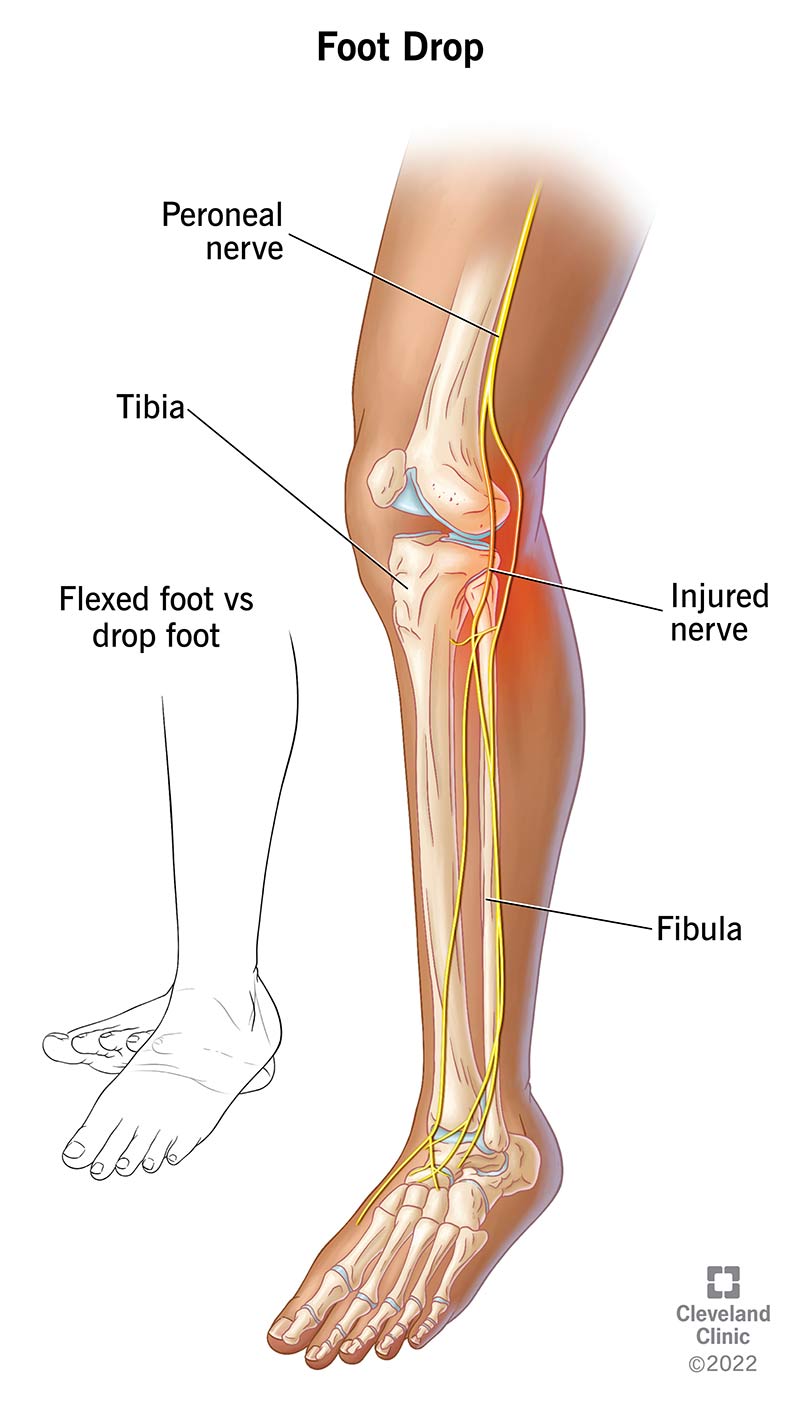
When the nerves that control the muscles in your foot are damaged, it can lead to foot drop. This can happen due to various reasons such as a nerve injury, compression of the nerves, or nerve diseases like peripheral neuropathy. Nerve damage disrupts the communication between your brain and muscles, resulting in weakness or paralysis of the muscles responsible for lifting the front part of your foot.
Muscle Weakness or Paralysis
Muscle weakness or paralysis can also cause foot drop. Conditions such as muscular dystrophy, stroke, multiple sclerosis, or polio can lead to muscle weakness or paralysis, making it difficult for you to lift your foot properly while walking. When the muscles lose their strength or become paralyzed, you may experience difficulty in lifting the foot or dragging it along the ground.
Injury or Trauma
Injuries or trauma to the lower back, hip, or leg can damage the nerves or muscles involved in foot movement. Fractures, sprains, or direct trauma to the nerves can result in foot drop. If the nerves or muscles are injured in a way that affects their function, it can lead to weakness or paralysis of the foot muscles.
Neurological Conditions
Certain neurological conditions like multiple sclerosis, stroke, or cerebral palsy can cause foot drop. These conditions affect the brain or spinal cord, disrupting the signals that control muscle movement. As a result, the muscles responsible for lifting the foot may not receive the proper signals, leading to foot drop.
Diagnosis and Treatment Options
Medical Evaluation
If you experience foot drop, it is important to consult a healthcare professional for a proper diagnosis. They will take your medical history, perform a physical examination, and may order tests like nerve conduction studies or electromyography to assess nerve and muscle function. A thorough medical evaluation will help determine the underlying cause of your foot drop.
Physical Therapy
Physical therapy plays a crucial role in the treatment of foot drop. A physical therapist will design a customized exercise program to strengthen the muscles in your leg and improve your gait. They may also use techniques like electrical stimulation to help activate the muscles involved in foot movement. Physical therapy can help improve muscle strength, coordination, and overall mobility.
Use of Assistive Devices
Assistive devices like ankle-foot orthoses or braces can provide support and help prevent foot drop. These devices are worn on the lower leg and foot to stabilize the ankle and provide dorsiflexion assistance. By keeping the foot in the proper position, they allow for a more natural walking pattern and reduce the risk of tripping or falling.
Orthotic Devices
Orthotic devices, such as splints or shoe inserts, can also help with foot drop. These devices provide additional support to the foot and ankle, keeping them in the correct position while walking. Orthotic devices can improve foot alignment, reduce muscle fatigue, and enhance overall foot function.
Surgical Interventions
In severe cases of foot drop, surgical interventions may be considered. The type of surgery required depends on the underlying cause of foot drop. Surgery may involve releasing or transferring tendons, fusing bones, or repairing damaged nerves. Surgical interventions aim to restore proper muscle function and improve foot drop symptoms.

Natural Remedies for Foot Drop
While medical interventions and therapies are important for managing foot drop, there are also natural remedies that can complement the treatment process.
1. Exercise and Stretching Regimen
An exercise and stretching regimen specific to foot drop can help improve muscle strength and flexibility. Strengthening exercises target the muscles involved in foot movement, while range of motion exercises help maintain proper joint mobility. Stretching exercises can prevent muscle tightness and improve overall flexibility. Additionally, balance and stability exercises can enhance coordination and reduce the risk of falls.
2. Essential Oils
Essential oils have been used for centuries for their therapeutic properties. Some essential oils, such as rosemary, lavender, peppermint, eucalyptus, and ginger oil, possess anti-inflammatory and analgesic properties. The topical application of these oils, either through massage or diluted in carrier oils, can help reduce pain, inflammation, and muscle stiffness associated with foot drop.
3. Acupuncture
Acupuncture is an ancient Chinese therapy that involves inserting thin needles into specific points on the body. It is believed to help restore the flow of energy, known as Qi, in the body. Acupuncture can be beneficial for foot drop by stimulating the nerves and promoting muscle function. It is a safe and non-invasive treatment option to consider.
4. Massage Therapy
Massage therapy can provide relief from muscle tension, improve blood circulation, and promote relaxation. Deep tissue massage, reflexology, and aromatherapy massage are specific techniques that can benefit individuals with foot drop. Deep tissue massage targets deeper layers of muscle, reflexology focuses on specific pressure points in the feet, and aromatherapy massage incorporates the use of essential oils for additional therapeutic effects.
5. Nutritional Supplements
Certain nutritional supplements can support nerve health, reduce inflammation, and promote muscle function. Omega-3 fatty acids, found in fish oil or flaxseed oil, have anti-inflammatory properties and can support nerve function. Vitamin B12 plays a role in nerve health and can be obtained through supplementation. Magnesium is essential for muscle function and can be taken as a supplement. Turmeric, known for its anti-inflammatory properties, and coenzyme Q10, with its antioxidant effects, may also be beneficial.
Exercise and Stretching Regimen
A comprehensive exercise and stretching regimen can greatly benefit individuals with foot drop. It is important to consult with a physical therapist to create a program tailored to your specific needs. The regimen may include the following elements:
Strengthening Exercises
Strengthening exercises focus on improving the strength of the muscles involved in foot movement. These exercises may include toe raises, heel raises, and ankle flexion and extension exercises. Strengthening the muscles helps provide better support and control during walking.
Range of Motion Exercises
Range of motion exercises aim to maintain or improve joint mobility in the foot and ankle. These exercises involve moving the foot and ankle through their full range of motion, such as ankle circles or pointing and flexing the foot. Range of motion exercises help keep the joints mobile and prevent stiffness.
Stretching Exercises
Stretching exercises help prevent muscle tightness and maintain flexibility. These exercises target the muscles in the calf, shin, and foot. Common stretching exercises include calf stretches, Achilles tendon stretches, and plantar fascia stretches. Stretching the muscles improves their elasticity, reducing the risk of muscle imbalances and contractures.
Balance and Stability Exercises
Balance and stability exercises are important for individuals with foot drop to improve overall coordination and prevent falls. These exercises can include standing on one leg, practicing balance activities on a balance board, or performing specific exercises to improve proprioception and body awareness.
Walking and Gait Training
Walking and gait training are crucial components of an exercise and stretching regimen for foot drop. A physical therapist can guide you through walking exercises and gait retraining techniques that focus on improving your walking pattern and stride length. These exercises help promote a more natural and efficient gait cycle.

Essential Oils
Essential oils have various therapeutic properties that can be beneficial for individuals with foot drop. Here are some commonly used essential oils:
Rosemary Oil
Rosemary oil has analgesic and anti-inflammatory properties that can help reduce pain and inflammation associated with foot drop. It can be applied topically by diluting a few drops in a carrier oil and massaging it into the affected area.
Lavender Oil
Lavender oil is known for its calming and analgesic properties. It can help soothe muscle tension and promote relaxation. Diluted lavender oil can be applied topically or used in aromatherapy to alleviate symptoms of foot drop.
Peppermint Oil
Peppermint oil has a cooling effect and can help relieve pain and muscle stiffness. It can be applied topically by diluting a few drops in a carrier oil and massaging it into the affected foot.
Eucalyptus Oil
Eucalyptus oil possesses anti-inflammatory and analgesic properties. It can help reduce inflammation, alleviate pain, and improve muscle function. Topical application or inhalation of eucalyptus oil can provide relief for foot drop symptoms.
Ginger Oil
Ginger oil has anti-inflammatory properties that can help reduce pain and inflammation in the affected muscles. It can be applied topically by diluting a few drops in a carrier oil and massaging it into the foot.
Acupuncture
Acupuncture is a traditional Chinese medicine practice that involves the insertion of thin needles into specific points on the body. Here’s how acupuncture may benefit individuals with foot drop:
How Acupuncture Works
Acupuncture is believed to stimulate the flow of energy, known as Qi, throughout the body. By inserting needles into specific points, acupuncture aims to restore balance and promote proper function in the body. In the case of foot drop, acupuncture may stimulate the nerves and muscles involved in foot movement, helping to improve muscle strength and coordination.
Benefits of Acupuncture for Foot Drop
Acupuncture can provide several benefits for individuals with foot drop. It can help reduce pain and inflammation, improve muscle function and coordination, and promote overall wellness. Acupuncture is a safe and natural treatment option that can be used in conjunction with other therapies for optimal results.
Safety and Considerations
When considering acupuncture, it is important to consult with a licensed and experienced acupuncturist. They will ensure the procedure is performed safely and effectively. Acupuncture is generally considered safe, but it may not be suitable for everyone. It is important to discuss any underlying health conditions or concerns with your healthcare provider before starting acupuncture treatment.

Massage Therapy
Massage therapy can provide a range of benefits for individuals with foot drop. Here are some commonly used massage techniques:
Deep Tissue Massage
Deep tissue massage aims to target deeper layers of muscle tissue. It can help reduce muscle tension, promote blood circulation, and alleviate pain and stiffness. Deep tissue massage can be beneficial for individuals with foot drop as it targets the affected muscles and improves their flexibility and function.
Reflexology
Reflexology is a specific massage technique that focuses on the pressure points in the feet. By applying pressure to these points, reflexology aims to stimulate different areas of the body and promote overall wellness. Reflexology massage can help alleviate pain, improve circulation, and enhance muscle function in individuals with foot drop.
Aromatherapy Massage
Aromatherapy massage combines the benefits of massage therapy with the therapeutic properties of essential oils. The use of essential oils, such as lavender or eucalyptus, during the massage, can enhance relaxation, reduce pain, and improve muscle function. Aromatherapy massage can be a soothing and effective treatment option for foot drop.
Self-Massage Techniques
Self-massage techniques can be practiced at home to provide relief for foot drop symptoms. Simple techniques like rolling a tennis ball or a frozen water bottle under the foot can help reduce muscle tension and promote blood circulation. Self-massage can be a convenient and cost-effective way to manage foot drop symptoms between professional massage therapy sessions.
Nutritional Supplements
Certain nutritional supplements can support nerve health, reduce inflammation, and promote muscle function. Here are some supplements that may be beneficial for individuals with foot drop:
Omega-3 Fatty Acids
Omega-3 fatty acids, found in fish oil or flaxseed oil, have anti-inflammatory properties that can support nerve health. They can help reduce inflammation in the body, potentially alleviating symptoms associated with foot drop. It is important to consult with your healthcare provider before starting any supplements, especially if you have any underlying health conditions or are taking other medications.
Vitamin B12
Vitamin B12 plays a crucial role in nerve health and function. A deficiency in vitamin B12 can contribute to nerve damage and muscle weakness. Supplementing with vitamin B12, either through oral supplements or injections, may help support nerve regeneration and improve muscle strength in individuals with foot drop.
Magnesium
Magnesium is an essential mineral that plays a role in muscle function and relaxation. It can help reduce muscle cramps and spasms, enhancing overall muscle function. Magnesium supplementation, in consultation with a healthcare provider, may be beneficial for individuals with foot drop.
Turmeric
Turmeric is a spice that contains a compound called curcumin, which has potent anti-inflammatory and antioxidant properties. It can help reduce inflammation and alleviate pain associated with foot drop. Turmeric can be consumed as a spice in cooking or taken as a supplement.
Coenzyme Q10
Coenzyme Q10 is an antioxidant that supports energy production in the cells. It can help reduce muscle fatigue and promote muscle function. Coenzyme Q10 supplementation may be beneficial in individuals with foot drop to support muscle health and overall energy levels.
Lifestyle Modifications
In addition to natural remedies and medical interventions, certain lifestyle modifications can help manage foot drop effectively. Here are some lifestyle changes to consider:
Maintaining a Healthy Weight
Maintaining a healthy weight can reduce the strain on the muscles and joints, improving overall mobility. Excess weight can put additional stress on the muscles involved in foot movement, exacerbating foot drop symptoms. A balanced diet and regular exercise can help achieve and maintain a healthy weight.
Regular Exercise
Regular exercise is important for overall muscle strength, flexibility, and cardiovascular health. Engaging in low-impact exercises like swimming, cycling, or tai chi can be beneficial for individuals with foot drop. It is important to consult with a healthcare professional or physical therapist to determine the most appropriate exercises for your specific needs.
Elevating the Affected Leg
Elevating the affected leg can help reduce swelling and improve blood circulation. When sitting or lying down, try propping up your leg with a pillow or using an adjustable leg rest to keep the foot elevated. This can provide relief and promote healing.
Avoiding Prolonged Sitting or Standing
Prolonged sitting or standing can worsen foot drop symptoms. It is important to take regular breaks and change positions frequently to prevent muscle stiffness and improve circulation. If you have a desk job, consider using a standing desk or taking short walking breaks throughout the day.
Using Proper Footwear
Wearing proper footwear is essential for individuals with foot drop. Choose shoes that provide good arch support, cushioning, and stability. Look for shoes with adjustable closures or laces that can accommodate any braces or orthotic devices. Well-fitting and supportive footwear can improve foot alignment and mobility.
Prevention and Recovery
Preventing footdrop and promoting the recovery process requires a proactive and multidisciplinary approach. Here are some key aspects to consider:
Preventing Foot Drop
Maintaining good overall health, managing chronic conditions like diabetes or neuropathy, and avoiding injuries or trauma to the lower limbs can help prevent foot drop. Regular exercise, proper nutrition, and avoiding behaviors that may damage the nerves or muscles can significantly reduce the risk of developing foot drop.
Recovery and Rehabilitation
Recovery and rehabilitation for foot drop require dedication and persistence. Following a comprehensive treatment plan, including medical interventions, physical therapy, and natural remedies, can help improve muscle strength, coordination, and overall function. It is important to work closely with healthcare professionals and follow their guidance throughout the recovery process.
Patience and Persistence
Recovering from a footdrop may take time and patience. It is important to remain positive and persistent in your efforts. Consistently following the prescribed exercise regimen, natural remedies, and lifestyle modifications can contribute to gradual improvement. Celebrate small victories along the way and stay motivated on your journey towards recovery.
Follow-up with Healthcare Professionals
Regular follow-up appointments with healthcare professionals, such as your primary care physician, neurologist, or physical therapist, are crucial for monitoring progress and adjusting the treatment plan if needed. They can assess your condition, provide guidance, and make necessary adjustments to optimize your recovery.
Supportive Network and Resources
Building a supportive network of family, friends, and healthcare professionals can greatly contribute to the recovery process. Seek out support groups or online communities where you can connect with individuals who have experienced similar challenges. Sharing experiences and learning from others can provide emotional support and valuable insights.
In summary, foot drop can be caused by nerve damage, muscle weakness or paralysis, injury or trauma, and neurological conditions. Medical evaluation, physical therapy, assistive devices, orthotic devices, and surgical interventions are treatment options to consider. Natural remedies such as exercise and stretching regimens, essential oils, acupuncture, massage therapy, and nutritional supplements can complement medical interventions. Lifestyle modifications such as maintaining a healthy weight, regular exercise, elevating the affected leg, avoiding prolonged sitting or standing, and using proper footwear can also aid in the management of foot drop. Prevention and recovery require a proactive approach, patience, and persistence, and it is important to follow up with healthcare professionals and build a supportive network. By utilizing a combination of these approaches, individuals with foot drop can work towards improving their mobility and overall quality of life.
Related Terms About Natural Remedy For Foot Drop
Ayurvedic Remedy For Foot Drop, Best Treatment For Foot Drop In India, How To Cure Drop Foot, How To Get Rid Of Foot Drop, How To Help With Drop Foot, Remedy For Foot Drop, Remedy For Foot Drop Pain, Severe Foot Drop Injury, Treatment For Foot Drop Surgery